When the Rocky River Steelhead Run Peaks
There’s nothing quite as frustrating as planning a fishing trip to the legendary Rocky River, getting all your gear ready, only to arrive and find the steelhead are either non-existent or completely shut down. We’ve all been there, and it often comes down to timing. This guide is here to demystify the complex dance of water temperature, flow, and steelhead behavior, helping you pinpoint those magical windows when the Rocky River steelhead run truly peaks.
Understanding the Rocky River Steelhead Run Dynamics
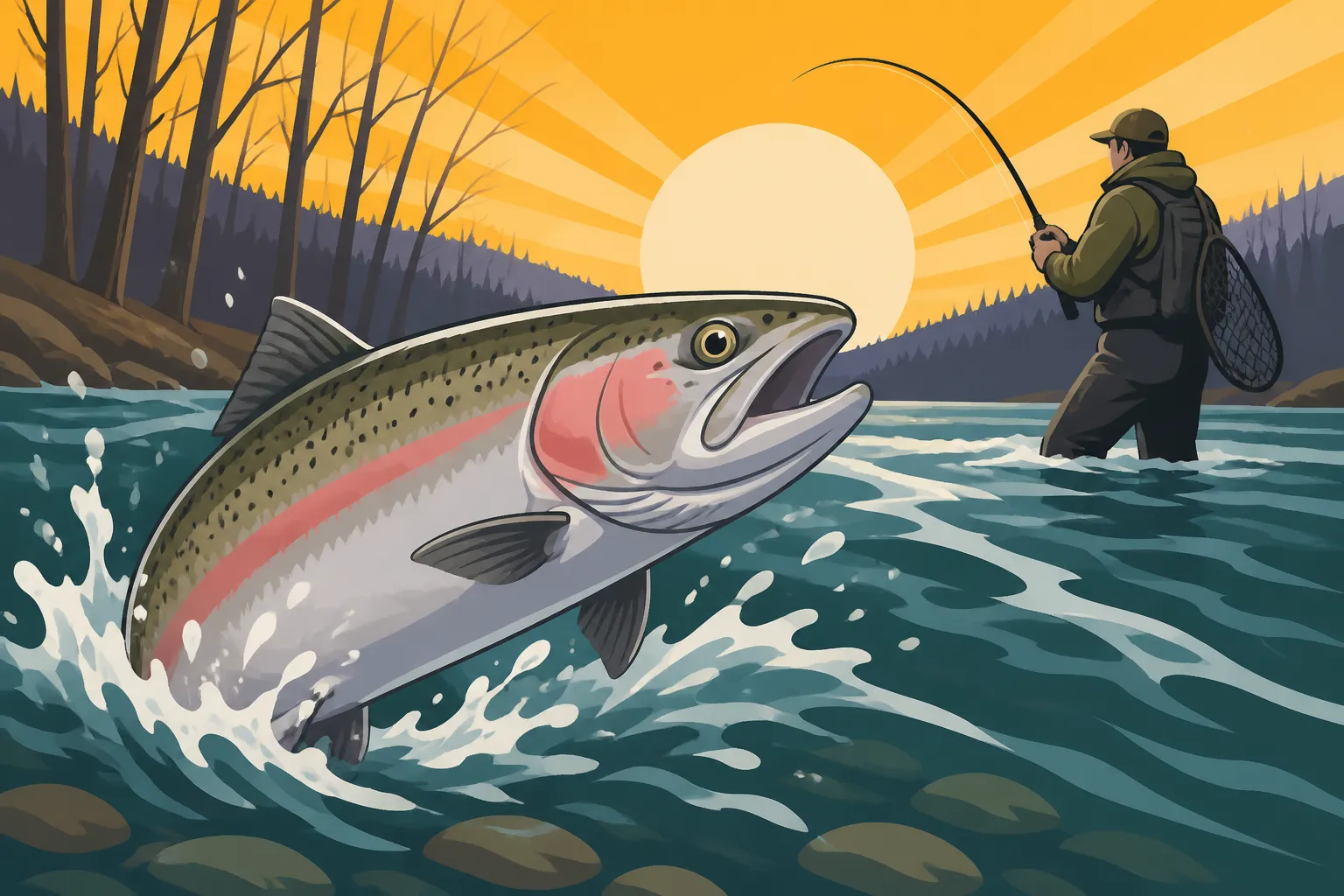
The Rocky River, like other Lake Erie tributaries in Ohio's "Steelhead Alley," sees incredible runs of steelhead, those amazing migratory rainbow trout that spend most of their lives growing big and strong in Lake Erie before returning to rivers to spawn. But these runs aren't a constant, steady flow. They're dynamic, influenced by a myriad of environmental factors, making timing your trip a critical part of success. Missing the peak by even a few days can mean the difference between an unforgettable day of bent rods and a quiet, fishless outing.
The Annual Steelhead Cycle
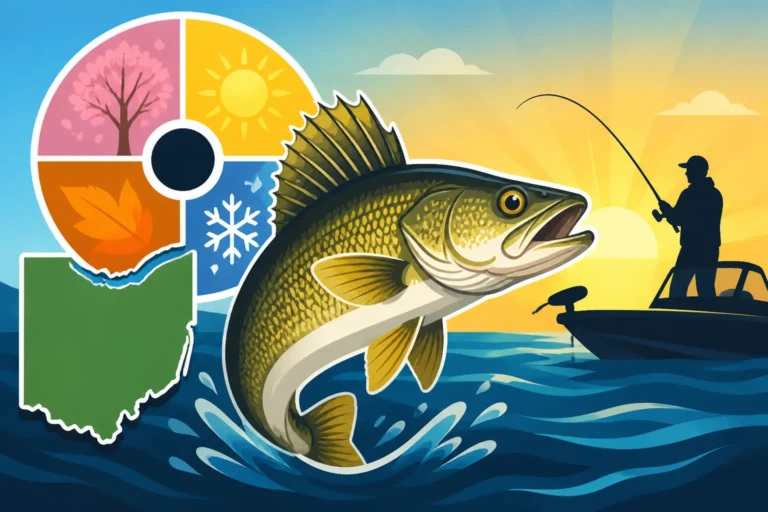
The steelhead run on the Rocky River isn't a single event but rather a prolonged season that can be broadly broken into three phases: early, peak, and late, each with its own characteristics and challenges for anglers. Understanding this cycle is the first step in knowing when to hit the water.
The early run typically begins in late September to early October, often triggered by the first significant cold rains that cool the lake and swell the river. These initial fish are usually eager biters, fresh from the lake, and less pressured. As the season progresses into late fall and early winter, more and more fish stage in the lake and begin to move into the river, pushing towards the peak. The winter lull can sometimes occur during prolonged stretches of extreme cold, freezing temperatures, or heavy ice, which slows down the fish activity. However, don't write off winter entirely; warm spells and thaws can reactivate the bite. Finally, the late run happens in early spring, usually March and April, as fish that have overwintered in the river or fresh waves from the lake make their final push to spawn before dropping back to Lake Erie. This late period can be incredibly productive, with larger, eager-to-spawn fish, but also crowded with anglers.
Key Environmental Factors Influencing the Peak
Steelhead are highly sensitive to their environment, and their movements and feeding behaviors are largely dictated by a few critical factors: water temperature, water flow, and overall weather patterns. Ignoring these variables is a surefire way to be on the river at the wrong time.
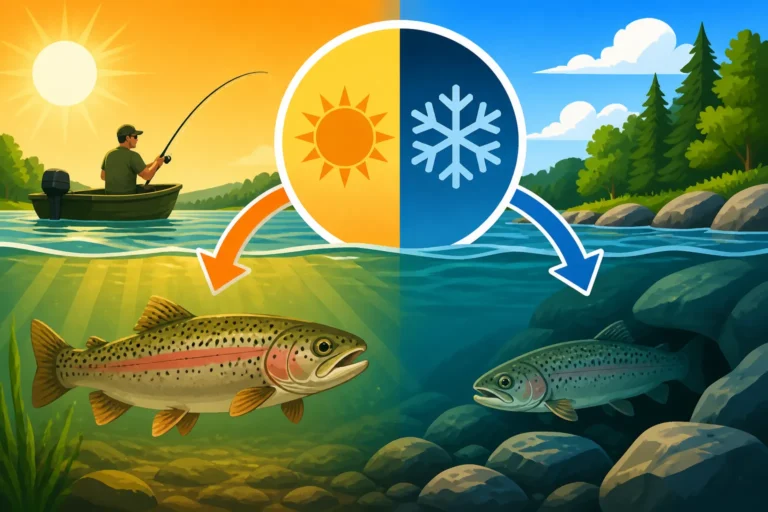
Water Temperature: This is perhaps the most crucial factor. Steelhead are cold-water fish, but they have a preferred range for activity. Generally, they become most active and willing to migrate and bite when water temperatures are between 40°F and 55°F. Below 40°F, they tend to become sluggish and hold in deeper pools, conserving energy. Above 55°F, they can become stressed, less active, and harder to entice. Major temperature swings, especially sudden drops, can also put them off the bite. You’ll often find that the first cold rains in fall, or warming trends in spring, are what bring the river into this ideal temperature range.
Water Flow (Level and Clarity): The Rocky River's flow rate, measured in cubic feet per second (CFS), is another make-or-break element. Steelhead use increased flow to help them navigate upstream from Lake Erie. A good rain can bring the river up, drawing in fresh fish and providing ideal conditions. However, too much flow, resulting in high, fast, and muddy water, makes fishing nearly impossible and can wash out prime holding lies. The "sweet spot" is often when the river is dropping and clearing after a significant rain event. This is when the water level is receding, and clarity is improving, but there's still enough flow to encourage fish movement. Conversely, very low and clear water conditions, often seen during dry spells, can make steelhead incredibly spooky and difficult to approach, pushing them into deep, dark pools. For up-to-date conditions, many anglers check resources like the USGS real-time water data for the Rocky River. Knowing What Flow Is Too High to Fish Ohio Steelhead Rivers? is just as important as knowing the ideal flow.
Weather Patterns: While not as direct as temperature or flow, broader weather patterns play a significant role. Prolonged periods of warm, dry weather can delay the fall run or extend dry, clear conditions, making fish scarce. Conversely, consistent precipitation, especially during a cold snap, can trigger and sustain strong runs. Wind direction can also impact Lake Erie conditions, which in turn affects how many fish are willing to enter the river mouth. For a broader overview of the season, check out our guide on Ohio Steelhead Trout Fishing Guide.
Pinpointing the Peak: The Sweet Spot for Anglers
Finding the absolute "peak" of the Rocky River steelhead run is often talked about like finding a unicorn – it's elusive and can shift from year to year. However, based on decades of angler experience and environmental data, we can identify general periods and specific conditions that consistently produce the best fishing. It’s about being there when the fish are numerous, active, and the river conditions are just right.
Ideal Conditions for Prime Action
The true peak for steelhead fishing on the Rocky River usually occurs when there’s a perfect storm of favorable conditions. This isn't just one factor, but a combination working in harmony.
Typically, you're looking for water temperatures in that golden 40°F to 50°F range. This keeps the fish active and on the move. When it comes to water flow, the ideal range for the Rocky River is often between 150 CFS and 350 CFS, with a consistent dropping or stable trend after a fresh rain. Anything much higher than 500-600 CFS starts to get into challenging, if not unfishable, territory due to excessive current and poor clarity. On the flip side, below 100 CFS, the river can become too low and clear, making fish extremely wary.
Clarity is another huge factor. You want enough stain to give the fish confidence but not so much that they can’t see your presentation. A good rule of thumb is 1 to 3 feet of visibility. This means the water should have a slight green or tea stain, not muddy chocolate milk. When these conditions align – moderate flow, good clarity, and optimal temperature – the fish are often spread throughout the river system, actively feeding, and less concentrated or spooky than in extreme conditions. This is truly the sweet spot where you’ll find fish from the estuary all the way up to the deeper pools. You can learn more about managing this in our article on Best Water Flow for Steelhead Fishing on the Rocky River.
Monthly Breakdown of Peak Potential
While conditions are king, certain months historically offer higher probabilities for hitting the peak. Keep in mind that "peak" can sometimes mean multiple smaller peaks throughout the season, rather than one single, prolonged event.
-
Late Fall (October-November): This is arguably the most consistent "peak" window for many anglers. The lake water is cooling, and the first major rains after summer often trigger significant pushes of fresh steelhead. October often sees strong numbers of fish entering, and by November, the river can be absolutely loaded. The fish are aggressive, haven't been pressured too heavily, and are focused on feeding. This is when you'll often see prime flow conditions after a good rain, followed by several days of excellent fishing as the river drops and clears. This early wave of fish sets the stage for the rest of the season.
-
Winter Thaws (December-February): While the main "peak" is typically fall, don't underestimate winter thaws. Prolonged periods of extreme cold can shut down the run, but anytime temperatures rise above freezing for a few days, melting snow and ice, it can inject fresh water into the river and ignite a smaller, but often intense, "mini-peak." These windows are short-lived but can offer incredible fishing, often with less angler pressure due to the colder overall conditions. You have to be ready to drop everything and go when these thaws happen.
-
Early Spring (March-April): The spring push is the final major wave of steelhead, with fish actively moving to spawn. Many fish that have overwintered in the river become very aggressive, and new waves of fish from Lake Erie join them. This period can see some of the biggest fish of the season. March and early April, especially, can offer phenomenal fishing, often coinciding with warming trends that make for more comfortable angling. As water temperatures push towards the upper 50s and into the 60s in late April and May, the run will start to taper off as fish drop back to the lake after spawning. For a comprehensive look at the entire season, refer to our Ohio Fishing Season Calendar.
| Season/Month | Typical Water Temperature | Ideal Flow (CFS) | Clarity | Steelhead Behavior | Angler Pressure |
|---|---|---|---|---|---|
| Early Fall | 50-60°F | 100-250 | Good | First pushes, eager biters, spread out | Moderate |
| Peak Fall | 40-50°F | 150-350 | Good | Strongest numbers, active migration, aggressive | High |
| Winter Lull | 32-40°F | Variable | Clear | Sluggish, holding in deep pools, opportunistic feeding | Low |
| Winter Thaw | 38-45°F | 200-400 | Variable | Reactivated fish, fresh pushes, short, intense bites | Moderate |
| Peak Spring | 45-55°F | 200-450 | Good | Spawning activity, aggressive, larger fish, drops back | High |
| Late Spring | 55-65°F | Variable | Variable | Post-spawn drop backs, less consistent, tapering off | Decreasing |
Strategies for Timing Your Trip to the Peak
Successfully timing your trip to the Rocky River's steelhead peak isn't about luck; it's about preparation, research, and flexibility. The steelhead don't keep a calendar, so neither should you. Instead, you need to become a student of the river, constantly monitoring conditions and being ready to act when the stars align.
Monitoring River Conditions in Real-Time
In today's digital age, there's no excuse for showing up to a river that's too high, too low, or too muddy. Real-time data is your best friend.
USGS Water Guage Data: The most important tool in your arsenal is the United States Geological Survey (USGS) real-time water data for the Rocky River. You can easily find the specific gauge online by searching "Rocky River USGS water data." This provides up-to-the-minute readings on water flow (CFS), gauge height (feet), and often water temperature. Learn to interpret these graphs: look for spikes in CFS after rain, followed by a gradual decline. The sweet spot is usually during the downswing after a rise, as the water clears.
Local Fishing Reports and Forums: Many local tackle shops, like those in the Cleveland area, provide daily or weekly fishing reports. These reports are gold! They offer firsthand accounts of what's being caught, where, and on what. Websites and social media groups dedicated to Ohio steelhead fishing are also excellent resources, where fellow anglers often share real-time observations, photos, and tips. Remember to take online reports with a grain of salt, but they can definitely help you gauge general conditions and angler success. You can also glean vital information on When the Rocky River Steelhead Run Peaks from these sources.
Weather Forecasts: Keep a close eye on the extended weather forecast. Significant rain events, cold fronts, and warming trends all directly impact river conditions and steelhead activity. Knowing when a major rain is coming means you can anticipate when the river will rise and, crucially, when it will start to drop and clear—your potential peak window.
Flexibility and Local Knowledge
Even with all the data in the world, steelhead fishing requires a degree of adaptability. Being flexible with your schedule and tapping into local knowledge can dramatically increase your chances of hitting the peak.
Be Ready to Go: The peak can be fleeting. It might last only a few days after a major rain event. If you have the flexibility in your work or personal life, be ready to drop everything and head to the river when conditions are prime. This might mean taking a spontaneous day off or rearranging your weekend plans. The dedicated steelhead angler understands that opportunity knocks quickly.
Talk to the Pros: Local bait and tackle shops aren't just for buying gear; they are hubs of invaluable information. The people working there are often avid anglers themselves or are constantly talking to those who are. They'll know what baits are working, what sections of the river are fishing best, and what the water is doing. Don't be afraid to strike up a conversation. Similarly, consider hiring a local Ohio Steelhead Fishing Guide Services. A good guide spends hundreds of days on the water and lives by knowing the peak conditions; their insights are worth their weight in gold, especially if you're new to the area or have limited time.
Observe and Adapt: When you get to the river, don't just blindly stick to your plan. Observe the water clarity, the flow, and what other successful anglers are doing. Are fish jumping? Are they holding in certain types of water? Be willing to move spots, change lures, or switch techniques based on what the river is telling you. Sometimes, a slight change in presentation or location can unlock the bite, even if you’re fishing within the peak window.
Gear and Techniques for Peak Season Steelhead
Once you've successfully timed your trip to the Rocky River's steelhead peak, having the right gear and knowing the most effective techniques will seal the deal. You want to be prepared for aggressive, powerful fish, often in challenging conditions.
Essential Tackle for High-Probability Fishing
Steelhead are strong fighters, and the rocky, snag-laden environment of the Rocky River demands robust and reliable tackle. Investing in quality gear will save you headaches and heartbreak when that trophy steelhead finally takes your bait.
Rods and Reels: For drifting floats or bottom bouncing, a longer, sensitive rod is key. A 9-foot to 11-foot moderate-fast action spinning rod, rated for 6-12 lb line, is a popular choice. The extra length helps with line control, mending, and absorbing the shock of a powerful run. Pair this with a smooth spinning reel in the 2500-3000 size range, spooled with quality main line. If you're into fly fishing, a 9-10 foot, 7 or 8-weight fly rod will handle these strong fish and cast heavier nymph rigs or streamers. You can find excellent options for these setups on Amazon.
Line: Many anglers prefer a braided main line (10-20 lb test) for its sensitivity and strength, with a fluorocarbon leader (6-10 lb test) tied on. Fluorocarbon is nearly invisible in water, crucial for spooky steelhead in clearer conditions, and it's abrasion resistant. For leader material, consider Seaguar InvizX, which is a favorite among steelhead anglers, available on Amazon. Make sure your leader strength matches the clarity and pressure; lighter leaders for clearer water, heavier for stained conditions. Our guide on Best Line Weight for Ohio Steelhead Fishing delves deeper into this.
Terminal Tackle: You'll need an assortment of hooks (size 8-14 octopus or similar, always barbless as required on the Rocky River), split shot or pencil lead for weighting your drifts, and high-quality swivels. Crucially, don't forget your floats (bobbers)! Thill, Raven, and Drennan are popular brands for sensitive slip floats, essential for detecting subtle bites. You can stock up on these items on Amazon to ensure you're well-prepared.
Waders and Boots: You'll be wading in cold water, often on slippery, uneven riverbeds. Neoprene or breathable chest waders, coupled with studded wading boots (or boots with felt soles), are non-negotiable for safety and comfort. Getting cold and wet will end your trip prematurely. Don't cheap out on these; a good pair can last for years. If you're wondering if you need them, check out Do You Need Waders for Ohio Steelhead Fishing?.
Effective Fishing Methods During the Peak
During the peak run, steelhead are active and often concentrated, but they can still be selective. Having a few proven techniques in your playbook will increase your success rate significantly.
Float Fishing (Drift Fishing with a Float): This is arguably the most popular and effective technique on the Rocky River, especially during the peak. It involves suspending your bait or lure under a sensitive float, allowing it to drift naturally with the current through prime steelhead lies. The key is to match the speed of your float to the current, ensuring a drag-free drift. Common baits include cured roe bags, live or salted emerald shiners, maggots, waxworms, and small jig-and-grub combinations. When you see that float dip, set the hook! We cover more in Ohio Steelhead Fishing Techniques.
Bottom Bouncing/Float Nymphing: When fish are holding deeper or are less willing to rise for a float, bottom bouncing or float nymphing can be deadly. This involves using pencil lead or small weights to present your bait or fly near the riverbed, allowing it to tumble along naturally. This method is particularly effective in deeper pools, runs, and faster currents where fish are hugging the bottom. Roe bags, nymphs, and small jigs are excellent choices here.
Casting Lures and Flies: While drifting is dominant, casting can also be incredibly effective, particularly for fresh, aggressive fish or when targeting specific holding water. Small spoons, inline spinners (like Mepps Aglia or Blue Fox Vibrax), and twitch baits (like Rapala Husky Jerks) can provoke powerful strikes. For fly anglers, swinging streamers, drifting egg patterns, or traditional nymphing with stoneflies or caddis imitations are all highly productive, especially during the peak. Our article on Casting Techniques for Steelhead provides detailed guidance.
Remember, steelhead can be fickle, even during the peak. Have a variety of baits and lures available, and don't be afraid to experiment with color, size, and presentation until you find what they're willing to hit.
Disclaimer
Fishing conditions and regulations in Ohio can change. Always consult the latest Ohio Department of Natural Resources (ODNR) fishing regulations before heading out. This guide is for informational purposes only and does not supersede official regulations. Stay safe on the water!