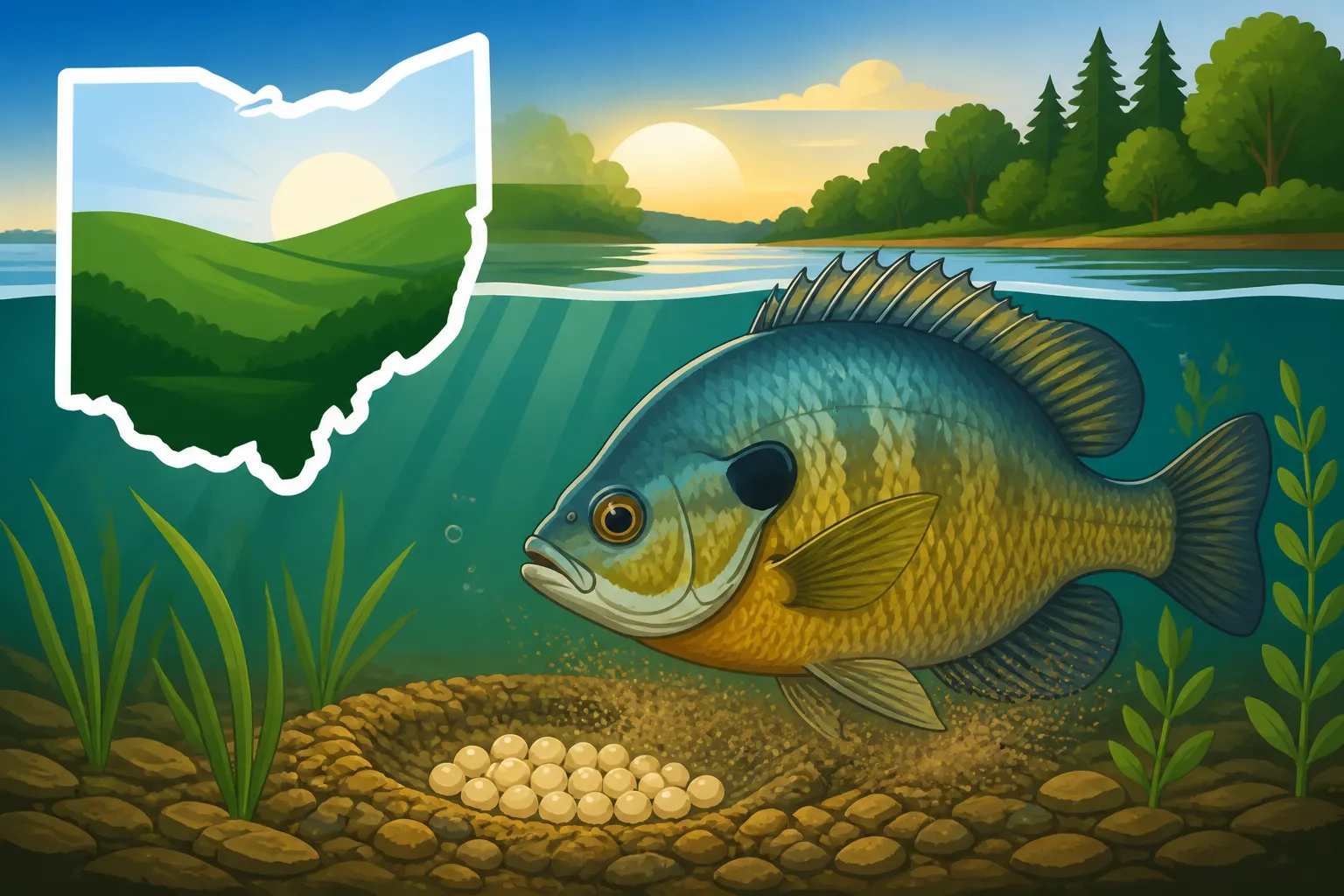
Bluegill Nesting and Spawning Season
Oh, the joy of chasing bluegill! Few things in Ohio fishing bring as much simple pleasure as a bobber dancing on the water, signaling a feisty bluegill on the line. But if you’ve ever found yourself wondering when these little fighters are truly on the bite, especially when they’re protecting those tell-tale nests, you're not alone. It can feel like a secret code, figuring out the prime time to target them. This guide is going to break down everything you need to know about the bluegill nesting and spawning season in Ohio, from how to spot their beds to the best ways to fish them ethically, ensuring you have a fantastic time on the water while respecting the fish.
Understanding Bluegill Spawning Basics in Ohio
Bluegill, a beloved panfish across Ohio, are prolific spawners, and understanding their reproductive cycle is key to consistently finding them. They’re not just randomly dropping eggs; there’s a whole intricate process driven by environmental cues that brings them into the shallows. Getting a handle on these basics will transform your bluegill fishing from hit-or-miss to a much more predictable and enjoyable experience.
The Why Behind the Bluegill Spawn
Imagine the drive to create the next generation – that's essentially what fuels the bluegill spawn. Their primary goal during this season is to reproduce and ensure the survival of their species. Unlike some fish that make a single, massive spawning run, bluegill often have multiple spawning cycles throughout the warmer months. This extended period makes them a fantastic target for anglers, but it also means their behavior will shift as they move from initial bed preparation to actual egg-laying and then to guarding the fry. It's a busy time for them, and knowing their motivations helps us understand where they’ll be and what they’ll be doing.
This reproductive urge is incredibly powerful, drawing them from deeper waters into the shallower, sun-warmed areas where their eggs have the best chance of hatching and developing. Their focus during this time is almost entirely on courtship, nest building, and protection. This intense dedication to their offspring also makes them more aggressive and territorial, which, from an angling perspective, can make them quite eager to strike at anything perceived as a threat to their nest. It’s not about hunger primarily; it's about defense, a crucial distinction when choosing your approach.
Ideal Water Conditions for Bluegill Reproduction
Bluegill are quite particular about their spawning environment. They’re not going to just drop eggs anywhere; they need specific conditions to feel safe and maximize the success of their hatch. The most critical factor is water temperature. They typically begin their nesting activities once the water consistently reaches around 67 to 75 degrees Fahrenheit. This temperature range is crucial because it promotes optimal egg development and the growth of the microscopic organisms that their newly hatched fry will feed on. You'll often see them moving into these areas after a consistent period of warm, sunny weather.
Beyond temperature, bluegill also look for specific physical characteristics in their spawning grounds. They prefer firm bottoms – think sand, gravel, or even hard clay – in relatively shallow water, usually one to four feet deep. This allows the males to effectively fan out their circular nests with their fins, clearing away silt and debris. You’ll find these beds in protected coves, along gradual shorelines, or around submerged structures like fallen trees or docks. Areas with some aquatic vegetation nearby can offer additional cover for the males and eventually the fry. These specific preferences are why, once you find a good bluegill bedding area, it often remains productive year after year.
When Bluegill Start Nesting: Timing is Everything
For Ohio anglers, knowing precisely when bluegill initiate their nesting activities can make all the difference. It's not a single date on the calendar, but rather a window that opens and closes based on a mix of environmental factors. Being attuned to these signals will help you hit the water at just the right moment.
Seasonal Cues and Water Temperature
The arrival of consistent warm weather in late spring and early summer is the most significant cue for bluegill to start thinking about reproduction. In Ohio, this typically means sometime from May through July, though it can vary quite a bit depending on how quickly the spring warms up. As mentioned earlier, water temperature is paramount. Once the shallow waters of lakes, ponds, and slow-moving rivers hit that sweet spot of 67-75°F, the male bluegill start their mission. A good thermometer can be your best friend here, giving you real-time insight into what the bluegill are experiencing. You'll often see the first push of nesting activity occur after a few consecutive days of sunshine, which quickly elevates those shallow water temps.
It's not just about hitting the right temperature, though; it’s about sustained warmth. A quick warm-up followed by a cold snap can halt spawning activity, making the fish scatter or become lethargic. Once the water stabilizes in that optimal range, however, the bluegill will commit. This initial phase of nesting preparation, before the females even arrive, is a fantastic time to find the males, as they're busy and territorial. Keep an eye on local fishing reports and even social media groups for mentions of "beds being made" in your favorite local waters. Don't forget, if you're planning a trip, make sure you've got your Ohio Fishing License Guide for Residents and Nonresidents sorted out!
Multiple Spawning Cycles Throughout Summer
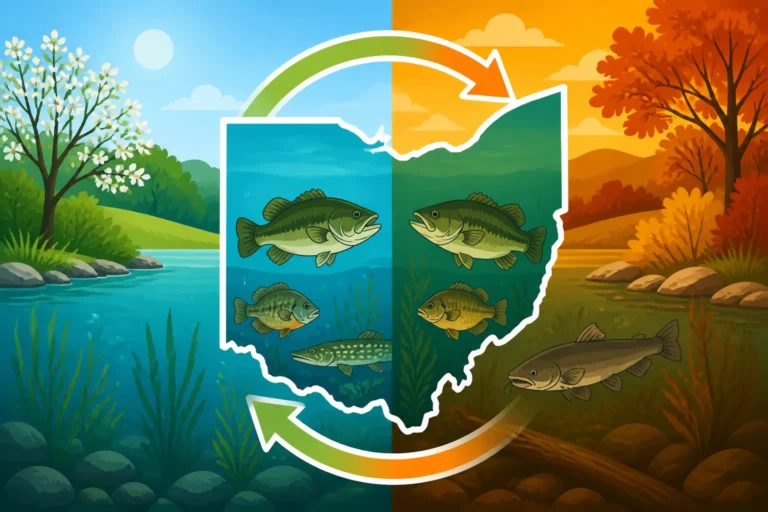
One of the fascinating aspects of bluegill is their ability to spawn multiple times throughout the summer months. Unlike salmon or even walleye, which often have one major spawning event per year, bluegill can "re-spawn" every few weeks as long as conditions remain favorable. This means that after an initial peak in late spring/early summer, you might find another wave of active beds in mid-summer, and sometimes even into early fall if the weather holds. This staggered approach is a survival mechanism, increasing the chances that at least some of their offspring will hatch successfully, even if one spawn is impacted by predators or adverse conditions.
These subsequent spawning efforts often occur after a brief recovery period for the adult fish. After an exhausting period of guarding eggs and fry, the males might retreat to slightly deeper water to feed and regain energy. However, once their bodies are ready and the water temperatures are still within their preferred range, they'll head back to the shallows, often to the same productive areas, to create new nests. This extended spawning window means that "bluegill bedding season" isn't a single event, but rather a prolonged period of opportunity for anglers across Ohio. For more on general Ohio fishing regulations, check out Ohio Fishing Regulations Every Angler Should Know.
Recognizing Bluegill Spawning Beds and Behavior
Once you know when bluegill are likely to spawn, the next step is figuring out where they are. Their nesting behavior leaves some pretty obvious clues if you know what to look for. Identifying these beds quickly will save you a lot of time on the water and put you directly over the fish.
Visual Cues for Bluegill Nests
Bluegill beds are unmistakable once you learn to spot them. Picture a moon-like landscape on the lake bottom, but underwater. Male bluegill diligently create circular, bowl-shaped depressions in the soft bottom, usually about one to three feet in diameter. They do this by fanning their fins to clear away silt, leaving behind lighter-colored sand, gravel, or rock. When these nests are clustered together, which they often are, they form a "colony" or "bedding area" that can sometimes stretch for dozens of feet. Look for these lighter-colored circles, often appearing as distinct "hot spots" or lighter patches against a darker bottom.
From above, especially on a sunny day with polarized sunglasses, these nests will look like a honeycomb pattern or a series of dinner plates scattered across the bottom. They are almost always found in relatively shallow, clear water, typically less than four feet deep, where sunlight can easily penetrate and warm the substrate. As you approach a likely area – perhaps a shallow flat in a protected cove, or along a sunny bank – keep your eyes peeled. Often, if you spot one nest, there will be many more nearby. These visible nests are your direct sign that bluegill are actively engaged in their spawning process. For help telling different species apart, take a look at Ohio Bluegill and Sunfish Identification.
Male Bluegill's Role in Protection
The male bluegill are the architects and guardians of the nest, playing an incredibly active and aggressive role throughout the spawning cycle. After constructing their nests, they court females, enticing them to lay eggs within their carefully prepared depressions. Once the eggs are laid and fertilized, the male takes on sole responsibility for protecting them. He’ll fan the eggs with his fins to keep them oxygenated and free of silt, and he’ll fiercely guard against any perceived threats. This protective instinct is what makes them so aggressive and, frankly, so much fun to catch during this period.
You’ll often see male bluegill hovering directly over their nests, their fins flared and bodies subtly swaying, constantly vigilant. If another fish, or even a shadow, encroaches on their territory, they will dart out to chase it away. This territorial aggression extends to any small bait or lure that lands near their bed. They don’t necessarily strike because they're hungry; they strike because they see your offering as an intruder. This behavior makes them highly susceptible to various fishing techniques, but it also means anglers have a responsibility to approach these areas ethically.
Fishing Strategies During Bluegill Spawning Season
Once you've located those unmistakable bluegill beds, you're in for some exciting fishing! However, it's important to approach these areas with a strategy that balances effectiveness with ethical angling, especially given the fish's protective instincts.
Approaching Spawning Beds Respectfully
When you find a bed, your first instinct might be to cast directly onto it. While that can certainly catch fish, it's crucial to remember that these fish are in a vulnerable state, fulfilling their most vital biological function. Instead of aggressively plucking every fish off a bed, consider a more respectful approach. Approach quietly, as loud noises or sudden movements can spook fish, especially in shallow water. Keep a low profile, perhaps kneeling or staying behind cover if bank fishing. Try casting around the edges of the bed first, tempting any fish patrolling nearby or those that might have been pushed off their nests temporarily.
If you do fish directly over the beds, consider limiting your catch or practicing catch and release, especially for the larger males that are guarding the nests. These bigger fish are often the most successful spawners, and removing them can impact the reproductive success of the colony. Remember, we want these areas to be productive for years to come! Many anglers choose to catch a few for a meal and then move on, leaving the rest to do their important work. For specific panfish limits, it's always good to consult the Crappie and Panfish Daily Limits guide. You can find some excellent polarized sunglasses, crucial for spotting beds, on Amazon.
Effective Baits and Lures
Bluegill aren't typically picky eaters, but during the spawn, their aggression often means they'll strike at almost anything that looks like an intruder or a potential food source. The key is to present baits and lures that are small and easily picked up by their relatively small mouths. Classic live baits are hard to beat:
- Worms: A small piece of a nightcrawler or a full redworm threaded onto a hook is irresistible.
- Waxworms and Mealworms: These grubs are panfish magnets, especially when suspended under a bobber.
- Crickets: A favorite for many, crickets offer a natural presentation and a distinct profile.
For artificial lures, think small and flashy, or subtle and natural:
- Small Jigs: Tiny jigs, often 1/64 to 1/16 ounce, tipped with a small plastic grub, tube, or even just a piece of a Berkley Gulp! Alive! bait, are incredibly effective. Chartreuse, white, and black are common go-to colors.
- Spinners: Ultra-light inline spinners with a small blade, like those from Mepps or Panther Martin, can trigger aggressive strikes.
- Flies: If you enjoy fly fishing, small poppers, sponge spiders, or wet flies can be deadly on bedding bluegill.
When presenting your bait, remember that the fish are territorial. A slow, steady retrieve or simply suspending your bait just above the nest can be all it takes. A lightweight setup is crucial for bluegill. A light or ultra-light spinning rod, paired with a small reel spooled with 4-6 lb test monofilament or fluorocarbon, will give you the sensitivity and finesse needed. You can find a huge variety of these specific small lures and essential tackle on Amazon, making it easy to stock up for your next panfish adventure. Check out Best Lures for Ohio Fishing and Best Ohio Fishing Gear and Tackle Guide for more ideas on what to use.
Post-Spawn Bluegill: What Happens Next
The spawning season doesn't last forever, and bluegill, like all fish, need to recover and adapt their behavior once the reproductive frenzy is over. Understanding the post-spawn phase is crucial for keeping your fishing success going through the mid-summer.
Recovering and Feeding Patterns
Once the eggs have hatched and the tiny fry have dispersed from the nests, the male bluegill's job as a guardian is largely done. This doesn't mean they disappear entirely, but their intense territoriality subsides. Both males and females, having expended a tremendous amount of energy during the spawn, will enter a recovery phase. Their primary focus shifts back to feeding, as they need to replenish their fat reserves and regain strength. This can lead to a period where they become incredibly aggressive eaters, making them eager targets if you can find their new feeding grounds.
During this post-spawn period, bluegill will often move slightly deeper than the shallowest spawning beds, but they'll generally remain close to cover and structure. They’ll be looking for areas with abundant insect life, small crustaceans, and other forage. This might mean the edges of weed beds, submerged timber, or even drop-offs near their former spawning grounds. They'll actively cruise these areas, actively hunting for food. This can be a fantastic time for consistent action, as their hunger often overrides any wariness.
Locating Post-Spawn Fish
Finding post-spawn bluegill requires a slight shift in strategy from focusing purely on visible beds. Instead, you'll want to target areas that offer both food and cover in slightly deeper water.
- Weed Edges: Look for the outer edges of submerged weed beds, especially those transitioning into deeper water. Bluegill will patrol these lines, picking off insects and small baitfish.
- Submerged Structure: Fallen trees, brush piles, rock piles, and even old tires provide excellent ambush points and protection. These are often bluegill magnets throughout the summer.
- Docks and Piers: Any man-made structure offering shade and submerged vertical elements can hold schools of post-spawn bluegill.
- Shallow Flats with Access to Deeper Water: While they're not on beds, bluegill will still utilize shallow flats, especially those adjacent to a sharp drop-off into deeper water. They can move up to feed and quickly retreat if needed.
Using a small boat, kayak, or even walking the shoreline to explore these types of areas will pay dividends. A fish finder can also be invaluable for locating submerged brush piles or subtle depth changes that might hold schools of hungry bluegill. Continue to use small baits and lures, perhaps experimenting with slightly larger profiles if you notice them feeding more aggressively. The goal is to imitate their natural forage as they actively search for food to recover. If you're looking for general hotspots, check out Best Places to Catch Bluegill in Ohio.
Conservation and Ethical Angling Practices
As passionate anglers, it's not just about catching fish; it's about preserving the resource for future generations. This is especially true when fishing during the sensitive bluegill nesting and spawning season. Practicing responsible angling ensures that Ohio's bluegill populations remain healthy and abundant.
Practicing Catch and Release Thoughtfully
Catch and release is a cornerstone of conservation, and it’s a practice we should all embrace, especially when bluegill are on their beds. While bluegill are often abundant and delicious, constantly removing the largest, most aggressive males from their nests can have an impact on the local population. These males are not only the strongest protectors but often the most genetically robust, ensuring the next generation is strong. If you decide to keep some fish for a meal, consider taking a few medium-sized fish and releasing the larger, bedding males. This selective harvesting helps maintain a healthy balance.
When practicing catch and release, handle the fish as gently as possible. Minimize the time the fish is out of the water, and use wet hands to avoid removing their protective slime coat. If a fish is deeply hooked, consider cutting the line as close to the hook as possible rather than trying to aggressively remove it, which can cause more harm. Barbless hooks can also make releasing fish much easier and less stressful for the fish. A small, soft landing net can also aid in careful handling. Remember, the goal is to get that fish back into the water quickly and unharmed so it can continue its vital work.
Minimizing Impact on Nests and Habitat
Beyond careful handling, anglers can further minimize their impact by being mindful of the spawning habitat itself. Avoid wading directly through active bluegill beds, as this can disturb the eggs, scatter the fry, and disrupt the male's protective duties. If you're fishing from shore, cast from the bank rather than entering the water if possible. If you're in a boat or kayak, use a trolling motor or paddle quietly to approach spawning areas, and try to keep your distance from the densest concentrations of nests. Anchor carefully, ensuring your anchor doesn't drag through the beds.
Protecting the surrounding aquatic vegetation is also important, as these areas provide crucial cover and forage for both adult bluegill and their young. Avoid discarding trash or fishing line into the water, as these can harm fish and degrade the habitat. By respecting the bluegill's environment during this critical time, we contribute to the long-term health and vitality of our favorite Ohio fishing spots. Every thoughtful action we take, from how we approach a bed to how we release a fish, makes a difference. Remember to always be aware of Ohio Statewide Bag and Size Limits to ensure you're fishing legally and sustainably.
Disclaimer
This article is for general informational purposes only and does not constitute professional advice. Laws, prices and regulations vary by location and change over time. Consult a qualified professional for guidance on your specific situation.