Do Ohio Ponds Have Largemouth Bass and Bluegill Together?
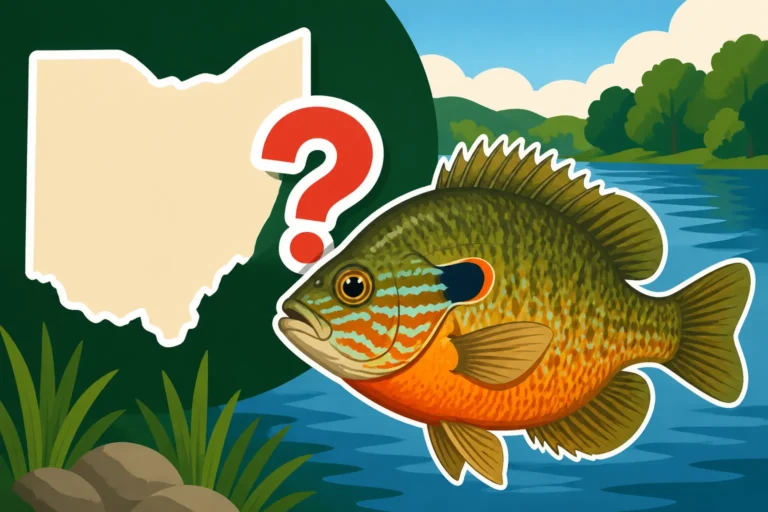
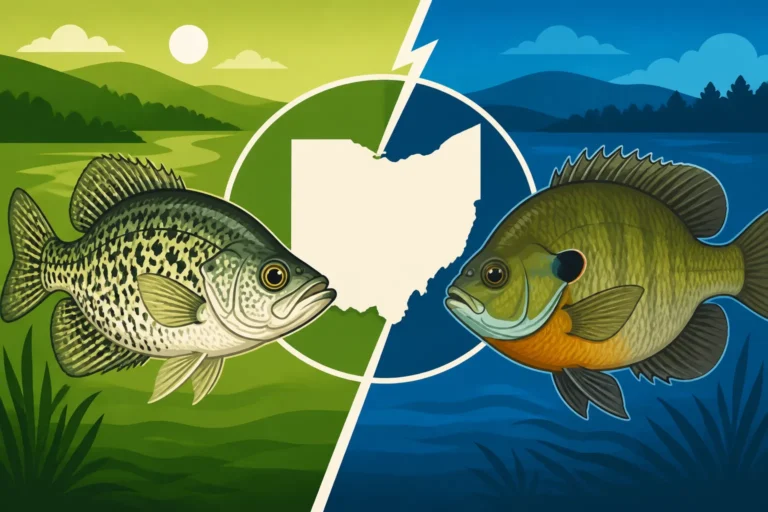
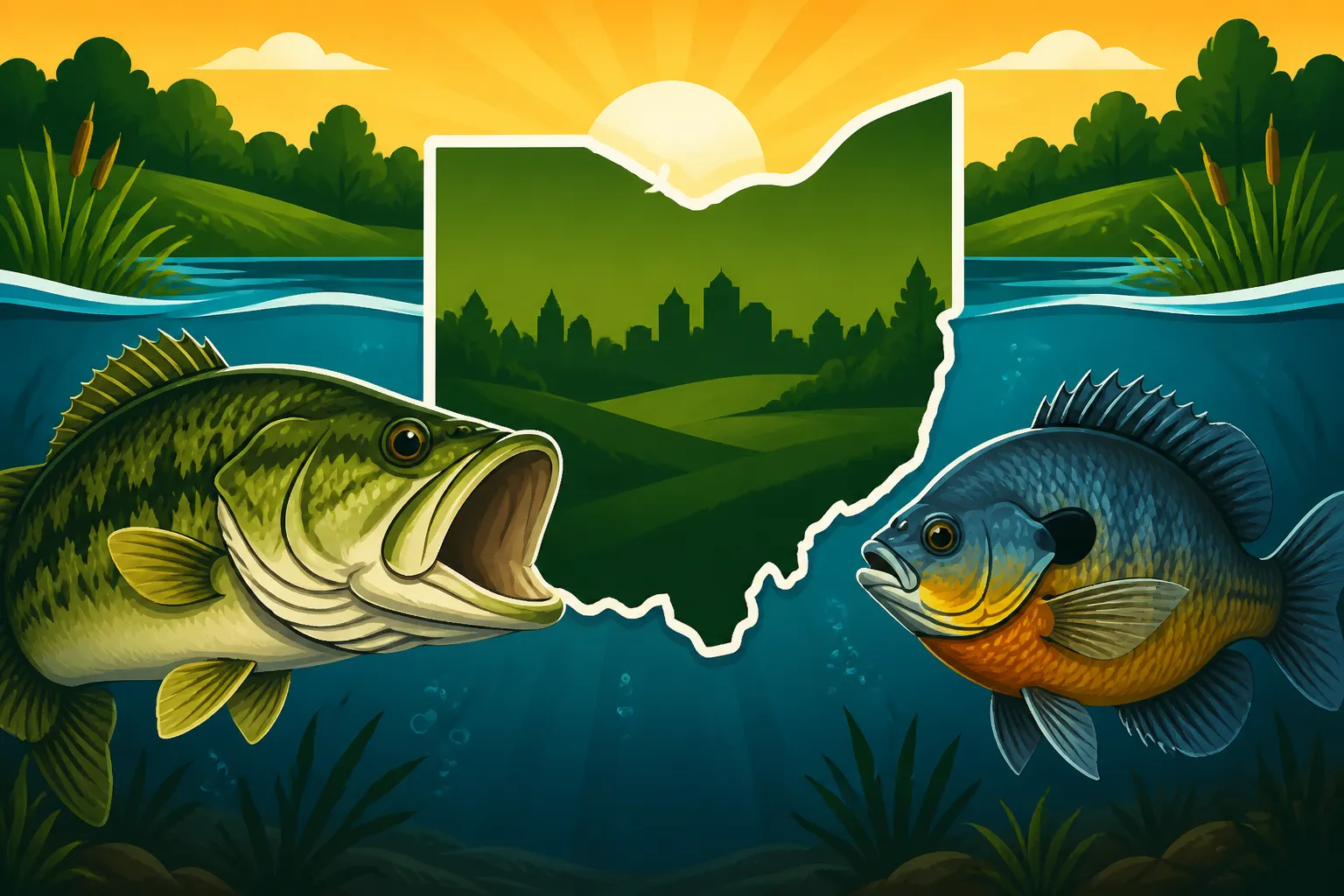
It's a question many Ohio pond owners, or even just curious anglers, often ponder: "Do Ohio ponds have Largemouth Bass and Bluegill together?" The short answer is a resounding yes, and in fact, it's more than just coexistence – it's often a highly beneficial and symbiotic relationship that forms the backbone of a healthy pond ecosystem. If you're looking at your own pond and wondering how these two popular species interact, or if you're planning on stocking, understanding this dynamic is absolutely crucial for a thriving fishery.
The Classic Ohio Pond Partnership: Largemouth Bass and Bluegill
For generations, the combination of Largemouth Bass and Bluegill has been considered the gold standard for creating a balanced and productive fishery in private ponds across Ohio. This isn't a happy accident; it's a carefully orchestrated natural dance between predator and prey that, when managed correctly, results in excellent fishing opportunities for both species. Many pond owners dream of having a healthy population of both, and thankfully, nature often provides.
The Essential Predator-Prey Balance
At the heart of the bass-bluegill relationship is a critical predator-prey dynamic. Think of bluegill as the ultimate forage fish. They are prolific breeders, capable of spawning multiple times a year, which means they can quickly populate a pond. Without a natural predator, bluegill populations can explode, leading to an overabundance of small, stunted fish that never grow to an enjoyable size. This is where Largemouth Bass come in.
Bass, being efficient and aggressive predators, naturally feed on smaller bluegill. This predation serves a vital role: it culls the bluegill population, preventing overpopulation and allowing the remaining bluegill to grow larger and healthier. In turn, the abundant bluegill provide a consistent food source for the bass, allowing them to grow quickly and reach impressive sizes. It’s a beautifully simple, yet profoundly effective, system. You take out some of the smaller bluegill, and the bass thrive; the bass keep the bluegill numbers in check, and their growth improves. It’s a win-win, provided the numbers are right.
Habitat Overlap and Differences
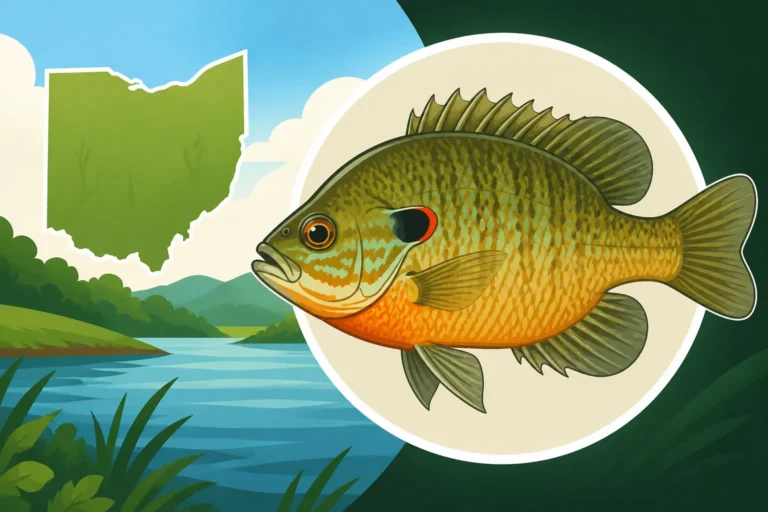
While both Largemouth Bass and Bluegill call the same pond home, they often utilize different parts of it, or the same parts at different times, creating interesting fishing scenarios. Bluegill, especially the younger ones, tend to prefer shallow, weedy areas. These dense aquatic plants offer refuge from predators, a place to find insects and small invertebrates, and warmer water for spawning. You'll often find them schooling in these areas, darting among lily pads or submerged grasses.
Largemouth Bass, on the other hand, are ambush predators. While they will cruise open water, they absolutely love structure: fallen trees, brush piles, docks, rock piles, and patches of thick aquatic vegetation. These features provide cover for them to hide, allowing them to wait patiently for an unsuspecting bluegill (or another baitfish) to swim by. However, bass aren't solely deep-water dwellers. During spawning season or prime feeding times, they will move into shallower areas, often right alongside the bluegill, leading to exciting encounters. This overlap in habitat preference, combined with their differing needs, allows both species to carve out their niches within the same body of water.
The Food Web Connection
Understanding what each species eats truly solidifies why they are such a perfect pairing. Bluegill are opportunistic feeders with a varied diet. They primarily consume aquatic insects, insect larvae, small crustaceans, and even some plant matter. If you've ever seen bluegill nibbling at algae on a submerged log, you know they're not picky eaters! Their role at the lower end of the food chain makes them an ideal energy transfer mechanism.
Largemouth Bass, especially as they grow larger, become apex predators within the pond. While they'll eat crayfish, frogs, and even small ducks, their primary diet often consists of fish – and smaller bluegill are high on their menu. This is the crucial link: bluegill convert the pond's insect life and other small organisms into protein, which then fuels the growth of the bass. Without this constant supply of readily available bluegill, bass growth would slow significantly, and the pond's overall health would suffer. It's a testament to the efficiency of natural ecosystems.
Managing Your Ohio Pond for Optimal Coexistence
So, you understand why they go together. Now, how do you make sure they stay together and thrive in your own Ohio pond? It's not always as simple as tossing some fish in and hoping for the best. Pond management is an ongoing process, and the goal is to create a sustainable, balanced fishery that provides consistent angling enjoyment.
Stocking Strategies for a Balanced Fishery
One of the biggest mistakes pond owners make is improper stocking. It's easy to get excited and just dump a bunch of fish in, but without the right ratios, you'll quickly run into problems. For a healthy bass-bluegill pond, the initial stocking is critical. A general guideline is to stock bluegill first, allowing them to establish a strong forage base before introducing bass. Many experts recommend stocking bluegill at a higher ratio than bass – for example, several hundred bluegill fingerlings per acre, followed by a smaller number of bass fingerlings (perhaps 50-100 per acre) several months later. This gives the bluegill a head start and ensures there’s plenty of food when the bass are introduced.
If you introduce too many bass, they'll quickly decimate the bluegill population, leading to stunted bass due to lack of food. Conversely, if you don't stock enough bass, the bluegill will overpopulate, and you'll end up with a pond full of tiny bluegill that aren't fun to catch. It's a delicate balancing act that often requires consultation with a local fisheries biologist or reputable pond management company. They can provide advice tailored to your pond's specific size, depth, and existing conditions.
Habitat Enhancement for Both Species
A healthy pond isn't just about the fish; it's about the entire ecosystem. Providing diverse habitat is key to sustaining both bass and bluegill. For bluegill, shallow, vegetated areas are crucial for spawning and protecting their young. This can mean encouraging certain types of native aquatic plants (though managing invasive species is also important) or even sinking Christmas trees or constructed brush piles in shallower water to create cover. These "bluegill condos" offer security and attract the insects they feed on.
For Largemouth Bass, deeper structure is paramount for ambush points and resting areas. Old culverts, rock piles, discarded pallets, or even specially designed fish habitat structures can be placed in deeper sections of the pond. These provide ideal hunting grounds for bass. Remember, a pond with uniform depth and no cover will struggle to hold a healthy population of either species. When considering what you can and can't do in terms of modifying your pond, it’s always a good idea to be aware of broader regulations, even if they don't apply directly to private ponds. Information such as Ohio Fishing License Guide for Residents and Nonresidents or Ohio Fishing Regulations Every Angler Should Know can provide valuable context on responsible angling practices that often overlap with good pond management principles.
Harvesting for Health
This is perhaps the most overlooked, yet vital, aspect of pond management. Many pond owners are hesitant to harvest their fish, thinking it will deplete their stock. However, selective harvesting is absolutely essential for maintaining a balanced bass-bluegill fishery.
For bluegill, the goal is often to remove a significant number of smaller fish. By removing the runts, you reduce competition for food, allowing the remaining bluegill to grow larger. Many experts recommend heavily harvesting bluegill under a certain size to promote the growth of trophy-sized panfish. For bass, the strategy is usually the opposite: you want to remove some of the smaller, "hammer-handle" bass (those in the 10-14 inch range) to prevent them from eating all the bluegill and becoming stunted themselves. Keeping some of the larger, healthier bass can be beneficial, as they are often the most effective predators for controlling the bluegill population.
It’s tricky, because what's "correct" varies by pond. If you have an overabundance of small bluegill, you might harvest dozens of them. If your bass are thin and sickly, you might need to remove some of the smaller bass to give the bigger ones more food. The key is to monitor your fish populations. Are your bluegill consistently small? Are your bass skinny? These are signs you need to adjust your harvesting strategy. While private ponds often have different rules than public waters, reviewing resources like Ohio Statewide Bag and Size Limits can offer insights into how fisheries biologists manage populations on a larger scale, which can inspire your own pond management.
Common Challenges and How to Address Them
Even with the best intentions, pond management can throw curveballs. It's a living, breathing ecosystem, and issues can arise. Understanding these common challenges will help you troubleshoot and keep your bass and bluegill flourishing.
Overpopulation of Stunted Bluegill
This is arguably the most common problem in Ohio ponds. You go out to fish, and all you catch are tiny bluegill, barely big enough to put on a hook. This usually happens because there aren't enough bass (or other predators) to keep their numbers in check. With an abundance of food and no one eating them, bluegill reproduce at an incredible rate. The result is thousands of small bluegill all competing for the same limited food resources, leading to poor growth for everyone.
To combat this, you need to increase predation pressure. This might involve stocking more Largemouth Bass of a size that can effectively eat the stunted bluegill. Alternatively, aggressive harvesting of the smaller bluegill yourself can help. Some pond owners even resort to temporary measures like electrofishing or pond shocking (always done by professionals) to thin out populations quickly. Another less invasive method is to fish for bluegill actively and often, keeping all legal-sized fish to reduce their numbers.
Poor Bass Growth and Reproduction
On the flip side, sometimes the bass aren't doing well. You might catch a lot of bass, but they're all skinny, long, and don't have that healthy, chunky appearance. This often signals a lack of adequate forage – meaning, not enough bluegill or other baitfish for them to eat. If bass don't have enough food, they won't grow large or reproduce effectively.
Addressing this means ensuring a robust bluegill population. This might involve reducing your bass harvest (especially larger bass), adding more bluegill, or improving overall pond fertility to boost the entire food web. Sometimes, poor water quality can also contribute to unhealthy bass. Issues like low oxygen levels or excessive ammonia can stress fish, making them less likely to grow or reproduce. Regularly checking your pond's water quality and addressing any imbalances is key.
The Impact of Water Quality and Aquatic Plants
Water quality is the foundation of a healthy pond, impacting both bass and bluegill. Factors like pH, oxygen levels, nutrient load, and temperature are all critical. Too many nutrients (often from agricultural runoff or excessive fertilization) can lead to algal blooms, which deplete oxygen when they die off, potentially causing fish kills. Insufficient oxygen is lethal for both species. Aerators can be a good investment for ponds with chronic low oxygen issues.
Aquatic plants also play a complex role. While some vegetation is vital for bluegill cover and overall pond health, too much can be detrimental. Excessive weed growth can make fishing impossible, create oxygen issues, and even make it harder for bass to effectively hunt bluegill, exacerbating stunting problems. Managing aquatic plants can involve mechanical removal, biological controls (like grass carp, where legal), or targeted herbicides. Many pond owners look for reliable tools and products for pond maintenance, and platforms like Amazon often carry various pond test kits, beneficial bacteria, or aeration systems that can help maintain a healthy aquatic environment.
Gear and Techniques for Catching Both Species
One of the great joys of a bass-bluegill pond is that you can often catch both species on the same outing, sometimes even with similar gear. While dedicated setups help, both are accessible targets for anglers of all skill levels.
Bluegill Fishing for Fun and Forage
Catching bluegill is a fantastic way to introduce kids to fishing, and it's also a vital part of pond management. You don't need fancy gear. A simple ultralight spinning combo with 2-4 pound test line is perfect. Small hooks (size 8 or 10) are ideal, tipped with live bait like a piece of worm, a cricket, or a mealworm. Small jigs, grubs, or flies under a bobber also work wonders.
Focus your efforts around submerged vegetation, docks, and brush piles in shallower water. Bluegill are often in schools, so where you catch one, you'll likely catch more. Remember, consistently removing smaller bluegill is a healthy practice for the pond, so don't hesitate to keep a few for a delicious meal! Finding a durable, yet affordable, ultralight spinning rod and reel combo that won't break the bank is easy these days, with many great options available on websites like Amazon, often bundled with a small tackle kit.
Bass Fishing Strategies in Ponds
Largemouth Bass in ponds can be surprisingly challenging and rewarding. They respond well to a variety of lures and baits. For artificials, consider soft plastic worms (Texas-rigged or wacky-rigged), spinnerbaits, chatterbaits, and crankbaits. Topwater lures like poppers or frogs can be incredibly exciting in shallow, weedy areas, especially during low-light conditions. Live bait, such as shiners or even a large bluegill (where legal), can also be highly effective for bigger bass.
When targeting bass, focus on structure. Cast your lures close to fallen trees, under docks, along weed lines, or near any submerged cover you've added. Bass will often strike right as your lure hits the water or immediately after it settles near cover. A medium to medium-heavy action rod with 8-15 pound test fluorocarbon or monofilament line is a versatile setup for most pond bass fishing. You can find detailed strategies for bass in articles like Best Techniques for Ohio Largemouth Bass.
Equipment Considerations
Having the right gear makes a difference, but you don't need to break the bank.
For Bluegill:
- Rod & Reel: Ultralight spinning combo (5-6 feet)
- Line: 2-4 lb monofilament or fluorocarbon
- Hooks: Size 8-10 Aberdeen or baitholder hooks
- Baits: Worms, crickets, mealworms, small waxworms, small jigs (1/32 to 1/16 oz), tiny soft plastic grubs
- Other: Small bobbers, split shot weights
For Largemouth Bass:
- Rod & Reel: Medium to medium-heavy spinning or baitcasting combo (6'6" – 7'3")
- Line: 8-15 lb monofilament or fluorocarbon; braided line (20-30 lb) with a fluorocarbon leader is also popular for heavier cover.
- Lures: Soft plastic worms (e.g., senkos, trick worms), spinnerbaits (1/4 to 1/2 oz), crankbaits, topwater frogs/poppers, jigs (1/4 to 1/2 oz).
- Baits: Large shiners, worms, or other live bait (check local regulations for baitfish use).
A versatile tackle box with a good selection of these items will serve you well. Many anglers build up their collection by looking through reviews and deals online, with platforms like Amazon offering a wide array of options for everything from fishing line to specialized lures. You can also get more general advice in our Best Ohio Fishing Gear and Tackle Guide. Remember, the goal is to enjoy the process, and whether you're targeting a feisty bluegill or a trophy bass, the dual presence of these species in your Ohio pond makes for endless angling possibilities.
Disclaimer
This article is for general informational purposes only and does not constitute professional advice. Laws, prices and regulations vary by location and change over time. Consult a qualified professional for guidance on your specific situation.