Do Ohio Lakes Have Redear Sunfish?
It can be frustrating when you hear about a fantastic fish species like the Redear Sunfish, known for its strong fight and delicious fillets, only to wonder if they even exist in your home state. Many Ohio anglers are curious if these "shellcrackers" grace our waters, and if so, where to find them and how to tell them apart from their more common sunfish cousins. This guide aims to clear up that confusion, diving deep into the presence of Redear Sunfish in Ohio, what makes them unique, and how you can target them effectively.
Understanding the Redear Sunfish: A Distinctive Panfish
The Redear Sunfish, often affectionately called a "shellcracker" or "stumpknocker," holds a special place in the hearts of panfish enthusiasts. They’re renowned for their size potential compared to other sunfish and their unique dietary habits. But what exactly sets them apart, and why are they so sought after?
Key Identification Features of a Redear Sunfish
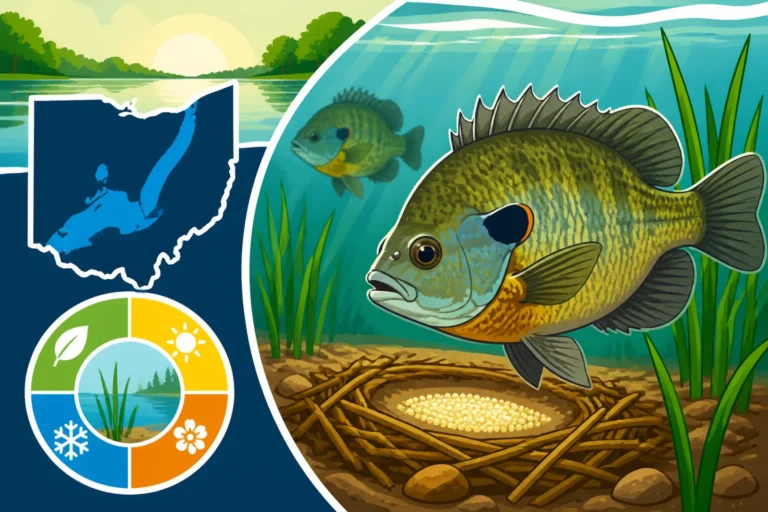
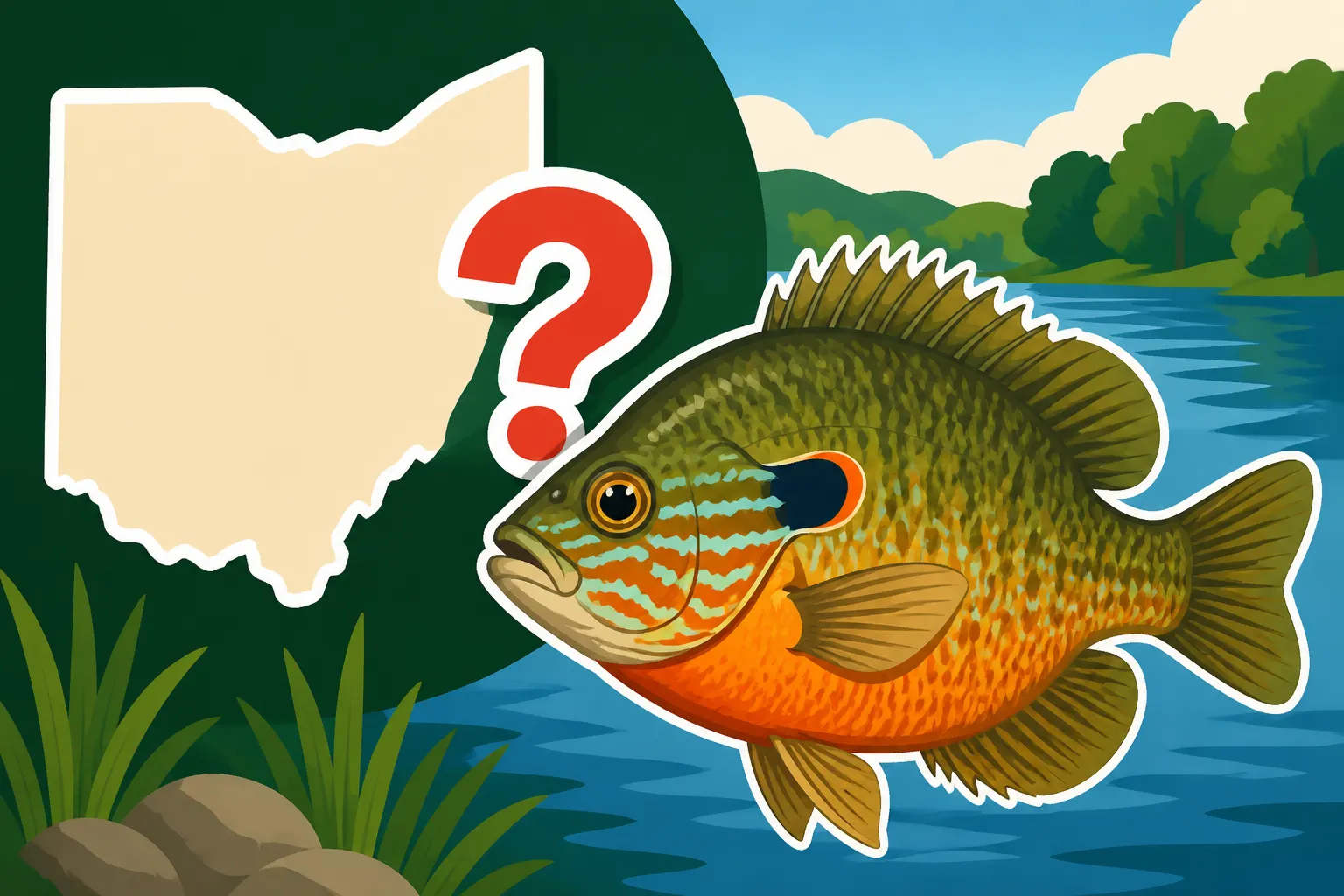
When you're out on the water, especially in a lake that might hold a variety of panfish, it's easy to confuse different sunfish species. However, the Redear has some distinct markings that, once you know them, make identification much simpler. The most obvious, and the source of its common name, is the prominent red or orange margin on the opercular flap (the "ear" flap) of the male fish. Females typically have a duller, more orange or yellowish margin, but it’s still noticeable. This is a key differentiator from the all-black ear flap of a bluegill or the often spotty, less defined flap of a green sunfish.
Beyond the ear flap, look for a more compressed, disc-like body shape, similar to a bluegill, but often appearing a bit thicker. They also tend to have fewer vertical bars on their sides than some other sunfish, often appearing more uniformly colored, ranging from olive green to yellowish on their sides, with a lighter belly. Another subtle but crucial clue lies in their mouth. Redear Sunfish have a relatively small mouth, and inside, they possess specialized crushing plates in their throat, which is directly related to their feeding habits. This physiological trait is why they earn the "shellcracker" moniker. When you're trying to identify different panfish, remember these details. You might also find our Ohio Panfish Identification Guide helpful in distinguishing between species.
What Makes Redear Sunfish So Special?
The allure of the Redear Sunfish isn't just their handsome appearance; it's also their fighting spirit and their diet. Unlike bluegill, which primarily feed on insects and small crustaceans, Redear Sunfish are specialized mollusk eaters. They use those crushing plates in their throat to break down the shells of snails, mussels, and other bottom-dwelling invertebrates. This unique diet often means they grow larger and can offer a more robust fight on light tackle. Anglers love the challenge of finding these fish, which tend to inhabit deeper, clearer water with ample weed beds and hard bottoms where their preferred food sources thrive. They are also known for putting up a spirited battle, often bulldogging deep, making them a thrilling catch on appropriate gear.
Their larger average size also contributes to their popularity. While bluegill are fantastic, catching a "slab" Redear Sunfish can feel like a true trophy panfish experience. Plus, like most sunfish, they are excellent table fare, offering sweet, flaky white meat.
The Presence of Redear Sunfish in Ohio's Waters
Now for the burning question: can you actually find Redear Sunfish in Ohio? The good news is, yes, they are present in various Ohio lakes! While perhaps not as widespread as bluegill or crappie, the Ohio Department of Natural Resources (ODNR) Division of Wildlife has introduced and managed Redear Sunfish populations in a number of impoundments across the state. They've recognized the value of this species for recreational fishing and ecological balance.
Where to Find Redear Sunfish in Ohio
Redear Sunfish typically prefer clear, warm water with plenty of submerged vegetation, brush piles, or stump fields, along with firm, sandy, or gravelly bottoms. These habitats provide both cover and the mollusks they love to eat. You're not going to find them in every muddy creek or small farm pond, but they thrive in many of our larger reservoirs and state park lakes that fit this description.
Some of the notable lakes where Redear Sunfish have been stocked and maintain healthy populations include:
- Piedmont Lake: Known for its clear waters and excellent panfish opportunities, Piedmont has a reputation for producing quality Redear. Fishing Piedmont Lake for Muskie also offers great action, but don't overlook the panfish here.
- Caesar Creek Lake: This large southwest Ohio lake offers diverse habitats, and Redear Sunfish can be found particularly in areas with aquatic vegetation. Caesar Creek Lake Saugeye Fishing is popular, but these areas can also hold good Redear.
- Indian Lake: A popular destination in western Ohio, Indian Lake's shallow, weedy areas and diverse structure make it suitable for Redear. Keep an eye on local fishing reports for specific hotspots.
- Lake Loramie: Similar to Indian Lake, Lake Loramie offers ample vegetation and a good environment for sunfish species, including Redear.
- Other smaller state park lakes and reservoirs: Many other smaller lakes managed by the ODNR may also contain Redear Sunfish, often as part of a balanced panfish stocking program. It's always a good idea to check the specific fishing regulations and stocking reports for any lake you plan to visit.
It's important to remember that while these lakes have Redear Sunfish, finding them still requires a bit of detective work and understanding their preferred haunts. They often congregate in areas adjacent to drop-offs, along the edges of weed lines, or near woody cover, especially where there's a hard bottom for feeding.
Stocking Efforts and Population Management
The presence of Redear Sunfish in Ohio is largely due to strategic stocking efforts. The ODNR Division of Wildlife often introduces these fish to create or enhance panfish fisheries. They monitor populations through surveys, assessing growth rates and overall health to ensure sustainable fishing opportunities. These efforts are crucial for maintaining diverse fisheries and providing anglers with a variety of species to target. While Bluegill and Crappie are usually the stars of the panfish show, the Redear Sunfish offers a different challenge and a rewarding catch. This active management makes a real difference in your chances of catching quality fish.
How to Find and Fish for Redear Sunfish in Ohio
Catching Redear Sunfish can be incredibly rewarding, but it often requires a slightly different approach than targeting bluegill. Their unique diet and habitat preferences mean you need to adjust your tactics.
Best Baits and Lures for Redear Sunfish
Given their "shellcracker" nickname, it’s no surprise that natural baits mimicking their favorite food sources are often the most effective.
- Worms and Nightcrawlers: Small pieces of nightcrawler or redworms are incredibly effective. Their natural scent and movement are irresistible to Redear. When presenting, use a small hook (size 8 or 10) and a light split shot to get it to the bottom.
- Crustaceans: Small pieces of shrimp or even small crayfish pieces can work well, especially if you know there's a good population of invertebrates in the lake.
- Prepared Baits: Some anglers have success with commercially available "dough" baits or scented artificial baits specifically designed for panfish, especially those with a strong garlic or cheese scent.
- Tiny Jigs and Grubs: While they prefer natural bait, small jigs tipped with a wax worm, a piece of gulp bait, or a small soft plastic grub can entice a bite. Think micro-jigs in sizes 1/32 to 1/16 ounce. Colors like brown, black, olive, or even chartreuse can be effective. Remember, the presentation needs to be subtle and close to the bottom.
Effective Fishing Techniques for Redear Sunfish
The key to catching Redear Sunfish is often understanding their bottom-feeding habits and their preference for structure.
- Bottom Fishing with a Slip Bobber: A slip bobber rig allows you to present your bait right on the bottom, or just slightly above it, without having to use a lot of weight. This is perfect for fishing over weed beds or around submerged timber. Set your bobber stop so your bait is exactly at the depth of the bottom or a few inches off.
- Slow Retrieval with Jigs: If you’re using jigs, a very slow, subtle retrieve along the bottom is best. Imagine a snail crawling – that’s the pace you want. A slight twitch now and then can add appeal.
- Focus on Submerged Structure: Target areas with dense submerged vegetation, brush piles, fallen trees, or rocky points. Redear love to hug these structures where they can find food and cover. Use a good fish finder to locate these hidden gems, or simply observe the shoreline for clues of underwater features. Pay particular attention to weed lines where they meet a sharp drop-off.
- Timing is Everything: Redear Sunfish, like many panfish, can be more active during certain times of the year and day. Spring, particularly during their spawning period when they move into shallower water, can be fantastic. Later spring and early summer mornings and evenings are often prime times. You might also find them active in the cooler parts of the fall. To maximize your chances, understanding the Best Time of Day to Fish in Ohio and overall Ohio Fishing Season Calendar can really help.
Essential Gear for Redear Sunfish
You don't need heavy-duty equipment to tackle Redear Sunfish. In fact, light tackle enhances the experience and makes the fight even more exciting.
- Ultralight Rod and Reel Combo: A 5-foot to 6-foot ultralight spinning rod paired with a small spinning reel (500 or 1000 size) spooled with 2-4 pound test monofilament or fluorocarbon line is ideal. This setup allows for sensitive feel and long, accurate casts with light baits.
- Small Hooks and Sinkers: As mentioned, size 8 or 10 Aberdeen or baitholder hooks are perfect. Use small split shot sinkers, just enough to get your bait down.
- Bobbers: A small, sensitive slip bobber or even a fixed float will help you detect those subtle bites.
- Long-nose Pliers or Hemostats: These are invaluable for safely removing hooks from smaller fish, especially when practicing catch and release.
Comparing Redear Sunfish to Other Ohio Panfish
One of the biggest challenges for anglers is accurately identifying their catch, especially when it comes to panfish. While the Redear has its distinct "ear" flap, it's easy to mistake it for other common species like bluegill or even crappie, especially for beginner anglers.
Redear vs. Bluegill: Spotting the Differences
The bluegill is arguably the most common and recognizable sunfish in Ohio. Here’s a quick comparison to help you tell them apart from Redear Sunfish:
| Feature | Redear Sunfish | Bluegill |
|---|---|---|
| Opercular Flap | Red or orange margin (brightest on males) | Solid black, no distinct colored margin |
| Body Shape | Deep-bodied, disc-like, often appears thicker | Deep-bodied, very compressed, typically thinner |
| Mouth Size | Relatively small mouth | Small, upturned mouth |
| Diet | Primarily snails, mussels, bottom invertebrates | Insects, small crustaceans, some aquatic vegetation |
| Coloration | Olive green to yellowish, often less pronounced bars | Olive green to dark blue/purple, often with distinct vertical bars |
| Pectoral Fin | Shorter, rounded | Long and pointed |
As you can see, the ear flap is your go-to indicator. If it's got a red or orange trim, you're likely holding a Redear. For a deeper dive into bluegill characteristics, check out Ohio Bluegill and Sunfish Identification.
Redear vs. Crappie: Not as Similar as You Might Think
While both are popular panfish, Redear Sunfish and crappie are quite different, though an inexperienced eye might group them. Here's what to look for:
- Body Shape: Crappie (both white and black) have a much more elongated, slab-sided body compared to the rounder, deeper-bodied sunfish.
- Mouth: Crappie have a much larger, more protrusive mouth, capable of engulfing baitfish. Redear have a small, terminal mouth.
- Dorsal Fin: Crappie have two distinct dorsal fins, one spiny and one soft-rayed, often appearing almost separated. Sunfish, including Redear, have a single, continuous dorsal fin, although it's divided into spiny and soft-rayed sections.
- Coloration: Crappie are silvery with distinct black speckles (black crappie) or vertical bars (white crappie). Redear have the more subdued, often olive or yellowish tones, with the distinct ear flap.
Understanding these distinctions will not only help you identify your catch but also refine your fishing approach. Crappie often suspend and chase baitfish, while Redear are typically bottom-oriented mollusk eaters. If you're keen on learning more about crappie, our Ohio White Crappie vs Black Crappie guide is an excellent resource.
So, the next time you're casting your line in a clear Ohio lake with plenty of vegetation, keep an eye out for that distinctive red ear. You might just hook into one of Ohio's fantastic "shellcrackers" and experience the thrill of landing a truly special panfish.
Disclaimer
This article is for general informational purposes only and does not constitute professional advice. Laws, prices and regulations vary by location and change over time. Consult a qualified professional for guidance on your specific situation.