What a Redear Sunfish Is
It's easy to overlook some of the fantastic panfish swimming in Ohio's waters, especially when they share similarities with their more famous cousins. Many anglers, even seasoned ones, might net a fish they assume is just another bluegill, missing out on the distinct pleasure of catching a feisty Redear Sunfish. This guide is here to shed light on exactly what a Redear Sunfish is, why it's a unique and rewarding target, and where you can find these "shellcrackers" across the Buckeye State.
Understanding the Ohio Redear Sunfish: More Than Just a Bluegill Look-Alike
Let's face it, the world of sunfish can get a little blurry. You've got bluegills, green sunfish, pumpkinseeds, and then there's the Redear. But once you know what to look for, the Redear Sunfish truly stands out, both in appearance and in its habits. It’s a wonderful species that adds a lot of excitement to any Ohio angler’s day.
Distinguishing Features and Appearance
At first glance, a Redear Sunfish might indeed resemble a bluegill, especially younger ones. Both have that classic panfish, disc-shaped body. However, the Redear has some key identifying marks that set it apart. Its overall coloration tends to be more subdued than a vibrant bluegill, often a greenish-brown to olive on the back fading to lighter sides, with a yellowish or whitish belly. You might notice some faint vertical bars or spots along its sides, but these are generally less pronounced than on a bluegill.
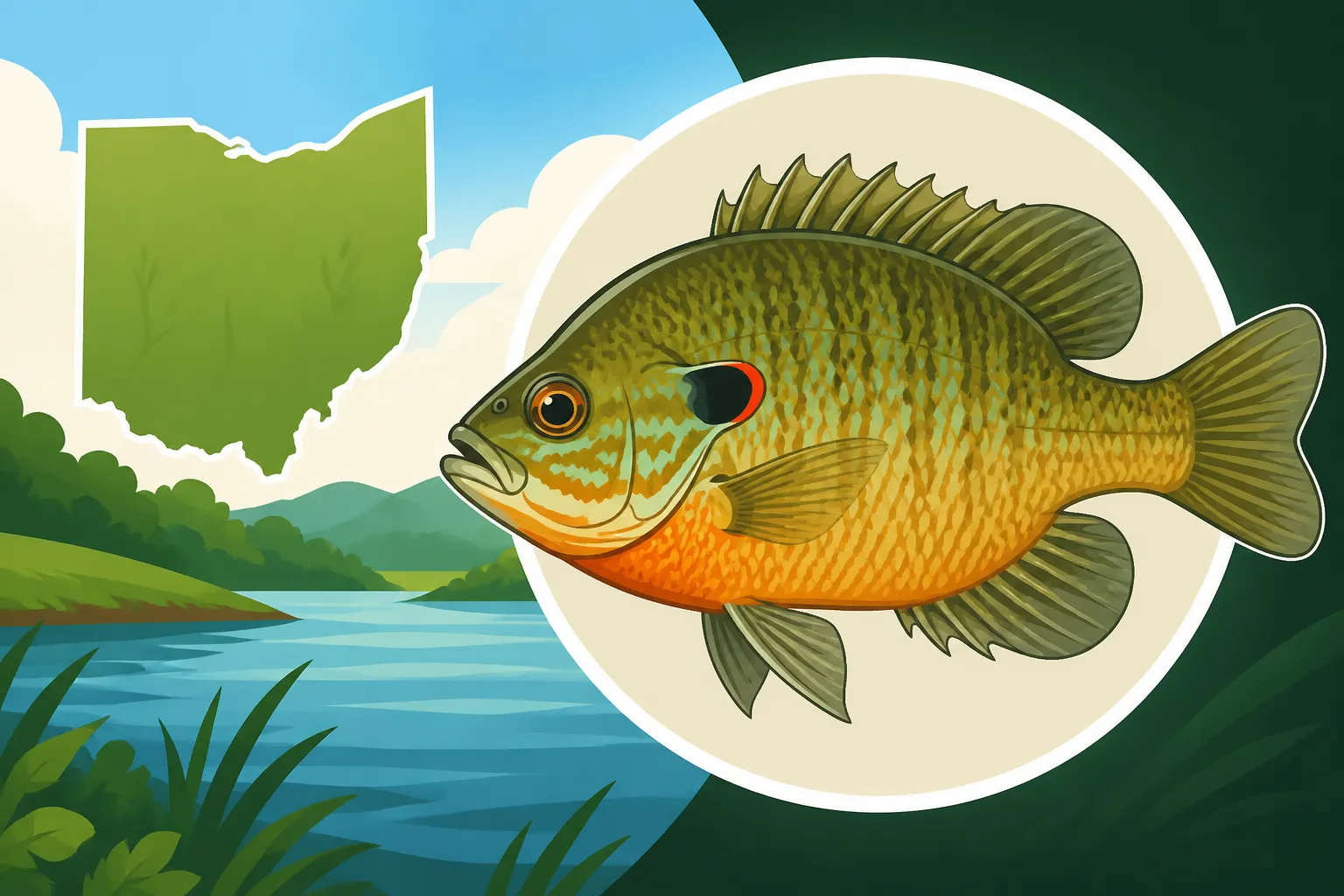
The absolute tell-tale sign, and the feature that gives the fish its common name, is the opercular (gill) flap. On an adult Redear Sunfish, particularly the males during spawning, you'll see a distinct red or orange margin around the edge of this flap. It's often a bright, almost fiery red, and it truly makes the fish pop. Unlike bluegills, which usually have a solid black or dark blue flap, the Redear's colorful trim is unmistakable. Their mouths are also typically smaller than a bluegill's, and their pectoral fins are usually longer and more pointed. When you hold one up next to a bluegill, the differences become quite clear. Many anglers are surprised by the sheer size these fish can reach, often growing larger and heavier than the average bluegill in the same waters, making for a truly impressive catch on light tackle. For a broader perspective on panfish, check out our Ohio Panfish Identification Guide.
Common Names and Why "Shellcracker" Fits
While "Redear Sunfish" is the official moniker, you'll often hear anglers in Ohio, and across the South where they're incredibly popular, refer to them as "shellcrackers." This isn't just a catchy nickname; it directly describes a fascinating aspect of their diet and anatomy. Redear Sunfish possess specialized bony plates in their throat, called pharyngeal teeth, which are incredibly strong. They use these "teeth" to crush the shells of snails, clams, and other aquatic invertebrates. Imagine a fish that actively seeks out and crunches through shells!
This unique feeding habit makes them invaluable in some ecosystems, helping to control snail populations. It also influences where you're likely to find them, as they gravitate towards areas with abundant shelled prey. When you're out fishing and aiming for these specific critters, knowing their diet helps you choose the right spots and baits. The "shellcracker" nickname is not just cute; it's a vital clue to understanding this species. Understanding the differences between various sunfish species can be a fun challenge, and you might find more helpful comparisons in Difference Between Bluegill and Sunfish.
Where to Find Ohio's Redear Sunfish
Knowing what a Redear Sunfish looks like is one thing, but knowing where to cast your line for them is the real trick. Luckily, Ohio has plenty of waters where these robust panfish thrive, offering excellent opportunities for anglers seeking a unique and enjoyable catch.
Preferred Habitats and Bottom Structure
Redear Sunfish tend to prefer clear, warm water with plenty of submerged vegetation, brush piles, or stump fields that provide cover and hold food sources. However, their "shellcracker" diet means they have a particular fondness for hard bottom structures. While a bluegill might be happy cruising through thick weeds, a Redear will often be found rooting around gravel beds, shell beds, or firm, sandy bottoms where snails and other mollusks are abundant. They're not exclusively bottom feeders, but they certainly spend a good deal of their time foraging there.
You’ll often find them in relatively shallow waters, from just a few feet deep out to maybe 10-15 feet, depending on the time of year and water clarity. Look for areas with a mix of structure: a weed line that transitions into a gravel point, or a sandy flat dotted with scattered logs and submerged stumps. Many of Ohio's public lakes and reservoirs, especially those with good water clarity and diverse bottom content, can hold good populations of Redear. They are also common residents in Ohio's Farm Ponds and Small Lakes, often growing to impressive sizes in these smaller, less pressured environments. Places like Delaware Lake, Kiser Lake, or even some larger state park lakes will often have populations of Redear Sunfish waiting to be discovered.
Spawning Habits and Best Times to Target Them
Like other sunfish, Redear are colonial spawners, meaning they'll gather in groups to create nests in close proximity to each other. This behavior makes them much easier to locate during their spawning season. In Ohio, Redear Sunfish typically begin spawning in late spring to early summer, usually when water temperatures reach the upper 60s Fahrenheit. This often coincides with or slightly follows the bluegill spawn. You might find them creating their dish-shaped nests in water anywhere from one to six feet deep, often in those favored hard-bottomed areas near protective cover.
During this period, male Redear will guard the nests aggressively, making them highly susceptible to anglers. This is prime time to target them, as they're congregated and actively protecting their territory. However, you can catch them throughout the warmer months. After the spawn, they'll often retreat to slightly deeper water or denser cover, but they remain active feeders. Early mornings and late evenings are generally the best times, though overcast days can keep them active longer. Pay attention to local fishing reports or talk to bait shop owners; they often have great insights into when the panfish, including Redear, are on their beds in specific lakes. For more details on sunfish spawning, our guide When Bluegill Spawn in Ohio provides a good framework that applies broadly to many sunfish species.
Tackle and Techniques for Catching Redear Sunfish in Ohio
Catching Redear Sunfish is an absolute blast, especially if you dial in your gear and tactics to match their unique feeding habits. They might not be the biggest fish in the lake, but on appropriate tackle, they put up a surprisingly strong fight.
Light Tackle and Simple Rigs
The key to maximizing the fun and success with Redear Sunfish is to use light or ultralight tackle. A good quality ultralight spinning rod, perhaps 5 to 6 feet long with a fast action, paired with a small spinning reel (size 500-1000) spooled with 4-6 pound test monofilament or fluorocarbon line, is absolutely perfect. This setup allows you to feel even the lightest bites and truly enjoy the fight of these strong panfish. For a great selection of reliable gear, you can often find excellent ultralight combos on platforms like Amazon, offering a wide range of options to fit your budget and preference.
Simple rigs are almost always the most effective. A small bobber (fixed or slip-bobber, depending on depth) set to suspend your bait just off the bottom is a classic choice. Below the bobber, use a small split shot or two to get your bait down, followed by a small, sharp hook. Size 6 or 8 Aberdeen or baitholder hooks are ideal for their small mouths. Another effective rig is a simple bottom rig: a small sinker (like an egg sinker or split shot) above a swivel, with a 6-12 inch leader tied to your hook. This keeps your bait directly on or just above the bottom, right where those shellcrackers are foraging. Don't overthink it; simplicity often wins with panfish. For more ideas on general fishing gear, check out our Best Ohio Fishing Gear and Tackle Guide.
Best Baits and Lures for Shellcrackers
Given their diet of snails and other invertebrates, live bait is almost always king for Redear Sunfish. Worms are probably the most consistent producer. Redworms, small pieces of nightcrawler, or even mealworms and waxworms threaded onto a small hook are irresistible to them. Crickets are another fantastic choice, especially when fished under a bobber near submerged cover. Remember, these fish are looking for easy meals on the bottom, so presenting your live bait strategically is crucial. You might find a wide variety of live bait options available from local bait shops, or even through various online retailers like Amazon if you're looking for specific types of worms or artificial alternatives for your tackle box.
While live bait often outperforms artificials, don't shy away from tiny lures. Small jigheads (1/32 to 1/16 ounce) tipped with micro-plastic grubs, tubes, or creature baits can be very effective, especially when slowly retrieved or hopped along the bottom. Colors like chartreuse, white, or natural tones often work well. Tiny spinnerbaits or even mini crankbaits can occasionally tempt larger Redear. The key is to fish slowly and thoroughly, particularly in those hard-bottomed areas near cover. Sometimes, the same baits and techniques that work for crappie will also entice Redear, so consider our guide on Best Baits for Ohio Crappie for additional ideas.
Why Redear Sunfish are a Great Catch for Ohio Anglers
Beyond the technical aspects of identifying and catching them, Redear Sunfish offer a fulfilling experience for anglers of all ages and skill levels. They truly embody what's great about panfishing in Ohio.
Fight, Flavor, and Family Fun
One of the most appealing aspects of Redear Sunfish is the fight they put up. For a panfish, they are surprisingly strong and stubborn. When hooked on ultralight tackle, they'll pull hard, make quick runs, and really test your finesse. It's not uncommon to think you've hooked a much larger fish, only to find a hefty shellcracker at the end of your line. This feisty nature makes them incredibly rewarding to catch.
And when it comes to table fare, Redear are often considered among the best-tasting panfish. Their diet of crustaceans and mollusks is thought by some to give their meat a firmer texture and a clean, sweet flavor. They have beautiful, flaky white meat that is excellent fried, baked, or grilled. If you're looking to fill a cooler with delicious fillets, Redear Sunfish are a fantastic choice. Finally, they are a phenomenal species for family fishing outings. They are generally abundant, eager biters, and relatively easy to catch, making them perfect for introducing kids to the joys of fishing. There’s nothing quite like seeing a child's face light up as they reel in their first "big" sunfish. Ohio has many fantastic spots for a family day on the water, and Redear are often a main attraction. You can find more information on great family spots in Best Ohio Lakes for Family-Friendly Fishing.
Conservation and Management in Ohio
Like all fish species in Ohio, Redear Sunfish are part of a delicately balanced ecosystem, and their populations are managed to ensure healthy fisheries for future generations. While they are not typically subject to highly restrictive regulations like some of Ohio's trophy species, it's always important to be aware of and abide by the statewide and specific lake regulations regarding panfish. This includes daily bag limits and sometimes even size limits, though the latter is less common for Redear. The Ohio Department of Natural Resources (ODNR) works diligently to monitor panfish populations and implement rules that promote sustainable fishing. You can always consult the current Ohio Statewide Bag and Size Limits or more specific panfish rules like Crappie and Panfish Daily Limits before you head out.
Practicing responsible angling means knowing the rules and making conscious decisions about what you keep and what you release. While Redear Sunfish are excellent for the frying pan, selective harvesting ensures that healthy populations remain. Consider releasing the largest breeders, especially during the spawn, to help maintain the genetic quality and future productivity of the fishery. These fish play an important role in the food chain, both as consumers of snails and as prey for larger game fish. Understanding and appreciating their place in the aquatic environment only adds to the enjoyment of pursuing them. Many of Ohio's various ponds, including those listed in Fish Species Living in Ohio Farm Ponds, benefit from healthy Redear populations.
| Feature | Redear Sunfish (Shellcracker) | Bluegill | Green Sunfish |
|---|---|---|---|
| Opercular Flap | Dark with a distinct red/orange margin | Solid black/dark blue | Dark with a light, often yellowish, margin |
| Mouth Size | Smaller, more pointed | Medium, often slightly upturned | Larger, extends past middle of eye |
| Body Shape | Deep, compressed, similar to Bluegill | Deep, very compressed | Stockier, less compressed, more oblong |
| Coloration | Greenish-brown to olive, sometimes faint bars/spots | Dark olive to bluish, distinct vertical bars | Dark olive to green with bright blue spots/streaks |
| Diet Preference | Snails, mollusks, insects | Insects, small crustaceans, some vegetation | Insects, small fish, anything they can fit in their mouth |
| Typical Habitat | Clear water, hard bottom, moderate vegetation | Clear to turbid water, various cover | Turbid water, rocky banks, culverts, brush |
| Max Size | Can exceed 1 pound, often larger than Bluegill | Rarely exceeds 1 pound | Usually smaller than Bluegill |
Disclaimer
This article is for general informational purposes only and does not constitute professional advice. Laws, prices and regulations vary by location and change over time. Consult a qualified professional for guidance on your specific situation.