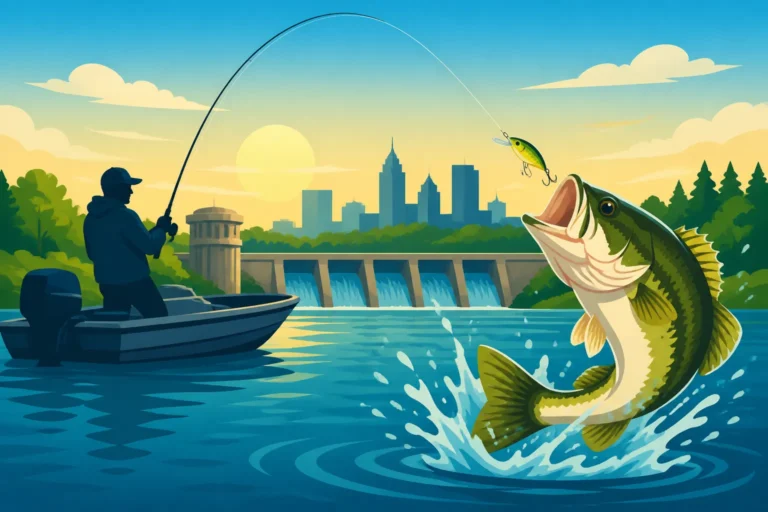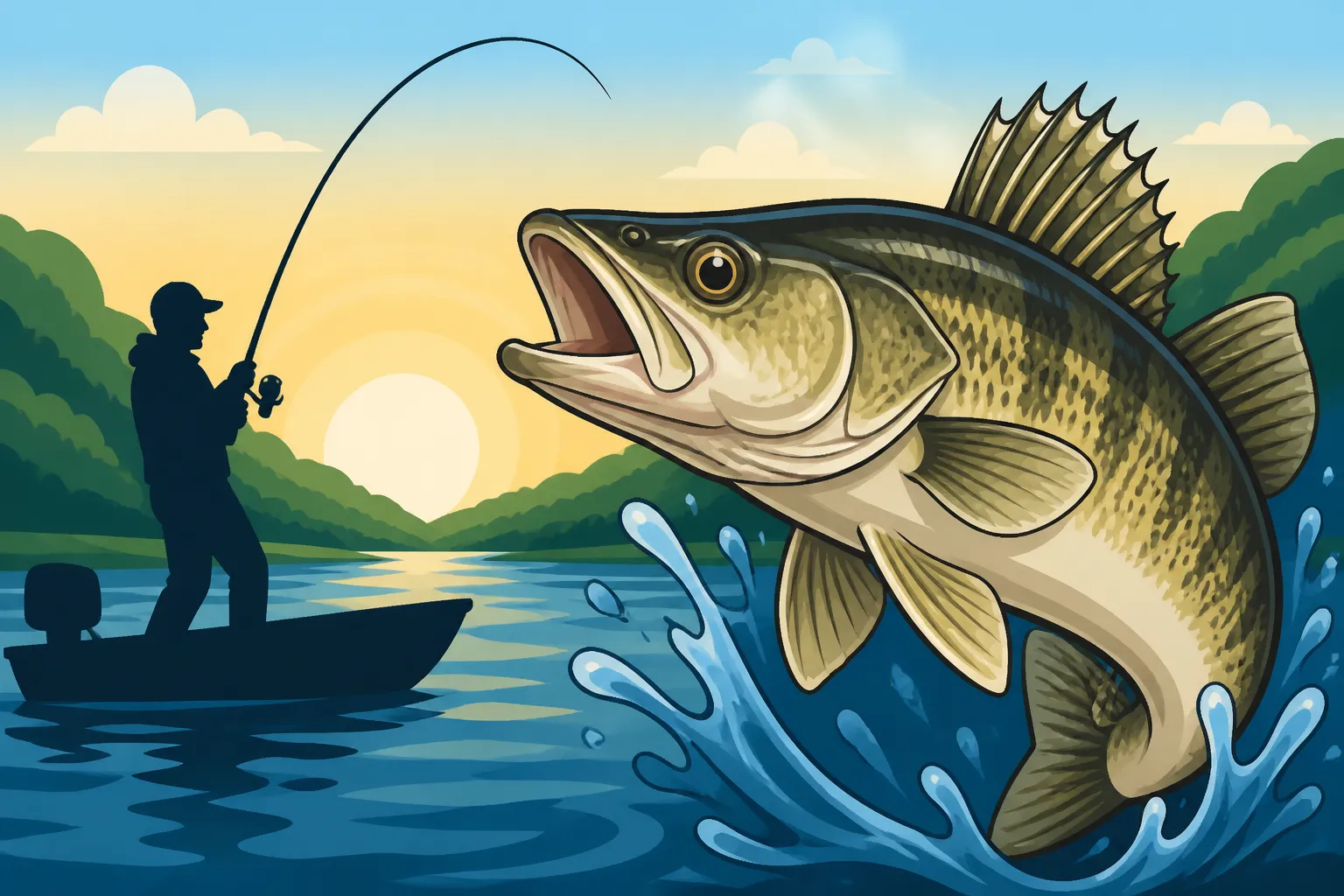
Does the Ohio River Have Good Sauger Fishing?
Anglers often stare out at the vast, powerful Ohio River and wonder: Is it truly worth the effort to target sauger here? The sheer size and current can feel overwhelming, making many question if the fishing is genuinely good or just a rumor passed down by old-timers. But let me assure you, the Ohio River isn't just "good" for sauger fishing; it's an absolute powerhouse, offering some of the best opportunities in the region if you know where and how to look. This guide is dedicated to demystifying Ohio River sauger fishing, providing you with the insights and tactics to confidently pursue this feisty, delicious cousin of the walleye.
The Ohio River's Sauger Secret: A Thriving Fishery
It's a common misconception that the Ohio River is solely for catfish or an occasional bass. While those species certainly thrive, the sauger population in the Ohio River is robust and provides an incredible fishery, especially during the colder months. These fish, often mistaken for walleye or saugeye, have carved out a niche in the river's dynamic environment. They're built for current, preferring deeper, darker waters, and their aggressive feeding habits make them a fantastic target for anglers willing to learn their ways.
Unlike their more widely celebrated walleye cousins, sauger are generally smaller but make up for it with sheer numbers and a strong fight. They congregate in predictable areas, making them an excellent species to target once you understand the river's structure. The Ohio River, with its system of dams, locks, and deep channels, creates the perfect habitat for sauger to flourish, offering a consistent and often prolific angling experience. If you've been overlooking the Ohio River for sauger, you've been missing out on some truly rewarding fishing.
Sauger vs. Their Cousins: What Makes Them Unique
One of the most frequent questions I get from anglers is how to tell a sauger apart from a walleye or even a saugeye. It's easy to confuse them, especially when you're excited about a bite! However, understanding the distinctions can actually help you refine your techniques, as each species has slightly different preferences.
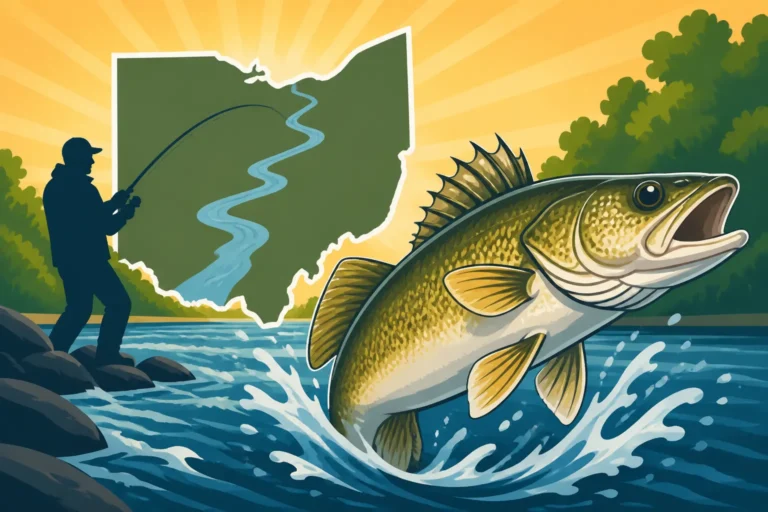
Sauger, generally, have distinct dark spots on their dorsal fin that form clear bands, and their bodies are often more mottled and bronze-colored compared to the lighter, more olive-green walleye. They also lack the prominent white tip on the lower lobe of their tail fin that walleye famously possess. For a deeper dive, check out our guide on Sauger vs Walleye Identification. Saugeye, on the other hand, are a hybrid of walleye and sauger, exhibiting characteristics of both, and often have a cloudy or marbled pattern on their dorsal fin. You can learn more about this distinct hybrid in our piece on the Difference Between a Saugeye and a Sauger. Knowing these differences isn't just for bragging rights; it helps you appreciate the biodiversity of the Ohio River and tailor your approach to what's biting.
Sauger are typically smaller than walleye, with an average length of 10-18 inches, though trophy sauger can push past the 20-inch mark. They are also known for their incredible table fare, with delicate, flaky white meat that many anglers prefer even over walleye. The Ohio River's ample food sources and varied habitat contribute to a healthy, fast-growing population, ensuring that there's usually a good chance of putting some fillets in the cooler.
Understanding Ohio River Sauger Regulations
Before you even think about casting a line, it's crucial to be aware of the specific rules governing sauger fishing on the Ohio River. Because the river forms a border between Ohio and Kentucky (and West Virginia further downstream), there are unique reciprocal agreements in place. Generally, a valid Ohio fishing license, like the one covered in our Ohio Fishing License Guide for Residents and Nonresidents, allows you to fish the entire main stem of the Ohio River from either state's bank or from a boat. However, if you venture into tributaries on the Kentucky or West Virginia side, you would need that state's license.
Specific daily bag limits and size limits apply to sauger. These regulations are designed to protect the fishery and ensure its sustainability. For sauger on the Ohio River, the daily bag limit is typically 10 fish, and there's a minimum size limit of 14 inches. Always double-check the current year's Ohio Fishing Regulations booklet, which you can often find online or at a local bait shop. Staying informed about Ohio River Sauger Regulations is not just about avoiding fines; it's about being a responsible angler and contributing to the health of this fantastic resource. Violating these rules can lead to hefty penalties, so ignorance is definitely not bliss when it comes to fishing laws.
Unlocking the Best Ohio River Sauger Fishing Spots
The Ohio River is a massive waterway, and knowing where to begin can feel like searching for a needle in a haystack. However, sauger are creatures of habit, and they relate strongly to current, depth, and structure. Focusing on specific types of areas will drastically increase your success rate. Think about natural current breaks, deep scour holes, and areas where the riverbed offers something different from the surrounding flat bottom.
Dams and locks are absolute magnets for sauger. The turbulent water below dams creates oxygen-rich environments and washes baitfish, concentrating them in predictable locations. Sauger will hold in current seams, eddies, and the deeper holes carved out by the powerful flow. The tailwaters below these structures, such as those near the Meldahl Dam or Willow Island Lock and Dam, are prime sauger territory, especially in colder water.
Another excellent area to target is the confluence of tributaries with the main river. These junctions often create unique current dynamics and bring in additional food sources. Smaller creeks and rivers flowing into the Ohio can create current breaks and deposition zones where sauger lie in wait. Additionally, bridge pilings, submerged wing dams, and rip-rap shorelines provide essential cover and current breaks that sauger utilize. Exploring the Ohio River Fishing Guide can give you an even broader perspective on fishing the entire river.
Hot Zones Near Ohio's Cities and Towns
While the entire Ohio River holds sauger, certain stretches are particularly renowned for consistent action. When fishing the Ohio side, you have several fantastic access points and areas to explore.
The stretch of the Ohio River near Cincinnati, for example, offers excellent opportunities. Below the various dams and around the mouths of tributaries like the Little Miami River or the Great Miami River, sauger congregate in good numbers. Many local anglers find success from public access points, fishing from the bank or launching small boats. Our detailed guide on Fishing the Ohio River Near Cincinnati provides specific insights into this urban fishing hotspot, offering tips on access and productive areas.
Further downstream or upstream, depending on your location, areas around Portsmouth, Ohio, also offer productive sauger fishing, especially near the Greenup Lock and Dam. The deep pools and strong currents created by these structures are ideal sauger habitat. Similarly, closer to the eastern Ohio border, towns like Marietta, where the Muskingum River meets the Ohio, can be fantastic. These confluences concentrate baitfish and create current dynamics that sauger absolutely love. Remember, you don't always need a boat; many prime sauger spots can be reached from shore, especially those below dams or along rip-rapped banks.
Using Technology to Locate Sauger
In a river as vast as the Ohio, modern technology can be your best friend. A good quality fish finder or sonar unit is invaluable for identifying depth changes, scour holes, submerged structures, and, most importantly, schools of baitfish and sauger. Sauger often suspend near the bottom or hug tight to structure, so understanding your electronics is key. Look for distinct arcs or marks close to the bottom, especially in areas with current breaks or depth transitions.
Additionally, mapping apps and GPS units can help you mark productive spots and navigate the river safely. Services like FishingBooker can also be a valuable resource for connecting with local guides who specialize in Ohio River sauger. Many of these professional guides are highly skilled at reading the river and using electronics to pinpoint fish, making a guided trip a fantastic way to accelerate your learning curve and experience the best of what the Ohio River has to offer. They can help you understand the nuances of current and structure that are hard to grasp without local expertise.
The Prime Time: Best Seasons and Conditions for Sauger
Timing is everything when it comes to sauger fishing on the Ohio River. While you can catch sauger year-round, certain seasons and conditions dramatically increase your chances of success. Sauger are cool-water fish, and they really turn on when water temperatures drop, making late fall, winter, and early spring the absolute prime seasons.
As fall progresses and water temperatures begin to dip into the 50s and then 40s Fahrenheit, sauger start to actively feed in preparation for winter. They'll gorge themselves on baitfish, and this aggressive feeding pattern makes them highly susceptible to various techniques. The peak of the sauger bite often occurs when the water temperatures are between 38-48 degrees F. This is when they gather in large schools in predictable deep-water locations.
Winter, even through ice-covered portions (where safe and permitted), can be fantastic. However, the most consistent winter fishing is typically in open water below dams, where the current prevents ice formation. As spring approaches and water temperatures slowly rise, sauger become incredibly active again as they move towards spawning grounds. This transition period, especially before the water gets too warm, offers another incredible window of opportunity. To get a general idea of Ohio's fishing cycles, you might find our Ohio Fishing Season Calendar useful, though sauger specifics on the Ohio River often have their own unique rhythm.
Understanding Water Conditions and Weather
Sauger are keenly affected by water conditions, especially clarity and flow. They prefer slightly stained to moderately clear water. After heavy rains, when the river becomes muddy and turbulent, sauger often move to calmer, clearer water in eddies or closer to shore, or simply become harder to locate. Give the river a few days to settle and clear slightly after a significant rain event.
Flow is another critical factor. While sauger love current, too much or too little can impact their activity. Moderate current helps them ambush baitfish without expending too much energy. Learning to read current seams, eddies, and slack water areas is fundamental. The United States Geological Survey (USGS) website provides real-time river flow data, which can be an invaluable tool for planning your trips. A slight rise in water levels after a light rain can sometimes trigger an incredible bite, as it can dislodge baitfish and nutrients, creating a feeding frenzy.
As for time of day, sauger, like their walleye relatives, are often most active during low-light conditions. Dawn, dusk, and even night fishing can be incredibly productive, especially in the colder months. On cloudy, overcast days, they might remain active throughout the day, as the reduced light penetration makes them feel more comfortable feeding in shallower depths. While it focuses on another species, the principles discussed in Best Time of Day to Catch Catfish in Ohio regarding low-light activity can offer relevant insights.
Gear Up and Get Down: Effective Techniques for Sauger
Now that you know where and when to find them, let's talk about how to catch Ohio River sauger. The key to successful sauger fishing lies in presenting your bait or lure near the bottom, where these fish spend most of their time. They're primarily bottom-feeders, often ambushing prey from nearby structure or current breaks.
The most popular and effective techniques involve getting your presentation down deep and keeping it there, even in strong currents. This often means using heavier weights and specific rigs. Don't be afraid to experiment with different approaches; what works one day might not work the next, given the river's constantly changing nature.
Master the Art of Jigging
Jigging is arguably the most effective technique for sauger on the Ohio River. Whether you're vertical jigging from a boat directly over fish or casting and retrieving from shore, jigs are sauger magnets.
- Vertical Jigging (Boat): This is incredibly effective when you've located schools of sauger with your electronics. Position your boat directly upstream of the fish, allowing the current to carry your jig downstream to them as you maintain boat position with a trolling motor or by anchoring strategically. Let your jig hit the bottom, then lift it 6-12 inches and let it fall back. The bite is often subtle – a slight tap, a feeling of "heaviness," or just no resistance when you lift. You'll need enough weight to consistently maintain bottom contact. For understanding weight requirements in current, our article on Best Jig Weight for Ohio River Current might offer some useful context.
- Casting and Retrieving (Boat or Shore): Cast your jig upstream and across the current, letting it sink to the bottom. Slowly retrieve it, maintaining bottom contact as much as possible, using a series of hops, drags, or sweeps. Vary your retrieve speed until you find what the fish prefer. This technique allows you to cover more water, especially from the bank.
Table: Popular Ohio River Sauger Jigs and Baits
| Lure/Bait Type | Description | Ideal Conditions | Presentation Tips |
|---|---|---|---|
| Lead Head Jigs | 1/4 oz to 1 oz jigs, often tipped with live bait or soft plastics. | Versatile, good in various currents & depths. | Tip with a minnow or piece of nightcrawler. |
| Blade Baits | Vibrating metal lures that mimic fleeing baitfish. | Colder water, active fish, moderate current. | Short, sharp lifts (snap-jigging) from the bottom. |
| Soft Plastics | Grubs, paddle tails, or small swimbaits in white, chartreuse, or natural colors. | Good in stained water, can entice finicky fish. | Rig on a lead head jig; slow retrieve with pauses. |
| Live Minnows | Shiners or fatheads, often fished on a three-way rig or jig. | Any condition, especially effective in winter. | Hook through the lips or dorsal fin for natural swimming action. |
| Hair Jigs | Lead head jigs dressed with deer hair, often paired with a plastic trailer. | Clearer water, subtle presentation. | Slow jigging or dragging along the bottom. |
The Power of Three-Way Rigs
When the current is strong, or you need to cover water while drifting, the three-way rig is a classic and highly effective sauger presentation. This rig allows you to present a bait or lure at a specific depth, just off the bottom, while minimizing snags.
The setup involves a three-way swivel. To one eye, you tie your main line. To a second eye, you tie a dropper line (usually 6-12 inches) with a sinker heavy enough to hold bottom (often 1-3 ounces, depending on current). To the third eye, you tie a leader line (18-36 inches) with your hook and bait (often a live minnow or a jig). As your boat drifts slowly downstream or is anchored in current, the sinker bounces along the bottom, keeping your bait tantalizingly in the strike zone just above the riverbed. This is a deadly combination for sauger. For anchoring effectively in current, which is crucial for this technique, you might want to review How to Anchor in Current on the Ohio River.
Other Productive Techniques
- Trolling with Crankbaits: While less common for sauger than walleye, small, deep-diving crankbaits can be effective when trolled slowly along breaks or contours, especially during warmer periods or when fish are more scattered.
- Bank Fishing Tactics: For shore anglers, casting heavy jigs (1/2 to 1 oz) with plastic grubs or live minnows and slowly retrieving them along the bottom near rip-rap or current breaks can be very productive. Areas below dams with public access are fantastic for this.
- Using a Guide: If you're new to the Ohio River or want to learn these techniques quickly, consider hiring a local guide. Platforms like FishingBooker are excellent for finding experienced Ohio River sauger guides who can put you on fish and teach you the ropes. They'll have all the specialized gear and local knowledge to make your trip a success.
Remember, patience and persistence are key. The Ohio River is a dynamic system, and conditions can change quickly. But with the right knowledge, techniques, and a bit of perseverance, you'll discover that the Ohio River absolutely offers fantastic sauger fishing, making every effort truly rewarding. Don't forget to have your Ohio fishing license handy – you can even purchase a Ohio Combination Hunting and Fishing License Cost if you enjoy both activities.
Disclaimer
Fishing conditions and regulations in Ohio can change. Always consult the latest Ohio Department of Natural Resources (ODNR) fishing regulations before heading out. The information provided in this guide is for general informational purposes only and should not be considered legal advice.