Is a Fishing License Required for Anglers Under 16 in Ohio?
It can be confusing to keep track of all the rules and regulations when you're trying to get out on the water, especially when you're introducing kids to the joy of fishing. Many parents wonder if their little ones need to carry a fishing license, adding an extra layer of planning and potential cost to what should be a simple, fun outing. This guide aims to clear up that very question, ensuring you understand the specific requirements for young anglers in Ohio so you can focus on making memories.
The Simple Answer: No License Needed for Young Anglers
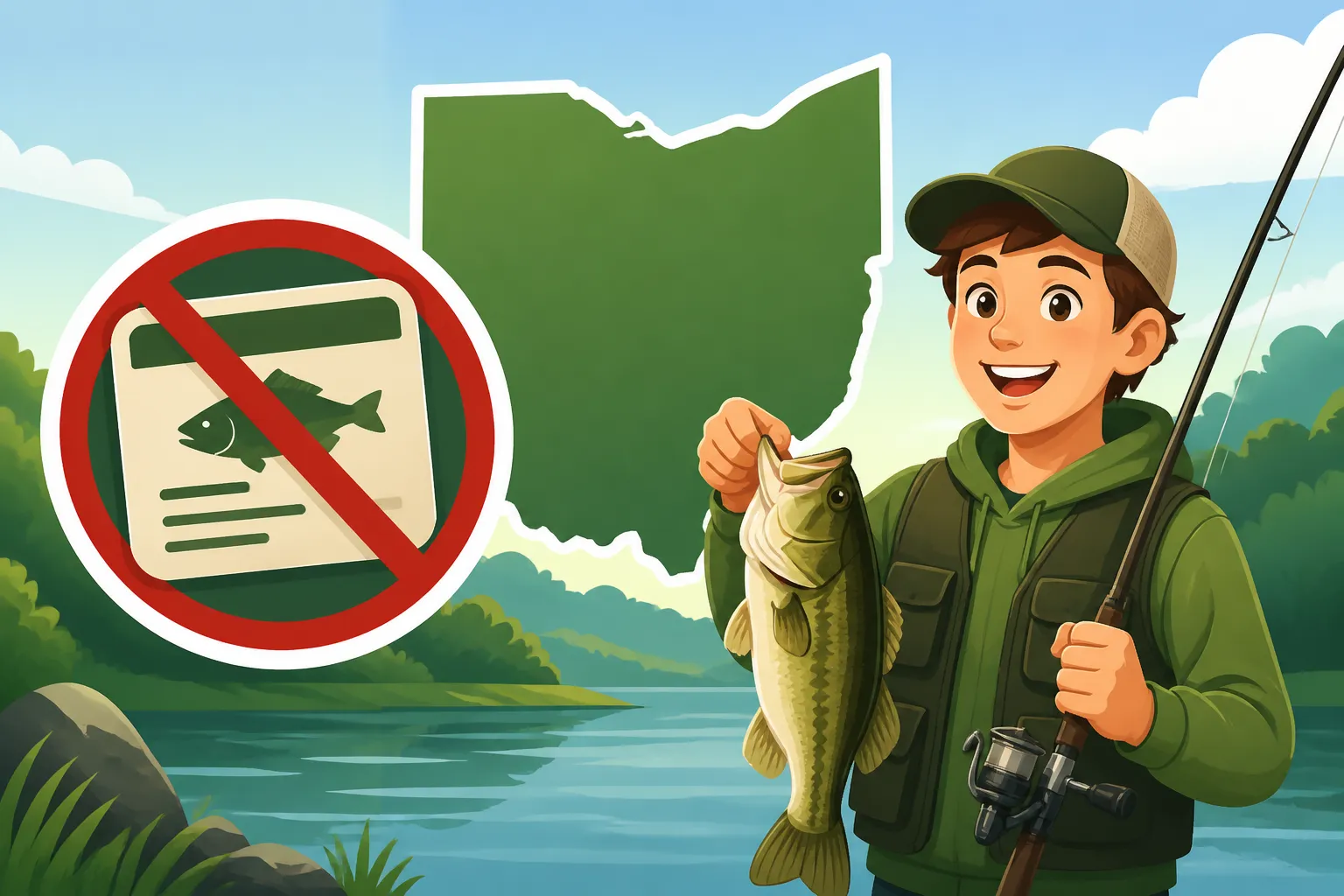
Let's cut right to the chase because this is the most common question I hear from parents: In Ohio, no fishing license is required for any angler under the age of 16. That's right! If your child, grandchild, niece, nephew, or any young person you're taking fishing hasn't hit their 16th birthday yet, they are exempt from needing a license to cast a line in Ohio's public waters. This is a fantastic initiative by the Ohio Department of Natural Resources (ODNR) to encourage youth participation in the sport we all love.
Age Cutoff and ODNR Guidelines
The Ohio Department of Natural Resources has set a clear age threshold to make fishing accessible to younger generations. The rule specifically states "under 16 years of age." This means that from the moment they can hold a rod up until the day before their 16th birthday, young anglers are free to fish without purchasing an Ohio fishing license. This policy is consistent across all public waters in the state, whether you're targeting panfish in a local pond or trying for walleye on Lake Erie.
The intent behind this rule is really heartwarming. The ODNR understands that introducing children to outdoor activities like fishing is crucial for fostering an appreciation for nature, conservation, and healthy recreation. By removing the financial barrier of a license, they hope to make it easier for families to get out and experience the tranquility and excitement that fishing offers. It's a way to ensure that the next generation has every opportunity to fall in love with angling, just as many of us did.
This age cutoff is an important part of the broader framework of Ohio fishing regulations, which you can always dive into further to ensure you're fully compliant, particularly if you're planning a trip that might involve crossing state lines or participating in unique events.
What "Under 16" Really Means
To be absolutely clear, "under 16 years of age" means that your child does not need a license until they celebrate their 16th birthday. On their 16th birthday, or any day thereafter, they are legally considered an adult angler in terms of licensing requirements and will need to purchase an Ohio fishing license to continue fishing legally.
For example, if your child is 15 years and 11 months old, they do not need a license. If they turn 16 on June 15th, they can fish without a license on June 14th, but from June 15th onwards, they will need a valid license. It's a pretty straightforward rule, which is a welcome relief in the sometimes complex world of regulations! Keep this in mind as their big day approaches, so you're not caught off guard. You can find more detailed information on specific requirements by checking out the guide on Ohio Youth Fishing License Rules.
Beyond the Basics: Important Exemptions and Considerations
While the "under 16" rule is generally quite simple, there are a few nuances and broader considerations that adult anglers, especially parents, should be aware of to ensure a completely smooth and legal fishing trip for the whole family. It’s not just about the license, after all; it's about understanding the entire set of rules that keep our waterways healthy and our sport fair.
Special Situations and Exceptions
Generally, the under-16 exemption holds true across the board in Ohio. However, it's always smart to be aware of any extremely specific situations, though they are rare for this age group. For instance, while most standard fishing tournaments will honor the statewide youth exemption, some highly specialized or privately organized competitive events might have their own, more stringent rules. These are usually clearly outlined by the tournament organizers, so if your child is participating in a derby, it’s always best to double-check their specific requirements. However, for everyday recreational fishing, you can rest easy with the under-16 rule.
It's also worth noting Ohio's Free Fishing Days, which are a fantastic opportunity for everyone, regardless of age, to fish without a license. These days typically occur once or twice a year and are designed to give even adults a chance to try fishing without the initial commitment of purchasing a license. While your kids under 16 wouldn't need a license anyway, these days provide an excellent opportunity for the entire family to experience fishing together license-free. This can be a great trial run for parents who are new to fishing or are considering getting back into it themselves. For specific dates, you can look up Ohio's Free Fishing Days each year.
Adult Supervision and Responsibilities
Here's where the adult in the boat (or on the bank!) comes in. While your little ones don't need a license, if you, as the accompanying adult, are 16 or older and planning to fish yourself, you absolutely need a valid Ohio fishing license. This is a critical distinction. The youth exemption doesn't extend to the adults supervising them. It’s your responsibility to ensure you have the appropriate license, whether it's an annual, one-day, or multi-year option. Information on these can be found in our comprehensive Ohio Fishing License Guide for Residents and Nonresidents.
Beyond the license, it’s also the adult's responsibility to know and abide by all other Ohio fishing regulations. This includes statewide bag and size limits, species-specific rules, and any special regulations for specific bodies of water. Even if your child catches the fish, the adult is often held accountable for ensuring that the catch adheres to all legal requirements. This is where education and preparation really pay off. Before heading out, always consult the most current Ohio fishing regulations booklet or the ODNR website. Things like Ohio Statewide Bag and Size Limits are vital to a legal and ethical fishing trip.
It's about setting a good example, too. By demonstrating responsible angling practices, you're not just complying with the law; you're teaching your kids valuable lessons about conservation and respect for our natural resources.
Encouraging Youth Anglers: Why These Rules Matter
The decision to exempt young anglers from licensing requirements isn't just about saving a few bucks; it's a strategic move to secure the future of fishing and conservation. When kids get involved early, they develop a connection with nature that can last a lifetime, fostering a new generation of environmental stewards. This policy directly removes one of the first potential barriers to entry, making it easier for families to explore Ohio’s abundant waterways.
Promoting a Lifelong Hobby
Imagine wanting to take your child fishing for the very first time. They might only cast a few times, get bored, or decide it’s not for them. If you had to buy a full license for them before even knowing if they’d enjoy it, that upfront cost could deter many families. By removing this barrier, the ODNR makes it incredibly easy to "try before you buy," so to speak. This encourages parents and guardians to introduce kids to fishing without financial pressure, allowing them to experience the joy of a tug on the line, the peace of being outdoors, and the satisfaction of a successful catch.
This early exposure is critical for developing a lifelong love for the sport. Kids who fish often grow up to be adults who appreciate the importance of clean water, healthy fish populations, and sustainable practices. They become the future advocates for conservation efforts, ensuring that Ohio's fantastic fishing opportunities remain vibrant for generations to come. It’s an investment in the future of our fisheries and the well-being of our communities. To get started right, consider reviewing Best Ohio Fishing Techniques for Beginners with your young angler.
Gear for Young Anglers
When it comes to getting young anglers started, simplicity and durability are key. You don't need fancy, expensive gear; in fact, overly complicated setups can often be more frustrating for beginners. A simple spinning rod and reel combo, often called a "spincast" or "push-button" reel, is usually the best starting point. These are incredibly easy for small hands to operate and minimize tangles. Many brands offer youth-specific combos that are shorter, lighter, and come pre-spooled with appropriate line.
You can often find great starter kits for kids at local bait and tackle shops, or conveniently online. For example, a quick search on Amazon will reveal a plethora of youth fishing kits that come with a rod, reel, and sometimes even a small tackle box filled with basic hooks, bobbers, and weights. When shopping on Amazon or at a retail store, look for combos in the 4 to 5-foot range with light action, which will make even smaller fish feel exciting. Consider a classic choice like a Zebco 33 combo, or similar offerings from brands like Shakespeare or Ugly Stik, which are widely available and known for their durability.
Beyond the rod and reel, a few essentials will make your trip more enjoyable:
- Bobbers: Small, brightly colored bobbers are perfect for seeing bites.
- Hooks: Size 6 or 8 hooks are great for panfish like bluegill and crappie.
- Sinkers: Small split shot weights to get bait down.
- Bait: Worms, crickets, or even corn are excellent, easy baits for kids to use. You can also find scented baits that are easy to manage.
- Pliers: For safely removing hooks.
- Life Vest: Absolutely essential, especially on boats or near deep water. Make sure it fits properly!
- Sun Protection: Hat, sunglasses, and sunscreen are a must.
Investing in a few quality, simple pieces of gear will ensure your child has a positive initial experience and continues to be excited about their next fishing adventure. You can dive deeper into gear choices in our Best Ohio Fishing Gear and Tackle Guide.
Ensuring a Smooth Fishing Trip for Families
Even without a license, there's still a bit of homework for the accompanying adults to do to guarantee a safe, fun, and legal fishing trip with young anglers. It's about more than just legal compliance; it's about being prepared and fostering a positive experience for everyone involved.
Knowing the Local Rules
While the license requirement is waived for kids under 16, it is crucial to remember that all other fishing regulations still apply to them. This includes:
- Bag Limits: The number of fish of a specific species that can be kept in a single day.
- Size Limits: The minimum or maximum length a fish must be to be legally harvested.
- Season Dates: Specific times of the year when certain species can or cannot be targeted or kept.
- Gear Restrictions: Rules regarding the type of bait, number of rods, or specific tackle allowed. For example, Ohio has a two-pole and line limit rule for most waters, which applies to everyone, regardless of age.
Failing to adhere to these rules can result in fines and penalties, even if the fish was caught by a child. It's the adult's responsibility to know these rules before casting a line. For instance, if you're targeting crappie, you'll want to check out the specific Crappie and Panfish Daily Limits for your chosen body of water.
A great way to stay informed is by downloading the current Ohio Fishing Regulations PDF from the ODNR website, or picking up a physical copy at a bait shop or ODNR office. Many state parks and wildlife areas also have specific rules that might affect your outing. For general information on park rules, you can consult Ohio State Park Fishing Rules.
Where to Find More Information and Support
The Ohio Department of Natural Resources (ODNR) is your primary resource for all official fishing regulations and information. Their website is comprehensive and offers downloadable guides, maps of public fishing areas, and details on stocking programs. They also have regional offices where you can speak with knowledgeable staff or wildlife officers who can answer specific questions.
Many local bait and tackle shops are also incredible resources. The folks working there are often avid anglers themselves and can provide invaluable local knowledge about what's biting, where to go, and any specific nuances of the area's regulations. Don't be shy about asking for advice – they love helping new anglers get started! Online forums and local fishing groups on social media can also be great for community support and sharing tips.
Remember, the goal is to make fishing a fun, positive, and educational experience for young people. By understanding the simple license exemption for those under 16 and taking responsibility for the other regulations, you're setting the stage for countless enjoyable hours on the water. Many guides, like our Best Ohio Fishing Spots for Families, can help you find perfect, accessible locations for your next family outing.
Here's a quick summary table regarding age and license requirements for Ohio fishing:
| Age Group | Ohio Fishing License Required | Notes |
|---|---|---|
| Under 16 years old | No | This is the key exemption for youth anglers. |
| 16 years and older | Yes | All anglers age 16 and up must possess a valid Ohio fishing license. |
| Ohio Resident 66+ | No | Ohio residents born on or before December 31, 1937, are exempt. |
| Ohio Resident 66-69 | Yes | Residents 66-69 qualify for a reduced-cost annual senior license. See Ohio Senior Fishing License Guide. |
| Active Military | Yes (special options) | Active duty military stationed in Ohio or Ohio residents on active duty elsewhere have special pricing. |
| Disabled Veterans | No | Certain disabled veterans are exempt. See Disabled Veteran Fishing License Discounts. |
This table provides a concise overview of general requirements. Always consult the current ODNR regulations for the most up-to-date and specific information.
Disclaimer
The information provided in this guide is for general informational purposes only and is not intended as legal advice. Fishing regulations in Ohio can change, and it is the sole responsibility of each angler to consult the most current Ohio Department of Natural Resources (ODNR) fishing regulations booklet or website before engaging in any fishing activities to ensure full compliance with all applicable laws and rules.