Is Mosquito Lake Good for Ice Fishing?
As an Ohio angler, few things are as frustrating as the onset of winter when your favorite lakes freeze over, leaving you wondering where you can safely and successfully continue your passion. Many folks look at larger, well-known bodies of water like Mosquito Lake and ask, "Is it even worth trying to ice fish there?" The good news is, Mosquito Lake can be an absolute gem for hardwater enthusiasts, offering exciting opportunities if you know where to look and what to prepare for. This comprehensive guide will dive deep into everything you need to know about ice fishing this magnificent reservoir.
Understanding Mosquito Lake's Ice Fishing Potential
Mosquito Lake, sprawling over 7,800 acres in Trumbull County, is one of Ohio's largest inland lakes, and it holds a special place in many local anglers' hearts. Its size and diverse underwater structure, from shallow flats to deeper channels, create a complex but rewarding environment for ice fishing. Unlike some smaller, shallower lakes that might freeze solid quickly but also become oxygen-depleted, Mosquito Lake's sheer volume and varying depths often provide stable conditions for fish to thrive under the ice throughout the winter months.
The lake's irregular shape, featuring numerous bays, coves, and points, translates into a multitude of potential ice fishing spots. This is a huge advantage because it means you're not limited to just one or two popular areas. Instead, you can spread out, explore, and find schools of fish that might be overlooked by others. The sheer expanse also means that even on busy weekends, you can often find a quiet corner to yourself. However, its size also demands respect and careful navigation, especially when ice conditions vary across different sections of the lake.
What Makes Mosquito Lake an Ice Fishing Hotspot
Mosquito Lake truly shines as an ice fishing destination primarily due to its robust fish populations. The Ohio Department of Natural Resources (ODNR) consistently manages and stocks the lake, ensuring healthy numbers of popular species like walleye and crappie, which are prime targets for ice anglers. The lake's nutrient-rich waters support a thriving forage base, allowing these fish to grow to impressive sizes.
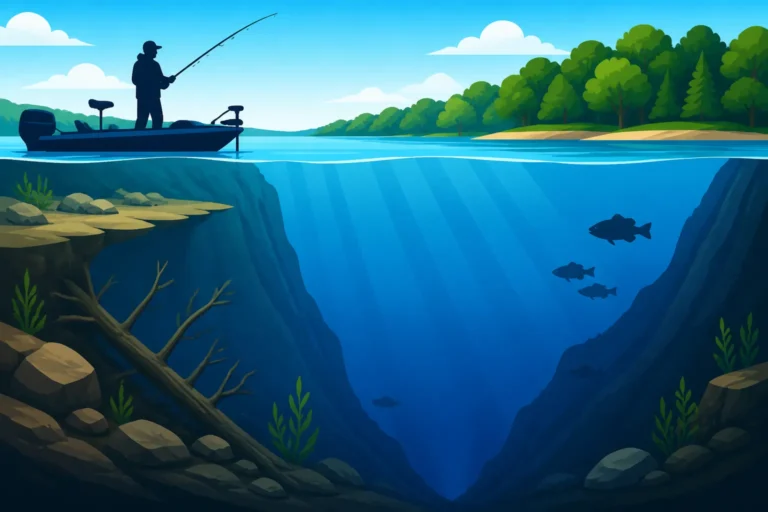
Additionally, the lake's topography plays a significant role. Many shallow bays are ideal early-ice locations for panfish and even northern pike, while the deeper main lake basin and channels hold walleye and larger crappie as the season progresses. The presence of submerged timber, weed lines, and structural contours offers excellent habitat for fish seeking cover and feeding opportunities under the ice. When you're considering your next ice fishing adventure, thinking about how large and diverse a lake like Mosquito Creek Lake is can give you an idea of the sheer potential it holds for a successful trip.
Challenges and Considerations for Hardwater Anglers
Despite its potential, ice fishing Mosquito Lake isn't without its challenges. The primary concern, as with any large body of water, is ice safety. Its size means that wind can have a significant impact on ice formation and stability, particularly in wider, more exposed areas. Currents, even subtle ones, can also create thinner ice or open water in unexpected places. Therefore, vigilance and constant checking of ice conditions are paramount.
Another consideration is the sheer distance you might need to cover to reach prime fishing grounds. While its size is an advantage for finding unpressured fish, it means you'll likely be hauling gear further than on smaller lakes. Sleds, ice shelters, and a reliable ice auger are essential. Lastly, weather can change quickly in Ohio winters, and being prepared for biting winds or sudden snow squalls is crucial for a comfortable and safe experience. Always let someone know your float plan, even when ice fishing.
Key Species to Target Through the Ice at Mosquito Lake
Mosquito Lake is renowned for several species that offer fantastic ice fishing action. Knowing what to target and where they tend to hold during the winter can dramatically increase your success rate.
Walleye: The Winter Gold Rush
Mosquito Lake is one of Ohio's premier inland walleye fisheries, and this reputation extends into the hardwater season. Many anglers consider the pursuit of a winter walleye to be the ultimate ice fishing challenge. These elusive fish become more concentrated in specific areas during winter, often holding in deeper basins, along channel edges, or on submerged humps and points. The best time of day to target walleye on Mosquito Lake through the ice is often during low-light periods, such as dawn, dusk, or even into the night.
Techniques for walleye typically involve jigging with spoons, blade baits, or small lipless crankbaits, often tipped with a minnow head or an entire minnow. Running tip-ups in conjunction with jigging can also be highly effective. The key is to experiment with different depths and presentations until you find what triggers a bite. For specific regulations, you’ll want to review the Ohio Statewide Bag and Size Limits, especially for inland walleye.
Crappie: Abundant and Delicious Panfish
If you're looking for consistent action and excellent table fare, Mosquito Lake's crappie population is legendary. The lake is known for both black and white crappie, which often school together in large numbers, making it possible to catch a limit once you locate them. Crappie typically relate to submerged timber, brush piles, and weed lines, especially in some of the lake's many coves.
The best coves at Mosquito Lake for crappie are often those with a good mix of shallow and slightly deeper water, allowing fish to move up and down in the water column based on light conditions and feeding activity. Small jigs tipped with wax worms, minnows, or soft plastic micro-baits are incredibly effective. A sensitive rod and reel setup is crucial to detect their often subtle bites. Don't forget to check the Crappie and Panfish Daily Limits before you head out!
Yellow Perch and Other Panfish
Beyond crappie, Mosquito Lake offers excellent opportunities for yellow perch, bluegill, and sunfish. These panfish are often found in shallower areas, especially during early and late ice, but can also relate to drop-offs and main lake structure. They are perfect targets for beginners and families, as they are typically more aggressive biters.
Small jigging spoons, tiny tungsten jigs, and even small ice flies tipped with wax worms, spikes, or a piece of Berkley PowerBait are all fantastic options. While they might not garner the same trophy status as walleye, a cooler full of jumbo perch or chunky bluegill provides a delicious reward and a ton of fun on the ice.
Safety First: Ice Conditions and Preparations at Mosquito Lake
Ice fishing, especially on a large body of water like Mosquito Lake, is an exhilarating winter activity, but it demands respect for the unpredictable nature of ice. Safety should always be your number one priority.
Monitoring Ice Thickness and Local Conditions
Never assume the ice is safe. This is the golden rule. While a minimum of 4 inches of clear, solid ice is generally considered safe for individual foot travel, conditions can vary widely across Mosquito Lake. Factors like recent temperature fluctuations, snow cover (which insulates the ice and slows freezing), and wind can all impact ice formation. The "Ohio Ice Fishing Guide" provides excellent general advice on this.
Before heading out, always check with local bait shops, the ODNR Division of Wildlife, or reputable online forums for the latest ice reports specific to Mosquito Lake. Local knowledge is invaluable. When you arrive, use a spud bar or ice auger to check thickness frequently as you venture onto the ice. Pay particular attention to areas near inflows/outflows, aerators (if present), or sudden changes in bottom contours, as these can create thinner ice. Sites like FishingBooker sometimes feature local guides who post updates on conditions, which can be helpful too.
Essential Safety Gear for Ice Anglers
Beyond checking the ice, carrying essential safety gear is non-negotiable. Here’s a list of what you should always have:
- Ice Picks: Worn around your neck, these can be a lifesaver if you break through, allowing you to pull yourself back onto solid ice.
- Spud Bar: Indispensable for checking ice thickness ahead of you, especially when moving into new areas.
- Throw Rope: A coiled rope (at least 50 feet) that can be thrown to someone who has fallen through.
- Floatation Suit/PFD: Wearing a floatation suit or a personal flotation device (PFD) over your winter clothes can provide critical buoyancy and insulation if you go into the water.
- Navigation: A GPS device or smartphone app with offline maps can prevent you from getting disoriented, especially on a large lake like Mosquito, or in whiteout conditions.
- First-Aid Kit: For minor cuts, scrapes, or other emergencies.
- Communication Device: A fully charged cell phone (in a waterproof case) or a two-way radio.
- Buddy System: Never ice fish alone. Always go with a friend or group, and make sure someone not on the ice knows your plans and expected return time.
Understanding Ice Fishing Rules on Ohio Lakes
It's also crucial to be aware of specific rules and regulations. Beyond needing an Ohio Fishing License Guide for Residents and Nonresidents, you need to understand the nuances of ice fishing. While Ohio allows up to two poles per licensed angler, some local rules might apply, so always consult the current Ohio fishing regulations booklet. When you're considering how many fishing lines you can use in Ohio, remember that these rules are in place to ensure fair chase and resource management.
Setting up temporary shelters or permanent shanties may have specific rules regarding placement, removal dates, and identification. Always leave the ice cleaner than you found it, packing out all trash and debris. Respecting these rules ensures that ice fishing remains a sustainable and enjoyable sport for everyone.
Techniques and Gear for Success on Mosquito Lake Ice
To truly unlock Mosquito Lake's potential, you need the right techniques and gear. Adaptability is key, as conditions and fish behavior can change throughout the winter.
Mastering Jigging and Tip-Up Strategies
For walleye and larger crappie, a one-two punch of jigging and tip-ups often proves most effective.
- Jigging: This active style involves dropping a lure, typically a spoon (like a Northland Forage Minnow or Acme Kastmaster), a blade bait (like a Vibrato), or a small jig (like a Rapala Jigging Rap), down to the desired depth and imparting an enticing action. Lift-and-drop motions, subtle shakes, and pauses are all part of the repertoire. Using a sensitive rod, like a St. Croix Legend Silver Ice rod, allows you to feel even the lightest tap. Consider tipping your jig with a minnow head or a single wax worm for added scent and appeal. Vary your jigging cadence and lure size until you find what the fish are responding to on a given day.
- Tip-Ups: These passive rigs are fantastic for covering more water and targeting less aggressive fish, especially walleye. Set them up with live minnows (shiners are often a good choice) at various depths. When the flag flies, it's a sure sign of a bite! The beauty of tip-ups is they let you actively jig another hole while still monitoring for bites on other lines. Always use strong line, as winter walleye can be quite powerful.
For crappie and other panfish, smaller jigs are king. Tiny tungsten jigs in bright colors, tipped with wax worms, spikes, or a Gulp! Alive! maggot, fished under a sensitive bobber, are deadly. Focus on working the water column from just under the ice down to the bottom, paying close attention to your fish finder for schools of fish.
Essential Ice Fishing Gear for Mosquito Lake
Having the right equipment makes your day on the ice more productive and comfortable.
- Ice Auger: A reliable auger is non-negotiable. Whether you opt for a hand auger, a gas-powered model, or a popular electric auger like the Eskimo Mako or ION, make sure it's sharp and ready. An electric auger is fantastic for drilling multiple holes quietly, which can be a huge advantage for stealthy approaches. For a detailed breakdown, check out our guide on the Best Auger for Ohio Ice Fishing.
- Ice Shelter: A portable pop-up shelter (shanty) provides much-needed protection from the wind and cold, making your experience far more enjoyable. Brands like Clam, Eskimo, and Shappell offer excellent options. Add a portable heater, and you can fish comfortably for hours, even on the coldest days.
- Fish Finder/Flasher: A flasher or fish finder is an invaluable tool for locating fish, determining depth, and seeing how fish react to your lure. Brands like Vexilar, Marcum, and Humminbird are popular choices among serious ice anglers. Being able to read suspended fish, or fish holding tight to the bottom, drastically improves your chances.
- Rods and Reels: Dedicated ice fishing rods are short and sensitive, designed for precise lure control and detecting subtle bites. Pair them with small spinning reels spooled with light monofilament or fluorocarbon line.
- Buckets and Sleds: A five-gallon bucket serves multiple purposes – a seat, a place to store tackle, and a way to carry your catch. A durable sled is essential for hauling all your gear across the ice.
- Warm Clothing: Dress in layers. Waterproof outer shells, insulated boots, gloves, and a warm hat are critical for staying comfortable in frigid conditions. Hand warmers are also a great addition.
Access Points and Facilities for Ice Anglers
Getting onto the ice at Mosquito Lake is relatively straightforward, with several public access points managed by the Ohio Department of Natural Resources (ODNR) and local parks.
Popular Access Points and Parking
Most boat ramps that serve open-water anglers also provide excellent access for ice fishing once the ice is safe. Some of the most frequently used access points around Mosquito Lake include:
- State Park Marina/Headquarters Area (Cortland): This is a popular and easily accessible spot. There's ample parking, and it provides access to both shallower bays and the deeper main lake body. It's often one of the first areas to see foot traffic once the ice is deemed safe.
- Route 88 Boat Launch (East Side): Offering another good entry point, this launch provides access to different sections of the lake and can be less crowded than the main marina area.
- Mahan Denman Road Launch (North End): This northern access point can be excellent for exploring the shallower upper reaches of the lake, which often freeze solid earlier in the season and can hold good numbers of panfish.
Always be respectful of private property and utilize designated public access areas. While the official "Does Mosquito Lake Have a Boat Speed Limit?" mostly applies to open water, be aware of any signs regarding vehicle access or restrictions on the ice itself. Some areas might only allow foot traffic or ATVs, while others might restrict them.
Local Amenities and Bait Shops
Before you hit the ice, a stop at a local bait shop is highly recommended. Not only can you pick up live bait like minnows, wax worms, or spikes, but these shops are invaluable sources of current, hyper-local information. They'll know which areas are producing, what baits are working, and most importantly, the latest on ice conditions and any localized hazards.
Nearby towns like Cortland and Fowler will have bait and tackle stores that cater to anglers visiting Mosquito Lake. You can also find gas stations, convenience stores, and restaurants for any last-minute supplies or a warm meal after a long day on the ice. Preparing a detailed Ohio Fishing Gear and Tackle Guide for your trip can help ensure you don't forget any essentials.
| Species | Preferred Depth | Effective Baits/Lures | Key Techniques |
|---|---|---|---|
| Walleye | 15-30 feet (deeper channels, humps) | Jigging spoons, blade baits, lipless cranks (tipped w/ minnow head); live minnows on tip-ups | Active jigging; set tip-ups nearby |
| Crappie | 8-20 feet (structure, brush piles, cribs, deep coves) | Small jigs (tungsten, plastics), minnows, wax worms | Vertical jigging, dead-sticking |
| Yellow Perch | 10-25 feet (flats, breaks, soft bottom) | Small spoons, tungsten jigs, minnows, spikes | Aggressive jigging, often near bottom |
| Bluegill/Sunfish | 5-15 feet (weed lines, shallow bays, structure) | Tiny jigs, ice flies, wax worms, spikes | Subtle jigging, dead-sticking under bobber |
Remember, ice fishing on Mosquito Lake can be incredibly rewarding, offering a unique winter adventure. By prioritizing safety, understanding the lake's potential, and employing effective techniques, you'll be well on your way to a successful and memorable hardwater season.
Disclaimer
The information provided in this guide is for general informational purposes only and is subject to change. Always consult the latest Ohio Department of Natural Resources (ODNR) fishing regulations and prioritize personal safety by verifying ice conditions independently before venturing onto any frozen body of water. Fishing conditions, regulations, and ice thickness can vary greatly and rapidly.