Ohio Rainbow Trout Stocking Program
For many anglers in Ohio, the thought of trout fishing conjures images of pristine mountain streams, which might seem a world away from our flatlands and winding rivers. But the truth is, Ohio has a vibrant and accessible trout fishing scene, thanks largely to the dedicated efforts of our state's stocking program. This guide is here to demystify the Ohio Rainbow Trout Stocking Program, helping you understand where, when, and how these feisty fish become available, and how you can get in on the action without feeling overwhelmed by unfamiliar territory.
The Purpose Behind Ohio's Rainbow Trout Stocking Program
You might wonder why Ohio, a state renowned for its walleye and bass, dedicates resources to stocking rainbow trout. It's a great question, and the answer isn't just about adding another species to the mix. The program serves several vital roles, primarily focusing on enhancing recreational opportunities for anglers across the state.
Creating Diverse Angling Opportunities
One of the main drivers behind the rainbow trout stocking program is simply to provide variety. While many Ohio anglers chase bass, crappie, or the mighty Lake Erie walleye, there's a significant contingent who enjoy the unique challenge and experience of trout fishing. For those who don't have the time or means to travel to natural trout fisheries, the stocking program brings the excitement much closer to home. It ensures that anglers, from seasoned veterans to excited youngsters, have different options to pursue throughout the year. It's about making fishing accessible and keeping the sport fresh and engaging for everyone.
Sustaining Put-and-Take Fisheries
It’s important to understand that most of Ohio’s stocked rainbow trout fisheries are considered "put-and-take" operations. This means the trout are raised in hatcheries and then released into suitable waterways for anglers to catch. Unlike some native fish populations, these stocked trout are generally not expected to reproduce successfully or sustain themselves long-term in most Ohio waters due to habitat limitations and warmer water temperatures during summer months. The program isn't designed for natural propagation, but rather to create immediate fishing opportunities. This model allows for high angler success rates and a fun, family-friendly fishing experience, without impacting wild trout populations that might exist in more specialized habitats, such as certain Lake Erie tributaries for steelhead. To learn more about where and when these fish are released, check out Ohio Inland Trout Stocking Schedule.
How Ohio's Rainbow Trout Get into Our Waters
The journey of a rainbow trout from a tiny egg to a catchable fish in an Ohio lake or stream is a fascinating process that involves careful planning and dedicated effort from the state's wildlife management teams. It’s a year-round commitment to ensure there are plenty of fish for us to enjoy.
The Hatchery Program: From Egg to Fingerling
The process begins in state-run hatcheries, where rainbow trout eggs are carefully nurtured. These eggs hatch into tiny fish known as fry, which then grow into fingerlings. The hatchery environment is meticulously controlled to ensure optimal growth and health, protecting these young fish from predators and disease. They are fed a specialized diet and kept in tanks with carefully regulated water temperatures and oxygen levels. The goal is to raise healthy, vibrant trout that are robust enough to survive the transition to public waters and provide a good fight for anglers. This controlled environment is crucial for producing the sheer numbers of trout needed for the statewide stocking efforts.
The Stocking Process: Transport and Release
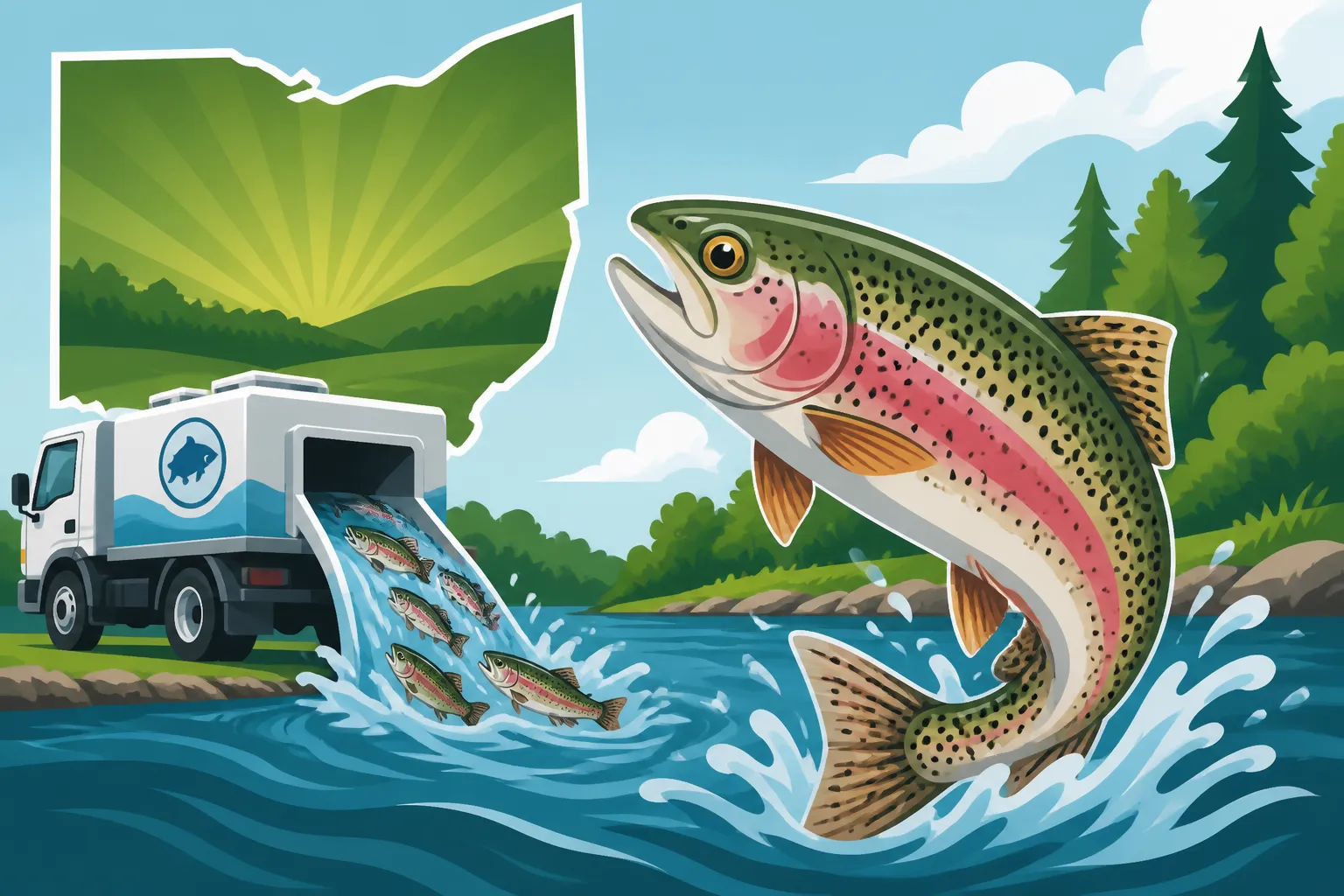
Once the rainbow trout reach a catchable size, typically around 10-13 inches, they are ready for their grand adventure into Ohio's lakes, ponds, and streams. This involves carefully netting the fish from hatchery tanks and transferring them into specialized tanker trucks equipped with aerated water to minimize stress during transport. These trucks then travel to pre-selected stocking locations across the state. At the destination, the trout are gently released into the water. This process is usually carried out by wildlife personnel, often with public viewing opportunities, especially during popular spring stockings. The locations are chosen based on accessibility for anglers, water quality, and the potential to offer a good fishing experience. You can often find details about specific stocking events and locations through official channels, helping you plan your next outing.
When and Where Rainbow Trout Are Stocked in Ohio
Understanding the stocking schedule and locations is key to maximizing your chances of catching these beautiful fish. Ohio’s stocking program operates with a distinct seasonal pattern, designed to offer opportunities throughout much of the year, particularly when water conditions are most favorable for trout.
Spring Stocking Extravaganzas
The spring months are arguably the busiest and most anticipated time for rainbow trout stocking in Ohio. As the ice melts and water temperatures begin to rise but remain cool, numerous lakes and ponds across the state receive their fresh batches of trout. This early season timing is strategic; the cool water is ideal for trout, and it coincides perfectly with renewed angler enthusiasm after the winter lull. These spring stockings are often announced to the public, creating a surge of excitement among families and dedicated trout enthusiasts. Many of these locations are easily accessible, often within state parks or community ponds, making them perfect spots for a spontaneous fishing trip. For a comprehensive overview of what to expect, consider reviewing Ohio Inland Trout Stocking Months.
Fall and Winter Stockings for Extended Opportunities
While spring gets a lot of attention, the stocking program often extends into the fall and sometimes even early winter. As summer heat fades and water temperatures cool down again, conditions become favorable for trout once more. These later stockings provide excellent opportunities for anglers to enjoy crisp autumn days on the water or even try their hand at early ice fishing, depending on the specific location and local regulations. The fall stockings, in particular, can offer a more tranquil fishing experience than the bustling spring events, with fewer crowds and often vibrant fall foliage as a backdrop. It’s a fantastic way to extend your fishing season and keep those lines wet. To see how these stocking periods fit into the larger fishing picture, check out the Ohio Fishing Season Calendar.
Typical Stocking Locations Across the State
Ohio’s rainbow trout stocking efforts are quite widespread, reaching various types of water bodies. You'll often find trout released in:
- State Park Lakes and Ponds: These are popular choices due to good public access, amenities, and often managed shorelines. Examples might include areas within Alum Creek State Park or Dillon State Park.
- City and County Park Ponds: Many local parks participate in the program, bringing trout fishing directly into urban and suburban communities. These spots are fantastic for kids and beginners.
- Reservoirs: Larger reservoirs, especially those with deeper sections that remain cool, can also be targets for stocking.
- Selected Rivers and Streams: While less common than stillwater impoundments, some rivers and streams with suitable habitats may also receive trout.
It’s always a good idea to consult the latest official stocking reports or local wildlife district information to pinpoint exact locations. Keep an eye out for places that receive special trout regulations.
| Stocking Season | Primary Water Temperatures | Typical Locations | Angler Experience | Key Benefits |
|---|---|---|---|---|
| Spring | Cool to Mild | State Park Lakes, Community Ponds, Reservoirs | High enthusiasm, often crowded | Post-winter activity, family-friendly |
| Fall | Cool to Cold | State Park Lakes, Community Ponds, Reservoirs | More tranquil, fewer crowds | Extends fishing season, beautiful scenery |
| Winter | Cold (Ice) | Select Ice-Fishable Lakes & Ponds | Specialized, requires ice safety | Unique challenge, fewer anglers |
What to Expect from Ohio's Stocked Rainbow Trout
So, you've found a recently stocked lake, geared up, and you're ready to hit the water. What kind of experience can you anticipate when targeting Ohio's rainbow trout? These fish, while not native to many of our waters, offer a spirited fight and a rewarding catch.
Size and Behavior of Stocked Trout
The rainbow trout stocked in Ohio are typically of a "catchable" size, meaning they're usually between 10 to 13 inches long. This size makes them perfect for a fun battle on light tackle and often yields a decent fillet for the dinner table. Occasionally, larger "trophy" trout are mixed into the stockings to add an extra layer of excitement, giving anglers a chance at a real brag-worthy fish.
Initially, after being released from the hatchery trucks, these trout can be a bit disoriented. They've just moved from a controlled environment to a much larger, more open one. However, they typically adapt quickly and begin to feed, often staying in schools near the stocking points for a while before dispersing. Their aggressive feeding behavior, especially in the days following stocking, makes them quite approachable for anglers. If you're wondering how big these fish can get, we've got a detailed breakdown in Size of Rainbow Trout Stocked in Ohio Lakes.
Common Baits and Lures for Success
Stocked rainbow trout aren't usually picky eaters, especially in the first week or two after their release. This makes them an excellent target for beginners or those looking for consistent action. Here's a look at what usually works:
- PowerBait & Dough Baits: These scented, colorful baits are incredibly effective. Mold them around a small treble hook and float them off the bottom with an egg sinker. They come in a rainbow of colors, so it's fun to experiment. Many anglers stock up on these and other essentials from popular retailers like Amazon.
- Live Bait: Worms (especially nightcrawlers) and small minnows are always a classic choice. Rig them under a bobber or on a small hook with a split shot.
- Small Spinners & Spoons: These artificial lures mimic baitfish and can trigger aggressive strikes. Brands like Rooster Tail, Mepps, and Phoebe are perennial favorites. Casting and retrieving these at a steady pace is often all it takes.
- Jigs: Small marabou jigs or plastic tube jigs, fished slowly along the bottom or under a bobber, can also be very productive.
It’s always a good idea to have a variety of options on hand, as trout preferences can sometimes change depending on the day or the water conditions. For more specific recommendations, our guide on Best Bait for Stocked Rainbow Trout in Ohio has you covered.
Essential Gear for Ohio Rainbow Trout Fishing
You don't need a boatload of specialized equipment to get started with Ohio's stocked rainbow trout, which is part of what makes it so appealing. However, having the right basic gear will definitely enhance your experience and increase your chances of success.
Rod and Reel Setup
For stocked rainbow trout, light to ultra-light fishing gear is generally the way to go. This type of setup allows for delicate presentations and makes even a 10-inch trout feel like a trophy fish!
- Rod: A 5 to 7-foot light or ultra-light spinning rod is perfect. It should have a sensitive tip to detect subtle bites but enough backbone to cast light lures and handle a fighting fish. A nice, flexible graphite or composite rod works wonders.
- Reel: Pair your rod with a small spinning reel (size 1000 to 2500) that balances well. Look for one with a smooth drag system, as this is crucial when a feisty trout makes a run. A good quality reel will last you many seasons. Many popular models are readily available through retailers like Amazon, offering a wide range of choices for every budget.
- Line: Spool your reel with 4 to 6-pound test monofilament or fluorocarbon line. Lighter line is less visible to trout and allows for better casting of small baits and lures. Monofilament offers a bit more stretch, which can be forgiving, while fluorocarbon has less stretch and increased sensitivity.
Tackle Box Essentials and Accessories
Beyond your rod and reel, a few key items in your tackle box will make your trout fishing trip much more enjoyable and productive.
- Hooks: Small hooks, usually sizes 8 to 14, are ideal. Consider both single bait hooks and small treble hooks for dough baits.
- Sinkers: A selection of split shots and small egg sinkers will help get your bait down to the fish.
- Bobbers: Small slip bobbers or clip-on bobbers are useful, especially when fishing with live bait or PowerBait, allowing you to present your bait at a specific depth.
- Swivels: Small barrel swivels can prevent line twist, especially when using spinners.
- Net: A small, fine-mesh landing net is incredibly helpful for safely landing trout, especially if you plan to practice catch and release. This also minimizes handling the fish with your bare hands.
- Forceps or Pliers: These are essential for safely removing hooks, particularly if the fish has swallowed the bait.
- Cooler with Ice: If you plan to keep your catch, a cooler with ice is critical to keep the fish fresh.
- Regulations Guide: Always carry a copy of the current Ohio Fishing Regulations Every Angler Should Know or have access to it on your phone. This ensures you're aware of bag limits, size restrictions, and any special rules for the specific body of water you're fishing.
Rules and Regulations for Ohio Trout Fishing
Fishing in Ohio, even for stocked rainbow trout, comes with a set of rules designed to ensure sustainable practices and enjoyable experiences for all. It's super important to be familiar with these guidelines before you even cast your first line.
Ohio Fishing License Requirements
First and foremost, if you're 16 years of age or older, you must have a valid Ohio fishing license to legally fish for rainbow trout (or any other fish!) in public waters. This is non-negotiable. Whether you’re a resident or a nonresident, a license is your ticket to enjoying Ohio’s fishing opportunities. There are various types of licenses available, from one-day options to annual passes, so you can choose what best suits your fishing habits. You can easily purchase them online, at many bait shops, or at state park offices. For all the details on where and how to get yours, check out Where and How to Buy an Ohio Fishing License. Remember, fishing without a license can lead to fines and spoil your day on the water.
Bag and Size Limits for Rainbow Trout
Just like with other species, there are specific bag and size limits for rainbow trout in Ohio. These limits can sometimes vary by location, especially for specially managed trout ponds or streams. Generally, these regulations are in place to distribute the catch among anglers and ensure there are enough fish for everyone to enjoy throughout the stocking season.
- Daily Bag Limit: This refers to the maximum number of trout you can legally keep in a single day. Make sure you know this number before you start fishing. Exceeding the bag limit is a violation and can result in penalties.
- Size Limit: While many stocked trout fall within the catchable range, occasionally there might be a minimum or maximum size limit, particularly in waters where conservation is a specific focus. Always double-check the current regulations booklet for the specific water body you plan to fish.
These limits are designed to give anglers a fair chance while managing the resource. Don't assume the limits are the same as they were last year or in a different part of the state. Always refer to the official Ohio fishing regulations for the most current information. Failing to adhere to these rules can lead to serious consequences, including fines or loss of fishing privileges.
Enjoying the Rainbow Trout Experience in Ohio
Fishing for rainbow trout in Ohio is more than just catching fish; it's an opportunity to connect with nature, enjoy peaceful moments, and create lasting memories with friends and family. The stocking program ensures these opportunities are readily available, even if you don't live next to a pristine mountain stream.
Tips for a Successful and Enjoyable Outing
To make the most of your rainbow trout fishing trips in Ohio, consider these tips:
- Arrive Early Post-Stocking: The first few days after a stocking event are often the most productive. The trout are fresh from the hatchery and often quite eager to bite.
- Observe Other Anglers: If you're new to a spot, watch what successful anglers are using and how they're fishing. It's a great way to pick up local tips and tricks.
- Keep Moving: If one spot isn't producing, don't be afraid to move around the lake or pond. Trout can sometimes concentrate in specific areas, especially near submerged structures or changes in depth.
- Practice Catch and Release Wisely: If you're not planning to keep your fish, handle them as little as possible. Wet your hands before touching them, and release them quickly to ensure their survival.
- Check the Weather: Trout fishing can be great in various conditions, but understanding how weather impacts fish behavior can help you adjust your strategy. A little rain or cloud cover can sometimes make for excellent fishing.
Remember, fishing is also about relaxation and enjoying the outdoors. Even on days when the fish aren't biting, the time spent by the water is its own reward.
Beyond the Catch: Appreciation and Conservation
While the Ohio Rainbow Trout Stocking Program provides fantastic fishing, it’s also a chance to appreciate the efforts that go into managing our state's fisheries. By purchasing your fishing license and adhering to regulations, you're directly contributing to the funding and success of these programs, ensuring that future generations will also have the chance to experience the thrill of a bending rod and a fighting fish.
Always be a responsible angler. Pack out what you pack in, respect private property, and be mindful of other users of the waterways. This includes knowing Ohio State Park Fishing Rules if you're fishing within their boundaries, as some locations might have specific guidelines. By doing so, we all help maintain the beauty and accessibility of Ohio's diverse fishing landscape.
Disclaimer
This article is for general informational purposes only and does not constitute professional advice. Laws, prices and regulations vary by location and change over time. Consult a qualified professional for guidance on your specific situation.