Where to Find the Ohio Fishing Regulations PDF Online
It can be incredibly frustrating to hit the water, only to realize you’re unsure about a specific fishing regulation. Nobody wants to accidentally break the law, and with rules changing annually, it’s tough to keep up. This comprehensive guide will walk you through exactly where to find the official Ohio Fishing Regulations PDF online, ensuring you have the most current information right at your fingertips.
Navigating Ohio's Fishing Regulations in the Digital Age
Gone are the days when you had to track down a physical fishing regulations booklet or hope your local bait shop had a spare copy. While those paper guides still exist and are certainly handy, the digital age has made accessing up-to-date information easier than ever. For any angler in Ohio, knowing where to quickly find the official regulations online is an absolute game-changer. It means less guesswork and more confidence when you're casting your line, whether you're targeting walleye on Lake Erie or crappie in a quiet inland reservoir.
The Importance of Up-to-Date Regulations
Fishing regulations aren't just arbitrary rules; they're carefully crafted by the Ohio Department of Natural Resources (ODNR) Division of Wildlife to manage fish populations, protect fragile ecosystems, and ensure sustainable fishing opportunities for generations to come. This means that rules regarding bag limits, size limits, and even specific season dates can change from year to year, or even within a year if emergency measures are needed. Relying on an outdated printed booklet could lead to inadvertent violations, which can result in fines and a tarnished reputation. For instance, if you're not aware of the latest Ohio Statewide Bag and Size Limits for certain species, you could unknowingly keep too many fish or fish that are undersized.
Imagine you're out on the water, having a fantastic day, and suddenly the bites pick up. You reel in a few nice catches, but then a question pops into your head: "Wait, what's the minimum length for bass in this lake?" If you have the official PDF readily available on your phone or tablet, a quick search provides the answer, preventing any potential issues. This immediate access allows you to fish responsibly and within the bounds of the law, making your fishing experience stress-free and enjoyable. Plus, understanding the "why" behind certain regulations often deepens your appreciation for conservation efforts.
Why a Digital PDF is So Convenient
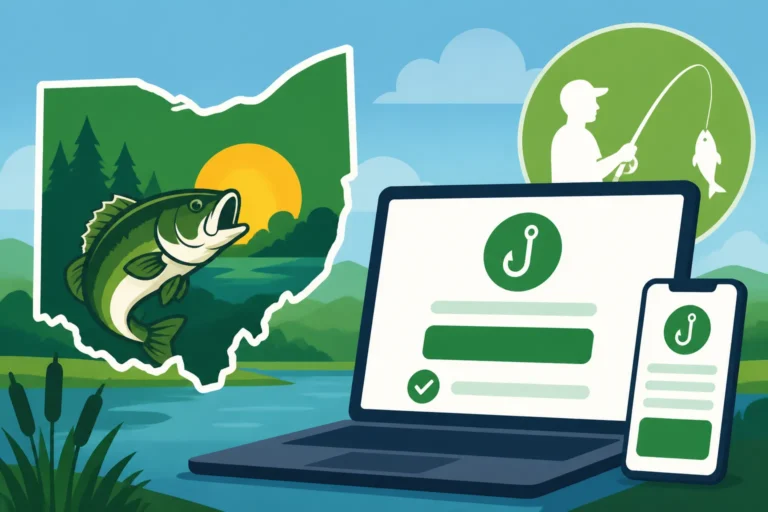
The convenience of a digital PDF cannot be overstated for today's angler. Unlike a physical booklet that can get wet, torn, or simply forgotten at home, a PDF can be downloaded and stored directly on your smartphone, tablet, or laptop. This means that as long as you have your device, you have the full, official Ohio Fishing Regulations Every Angler Should Know with you, even if you lose cell service out on the lake. Many anglers find it helpful to download the PDF at the start of each new fishing season, ensuring they always have the most current version.
Think about it: you're planning a last-minute trip to a new lake, perhaps somewhere like Alum Creek Lake or Lake Milton. Instead of scrambling to find a printed guide, you can simply pull up the ODNR website, download the latest PDF, and familiarize yourself with any specific rules for that body of water before you even leave home. This digital format also often allows for keyword searches, making it much faster to find specific information, like "walleye size limit" or "trout stocking dates," compared to flipping through pages of a physical book. It's truly about having critical information at your fingertips, whenever and wherever you need it.
Your Primary Source: The ODNR Website
When it comes to official Ohio fishing regulations, there's one source you can always trust: the Ohio Department of Natural Resources (ODNR) Division of Wildlife website. This is the government agency responsible for managing all wildlife and natural resources in the state, including fishing. Any other source, while potentially helpful, might not be as up-to-date or comprehensive as the direct information provided by the ODNR. Always bookmark their site or make a mental note to check it first.
Step-by-Step Guide to Finding the PDF
Finding the Ohio Fishing Regulations PDF on the ODNR website is a straightforward process, but sometimes knowing exactly where to click can save you a lot of time and frustration. Here’s how you can do it:
- Open Your Web Browser: Start by opening your preferred internet browser on your computer, tablet, or smartphone.
- Navigate to the ODNR Website: In the search bar, type "Ohio Department of Natural Resources" or "ODNR Ohio" and hit enter. The official website, usually
ohiodnr.gov, should be one of the top results. Click on it. - Find the "Wildlife" Section: Once on the ODNR homepage, look for a section or menu item labeled "Wildlife." This is where all information related to hunting, fishing, and wildlife management is housed. You might find it in a main navigation menu, a dropdown, or a prominent button.
- Locate "Fishing & Boating": Within the "Wildlife" section, search for a subsection or link that specifically mentions "Fishing & Boating" or just "Fishing." Click this link to go to the main fishing portal.
- Search for "Regulations" or "Fishing Guidebook": On the main fishing page, there will usually be a clear link or button that says something like "Fishing Regulations," "Current Fishing Regulations," or "Fishing Guidebook." This is the link you're looking for. The ODNR typically publishes an annual "Ohio Fishing Regulations" booklet, and the PDF version is made available here.
- Download the PDF: Clicking the regulations link will usually either open the PDF directly in your browser or prompt you to download it. If it opens in your browser, look for a download icon (often an arrow pointing down) or a "Save" option to save it to your device.
It’s a good practice to save the file in an easily accessible folder or your device’s "Downloads" folder. This way, you won't have to repeat these steps every time you need to reference the rules. If you're having trouble locating it, using the internal search bar on the ODNR website (if available) and typing "fishing regulations" is another reliable method.
Understanding the Annual Regulation Changes
One of the most crucial things to remember about the Ohio Fishing Regulations PDF is that it's updated annually. The regulations typically become effective on March 1st each year. This means the rules you followed last year might not be exactly the same this year. For example, Ohio Fishing Season Dates and Effective Periods for certain species or waters can shift based on population health or management goals. Similarly, specific Lake Erie Walleye Bag Limits or inland saugeye regulations might be adjusted.
When you download the PDF, always double-check the publication date or the "effective date" listed within the document itself. This is usually prominently displayed on the cover or in the introductory pages. It ensures you're not mistakenly adhering to last year's rules. The ODNR puts a lot of effort into assessing fish populations and angler impact, and these annual adjustments are a direct result of that work. So, while it can sometimes feel like a moving target, these changes are vital for maintaining healthy fisheries across Ohio.
Alternative Avenues for Accessing Regulations
While the ODNR website is your definitive source, there are other ways to access and interact with Ohio's fishing regulations, especially for those who prefer digital tools or a more integrated experience. These alternatives can complement the official PDF and provide added convenience, although it's always wise to cross-reference with the main ODNR document for absolute certainty.
Mobile Apps and Digital Editions
Many states, including Ohio, have recognized the widespread use of smartphones and have developed mobile applications or optimized digital versions of their regulations. The HuntFish OH mobile app, developed by the ODNR, is a prime example of this. This app is available for both Apple (iOS) and Android devices and offers a wealth of information at your fingertips, often including direct links to the current regulations, mapping features, and even the ability to purchase or display your Ohio Fishing License Guide for Residents and Nonresidents.
Using an app like HuntFish OH can be incredibly convenient. Instead of searching for the PDF every time, you can open the app, navigate to the regulations section, and quickly find what you need. It's designed to be user-friendly and keep all your essential fishing information in one place. While not strictly a "PDF," these apps often present the same regulatory text in a more navigable, mobile-friendly format. It's a great option for those who live and breathe on their mobile devices, and it even helps if you're looking for Buying an Ohio Fishing License Online or checking specific Ohio Youth Fishing License Rules.
Physical Booklets vs. Digital Copies
Despite the rise of digital access, the physical Ohio Fishing Regulations booklet is still widely available and preferred by many anglers. You can often pick up a free copy wherever fishing licenses are sold, such as bait shops, sporting goods stores like Cabela's or Dick's Sporting Goods, or even at some county offices. The question then becomes, which is better: a physical booklet or a digital PDF?
Both have their merits. A physical booklet is fantastic for quick, easy flipping through pages, and it doesn't rely on battery life or internet connectivity. It's also less prone to getting lost in digital files. However, as discussed, it can get damaged, and if you don't pick up the latest version, it might be outdated. A digital PDF, on the other hand, is always with you if it's on your phone, easily searchable, and you can quickly confirm it's the most current version. Some anglers carry both – a physical copy for general reference and the digital PDF on their phone for specific searches or when they've forgotten the paper version. Knowing Where to Find the Ohio Fishing Regulations Booklet can be helpful, but having the digital backup is always a smart move. Ultimately, the best choice depends on your personal preference and how you prefer to access information while on the water.
What to Look For in the Ohio Fishing Regulations PDF
Once you've got that Ohio Fishing Regulations PDF open, it can feel a bit overwhelming at first. There's a lot of text, and sometimes the legal jargon can make your head spin. But don't worry, with a little guidance, you'll be able to quickly navigate the document and find the critical information you need for a successful and legal day of fishing. Remember, the goal is to enjoy your time on the water, not spend it stressing over rules.
Key Sections to Pay Attention To
The ODNR meticulously organizes the fishing regulations to make them as clear as possible. While you should ideally review the entire document, some sections are absolutely critical to every angler.
- General Statewide Regulations: This is usually at the beginning of the booklet and covers fundamental rules that apply to most waters across Ohio. This includes basics like requiring an Ohio Fishing License Costs Explained, general definitions, and how many rods and reels you can use (the "two-pole rule" is common).
- Species-Specific Regulations: This is often broken down by individual fish species (Walleye, Bass, Crappie, Catfish, Muskie, etc.). Here, you'll find the all-important daily bag limits (how many fish you can keep) and minimum length limits (how long a fish must be to keep it). Pay close attention, as these can vary significantly. For instance, the limits for Walleye on Lake Erie are often different from those in inland reservoirs like Mosquito Creek Lake.
- Water-Specific Regulations: Beyond statewide and species rules, many individual lakes, rivers, and streams have their own unique regulations. This could be anything from special catch-and-release only sections, different size or bag limits, or restrictions on bait or motor usage. Lake Erie, for example, has its own set of comprehensive Lake Erie Fishing Regulations in Ohio due to its immense size and specific ecosystem. Always check this section if you're fishing a new body of water.
- Prohibited Acts and Enforcement: This section details what you cannot do while fishing and outlines the penalties for violations. This is where you'd find information about What Happens If You Fish Without a License in Ohio or the Ohio Wildlife Officer Fishing Violation Fine Schedule. It's a good deterrent and a reminder to always fish legally.
- Important Dates and Definitions: Look for a section explaining when the regulations are effective (e.g., March 1st to the end of February the following year) and a glossary of terms used throughout the document. Understanding these definitions can prevent misinterpretations.
Understanding Dates and Zones
Dates and zones are two critical elements that often trip up anglers. Fishing regulations are not static, and they frequently change based on the calendar year or even specific geographical areas within the state.
- Effective Dates: As mentioned, Ohio's fishing regulations typically run on an annual cycle, usually from March 1st to the last day of February the following year. It is absolutely crucial to be aware of the current effective dates for the regulations you are reading. Don't assume last year's rules still apply. Always look for a clear statement of the regulatory period at the beginning of the document or on the ODNR website's landing page for regulations. Fishing seasons, especially for certain species like trout or steelhead, also have very specific Ohio Fishing Season Dates and Effective Periods that anglers must adhere to.
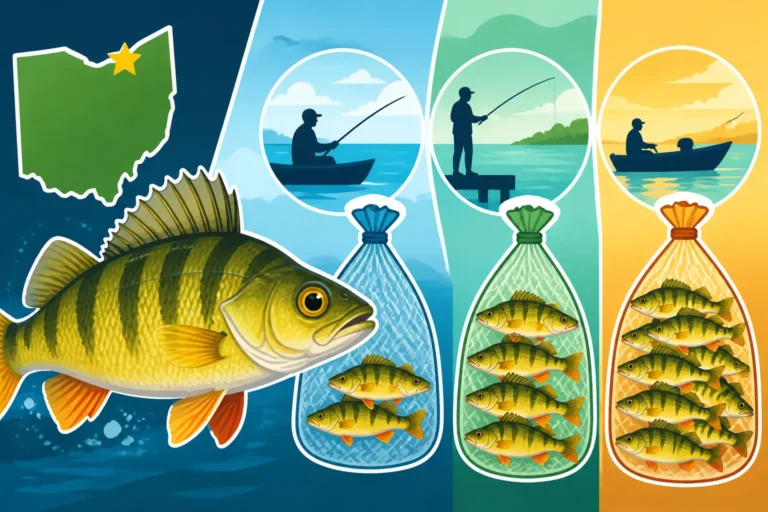
- Fishing Zones: Ohio has diverse aquatic habitats, and it's not a one-size-fits-all state for regulations. Lake Erie, for example, is often divided into management zones (Western Basin, Central Basin, Eastern Basin), each with potentially different bag or size limits for certain species like yellow perch. Inland waters might have specific rules for the Ohio River or certain reservoirs. The PDF will typically include maps or clear descriptions outlining these zones. If you're planning to fish in a new area, always check if it falls under any special zone regulations. Misunderstanding a zone can easily lead to a violation, even if you thought you were following the general statewide rules.
To make it a bit easier to digest, here's a quick overview of key sections you’ll find in the Ohio Fishing Regulations PDF:
| Section Title | What It Covers | Key Information You'll Find |
|---|---|---|
| General Regulations | Basic rules applicable statewide to all anglers and waters. | License requirements, methods of take, two-pole limits, general definitions. |
| Licenses, Permits & Exemptions | Who needs a license, different types, and exemptions. | Resident vs. Nonresident licenses, youth/senior rules, combination licenses, specific permits (e.g., tournaments). |
| Species Regulations | Detailed rules for individual fish species. | Daily bag limits, minimum length limits, exceptions by water body. |
| Water Body Specific Regulations | Special rules for particular lakes, rivers, or streams. | Unique size/bag limits, bait restrictions, motor restrictions, catch-and-release areas (e.g., Lake Erie Walleye Bag Limits or river rules). |
| Seasons & Dates | When certain fishing activities are allowed or peak. | Open seasons for specific species, stocking dates for trout, Ohio Fishing Season Dates and Effective Periods. |
| Prohibited Acts & Penalties | What is not allowed and the consequences of violations. | Illegally taking fish, fishing without a license, littering, Ohio Wildlife Officer Fishing Violation Fine Schedule. |
| Boating Regulations (often separate) | Rules for operating watercraft. | Registration, safety equipment, speed limits (though often in a separate ODNR boating guide). |
Having this guide in mind when you open the PDF will help you quickly hone in on the information that matters most to your fishing plans.
Disclaimer
Please remember that while this guide provides comprehensive information on where to find Ohio fishing regulations online, it is not a substitute for reading the official regulations document itself. Always consult the current Ohio Fishing Regulations PDF provided by the Ohio Department of Natural Resources (ODNR) Division of Wildlife for the most accurate and up-to-date rules. Regulations can change, and it is every angler's responsibility to know and follow them.