Ohio State Record White Crappie Weight
For many anglers, the pursuit of a truly memorable catch is what keeps them coming back to the water, season after season. And when it comes to panfish, few species spark as much passion and dedication as the crappie. If you’ve ever dreamed of pulling in a slab that breaks the tape and tips the scales, you're likely curious about the benchmarks, especially the revered state record for white crappie here in Ohio. This guide will dive deep into that monumental achievement, exploring what it takes to catch a fish of that caliber and where you might find your own trophy crappie.
The Allure of the White Crappie
There's something uniquely captivating about crappie. Maybe it's their delicate, flaky white meat that makes for an incredible dinner, or perhaps it's their unpredictable nature, where you can go from zero to a full livewell in minutes. Whatever the reason, anglers across Ohio hold a special place in their hearts for these speckled beauties.
Why Crappie Capture Anglers' Hearts
White crappie, with their distinct vertical bars and sometimes slightly more elongated bodies compared to their black crappie cousins, are a common and beloved target throughout Ohio's lakes, reservoirs, and slow-moving rivers. They’re often found in schools, making for fast and furious action when you hit the right spot. They're accessible to anglers of all skill levels, from the seasoned veteran with specialized electronics to the kid with a cane pole on a dock. Their eagerness to bite, especially during prime times like the spring spawn or fall feeding frenzies, creates unforgettable memories and fuels countless fishing tales. They're also a fantastic species for introducing new anglers to the sport because success often comes quickly, building confidence and excitement. You can learn more about differentiating the two species in our guide on Ohio White Crappie vs Black Crappie.
The Dream of a State Record
Every angler, whether they admit it or not, probably harbors a secret desire to catch a state record. It's the ultimate validation, a testament to skill, perseverance, and a little bit of luck. For white crappie, breaking the state record isn't just about catching a big fish; it's about finding that rare specimen that has somehow managed to grow larger and older than nearly all its peers. It requires understanding their habitat, their feeding patterns, and knowing when and where to present the perfect bait. The dream of a state record isn't just about the fish itself, but about the story, the journey, and the potential to etch your name into Ohio's angling history. It inspires a deeper study of the species and often pushes anglers to explore new waters and refine their techniques, making the pursuit itself a rewarding experience.
Unveiling the Ohio State Record White Crappie Weight
Ohio boasts some truly incredible fisheries, and while walleye on Lake Erie or big bass in inland lakes often grab the headlines, the white crappie record is a testament to the quality of our panfish opportunities. Knowing this benchmark can give you a real target to aim for if you're serious about trophy crappie fishing.
The Current Record Holder
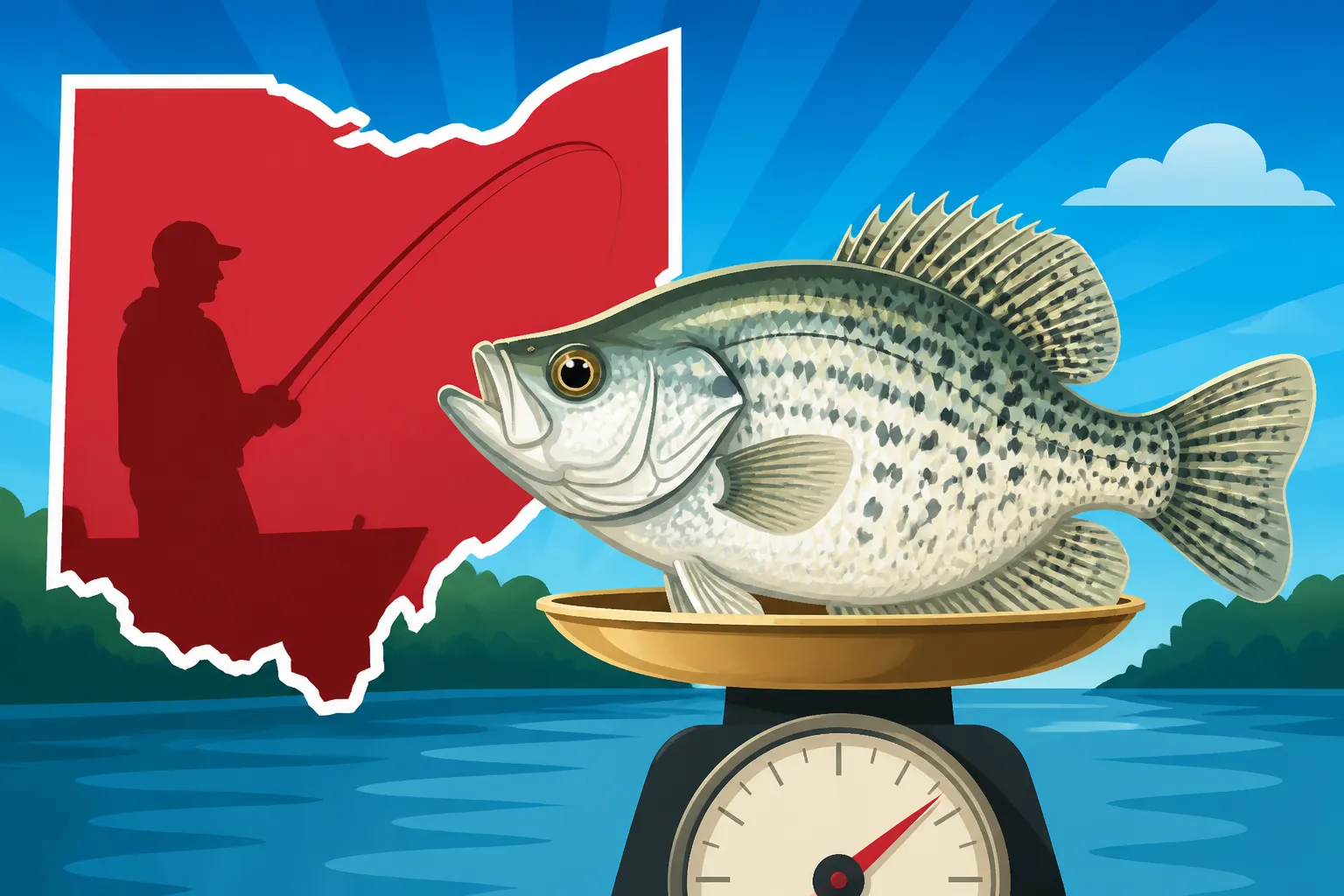
The current Ohio state record for white crappie stands at an impressive weight of 4 pounds, 3 ounces. This magnificent fish was caught by an angler named Jim Burden in 1995 while fishing at a private pond in Clinton County. Catching a crappie over 2 pounds is considered a true trophy, so to land one more than double that weight is an extraordinary feat. It highlights the potential for massive crappie, not always in the most obvious places, but often in waters with exceptional forage and minimal fishing pressure. This record has held for decades, underscoring just how challenging it is to find a white crappie that grows to such a colossal size.
The Significance of This Achievement
A 4-pound, 3-ounce white crappie is a fish of a lifetime. Think about it: most crappie you catch might be in the half-pound to pound-and-a-half range. To find one that has evaded predators, survived countless cold winters and hot summers, and found enough food to pack on that much weight is nothing short of amazing. The fact that it came from a private pond is also telling. Often, these smaller, less-pressured bodies of water, if managed correctly, can produce exceptionally large fish because of abundant food sources and less competition or angling pressure. This record serves as a beacon for crappie anglers, proving that truly giant specimens exist within our state's waters, motivating many to chase their own personal bests. It reminds us that every cast could be the one that hooks into something truly special.
What Makes a Record-Breaking White Crappie?
Catching a state record isn't just about luck. While a bit of good fortune certainly helps, these immense fish are usually the product of specific environmental conditions, abundant food, and a long lifespan. Understanding these factors is crucial for any angler hoping to land a true giant.
Ideal Habitat and Environment
Record-breaking white crappie typically thrive in environments that offer a perfect blend of rich forage, diverse cover, and stable water conditions. They prefer large, fertile lakes and reservoirs with plenty of submerged timber, brush piles, weed beds, and even man-made structures like dock pilings or bridge abutments. These features provide essential ambush points for feeding and protection from predators. Lakes with a good amount of turbidity (cloudiness) can also be beneficial, as crappie are sight feeders but can get spooked in crystal-clear water. Furthermore, a stable ecosystem with a healthy population of baitfish, such as shad or juvenile bluegill, is non-negotiable for crappie to reach monumental sizes. Water temperature also plays a critical role, influencing their metabolism and feeding activity. Knowing the Best Ohio Lakes for Crappie can give you a head start on finding these prime locations.
Forage and Growth Factors
The adage "you are what you eat" holds especially true for fish, and certainly for a crappie aiming for record books. A diet rich in high-protein forage is essential for rapid growth. While young crappie feed on zooplankton and insect larvae, larger crappie primarily subsist on baitfish. Gizzard shad, threadfin shad, small minnows, and the fry of other game fish are key components of a trophy crappie's diet. Lakes and ponds that experience consistent baitfish blooms provide the fuel these fish need to grow larger than average. Additionally, a relatively stable population density means less competition for food among crappie, allowing a few individuals to outcompete others and achieve exceptional size. Without this sustained access to ample, nutrient-dense food, even the most genetically gifted crappie wouldn't reach state record proportions.
The Role of Genetics and Age
While habitat and forage are vital, genetics and age are the unsung heroes behind truly colossal crappie. Just like people, some fish are simply predisposed to grow larger and live longer. A record-breaking white crappie has likely inherited genes that promote faster growth rates and increased longevity. These fish need to survive for many years, avoiding predators like bass, muskie, and even anglers, to reach their full potential. A 4-pound, 3-ounce crappie is an old fish, probably several years older than the average crappie you might catch. This combination of superior genetics and the ability to survive a long life in a favorable environment is what ultimately allows a rare few to become state record contenders.
How to Chase a Trophy White Crappie in Ohio
So, you're inspired by the record and want to try your hand at catching a giant crappie? It's an exciting challenge, and while there are no guarantees, you can significantly increase your odds by focusing on specific locations, employing proven techniques, and understanding crappie behavior.
Targeting Top Crappie Lakes and Reservoirs
Ohio has numerous excellent crappie fisheries, but to target a trophy, you need to think about lakes known for producing larger-than-average specimens. While the state record came from a private pond, public waters certainly hold giants too. Reservoirs like Alum Creek Lake, Hoover Reservoir, and Mosquito Creek Lake are often mentioned for their crappie populations, with anglers frequently reporting large slabs. Look for waters with extensive timber, significant standing brush, and deep channels where crappie can find cover and feed on schools of baitfish. Studying bathymetric maps to identify structure and depth contours is a fantastic way to pinpoint potential honey holes before you even launch the boat. Don't be afraid to explore lesser-known public access ponds or even inquire about private lake access – sometimes these hidden gems hold the biggest surprises.
Essential Gear and Techniques for Big Crappie
When chasing trophy crappie, you might need to adjust your approach from standard panfish tactics. While small jigs and minnows are always effective, upsizing your presentation slightly can sometimes deter smaller fish and attract the true giants.
Here’s a breakdown of essential gear and techniques:
- Rods and Reels: A light to medium-light spinning rod, typically 6 to 7 feet long, paired with a small spinning reel spooled with 4-6 pound test monofilament or fluorocarbon line, is ideal. This setup provides the sensitivity to detect subtle bites and the backbone to handle a large fish.
- Lures and Baits:
- Jigs: Small plastic jigs (1/16 to 1/8 ounce) in natural colors like white, chartreuse, or black and blue are consistent producers. Try different profiles, from tiny tubes to curly-tailed grubs. You can often find a wide variety of these on Amazon to experiment with.
- Live Bait: A small minnow, lip-hooked or hooked through the back, suspended under a slip bobber, is arguably the most effective bait for large crappie, especially in colder water. Learn How to Rig a Live Minnow for Crappie.
- Spoons/Blade Baits: In deeper water, small spoons or blade baits can be jigged vertically to entice hesitant crappie.
- Techniques:
- Vertical Jigging: When crappie are schooled tightly around structure or in deeper water, vertical jigging directly over them is highly effective. Use your fish finder to locate schools and drop your bait right into the strike zone.
- Casting and Retrieving: Fan-casting jigs around submerged cover, allowing them to sink and then slowly retrieving them with a subtle twitch, can draw strikes from cruising crappie.
- Trolling: Especially in larger reservoirs, slow trolling with multiple rods, presenting different baits at various depths, can help you cover water and locate schools. This is particularly effective during the warmer months when crappie might be scattered.
- Dock Shooting: For anglers fishing from shore or in small boats, "dock shooting" jigs under docks or overhangs can reach crappie holding in otherwise inaccessible areas.
Remember to bring a quality landing net; you don't want to lose a potential record-breaker at the boat!
Understanding Crappie Behavior Throughout the Seasons
Crappie behavior changes dramatically with the seasons, and understanding these patterns is key to consistent success, especially for trophy fish.
- Spring (Pre-Spawn & Spawn): This is often the prime time for catching large crappie. As water temperatures rise into the 50s and low 60s, crappie move from deeper wintering holes into shallower, warmer waters to spawn. They'll be found around submerged brush, weed beds, and fallen trees in coves and protected bays. They are often aggressive and feeding heavily, making them vulnerable to jigs and minnows. This is when they move shallow in Do Crappie Move Shallow in Spring in Ohio?.
- Summer: After the spawn, crappie can be a bit more challenging. They often retreat to deeper, cooler water, relating to deep structure, thermoclines, and main lake points. Night fishing can be particularly effective in summer, as crappie move shallower to feed under the cover of darkness. They can still be caught during the day by targeting deep timber or brush piles using vertical jigging or slow trolling techniques.
- Fall: As water temperatures begin to drop, crappie become highly active again, gorging themselves on baitfish in preparation for winter. They often school up tightly in major creek channels or along steep breaks. This is a fantastic time for aggressive jigging presentations or slow trolling minnow-tipped jigs.
- Winter (Ice Fishing): For dedicated ice anglers, winter can be incredibly productive for crappie. They tend to hold in deeper holes, often suspended over structure. Small spoons, horizontal jigs, and minnows fished through the ice can yield impressive catches. Patience and a good fish finder are crucial here. You can learn more in our Ohio Ice Fishing Guide.
By adapting your tactics to the season and focusing on the areas where trophy crappie are most likely to be, you significantly increase your chances of hooking into that personal best, or perhaps even challenging the state record.
Factors Influencing Trophy Crappie Growth
| Factor | Impact on Crappie Growth | Angler's Takeaway |
|---|---|---|
| Abundant Forage | Provides necessary protein and energy for rapid growth. Crappie primarily eat baitfish. | Target lakes with healthy populations of shad or minnows. Use baitfish imitations. |
| Stable, Rich Habitat | Offers cover for ambush feeding and protection from predators, promoting longevity. | Look for lakes with extensive submerged timber, brush piles, and weed beds. |
| Low Angling Pressure | Allows fish to live longer, reaching older ages and larger sizes. | Explore less-fished areas, private ponds (with permission), or larger, overlooked lakes. |
| Favorable Genetics | Inherited traits that lead to naturally faster growth and larger maximum size. | While uncontrollable, some lakes are known for "big crappie genetics." |
| Optimal Water Quality | Stable oxygen levels, moderate temperatures, and healthy water chemistry. | Fish healthy, well-managed lakes; avoid polluted or stagnant waters. |
| Longevity | Crappie need several years to reach trophy sizes. | Big crappie are old crappie; be patient and consistent in your efforts. |
Disclaimer
This article is for general informational purposes only and does not constitute professional advice. Laws, prices and regulations vary by location and change over time. Consult a qualified professional for guidance on your specific situation.