How Big Flathead Catfish Get in the Ohio River
The Ohio River is a legendary waterway, a true behemoth that carves its way through our great state, and for many anglers, it represents the ultimate frontier for chasing truly massive fish. If you've ever dreamt of battling a beast that can pull like a freight train, you've likely wondered, "Just how big do those flathead catfish really get in the Ohio River?" This guide dives deep into the incredible growth potential of these powerful predators, helping you understand what makes the Ohio River such a prime habitat for trophy-sized flatheads, and what you can do to put one of these giants in your net.
The Legendary Size of Ohio River Flatheads
When we talk about flathead catfish in the Ohio River, we're not just talking about big fish; we're talking about genuine river monsters. These aren't your typical pond bluegills; flatheads are apex predators in their ecosystem, and the Ohio River provides them with everything they need to reach truly epic proportions. Anglers often share stories, sometimes exaggerated, sometimes jaw-droppingly true, of flatheads that seem to defy belief, and for good reason—the river system here is perfectly suited for growing giants.
Understanding Average vs. Trophy Sizes
Most flatheads you'll encounter on a typical fishing outing on the Ohio River might range from 5 to 20 pounds. These are still solid, respectable fish that offer a fantastic fight and make for a great day on the water. They're strong, determined, and a blast to catch, whether you're bank fishing or out in a boat. This "average" size is what most folks reliably catch with consistent effort and the right techniques.
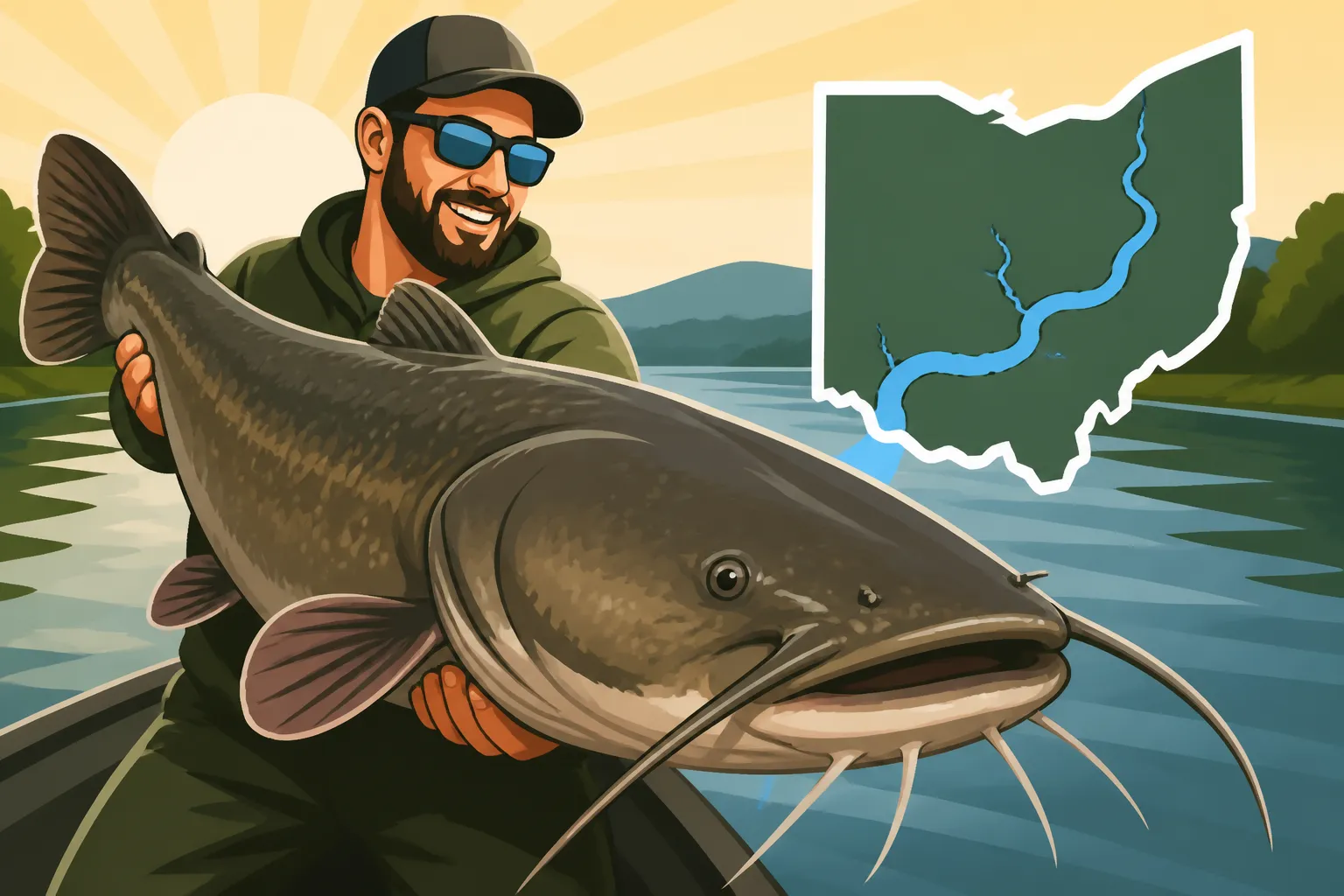
However, the real excitement for many of us comes from the potential for a true trophy. The Ohio River consistently produces flatheads well over 30 pounds, and catches in the 40- to 60-pound range are not uncommon for dedicated anglers who know the river's secrets. These are the fish that require heavy-duty gear and serious grit to land, the kind that will test every knot and bend your rod to its breaking point. Imagine wrestling a fish that's nearly as tall as you are when stood on its tail, with a head like a shovel and a powerful, broad body. That's the Ohio River flathead we're talking about!
The Potential for State Record Breakers
While most anglers are happy with a 30-pounder, the Ohio River holds the potential for genuine state record contenders. Ohio's current state record flathead catfish is a testament to the river's capacity for producing behemoths. These fish don't just grow large; they grow massive. We're talking about fish that push or even exceed the 70-pound mark. While breaking a state record is an incredible feat that requires immense luck, skill, and persistence, the Ohio River is absolutely one of the prime locations in Ohio where such a fish could be swimming. It's a daunting challenge, but knowing that potential exists keeps many of us coming back to the river, day after day, year after year.
Factors Influencing Flathead Catfish Growth in the Ohio River
So, why does the Ohio River consistently kick out such enormous flatheads? It's not just luck; it's a perfect storm of environmental factors that contribute to their incredible growth rates and longevity. This river system provides an ideal nursery and hunting ground for these predatory fish, allowing them to thrive and pack on the pounds.
Abundant Food Sources
Flathead catfish are obligate piscivores, meaning they primarily eat other fish. Unlike channel catfish that are often scavengers, flatheads prefer live prey. The Ohio River is a veritable buffet for them, teeming with a wide variety of forage fish. Think about it: gizzard shad, emerald shiners, various species of carp, even smaller sunfish and drum—all of these provide a rich, protein-packed diet for flatheads. This constant availability of high-quality food means they don't have to expend excessive energy searching for meals, allowing more of their intake to go towards growth rather than just sustenance. Ohio River Fishing Guide
Moreover, the Ohio River's diverse habitats, from shallow riffles to deep pools and snag-filled bends, support robust populations of these prey species. This ensures that no matter where a flathead chooses to set up its ambush point, there's always a meal passing by. This continuous and varied food supply is perhaps the single most important factor in their ability to reach such impressive sizes. It’s like a perpetually stocked pantry for a hungry predator.
Ideal Habitat and Structure
Flathead catfish are creatures of structure. They love to hide in cover, ambushing unsuspecting prey that swims too close. The Ohio River, with its complex and varied underwater landscape, offers an absolute paradise for them. We're talking about massive log jams, submerged trees, rock piles, bridge abutments, old barge wrecks, and deep scour holes created by current. These aren't just hiding spots; they're prime ambush locations.
The steady current of the Ohio River also plays a crucial role. It delivers food directly to their doorstep, often concentrating baitfish around these structures. A flathead can simply sit in a slack water eddy behind a snag, conserving energy, waiting for the current to bring its next meal right into its strike zone. The sheer scale and depth of the Ohio River, especially in those deeper channels and pools, also provide ample room for these fish to grow without feeling crowded. You'll often find that the biggest flatheads claim the best, most protected, and food-rich pieces of structure.
Water Quality and Management
Over the past few decades, the water quality in the Ohio River has seen significant improvements, thanks to ongoing conservation efforts and stricter environmental regulations. While it's still a mighty working river, these improvements have created a healthier ecosystem, allowing fish populations, including flatheads, to flourish. Healthier water means healthier fish that can grow faster and live longer.
Furthermore, responsible fisheries management by the Ohio Department of Natural Resources (ODNR) and neighboring states helps maintain stable and thriving fish populations. While specific regulations like Ohio Catfish Daily Bag Limit and minimum length limits might seem restrictive to some, they are crucial for ensuring that enough fish reach maturity and spawn, and that trophy-sized fish have the chance to grow truly large before they're harvested. It's a delicate balance, but one that is essential for the long-term health of our river's flathead population.
How to Target Trophy Flathead Catfish in the Ohio River
Chasing trophy flatheads on the Ohio River is a serious endeavor that requires dedication, the right gear, and a solid understanding of their habits. It's not a casual afternoon panfishing trip; it's an adventure into the heart of big-game fishing. If you're serious about putting a monster flathead in your hands, here's what you need to know.
Essential Gear for Big Flatheads
You cannot show up to the Ohio River with light tackle and expect to land a 50-pound flathead. These fish are incredibly powerful and will make short work of inadequate equipment. You need heavy-duty rods, reels, and line that can withstand immense pressure. Think about a stout, medium-heavy to heavy action catfish rod, typically 7 to 10 feet long, capable of handling line weights upwards of 30-80 pounds. For reels, a large baitcasting reel with a robust drag system and high line capacity is essential. Many anglers prefer conventional reels for their sheer power.
When it comes to line, braided line in the 50-80 pound test range is the standard. It offers incredible strength, sensitivity, and resistance to abrasion, which is crucial when fishing around the snags flatheads call home. Pair this with heavy-duty circle hooks (8/0 to 12/0 depending on bait size) and strong swivels and sinkers (often 3-8 ounces or more to hold bottom in current). Don't skimp on quality; a broken line or bent hook during the fight of a lifetime is a heartbreaking experience. You can find many reliable brands of heavy-duty catfish gear on sites like Amazon, which often have a great selection of specialized equipment you might not easily find at every local bait shop.
| Gear Item | Recommended Specification | Why It's Important |
|---|---|---|
| Rod | 7-10 ft, Medium-Heavy to Heavy Action | Power to turn big fish, absorb shock, and cast heavy baits/weights. |
| Reel | Large Baitcasting/Conventional, High Capacity | Strong drag system to stop powerful runs, holds plenty of heavy line. |
| Line | 50-80 lb Braided | Incredible strength, abrasion resistance for snags, no stretch for solid hooksets. |
| Leader | 80-100 lb Monofilament or Fluorocarbon | Extra abrasion resistance against teeth and structure, slight stretch for shock absorption. |
| Hooks | 8/0 – 12/0 Circle Hooks | High hook-up ratio in the corner of the mouth, safer for fish, strong enough to hold. |
| Sinkers | 3-8 oz (or more) No-Roll/Pyramid | Necessary to hold bait in strong Ohio River current, prevent drift into snags. |
Live Bait is Key
Remember, flatheads are predators that prefer live prey. While some anglers have success with cut bait in specific situations, live bait is almost universally accepted as the most effective offering for trophy flatheads. The bigger the flathead you're after, often the bigger the bait you'll need. Common choices include bluegills, sunfish, shad, suckers, or even small carp. These baits should be lively and fresh.
The challenge is often in obtaining and keeping these baits alive. Many serious flathead anglers catch their own bait from local ponds or smaller tributaries. Keep them in a well-aerated livewell or bait bucket. Presenting your live bait correctly is crucial. A simple Carolina rig or a three-way swivel rig works well, allowing your bait to swim naturally near the bottom or around structure without getting tangled. Best Baits for Ohio Catfish This natural presentation is critical to enticing a wary, large flathead.
Locating Prime Flathead Habitat
Successfully targeting trophy flatheads on the Ohio River boils down to finding their preferred haunts. As mentioned, they are structure-oriented. Look for areas with heavy cover and current breaks. Think about the upstream and downstream sides of bridge pilings, deep holes adjacent to log jams, scour holes below dams, or abrupt changes in bottom contour. Current seams where fast water meets slow water are also prime ambush points.
You'll need a good understanding of the river's underwater topography. Navionics or other mapping software on a fish finder can be invaluable here. Don't be afraid to experiment, but focus your efforts on areas where you know there's significant submerged structure. Fishing the Ohio River for Catfish Often, the best spots require careful boat positioning and anchoring, sometimes using multiple anchors to stay put in the strong current. Remember, flatheads often become more active as dusk approaches and through the night, so night fishing is a very popular and productive method for targeting these nocturnal hunters. Best Time of Day to Catch Catfish in Ohio
Documenting Your Monster Catch and Best Practices
Landing a truly enormous flathead from the Ohio River is a monumental achievement. It's a moment you'll want to remember and, ideally, share with others. However, with such large and powerful fish, it's also crucial to prioritize their safety and well-being, especially if you plan to release them. Responsible handling ensures these magnificent creatures can continue to thrive in the Ohio River for years to come.
Safe Handling and Photography Tips
Once you've managed to muscle a giant flathead to the boat or shore, the adrenaline will be pumping, but take a moment to collect yourself and prioritize the fish's health. For large flatheads, a sturdy net or a large lip gripper designed for big catfish is essential. Avoid dragging them up by the gills or tail, as this can cause significant injury. If you can, keep the fish in the water as much as possible, especially during warm weather.
When it comes to photos, have your camera ready before the fish is even out of the water. Minimize the time the fish is exposed to air. Support the fish's body horizontally with two hands—one under the head/gill plate area and one supporting the belly. Never hold a large flathead vertically by the jaw alone, as their heavy bodies can cause severe internal damage. Get a few quick shots, and then gently return the fish to the water. Some anglers even prefer to use a measuring board and take photos of the fish still in the water to avoid unnecessary stress. Remember, proper handling is a sign of a true conservation-minded angler.
Catch and Release Considerations
For many serious trophy flathead anglers, the goal is often catch and release. These large flatheads are the broodstock of the river, the older, wiser fish that contribute significantly to the population. While keeping a fish for the table is certainly an option and within regulations, consider the impact of removing a massive, decades-old fish from the ecosystem. A 50-pound flathead can be 20 years old or more. How Big Flathead Catfish Get at Clendening Lake
If you plan to release, ensure the fish is revived properly. Hold it gently in the water, facing into a mild current, until it can swim away under its own power. Sometimes this means holding the fish for several minutes. Watch for strong tail kicks and good equilibrium. Releasing a fish effectively means it has the best chance of survival. Sharing your catch and release stories and photos can also inspire other anglers to adopt similar conservation practices, ensuring that the Ohio River remains a top-tier fishery for these incredible flathead catfish.
Learning More About Ohio River Fishing
The Ohio River offers an immense and rewarding challenge for any angler, especially those after the big flatheads. There's always more to learn and new techniques to try. Consider exploring other resources for Ohio fishing, such as Ohio River Catfish Guide Services if you're looking for an expert to show you the ropes, or checking out more about How to Identify a Flathead Catfish to make sure you know exactly what you've got on the end of your line. Getting familiar with the specific characteristics and habits of these fish will only increase your success and enjoyment on the water.
Disclaimer
This article is for general informational purposes only and does not constitute professional advice. Laws, prices and regulations vary by location and change over time. Consult a qualified professional for guidance on your specific situation.