Fish Native to Lake Erie
Have you ever stood on the shores of Lake Erie, or felt the hum of your boat engine, and wondered about the true original inhabitants beneath the waves? It’s easy to get confused with all the different fish species we catch and hear about, and figuring out which ones are genuinely native to Lake Erie can be a bit of a puzzle. This guide is here to untangle that web, helping you understand which incredible fish species truly call Lake Erie home and why that distinction matters.
Understanding "Native" vs. "Introduced" Species in Lake Erie
When we talk about "native" fish in Lake Erie, we're referring to species that have naturally evolved and established populations in the lake over a very long time, without direct human intervention. They are the original settlers, perfectly adapted to this unique ecosystem. On the other hand, "introduced" or "non-native" species are those that arrived in Lake Erie due to human activity, whether intentionally or accidentally.
The lines can sometimes feel a bit blurry, especially when a species has been present for a very long time, or when something like the Ohio River system feeds into the Lake Erie basin with species that are native to the broader region, but perhaps not specifically to the lake itself. However, for a true understanding of Lake Erie's natural biodiversity, recognizing its indigenous inhabitants is key.
Why the Distinction Matters for Anglers
For those of us who love to fish, understanding the difference between native and introduced species isn't just a matter of scientific curiosity; it's fundamental to being a responsible and informed angler. Native fish are intrinsically linked to the health of the Lake Erie ecosystem. They've co-evolved with the local flora, fauna, and environmental conditions, playing specific roles in the food web and maintaining ecological balance. When non-native species are introduced, they can sometimes outcompete native fish for food and habitat, introduce diseases, or disrupt delicate ecological processes.
Thinking about conservation, our efforts often focus on protecting and restoring native populations. If we don't know what's truly native, how can we effectively manage the fishery for long-term sustainability? Moreover, many native species represent incredible angling opportunities, offering unique challenges and rewards that are deeply rooted in the history of Lake Erie fishing. Learning to identify these species correctly enhances our appreciation for the resource and helps us support healthy fish populations.
How Species Become Non-Native
It’s often a bittersweet story how a fish species becomes "non-native" in a particular body of water. Historically, human activities have been the primary drivers of these introductions. One of the most significant pathways for Lake Erie has been commercial shipping. Ballast water, taken on in one port and discharged in another, has inadvertently carried countless aquatic organisms, including fish larvae, invertebrates, and plant matter, across oceans and into the Great Lakes. The round goby, a common nuisance species you'll find today, is a prime example of an accidental ballast water introduction.
Another major contributor is deliberate stocking programs. While many stocking efforts are incredibly beneficial, like introducing certain salmon and trout species to enhance sport fishing, these fish are still considered non-native because they wouldn't naturally exist in Lake Erie's specific environment. Furthermore, accidental releases from aquariums or bait buckets can also introduce species that were never meant to call Lake Erie home. It really highlights how interconnected our actions are with the health of the natural world, even something as seemingly simple as dumping leftover bait at the boat ramp.
The True Residents: Key Native Fish Species of Lake Erie
When you cast your line into Lake Erie, you're interacting with a complex web of life, some of which has been here since glaciers carved out this incredible basin. Let's delve into some of the most prominent native fish species that define the natural heritage of Lake Erie fishing.
Walleye: The Undisputed King
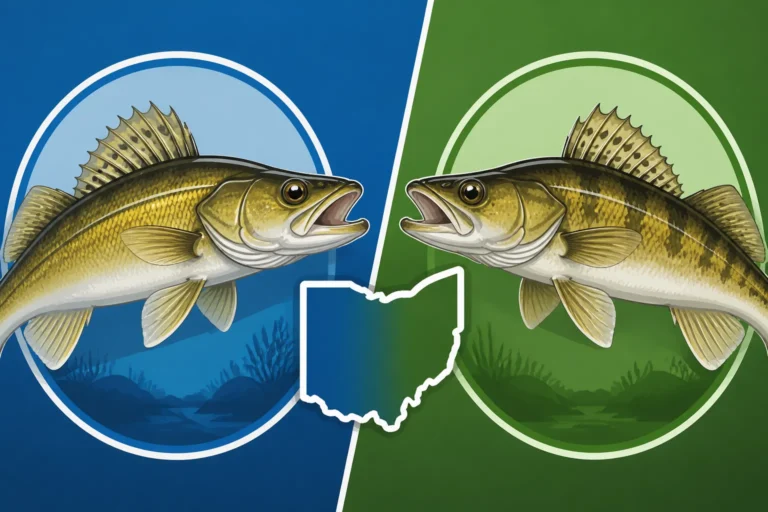
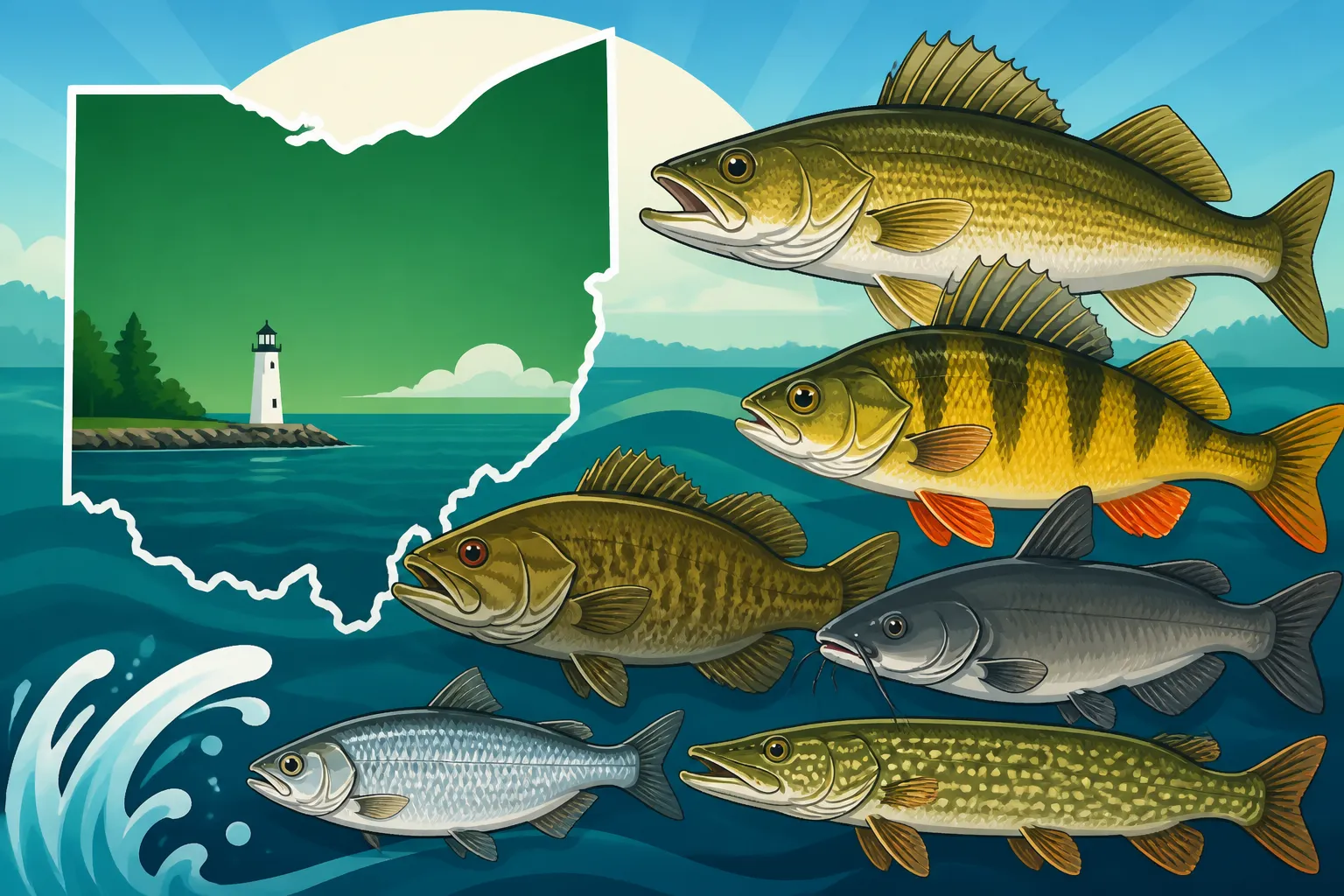
Ah, the walleye! For many, this is the first fish that comes to mind when they think of Lake Erie, and for good reason. Walleye are absolutely, without a doubt, a native species to Lake Erie and the entire Great Lakes basin. Their presence is a testament to the lake's rich natural history and its incredible productivity. They are perfectly adapted to the lake's cooler, oxygen-rich waters, especially those deeper, turbid sections where their excellent low-light vision gives them a distinct advantage over prey.
Walleye are characterized by their sleek, elongated bodies, olive-green to gold coloration, and those distinct large, glassy eyes, which are reflective and help them see in dim light. They are voracious predators, feasting on smaller fish like emerald shiners and gizzard shad. Their prolific numbers and the challenge they offer to anglers have earned Lake Erie the title of "Walleye Capital of the World." Understanding their spawning behaviors and seasonal movements is crucial for any serious angler, and there's a reason guides dedicate so much time to them. If you're looking to learn more about targeting these beauties, our Ohio Walleye Fishing Guide has a ton of useful information.
Yellow Perch: A Lake Erie Staple
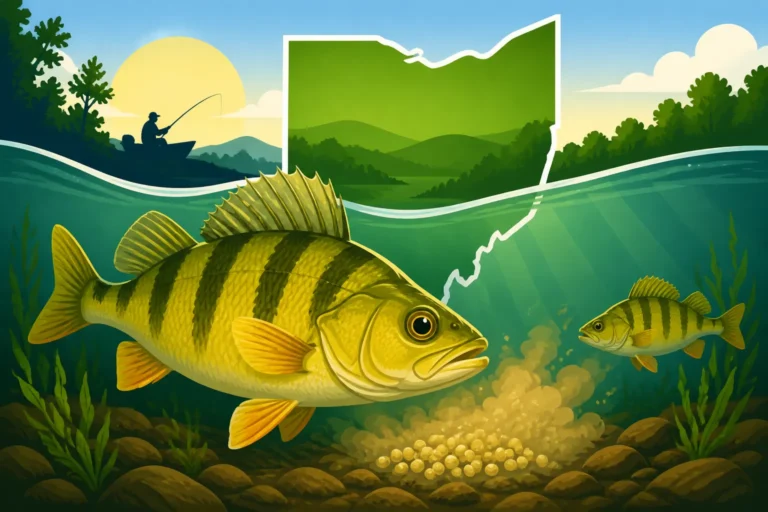
If walleye are king, then yellow perch are definitely the beloved commoners of Lake Erie. These beautiful, striped fish are also unequivocally native to the lake. They are often found in large schools, providing fantastic angling opportunities, especially for families and those looking for delicious table fare. Yellow perch have a distinctive appearance, with their golden-yellow bodies marked by 6-8 dark vertical bars and bright orange or reddish lower fins.
Yellow perch thrive in a variety of habitats, from shallow weedy bays to deeper, open waters, as long as there's plenty of forage and structure. They are omnivores, feeding on insects, crustaceans, and smaller fish. Their schooling nature means that once you find them, you can often catch several in short order. They're a vital part of the lake's food web, serving as a significant food source for larger predators like walleye and smallmouth bass. Catching a "jumbo" perch on Lake Erie is a truly rewarding experience and a testament to the lake's health.
Smallmouth Bass: Fierce Fighters of the Reefs
While their largemouth cousins prefer warmer, weedier waters, smallmouth bass are true natives to the Great Lakes and Lake Erie, especially thriving in its rocky, cooler habitats. These bronze bombers are known for their incredible fighting spirit, offering acrobatic leaps and powerful runs that make them a favorite among sport anglers. You’ll typically find them around rocky points, reefs, shoals, and breakwalls, where they can ambush prey.
Smallmouth bass are easily identified by their bronze to brown coloration, vertical bars (which can be faint), and a mouth that, when closed, does not extend past the eye. They feed on crayfish, minnows, and aquatic insects, and their aggressive strikes make for an exhilarating fishing experience. Lake Erie's expansive rocky bottom and island areas provide ideal conditions for robust smallmouth populations, particularly in the clearer waters of the central and eastern basins. If you want to dive deeper into how to hook these feisty fish, check out our Ohio Smallmouth Bass Fishing Guide.
Lake Sturgeon: An Ancient Giant
The lake sturgeon is a living fossil, an ancient giant that has called Lake Erie home for thousands of years. These incredible fish are the largest native species in the Great Lakes, capable of reaching impressive sizes and living for over 100 years. Their prehistoric appearance, with rows of bony plates (scutes) instead of scales and a distinct shovel-like snout, makes them instantly recognizable.
Unfortunately, due to overfishing and habitat degradation in the past, lake sturgeon populations declined dramatically. However, thanks to dedicated conservation efforts by wildlife agencies and passionate groups, there are hopeful signs of recovery in Lake Erie. While catching them is a rare and often accidental event (and they are strictly protected, requiring immediate release), their continued presence is a powerful symbol of Lake Erie's natural heritage and the ongoing work to restore its original biodiversity.
Cisco (Lake Herring): A Return Story
Cisco, also known as lake herring, are another native species with a complicated history in Lake Erie. Historically, cisco were incredibly abundant, forming a massive part of the lake's forage base and supporting commercial fisheries. They are a cold-water fish, part of the salmon family, and are characterized by their silvery bodies and large scales.
Over time, habitat changes, pollution, and competition from introduced species led to a severe decline in cisco populations in Lake Erie, to the point where they were considered locally extinct for many years. However, in recent decades, with improvements in water quality and management, there have been exciting signs of their natural return, primarily through migrations from Lake Huron. This comeback is a significant ecological indicator, suggesting a healthier, more balanced ecosystem capable of supporting its native cold-water inhabitants once more.
White Bass: Schooling Chargers
Often confused with their hybrid striped bass cousins (which are not native), white bass are indeed a native species to Lake Erie and the wider Ohio river systems. These schooling fish are incredibly fun to catch, known for their aggressive feeding frenzies that can erupt on the surface, making for some truly exciting angling action. They are silvery fish with distinct dark horizontal stripes running along their sides, typically shorter and deeper-bodied than a hybrid striper.
White bass are highly migratory, often moving in large schools through open water, especially where baitfish are concentrated. They are powerful predators, feeding on shiners, shad, and other small fish. During certain times of the year, particularly spring, they will make significant runs up tributary rivers to spawn, offering fantastic opportunities for shore anglers. Their native presence adds another layer of dynamic interaction to Lake Erie's diverse fish community.
Other Important Native Species
Lake Erie's native fish community extends far beyond just the most well-known game fish. A myriad of other species, some smaller, some less sought after by anglers, play crucial roles in maintaining the lake's ecological balance.
Catfish Cousins: Channel and Flathead
When we talk about catfish in Lake Erie, it’s important to distinguish between species. Channel catfish are absolutely native to Lake Erie and its tributaries. They are a widespread and popular sport fish, known for their distinctive whisker-like barbels, speckled appearance (especially when younger), and their preference for warm, often turbid waters, feeding on almost anything they can find. You can find them lurking in deeper holes, around submerged timber, or in areas with current. Our Ohio Channel Catfish Fishing Guide offers a good starting point if you're keen to learn more.
Flathead catfish, another formidable native species, are also found in the Lake Erie basin, particularly in the larger rivers that flow into it and along the lake's shoreline where river influence is strong. These powerful predators are recognized by their flattened heads, prominent lower jaw, and mottled brown coloration. Unlike channel catfish, flatheads prefer live prey and often lurk in dense cover. It's crucial to remember that while these two are native, the blue catfish, another large catfish species, is generally not considered native to Lake Erie itself, although it is found in the Ohio River.
Sunfish and Panfish Variety
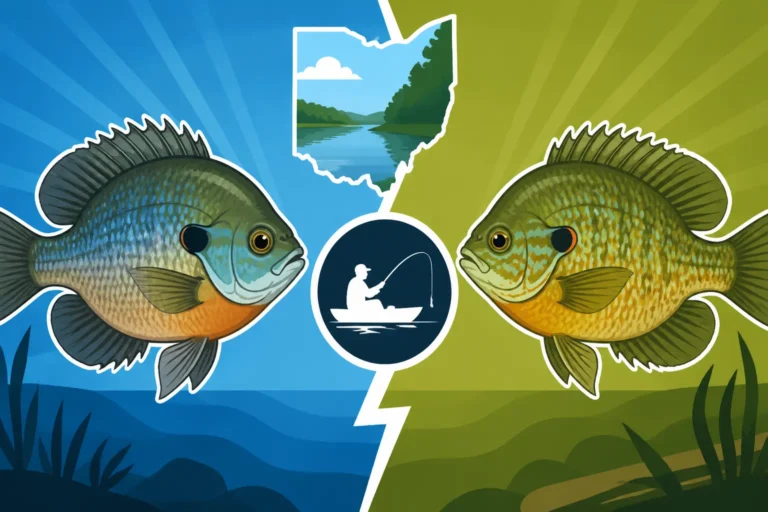
Beyond perch, Lake Erie is home to several other native sunfish and panfish species that form the backbone of the lake's biodiversity. Bluegill are perhaps the most common, known for their vibrant colors, small mouths, and strong fighting spirit on light tackle. They are prolific breeders and a favorite target for new anglers. Pumpkinseed sunfish, with their distinctive orange spot on the gill flap and iridescent markings, are another beautiful native. Rock bass, easily identified by their red eyes and mottled brown coloration, are often found in rocky areas alongside smallmouth bass.
These smaller panfish are incredibly important to the ecosystem. They provide a critical food source for larger predatory fish, and their presence indicates a healthy, diverse aquatic environment. For anglers, they offer accessible and enjoyable fishing, especially for families looking to introduce children to the joys of the sport. Identifying them accurately can be a fun challenge, and our Ohio Panfish Identification Guide can help you tell them apart.
Native Forage Fish
While not often the target of anglers, the native forage fish of Lake Erie are perhaps the most crucial inhabitants of all. These small fish form the base of the food web, converting energy from plankton and invertebrates into a digestible form for larger predators. Without a healthy population of forage fish, the thriving walleye, perch, and bass fisheries we cherish simply wouldn't exist.
Key native forage species include the emerald shiner, a slender, silvery minnow that moves in vast schools and is a primary food source for many Lake Erie game fish. Gizzard shad, though sometimes seen as a nuisance due to their rapid reproduction, are also native and provide a substantial biomass for predators. Various other darter and minnow species contribute to this essential foundation, showcasing the intricate balance of the lake's natural ecosystem. Understanding the health of these forage populations is a key factor in managing the larger game fish populations we love to pursue.
Why You Might Be Confused: Common Non-Native Species Often Fished in Lake Erie
It's completely understandable to sometimes scratch your head and wonder if a certain fish is native to Lake Erie. After all, the lake is teeming with life, and many introduced species have become so well-established that they feel like they've always been there. This section aims to clear up some of that confusion, explaining why some popular species you might encounter aren't actually native to Lake Erie.
Understanding Invasive Species
One of the biggest sources of confusion, and certainly a major challenge for Lake Erie, comes from invasive species. These are non-native organisms that not only establish themselves but also spread aggressively, causing harm to the environment, economy, or human health. In Lake Erie, the poster child for invasive fish is arguably the round goby. Originating from the Black and Caspian Seas, these bottom-dwelling fish arrived via ballast water and have since exploded in numbers. While they provide a new food source for some predators like smallmouth bass and walleye, they also compete with native species for food and spawning sites, and can eat the eggs of native fish.
Another well-known invasive is the common carp. Brought over from Europe in the 19th century, they are now widespread throughout the Great Lakes and its tributaries. While many anglers enjoy fishing for carp, they are not native to this ecosystem and their bottom-feeding habits can stir up sediment, impacting water clarity and aquatic vegetation. Understanding invasive species helps us appreciate the delicate balance that native species maintain and highlights the importance of preventing further introductions.
Popular Introduced Species
There are several popular and highly sought-after fish species in Lake Erie that, despite their abundance and value to anglers, are not native. The most prominent example would be the various trout and salmon species. While incredible sport fish, steelhead (which are migratory rainbow trout) are not native to Lake Erie. They are stocked extensively by state agencies to create world-class fisheries, particularly in the tributaries during their spawning runs. Similarly, brown trout and coho and Chinook salmon are also introduced species that have been stocked to enhance angling opportunities in the Great Lakes. If you're passionate about targeting these fantastic fish, our Ohio Steelhead Trout Fishing Guide offers a comprehensive look at how to do so successfully.
Northern pike are another species often found in Lake Erie, particularly in shallower, weedy bays, that are generally not considered native to the lake itself, although they are native to parts of the broader Great Lakes region. Their presence in Lake Erie is often attributed to migrations from connecting waterways or historical stockings. Knowing which fish are introduced doesn't diminish the joy of catching them, but it helps us understand the ecological history and management strategies for the lake.
Native vs. Common Introduced Fish Species in Lake Erie
To help you keep track of who's who in Lake Erie, here's a quick comparison of some of the most prominent native species alongside frequently encountered introduced species.
| Category | Native Species (Examples) | Common Introduced Species (Examples) |
|---|---|---|
| Game Fish | Walleye, Yellow Perch, Smallmouth Bass, White Bass | Steelhead/Rainbow Trout, Brown Trout, Coho Salmon, Chinook Salmon, Northern Pike (often introduced) |
| Bottom Dwellers | Channel Catfish, Flathead Catfish, Lake Sturgeon | Round Goby, Common Carp |
| Forage/Panfish | Emerald Shiner, Gizzard Shad, Bluegill, Pumpkinseed, Rock Bass | Alewife (historically significant, now less common), White Perch |
This table isn't exhaustive, of course, but it covers many of the species you're most likely to encounter and provides a good mental reference point. When you're browsing for new gear on Amazon or looking up fishing reports, it's always good to have this context in mind. Whether you're targeting a native walleye or a stocked steelhead, understanding their origins helps you appreciate the diverse and ever-changing fishery that is Lake Erie.
Disclaimer
This article is for general informational purposes only and does not constitute professional advice. Laws, prices and regulations vary by location and change over time. Consult a qualified professional for guidance on your specific situation.