Difference Between a Saugeye and a Sauger
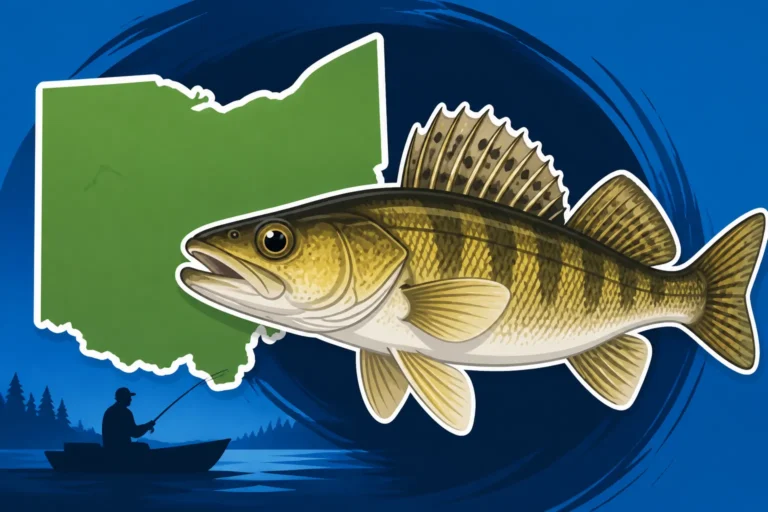
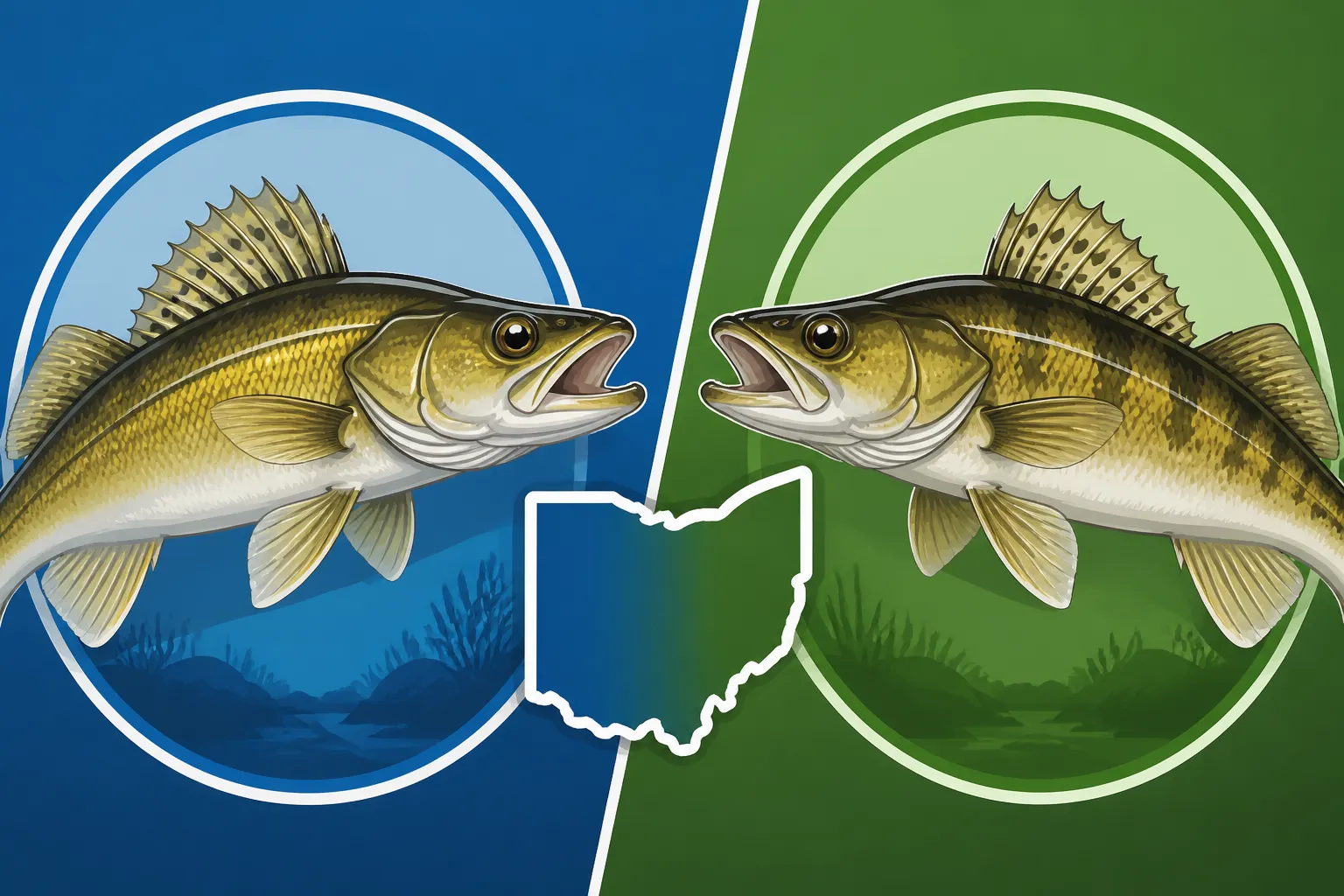
One of the most common head-scratchers for anglers across Ohio, especially for those new to our diverse waterways, is telling the difference between a saugeye and a sauger. It's a truly legitimate point of confusion because these fish share a similar family tree and often inhabit waters that aren't too far apart, leading many to mistakenly identify one for the other. This comprehensive guide is here to clear up that mystery, providing you with all the details you need to confidently identify these two distinct, yet often conflated, species every time you reel one in.
The Identity Crisis: Why Anglers Confuse Saugeye and Sauger
It's completely understandable why so many anglers struggle with distinguishing between saugeye and sauger. At first glance, they both look like mottled, toothy predators, members of that larger "walleye family" that we all know and love. Without a keen eye and a bit of knowledge, it's easy to lump them into the same mental bucket. But once you know what to look for, the differences become quite clear, and trust me, knowing those differences can be crucial.
Shared Lineage and Similar Appearances
Both the saugeye and the sauger belong to the genus Sander, which also includes the beloved walleye. This shared lineage is precisely why they have such a strong family resemblance. They all possess that elongated, torpedo-like body, sharp teeth, and similar overall coloration patterns that help them blend into their aquatic environments. When you pull one out of the water, especially if it's your first time encountering either, you might just think, "Hey, that's a walleye… or something like it!" Their eyes have that same slightly opaque quality that helps them see in low light, and their dorsal fins have those familiar spines, making the initial identification tricky for even seasoned anglers if they aren't paying close attention.
Adding to the complexity, the saugeye, in particular, is literally a blend of two species: a walleye and a sauger. This means it inherits traits from both, creating a fascinating mosaic of characteristics that can lean one way or another depending on the individual fish. You might catch a saugeye that looks a lot like a walleye in one lake, and then another that strongly resembles a sauger in a different river. This variability makes it even more important to focus on multiple identification points rather than just one quick glance.
Overlapping Habitats in Ohio
Another major contributor to the confusion is that saugeye and sauger can sometimes be found in the same general areas in Ohio. While sauger are predominantly river fish, and saugeye thrive in many of our impoundments, there are places where their territories can overlap. For instance, the Ohio River, which is classic sauger territory, might also see some saugeye populations, especially in its tributaries or adjacent slack water areas. Similarly, a reservoir known for saugeye might have connecting rivers where sauger can be found.
Imagine you're fishing a large impoundment that feeds into a major river system. You could theoretically catch both species in relatively close proximity, further blurring the lines in your mind. This is where the frustration can really set in—you've caught a great fish, but you're not entirely sure what it is, and then you start worrying about regulations. That's why being armed with solid identification knowledge is so powerful. It takes away the guesswork and allows you to appreciate each catch for what it truly is.
Saugeye: Ohio's Hybrid Superstar
The saugeye is a truly remarkable fish, and it holds a special place in the hearts of many Ohio anglers. It's not a naturally occurring species; rather, it's a hybrid, specifically a cross between a female walleye and a male sauger. Ohio's fisheries biologists have been stocking saugeye for decades, particularly in our inland reservoirs, because they offer the best of both worlds: the growth potential of a walleye combined with the hardiness and aggressive feeding habits of a sauger.
What Exactly is a Saugeye?
As mentioned, a saugeye is a hybrid fish, born from the intentional cross-breeding of a female walleye and a male sauger. This isn't something that typically happens naturally in the wild to any significant degree, though it can occasionally occur. Instead, saugeye are produced in hatcheries by the Ohio Division of Wildlife to enhance fishing opportunities in lakes and reservoirs where pure walleye or sauger might not thrive as well. They're often seen as an answer to creating a robust, fast-growing sportfish that can tolerate warmer, more turbid waters better than a pure walleye, while still reaching impressive sizes.
Because they are a hybrid, saugeye often display a mix of characteristics from both parent species. They grow faster and larger than sauger, often approaching the size of walleye, but sometimes with a slightly chunkier build. Their predatory nature makes them a favorite target for anglers, and they are well-known for their delicious fillets. In many of Ohio's inland lakes, the saugeye fishery is incredibly popular, providing fantastic action throughout much of the year. For more on targeting these fish, check out our Ohio Saugeye Fishing Guide.
Key Saugeye Identification Features
When you're trying to identify a saugeye, you'll want to look for a specific combination of traits that give away its hybrid status. No single characteristic is a foolproof identifier, but together, they paint a clear picture.
First, let's talk about the dorsal fin. This is often the most reliable "tell." A saugeye will typically have distinct dark bars or blotches on its spiny dorsal fin, similar to a sauger. However, unlike a pure sauger, it will also usually have a noticeable, though sometimes faint, dark blotch at the very rear base of the spiny dorsal fin, much like a walleye. It's like a blend of both parents' fin patterns. You won't see the distinct, separate rows of spots you'd find on a sauger, but rather more irregular, fused blotches.
Next, consider the body markings. Saugeye generally have more distinct, saddle-like blotches or bars along their sides compared to the often uniform, brassy-gold color of a walleye. These blotches are usually darker and more pronounced than the subtle mottling on a sauger. The overall body coloration tends to be a mix of the greenish-gold of a walleye and the brassy-brown of a sauger, often with a slightly more mottled appearance.
Finally, inspect the cheeks. Saugeye usually have some scales on their cheeks, but they are often rougher and not as fully scaled as a walleye. You might see a patchy area, or scales that don't extend completely to the eye. It's not as bare as a sauger's cheek, but not as fully armored as a walleye's either. This can be a subtle but helpful clue. For understanding how saugeye compare to their walleye parent, you might find our Saugeye vs Walleye Identification article useful.
Saugeye's Preferred Ohio Waters
Saugeye have been strategically stocked by the Ohio Division of Wildlife into many of our larger inland reservoirs and lakes. They thrive in these environments because they're more tolerant of varying water conditions than pure walleye, including murkier or warmer waters, which are common in many of Ohio's impoundments. You'll find fantastic saugeye fishing in places like Indian Lake, Buckeye Lake, Lake Loramie, and Alum Creek Lake, among many others. These are typically waters with a good forage base, often shad or other baitfish, allowing the saugeye to grow quickly.
When fishing for saugeye, you'll often find them congregating around submerged structures, points, humps, and channel edges. They are aggressive feeders and will readily strike a variety of baits and lures. Techniques can range from jigging and casting to trolling with crankbaits. Knowing where to find them is half the battle, and luckily, the ODNR does a great job of identifying key saugeye fisheries. To learn more about specific locations, consider exploring our Best Ohio Reservoirs for Walleye and Saugeye guide.
Sauger: The River Dweller
In contrast to the saugeye, the sauger is a purebred species, native to many of our river systems. While not typically growing as large as a walleye or saugeye, they are formidable predators in their own right and offer exciting angling opportunities, especially in flowing water. They are a true testament to the health and vitality of Ohio's river ecosystems.
The Purebred River Warrior
The sauger (Sander canadensis) is a distinct species of freshwater fish, not a hybrid. It's a true native resident of many of North America's larger river systems, including the mighty Ohio River and some of its tributaries. They are incredibly well-adapted to life in current, preferring the turbid, often deeper sections of rivers where they can ambush prey. While they might not get the same attention as their larger walleye cousins, sauger are highly prized by anglers for their feisty fight and excellent table fare.
These fish are tough, resilient, and perfectly designed for their riverine existence. Their coloration and markings provide excellent camouflage against rocky bottoms and murky waters, allowing them to remain hidden from both prey and predators. Unlike the saugeye which is mostly a product of stocking efforts, sauger maintain self-sustaining populations in many of our river systems. This makes catching a sauger a real treat, as you're often encountering a wild, river-born predator.
Key Sauger Identification Features
Identifying a pure sauger requires looking for characteristics that distinguish it from both walleye and saugeye. Just like with saugeye, it's about looking for a combination of clues.
The most defining feature of a sauger, and usually the easiest to spot, is on its spiny dorsal fin. Sauger have distinct, round, dark spots arranged in rows across this fin. Unlike the blotchy or banded appearance of a saugeye, these spots are separate and well-defined, almost like polka dots. There will also be no large, distinct dark blotch at the rear base of the spiny dorsal fin, which is a key trait of both walleye and saugeye. This is your primary diagnostic tool when trying to tell them apart.
On the body, sauger typically have a more brassy, golden-brown coloration, often with distinct dark blotches or saddle-like markings along their sides that fade into a lighter belly. These blotches can be quite pronounced and give the fish a distinctly "mottled" or "barred" appearance. Their overall body shape tends to be a bit more slender than a walleye or saugeye of comparable length.
Lastly, and this is a big one, examine the cheeks of a sauger. You will find that the cheeks are largely scaleless, or only very sparsely scaled. They will feel smooth to the touch over most of the cheek area, which is a stark contrast to the fully scaled cheeks of a walleye or the somewhat scaled cheeks of a saugeye. This bare cheek is a strong indicator of a true sauger. For more on this, you can refer to our Ohio Sauger Identification guide.
Sauger's Home in Ohio
In Ohio, if you're looking for sauger, your best bet is to head to our major river systems, particularly the Ohio River. They thrive in the deeper channels, swift currents, and turbid waters of these environments. While you might occasionally find them in the lower reaches of larger tributaries, their primary stronghold is undeniably the Ohio River itself. They prefer areas with rocky bottoms, gravel, and rip-rap, where they can hide and wait for smaller fish to ambush.
Anglers targeting sauger on the Ohio River often employ techniques that get their baits down to the bottom, where these fish prefer to hunt. Jigging with soft plastics or minnows, bottom-bouncing, and even slow-trolling with deep-diving crankbaits are all effective methods. When fishing the Ohio River, remember that regulations can sometimes differ from inland waters, so always check the local rules. Our Ohio River Fishing Guide has more information on this fantastic fishery, and for specific regulations, look up Ohio River Sauger Regulations.
Head-to-Head Comparison: Saugeye vs. Sauger
Now that we've looked at each fish individually, let's put them side-by-side to highlight the crucial differences. This direct comparison should make it much easier to tell them apart when you're out on the water.
Fin Features: The Easiest Tell
This is arguably the most reliable and immediate way to differentiate between a saugeye and a sauger. Just remember what to look for on the first dorsal fin (the spiny one, closest to the head).
- Sauger: Will have distinct, round, dark spots arranged in clear rows across its spiny dorsal fin. Critically, there will be no large, distinct dark blotch at the very rear base of this fin. It's like a perfectly patterned piece of fabric with repeating dots.
- Saugeye: Will have irregular, blotchy, or banded patterns on its spiny dorsal fin, often with fused spots rather than distinct individual ones. Crucially, it will have a noticeable (though sometimes faint) dark blotch at the very rear base of the spiny dorsal fin, similar to a walleye. This combination of blotches on the fin and the dark spot at the base is the saugeye's tell-tale sign.
Think of it like this: if it has rows of perfect spots and no dark blotch at the base, it's a sauger. If it has blotches and a dark blotch at the base, it's a saugeye.
Body Markings and Pigmentation
While not as definitive as the dorsal fin, body markings can offer strong supporting evidence.
- Sauger: Tend to have a more pronounced, mottled or "worm-like" pattern on their sides, often appearing as distinct dark saddle-like blotches against a brassy-brown or golden background. The overall coloration is generally darker and less uniform than a walleye.
- Saugeye: Typically display more prominent, dark saddle-like bars or blotches along their sides compared to a pure walleye, but these are often less defined and more integrated into the body coloration than on a sauger. Their color can vary but often leans towards a greenish-gold mixed with some sauger-like mottling.
You might notice that saugeye can sometimes have a slightly shinier, more "walleye-like" sheen to their scales, whereas sauger often have a duller, more camouflaged look appropriate for murky river environments.
Scale and Cheek Differences
This is another highly reliable physical characteristic to examine.
- Sauger: The cheeks of a sauger are largely scaleless and smooth to the touch. You might find a few scattered scales, but the majority of the cheek area will be bare.
- Saugeye: Will have scales on their cheeks, but they might be rougher or less complete than those found on a walleye. They won't be entirely smooth like a sauger. Running your finger gently across the cheek area can confirm this difference. If it feels rough with scales, it's likely a saugeye or walleye. If it feels smooth, it's a sauger.
This tactile test can be really helpful, especially if you're fishing in low light or if the fish is particularly feisty.
Size and Growth Potential
While not a true identification feature, understanding the typical size differences can add context.
- Sauger: Generally smaller than walleye or saugeye. A large sauger might be in the 15-20 inch range, with anything over 20 inches considered a trophy. They rarely exceed a few pounds.
- Saugeye: Grow much larger than sauger, often reaching sizes comparable to walleye. It's common to catch saugeye in the 20-25 inch range, with larger specimens pushing past that. They can weigh several pounds, offering a much heavier fight than a typical sauger.
If you catch a truly large fish that you suspect might be either, and it has sauger-like features, it's much more likely to be a saugeye due to their superior growth potential.
Here’s a quick summary table of the key differences:
| Feature | Saugeye | Sauger |
|---|---|---|
| Spiny Dorsal Fin | Blotchy/banded pattern; distinct dark spot at rear base | Distinct dark spots in rows; no dark spot at rear base |
| Body Color/Markings | Greenish-gold to brassy; prominent, somewhat mottled saddle-like blotches/bars | Brassy-brown; distinct, dark, worm-like blotches/saddles; often more mottled |
| Cheeks | Partially scaled, often rough | Largely scaleless, smooth |
| Typical Size | Larger (often 20-25+ inches, several lbs) | Smaller (often 15-20 inches, 1-3 lbs) |
| Primary Ohio Habitat | Inland reservoirs and larger lakes (stocked) | Major river systems, especially Ohio River (native) |
| Parentage | Hybrid (female walleye x male sauger) | Purebred species |
Why Proper Identification Matters for Ohio Anglers
Understanding the difference between a saugeye and a sauger isn't just about showing off your fish ID skills; it has real, practical implications for every angler in Ohio. From following the law to improving your fishing success, knowing what you've caught truly matters.
Understanding Regulations
Perhaps the most critical reason for proper identification is adherence to fishing regulations. In Ohio, bag limits and size restrictions can vary significantly between species. What's legal for a saugeye might not be legal for a sauger, and vice-versa. Failing to correctly identify your catch could lead to unintentional violations, which no angler wants.
For instance, the Ohio Fishing Regulations Every Angler Should Know outlines specific rules. You'll find that Inland Walleye and Saugeye Size Limits might have one set of rules for the many stocked reservoirs, while the Ohio River Sauger Regulations could have entirely different catch limits, minimum sizes, or even closed seasons. Imagine catching a beautiful fish on the Ohio River, thinking it's a saugeye, only to find out it was a sauger and you've unknowingly violated a rule because its length was under the sauger's specific minimum. Always consult the current Ohio fishing regulations booklet before you head out, and if you're uncertain, practice catch and release. Many tackle shops and even online retailers like Amazon offer waterproof fish identification charts that can be invaluable in a pinch.
Targeting Specific Species
Knowing the difference also makes you a more effective angler. Saugeye and sauger, while related, often prefer slightly different habitats and respond to different techniques. If you're specifically targeting sauger, you'll focus your efforts on river environments, current breaks, and deeper river channels. You'll likely use heavier jigs and baits designed to get down quickly in flow.
On the other hand, if you're after saugeye, you'll typically be looking at reservoirs, points, humps, and submerged structures in lakes, potentially employing trolling or casting techniques over open water or along contours. Understanding these preferences, which stem from their fundamental biological differences and their respective habitats, allows you to tailor your gear and approach for maximum success. This detailed knowledge contributes significantly to a more rewarding fishing experience. If you're keen to improve your success rate, you'll definitely want to read up on Best Techniques for Ohio Saugeye.
Conservation and Data
Finally, accurate fish identification plays a role in conservation and fisheries management. When anglers correctly report their catches, or when creel surveys are conducted by wildlife officials, precise species data helps biologists monitor populations, assess health, and make informed decisions about stocking programs, regulation changes, and habitat improvements. Every piece of accurate information helps paint a clearer picture of the health of Ohio's fisheries.
By taking the time to learn the differences, you're not just improving your own fishing game; you're also contributing to the larger effort to preserve and enhance Ohio's incredible fishing resources for future generations. Resources are readily available, from the ODNR website to laminated guides you can grab from Amazon, making it easier than ever to become an expert identifier. Keep a physical copy of the regulations on your boat or in your tackle box, or make sure you have the digital version accessible on your phone, to ensure you're always informed. It's a small effort that makes a big difference.
Disclaimer
This article is for general informational purposes only and does not constitute professional advice. Laws, prices and regulations vary by location and change over time. Consult a qualified professional for guidance on your specific situation.