Where Ohio’s Steelhead Trout Come From
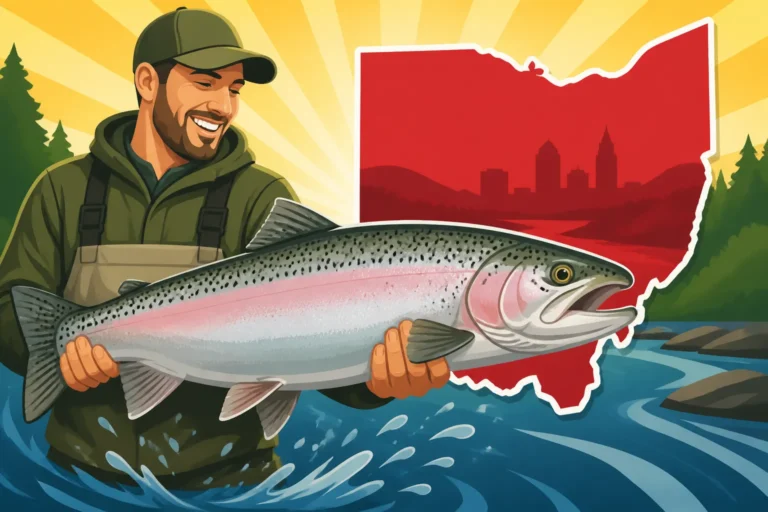
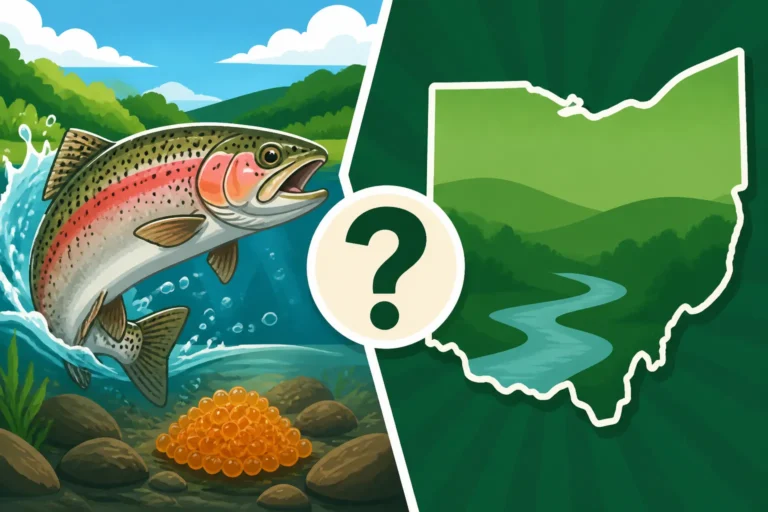
It's a question many Ohio anglers ponder, especially when they feel the powerful pull of a chrome-bright steelhead on the end of their line: "Where do these incredible fish actually come from?" It's easy to assume such magnificent creatures are purely wild, battling their way upstream from generations of natural reproduction. However, the truth behind Ohio's thriving steelhead fishery is a fascinating story of dedicated conservation, scientific management, and a whole lot of effort from passionate folks working to keep our rivers full. This guide will take you on a journey to uncover the origins of Ohio's steelhead trout, explaining the vital role Lake Erie plays, the efforts of the Ohio Division of Wildlife, and how these powerful fish enrich our angling opportunities.
The Lake Erie Connection: Ohio's Freshwater "Ocean"
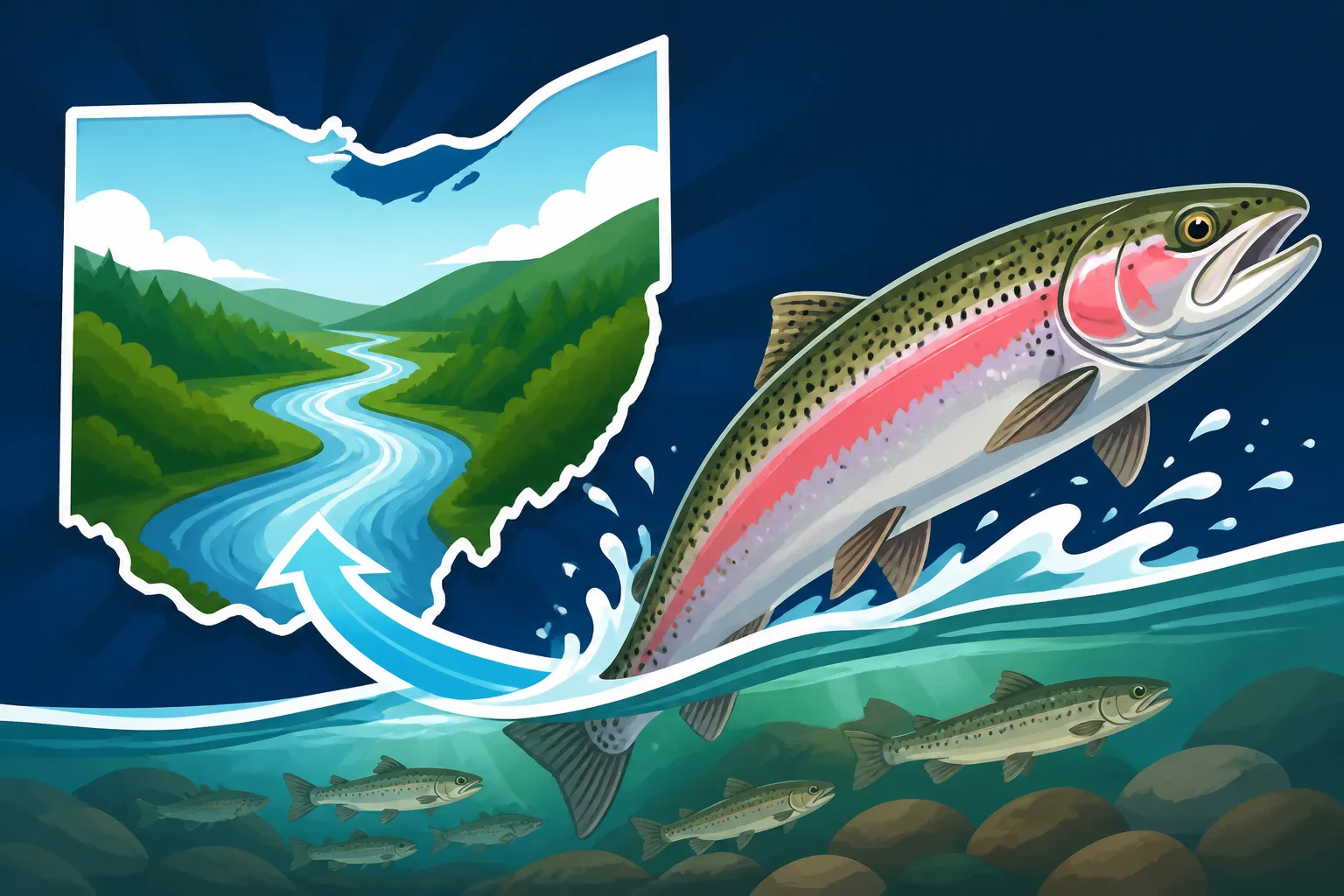
When we talk about where Ohio's steelhead come from, we have to start with Lake Erie. While these fish are technically trout, they behave much like salmon, exhibiting what's called an anadromous life cycle. This means they're born in freshwater rivers, migrate to a large body of water (in this case, Lake Erie, which functions like a vast freshwater ocean), spend years growing large and strong, and then return to their natal or stocked rivers to spawn.
Why Lake Erie is Perfect for Steelhead
Lake Erie provides the ideal environment for steelhead to thrive. Its immense size offers abundant foraging opportunities, allowing the young smolts (juvenile steelhead) to grow rapidly into impressive adults. The lake is rich in baitfish, such as emerald shiners and gizzard shad, providing a plentiful food source that fuels their growth. This "all-you-can-eat buffet" in the lake is precisely why the steelhead that return to Ohio's tributaries are so robust and powerful, offering anglers an unforgettable fight. Without the fertile waters of Lake Erie, the extensive steelhead runs we enjoy wouldn't be possible. The sheer volume of diverse forage available means these fish pack on weight quickly, transitioning from small, stream-dwelling parr to hard-fighting torpedoes in just a few years.
The Migration from Lake to River
Once the steelhead have matured in the vastness of Lake Erie, typically after two to four years, an ancient instinct calls them back. As autumn cools the lake waters and winter approaches, then again in the thawing conditions of spring, these mature fish begin their heroic journey upstream into Ohio's tributary rivers. This is when anglers eagerly await the When Ohio Steelhead Runs Start and flock to rivers like the Rocky River, Vermilion River, and Grand River. They are driven by the urge to reproduce, even though many of them are destined to be caught by eager fishermen or to simply return to the lake after their spawning efforts. The incredible strength and endurance these fish display during their migration is a testament to the rich feeding grounds of Lake Erie and their inherent will to propagate.
Ohio's Steelhead Stocking Program: The Real Origin Story
Unlike some states where wild, self-sustaining populations of steelhead exist, the vast majority of Ohio's steelhead trout are the direct result of a dedicated and highly successful stocking program. The Ohio Division of Wildlife (ODOW) plays a pivotal role in ensuring that our rivers are replenished with these incredible fish year after year.
The Role of State Hatcheries
The journey for most Ohio steelhead begins not in a wild stream bed, but in state-run hatcheries. One of the primary facilities responsible for raising Ohio's steelhead is the Harpersfield Fish Hatchery, located right near the Grand River in Ashtabula County. Here, millions of steelhead eggs are brought in, hatched, and carefully nurtured. The tiny fry grow into fingerlings, and then into smolts – the stage at which they are ready to be released into Ohio's "Steelhead Alley" tributaries.
This isn't a simple process; it's a scientific endeavor. Hatchery staff meticulously control water temperature, oxygen levels, and diet to maximize survival and growth rates. They monitor for diseases and predators, ensuring that when these young fish are finally released, they have the best possible chance of surviving their perilous journey to Lake Erie. The investment in these hatcheries is substantial, but it pays off in the incredible angling opportunities they provide. For those interested in seeing how these incredible operations work, many state hatcheries even offer public tours and educational programs.
Why Stocking is Necessary for Ohio Steelhead
Ohio's Lake Erie tributaries, while beautiful and productive, generally lack the consistent cold water temperatures and gravelly spawning habitat required for large, self-sustaining populations of steelhead to reproduce naturally. Factors like agricultural runoff, urbanization, and fluctuating water levels can make natural reproduction challenging or impossible on a large scale. This is where the stocking program becomes absolutely essential.
Without the annual infusion of hatchery-raised steelhead, the incredible runs we experience simply wouldn't exist. The ODOW's program is designed to create a "put-grow-and-take" fishery, where fish are stocked, grow large in Lake Erie, and then return to provide world-class fishing. This system allows anglers to enjoy fantastic fishing experiences while also allowing wildlife managers to control populations and ensure the long-term health of the fishery. If you're looking for gear that can stand up to these powerful fish, from heavy-duty reels to strong fishing lines, you can find a comprehensive selection on Amazon.
Steelhead Strains: Not All Steelhead Are Created Equal
The Ohio Division of Wildlife doesn't just stock "steelhead"; they carefully select specific genetic strains that are known to perform well in the Lake Erie environment and Ohio's tributary rivers. This strategic choice is crucial for maximizing survival, growth, and the overall success of the fishery.
Popular Steelhead Strains in Ohio
Historically, Ohio has primarily stocked two main strains of steelhead: the Ganaraska strain and the Little Manistee strain. Both have proven to be excellent choices, contributing to Ohio's reputation as a premier steelhead destination.
- Ganaraska Strain: Originating from the Ganaraska River in Ontario, Canada, these steelhead are prized for their aggressive fighting nature and their tendency to return to rivers earlier in the fall, providing an extended fishing season. They are known for their strong migratory instincts and their ability to adapt to varying river conditions. Anglers often appreciate their vigor and willingness to chase a variety of baits and lures.
- Little Manistee Strain: Hailing from the Little Manistee River in Michigan, this strain is known for its robust size and good survival rates. They tend to have excellent growth in Lake Erie, often returning as larger, heavier fish, especially in the spring runs. These fish offer a formidable challenge on the lighter tackle often used in Ohio's shallower tributaries.
Choosing the right strain is a complex decision, involving considerations of disease resistance, growth rates, return rates to the rivers, and even the timing of their runs. The goal is always to provide the best possible angling experience while maintaining a healthy and sustainable fishery. The ODOW regularly evaluates the performance of different strains to make informed decisions for future stocking efforts, ensuring that anglers can continue to enjoy the Steelhead Strain Ohio Stocks in Its Rivers.
The Journey of a Stocked Smolts
After being raised in the controlled environment of a hatchery, young steelhead smolts are transported to various Ohio tributaries of Lake Erie. This usually happens in the spring when the water temperatures are optimal for their transition. These fish are typically around 6-9 inches long when released.
The release points are carefully chosen to give the smolts the best chance of survival. Once in the river, they imprint on the unique chemical signature of that specific waterway. This "imprinting" is critical because it's what guides them back to that very same river when they mature, even after spending years roaming the vast expanse of Lake Erie. This instinctual drive is truly remarkable and forms the backbone of the migratory fishery. After their release, they quickly make their way downstream to Lake Erie, where they will spend the next few years feasting and growing before their eventual return. Preparing for their eventual return means having the right gear, and many experienced anglers will tell you that a reliable pair of waders, easily found on Amazon, is essential for navigating the often-cold waters of the tributaries.
Here's a simplified look at the steelhead's journey:
| Stage | Location | Description | Timeframe (Approx.) |
|---|---|---|---|
| Egg | Hatchery | Fertilized eggs incubated under controlled conditions. | Weeks |
| Fry | Hatchery | Newly hatched fish, absorbing yolk sac. | Weeks |
| Fingerling | Hatchery | Growing fish, starting to feed independently. | Months |
| Smolt | Hatchery/Release River | Juvenile fish, physically changing for saltwater (or lake) life, then released. | 1 year |
| Maiden | Lake Erie | Young steelhead, growing and feeding in the open lake. | 1-3 years |
| Adult | Lake Erie/Return River | Mature fish, migrating back to rivers to spawn. | 2-5 years |
Managing the Fishery: Ensuring Future Generations of Steelhead
The Ohio Division of Wildlife's commitment doesn't stop at stocking; it extends to comprehensive management of the entire steelhead fishery. This involves regulations, habitat protection, and continuous monitoring to ensure that Ohio remains a top destination for steelhead fishing.
Regulations and Conservation Efforts
To protect the resource and ensure sustainable fishing, strict Ohio Fishing Regulations Every Angler Should Know are in place for steelhead. These include bag limits, size limits, and specific rules for certain rivers. These regulations are not arbitrary; they are carefully developed based on scientific data, population assessments, and input from anglers and conservation groups. The goal is to allow anglers to enjoy their sport while simultaneously safeguarding the future of the steelhead runs.
Conservation efforts also extend to protecting and improving river habitat. While stocked fish don't rely on natural spawning habitat as much, healthy rivers are still critical for smolt migration and for providing holding water for returning adults. Efforts to reduce pollution, control erosion, and restore riparian zones all contribute to a better environment for steelhead and all aquatic life. Being a responsible angler means understanding and respecting these regulations, helping to preserve the fishery for generations to come. Having a good pair of polarized sunglasses, available on Amazon, can also help you spot fish and avoid disturbing their habitat.
The Success Story of Ohio Steelhead
Ohio's steelhead program is, by all accounts, a resounding success. Anglers from across the Midwest flock to Ohio's "Steelhead Alley" each fall, winter, and spring to experience the thrill of battling these powerful fish. The economic impact on local communities along the Lake Erie tributaries is significant, supporting bait shops, tackle stores, guides, and other related businesses.
The consistent quality of the fishing, coupled with the accessibility of many of Ohio's steelhead rivers, makes it a unique and valuable fishery. Whether you're a seasoned steelhead veteran or new to the sport, the opportunity to connect with these magnificent fish in Ohio's rivers is an experience you won't soon forget. If you're looking for guidance on catching them, check out the Ohio Steelhead Fishing Techniques and consider exploring Best Lures for Ohio Fishing to increase your chances of success. Knowing How Many Fishing Lines You Can Use in Ohio is also important to stay compliant with regulations. The entire program is a testament to what can be achieved when science, conservation, and angling passion come together.
Disclaimer
This article is for general informational purposes only and does not constitute professional advice. Laws, prices and regulations vary by location and change over time. Consult a qualified professional for guidance on your specific situation.