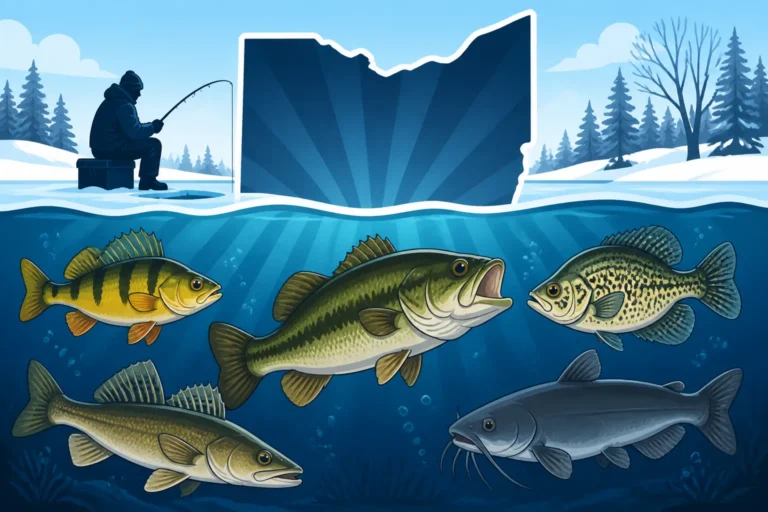
Fish That Bite Best in Warm Summer Water in Ohio
Ah, summer in Ohio! It’s that time of year when the sun beats down, the humidity hangs heavy, and sometimes, if we're being honest, fishing can feel like a real challenge. Many anglers get frustrated when their spring hotspots go cold, thinking all the fish have packed up and left. But trust me, as a seasoned Ohio fishing enthusiast, some fantastic species absolutely thrive in that warm summer water, offering incredible action if you know where and how to find them. This guide is all about pointing you towards those fish that bite best when the thermometer climbs, ensuring your summer isn't spent just sweltering on the shore, but reeling in some memorable catches!
Understanding Why Some Fish Love Warm Water
It’s a common misconception that all fish get sluggish and stop biting once the water heats up. While it’s true that some cold-water species, like trout, definitely prefer cooler temps and will seek out deeper, spring-fed areas, many of our beloved Ohio fish actually become more active, their metabolism kicking into high gear in the warmth. Understanding this fundamental difference is key to summer fishing success and will save you a lot of head-scratching moments on the water.
The Science Behind Summer Feeding
Think of it like this: fish are cold-blooded creatures, which means their body temperature is largely dictated by the water around them. In colder water, their metabolism slows down significantly. They don't need to eat as much because they're not burning as many calories. It's like us wanting heavy stews in winter versus light salads in summer. When the water warms up, their metabolic rate increases, and with that comes a much higher demand for food. They need to eat more frequently and often more aggressively to sustain their energy levels. This is fantastic news for anglers because it means they're actively searching for meals!
This increased activity also means that fish will be more spread out, exploring different parts of the water column and shoreline as they hunt. You'll often find them cruising shallow flats in the early morning or late evening, retreating to slightly deeper, cooler oxygenated water during the brightest parts of the day, or hugging dense cover like weed beds where baitfish hide. The key is to adapt your approach to their behavior, rather than trying to force a cold-water tactic on a warm-water fish.
Common Misconceptions About Hot Weather Fishing
One of the biggest frustrations I hear from fellow anglers is the belief that "fish don't bite in the heat." While fishing in the middle of a scorching afternoon might be slower, especially for certain species, it doesn't mean the fish aren't eating. It just means their feeding windows might shift. Instead of a midday bite, you might find explosive action at dawn, dusk, or even well into the night.
Another misconception is that warm water automatically means low oxygen. While extreme heat combined with stagnant water can certainly lead to oxygen depletion, most healthy Ohio lakes, rivers, and reservoirs have plenty of oxygen, especially in areas with current, wind, or ample aquatic vegetation. Fish will simply position themselves where oxygen levels are optimal and food is available. Sometimes, that means deeper points or submerged timber; other times, it's right in the middle of a dense lily pad field. The trick is to identify those areas and present your bait effectively. So, don't let a sunny forecast deter you; instead, let it guide you to the species that are enjoying the warmth just as much as you might be!
Top Ohio Fish Species That Thrive in Summer Heat
When the Ohio summer sun is shining bright and the water is bathwater warm, don't despair! This is prime time for many of our state's most aggressive and hard-fighting fish. These species not only tolerate warm water but often become more active and hungry in it, making for some truly exciting angling opportunities.
Largemouth Bass: The Summer Ambush Predator
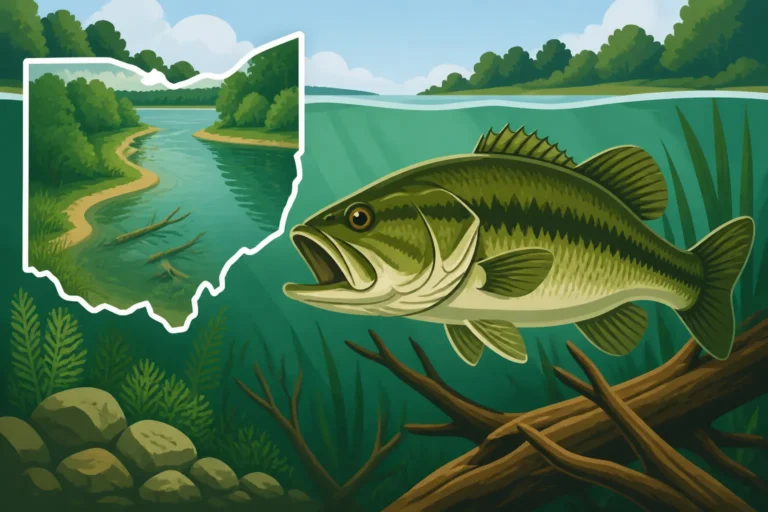
Largemouth bass are arguably the kings of warm-water fishing in Ohio. Their metabolism absolutely thrives in the elevated temperatures, making them aggressive feeders throughout the summer months. You’ll find them in a variety of habitats, always looking for ambush points.
In early summer, or during cooler spells, they might be found on shallower flats, around submerged logs, or near docks. As the dog days of summer really kick in, they often relate to dense cover: think lily pads, thick aquatic vegetation, fallen trees, and shaded areas under bridges or overhanging banks. They love to hide in these spots, waiting for an unsuspecting bluegill or shad to swim by. They'll also move to the edges of deeper water, especially structure like points or humps where they can quickly move shallow to feed then retreat to slightly cooler depths. Focusing on these areas with weedless presentations or topwater lures during low-light conditions can be incredibly productive. Ohio Largemouth Bass Fishing Guide has even more detail on how to target these beauties.
Channel Catfish: The Olfactory Hunter
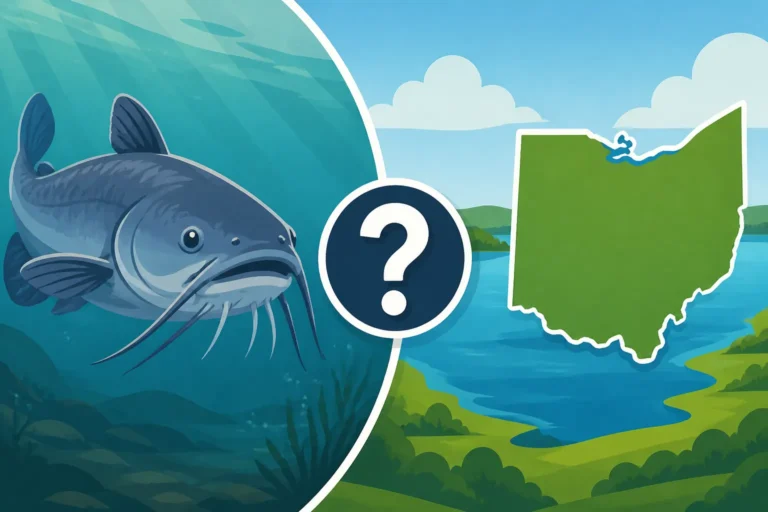
If there's one fish that truly embraces warm water, it's the channel catfish. These whiskered wonders are active feeders when the mercury rises, relying heavily on their acute sense of smell to track down food. Warm water actually enhances their ability to detect scent, making them excellent targets during the hottest parts of the year.
You'll find channel cats in many Ohio waterways, from small creeks and farm ponds to large rivers like the Ohio River, and reservoirs such as Hoover Reservoir. They'll often congregate in deeper holes, along current breaks, or around submerged cover during the day. As evening approaches and into the night, they move into shallower flats and along shorelines to forage. Their diet is incredibly varied, making them susceptible to a wide range of baits. Don't be afraid to try some of the "stinkier" options to really get their attention in warm water. For more insights into catching these opportunistic eaters, check out Ohio Channel Catfish Fishing Guide.
Crappie: Schooling for Supper
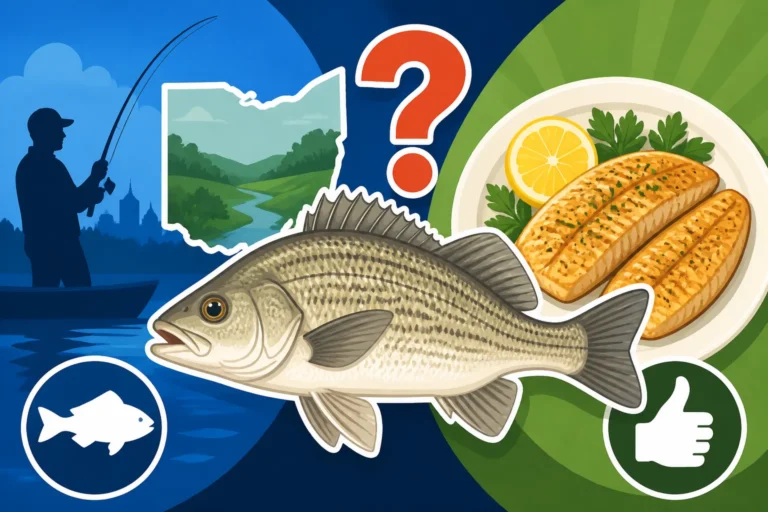
While crappie can be a fantastic spring and fall fish, they remain active in warm summer water, particularly if you know their schooling habits. Both white and black crappie will seek out areas with submerged structure and shade.
In summer, you’ll often find crappie holding tighter to brush piles, sunken trees, bridge pilings, and dense weed beds in slightly deeper water than in spring. They are a schooling fish, so once you find one, you're likely to find many. Focus on areas with good cover and a bit of depth, especially spots that offer some relief from direct sunlight. Early morning, late evening, and even night fishing can be highly productive for summer crappie, as they move shallower to feed under the cover of darkness. Ohio Crappie Fishing Guide offers excellent tips for targeting these popular panfish.
Bluegill and Other Sunfish: The Abundant Biters
For sheer numbers and consistent action, especially for family outings or beginner anglers, bluegill and other panfish (like redear sunfish, green sunfish, and pumpkinseed) are warm-water superstars. They are incredibly prolific and their aggressive nature means they’re almost always willing to bite.
Bluegill thrive in warm, shallow waters and are often found around docks, weed lines, lily pad fields, and any form of submerged structure. They are highly territorial, especially when nesting, and will aggressively strike at anything that invades their space. While they might be smaller than bass or catfish, the sheer volume of bites they provide makes them an absolute blast to catch in the summer heat. They are a fantastic entry point into fishing for kids, as the action is often non-stop. Plus, they make for some excellent table fare! Learn to tell them apart with our Ohio Bluegill and Sunfish Identification guide.
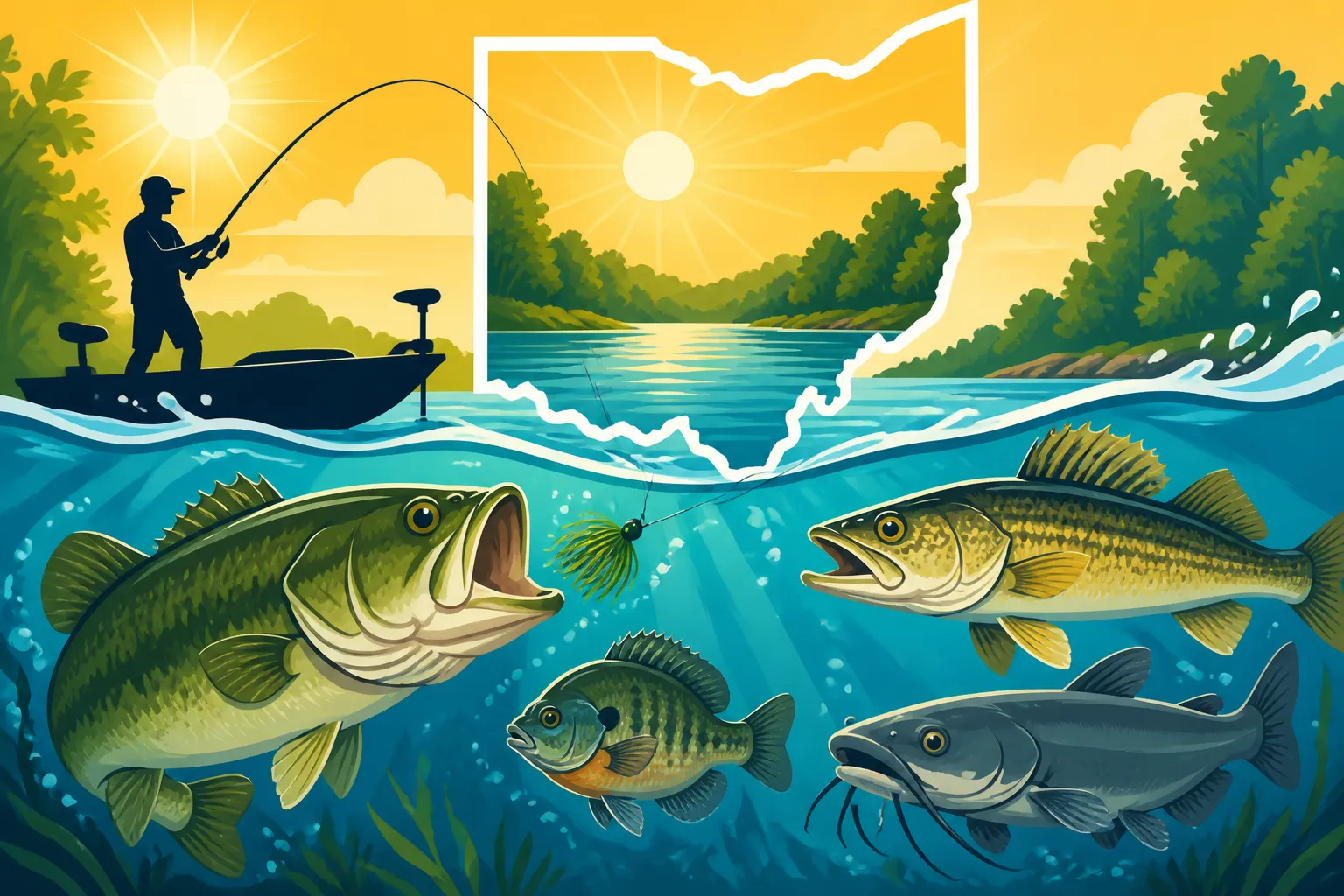
Here's a quick comparison of these warm-water loving species:
| Species | Preferred Summer Habitat | Optimal Bite Times | Common Baits/Lures | Notable Behavior in Warm Water |
|---|---|---|---|---|
| Largemouth Bass | Dense weed beds, lily pads, submerged timber, shaded banks, edges of deeper structure | Dawn, Dusk, Night, Overcast Days | Topwater frogs/poppers, plastic worms/jigs, spinnerbaits | Highly aggressive, ambush predators. |
| Channel Catfish | Deeper holes, current breaks, submerged cover, muddy bottoms | Evening, Night, Overcast Days | Cut bait, chicken livers, stink baits, worms | Rely on scent, forage actively. |
| Crappie | Submerged brush piles, bridge pilings, deep weed lines, shaded structure | Dawn, Dusk, Night | Small jigs, live minnows, tiny crankbaits | School tightly around cover. |
| Bluegill/Sunfish | Docks, weed lines, lily pads, shallow structure, shaded areas | All Day, especially mornings/evenings | Worms, crickets, small artificial baits, tiny jigs | Abundant, aggressive, often territorial. |
Effective Tactics for Warm Water Fishing in Ohio
Fishing in warm summer water often requires a slight adjustment in your approach compared to cooler seasons. Fish behavior changes, and understanding these shifts will put you in a much better position to have a successful day on the water. It’s all about adapting to the conditions and thinking like a fish in the heat!
Timing is Everything: Early, Late, and Night Fishing
While you might still catch fish in the middle of a bright summer day, the peak windows of activity for many warm-water species shift dramatically.
- Sunrise and Sunset: These are prime times. As the sun rises or sets, the intense heat of midday dissipates, and fish feel more comfortable moving into shallower areas to feed. The low light conditions also give them an advantage over their prey. Topwater baits for bass can be explosive during these periods, and catfish will often begin their nocturnal foraging routines.
- Night Fishing: For species like channel catfish and even larger largemouth bass, night fishing can be incredibly productive during the summer. The water is at its coolest, and these fish often become more bold and active under the cover of darkness. Many anglers swear by Best Techniques for Catching Channel Catfish at Night as the most effective summer method for whiskered giants. You can also target crappie under lights, as the lights attract baitfish, which in turn attract crappie. Don’t be afraid to try some Night Fishing Techniques in Ohio!
- Overcast Days: Don't let a cloudy forecast keep you home! Overcast conditions can mimic early morning or late evening, providing extended periods of low light and cooler surface temperatures. This often makes for fantastic all-day action, especially for bass.
Location, Location, Location: Where to Find Them
In warm water, fish are constantly balancing the need for food with comfort and safety. This means you need to focus on areas that offer these advantages.
- Shade and Cover: This is huge. Look for anything that provides shade: overhanging trees, docks, bridge pilings, dense lily pad fields, or thick submerged vegetation. Fish will hold in these areas to escape direct sunlight and use them as ambush points.
- Deeper Water Access: Even fish that love warm water will seek slightly cooler, more stable temperatures during the hottest part of the day. This means looking for ledges, drops, humps, and points that allow them to move easily between shallow feeding areas and deeper refuge.
- Current: In rivers and even some reservoirs, current brings fresh oxygen and often pushes baitfish. Look for current breaks, eddies, and the slower seams next to faster water. Catfish especially love these areas in rivers like the Ohio River.
- Oxygenated Water: Areas with wind blowing across the surface, natural springs, or flowing inlets can have slightly higher oxygen levels, making them more attractive to fish.
Presentation Matters: Slow Down, or Speed Up!
The way you present your bait is crucial. Sometimes, warm water means fish are more aggressive and will chase a fast retrieve. Other times, the heat can make them a bit lethargic, requiring a slower, more deliberate approach.
- Slow Down for Bass: When bass are tucked deep in cover on a hot day, a slow, methodical presentation with a Texas-rigged plastic worm or jig can be deadly. Flip or pitch your bait right into the densest cover and let it sit. The subtle movements are often enough to trigger a strike from a bass that isn't willing to chase.
- Scent for Catfish: For channel catfish, scent is paramount. Use baits like cut shad, chicken livers, or pre-made "stink baits" that release a strong odor. Present them on the bottom with a slip sinker rig, letting the current or natural movement disperse the scent. You can find some excellent specialized catfish baits on Amazon.
- Vertical for Crappie: When crappie are schooled tightly around submerged brush piles or bridge pilings, a vertical presentation is often best. Use a small jig or live minnow suspended directly above or within the school. Your fish finder will be your best friend here!
- Topwater Explosions: During low light, especially for bass, nothing beats the excitement of a topwater strike. Frogs, poppers, and walking baits retrieved over lily pads or along weed lines can draw explosive surface bites.
Remember, flexibility is key. If one tactic isn't working, don't be afraid to change your location, bait, or retrieve speed. Best Summer Fishing Techniques in Ohio details more ways to adapt.
Gear and Bait for Summer Success
Having the right tools in your tackle box and on your boat (or by your side if you're bank fishing) can make all the difference when targeting warm-water fish in Ohio. Summer often means more aggressive bites, denser cover, and sometimes, bigger fish, so your gear needs to be up to the task.
Essential Rods, Reels, and Line
You don't necessarily need a whole new arsenal, but having a few specific setups can significantly improve your summer fishing.
- Medium-Heavy Casting Rod for Bass: For fishing thick cover for largemouth bass, a 7-foot medium-heavy casting rod paired with a baitcasting reel spooled with 15-20 lb fluorocarbon or even 30-50 lb braided line is ideal. The stout rod has the backbone to pull fish out of heavy weeds, and the stronger line resists abrasions. You can find robust options on Amazon.
- Medium Spinning Rod for Catfish/Crappie: A versatile 6'6" to 7-foot medium-action spinning rod with a matching reel spooled with 8-12 lb monofilament or fluorocarbon is perfect for presenting baits for catfish or crappie. It offers enough sensitivity for light bites but enough power for decent-sized fish.
- Light Spinning Rod for Panfish: For bluegill and other panfish, a light or ultralight spinning rod with 4-6 lb test line provides maximum fun and sensitivity for those subtle nibbles.
When considering fishing lines, remember that monofilament offers good stretch, which can be forgiving, while fluorocarbon is nearly invisible underwater and has excellent abrasion resistance. Braided line offers incredible strength for its diameter and no stretch, perfect for feeling subtle bites in heavy cover. Knowing Choosing the Right Ohio Fishing Line is a good start.
Baits and Lures That Attract Summer Biters
This is where you can really capitalize on the warm-water feeding frenzies!
- Live Bait is King (Often):
- Worms: Nightcrawlers and redworms are universally effective for bluegill, crappie, and even smaller channel catfish. Present them under a bobber or on the bottom.
- Minnows: Live minnows are irresistible to crappie and can also entice bass. Hook them through the lip or back and fish them under a bobber or slowly retrieved.
- Cut Bait: For channel catfish, especially in rivers, fresh cut bait (shad, skipjack, bluegill) is incredibly effective. The scent trail it leaves in the warm water is a powerful attractant.
- Artificial Lures for Aggressive Fish:
- Topwater Lures: Frogs, poppers, and walking baits are pure adrenaline for largemouth bass at dawn, dusk, or on cloudy days. Throw them over mats of vegetation or near shaded cover.
- Plastic Worms and Jigs: For bass hunkered down in cover, Texas-rigged plastic worms, creature baits, or jigs with trailers are incredibly effective. Work them slowly and thoroughly through heavy cover. Best Lures for Ohio Fishing can give you more ideas.
- Small Jigs and Soft Plastics: For crappie, small 1/16 to 1/8 oz jigs tipped with tiny tubes, grubs, or small soft plastics are ideal. Experiment with colors, but chartreuse, white, and black are often reliable.
- Spinnerbaits and Chatterbaits: These can be effective for bass, especially when retrieved around weed edges or through sparse cover, creating flash and vibration in the water.
- Scented Baits and Attractants: Don't underestimate the power of scent in warm water, especially for catfish. Scented soft plastics and liquid scent attractants applied to lures can significantly increase your strike rate for many species. Look for high-quality attractants on Amazon.
Essential Accessories for Summer Comfort and Safety
Beyond your primary fishing gear, a few accessories can make your summer fishing trips much more enjoyable and safe.
- Sun Protection: A wide-brimmed hat, polarized sunglasses, and good quality sunscreen are non-negotiable. The summer sun in Ohio can be intense.
- Hydration: Bring plenty of water or sports drinks. Dehydration can sneak up on you quickly. A quality cooler filled with ice is a must-have.
- Bug Spray: Especially when fishing at dawn, dusk, or night, mosquitoes and other biting insects can be a real nuisance. Don't leave home without it!
- Cooler/Livewell: If you plan on keeping your catch, a good cooler with ice or a functioning livewell is crucial to keep fish fresh in the warm temperatures.
- First Aid Kit: Always a good idea to have on hand for minor cuts, scrapes, or hook mishaps.
- Portable Fan/Cooling Towel: For those truly sweltering days, a battery-operated portable fan or a cooling towel can provide much-needed relief and extend your time on the water. Check Amazon for highly-rated portable fans for anglers.
By focusing on these warm-water loving species, adjusting your timing and location, and having the right gear and bait, your Ohio summer fishing adventures can be incredibly rewarding. Don't let the heat keep you indoors; instead, embrace it and discover the exciting action that awaits on Ohio's lakes and rivers!
Disclaimer
This article is for general informational purposes only and does not constitute professional advice. Laws, prices and regulations vary by location and change over time. Consult a qualified professional for guidance on your specific situation.