Which Ohio Fish Stay Active All Winter Long
Oh, the dread of winter! As the mercury drops and the lakes start to skim over, many anglers pack away their rods and resign themselves to months of dreaming about spring. It’s a common frustration, feeling like your favorite pastime has to go into hibernation. But here’s a little secret: not all Ohio fish get the memo to slow down. In fact, many species remain surprisingly active and catchable, offering unique and rewarding opportunities for those willing to brave the chill. This guide is all about shining a spotlight on those resilient finned friends that offer fantastic winter fishing experiences.
Understanding Winter Fish Behavior in Ohio
Before we dive into which fish stay active, let's talk a little about why some do and some don't. It's not magic; it's biology, and understanding it will make you a much more successful winter angler.
Why Some Fish Slow Down and Others Don't
Fish are cold-blooded creatures, which means their body temperature is regulated by their surrounding environment – in this case, the water. As the water gets colder, their metabolism slows down significantly. Think of it like a car in low gear; it's still moving, but it's not burning fuel as fast. For many species, this means less need for food and a general sluggishness. They might still eat, but their feeding windows become shorter and less frequent.
However, some species are simply better adapted to cold water. They might have evolved in colder climates or possess physiological traits that allow them to maintain a higher activity level. Others, like certain panfish, might school up in deeper, more stable temperature zones and become a concentrated, albeit sometimes finicky, target. It's all about energy conservation versus opportunity. If there's an easy meal, even a slow fish might take it, but the truly active ones are out there actively hunting.
General Winter Fishing Challenges
Let's be real, winter fishing isn't always easy. The cold itself is a major challenge. Layering up, keeping your hands warm, and dealing with frozen line guides can test anyone's patience. Then there's the ice – or lack thereof. Early winter might mean open water in some areas, while deep winter brings thick ice, requiring specialized gear like augers and shanties. Safety is paramount, and understanding How Thick Ice Should Be Before Fishing in Ohio is crucial.
Beyond the physical discomfort, finding fish can be tough. They often congregate in specific areas, seeking out stable temperatures or available food sources. This means a lot more searching and relying on electronics like fish finders. The bites can also be incredibly subtle, requiring lighter lines and sensitive rods. Don't expect aggressive tugs every time; sometimes it's just a slight twitch of the line. But when you do connect, the satisfaction of landing a fish from beneath a sheet of ice or in biting cold wind is truly something special.
The Ohio Ice Angler's Top Targets
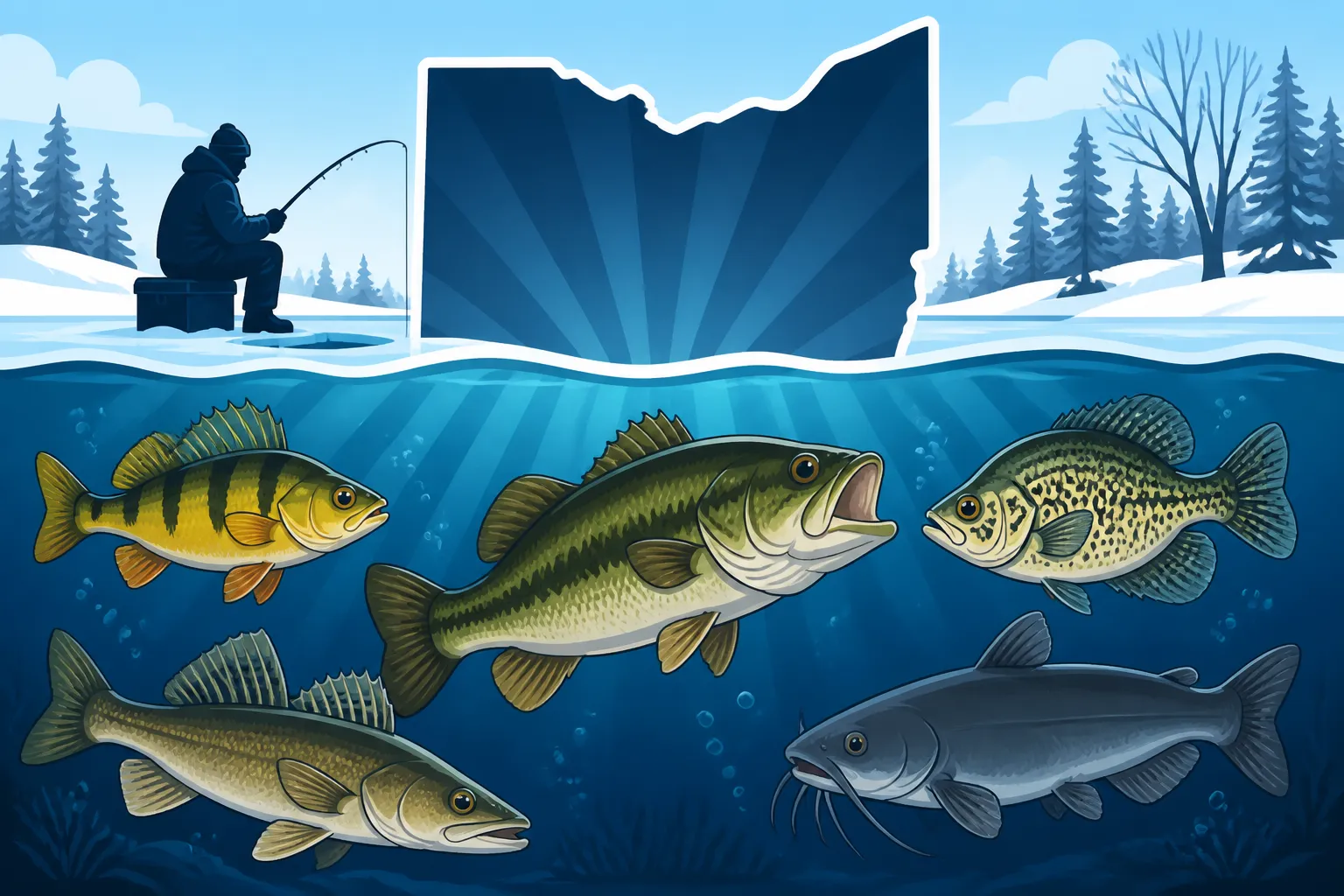
When the lakes freeze over or the winter chill sets in, a few species really shine for Ohio anglers. These are your bread and butter, the fish that make winter trips worthwhile.
Walleye and Saugeye: The Sought-After Predators
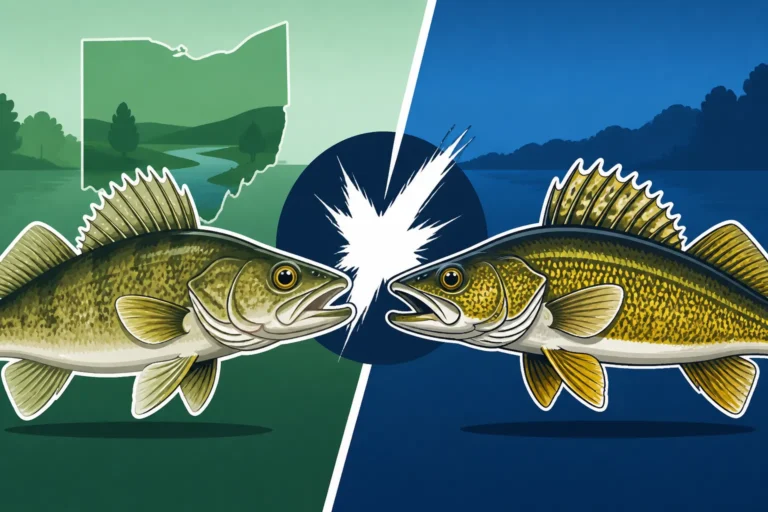
If there’s one fish that truly gets Ohio anglers excited in winter, it’s the walleye. And its cousin, the saugeye, is right there with it. These toothy predators don't just survive the cold; they often thrive, becoming incredibly active under the ice or in frigid open waters. They're still feeding, often migrating to deeper water where temperatures are more stable, but they will move onto structures or flats during low-light conditions to feed on baitfish.
Through the ice, you'll often find them suspended over humps, along breaks, or near main lake points. The key is to be mobile and use electronics to find them. Jigging small spoons or lipless crankbaits, often tipped with a minnow head or wax worm, can be deadly. The bite can be light, so pay close attention to your rod tip. Many anglers swear by a slow, subtle jigging action. Don't be afraid to experiment with different depths; walleye and saugeye can be anywhere from just below the ice to near the bottom. For more in-depth knowledge, check out our Ohio Walleye Fishing Guide and Ohio Saugeye Fishing Guide.
Crappie: Panfish for Persistence
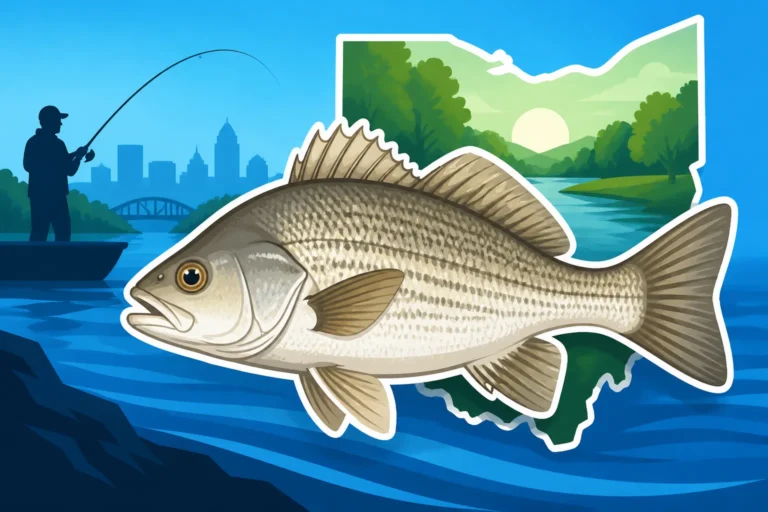
Crappie are another fantastic winter target, particularly for ice anglers. What makes them so appealing is their schooling behavior. Find one, and you’ve often found a whole school! As temperatures drop, crappie tend to move to deeper waters, congregating around submerged structure like brush piles, standing timber, or old weed beds. They're often found suspended at various depths within these structures.
Once you locate a school on your fish finder, the action can be fast and furious. Small jigs, often tipped with a wax worm, a small minnow, or a soft plastic, are incredibly effective. Light line and a sensitive rod are paramount to detect their notoriously subtle bites. Many anglers will drop multiple lines (where regulations allow) to quickly find the feeding depth. It's a game of patience and precision, but the reward of a bucket full of delicious crappie is well worth it. You can learn more about finding these tasty fish in our Ohio Crappie Fishing Guide.
Yellow Perch: Delicious Winter Bites
Ah, the yellow perch – the quintessential ice fishing target for many in Ohio. These schooling panfish are not only abundant but also notoriously aggressive, even in cold water. They're a fantastic choice for both seasoned ice anglers and those just starting out. Like crappie, perch school up, making them a high-reward target once located. They often prefer slightly shallower flats or transitions near drop-offs, especially areas with softer bottoms where insects and small crustaceans might reside.
Small jigs, spoons, and teardrop lures, tipped with maggots (spikes), wax worms, or a piece of minnow, are incredibly effective. A common setup involves a small spoon jigged aggressively to attract attention, with a tiny tear-drop jig on a dropper line below it for the actual bite. The fight of a jumbo perch through the ice is something every angler should experience. They’re also one of the best eating fish in freshwater! Discover more about these winter delights in our Ohio Yellow Perch Fishing Guide.
Bluegill and Other Panfish: Accessible Fun
For sheer numbers and consistent action, it's tough to beat bluegill and other sunfish during the winter months. While they might not reach the trophy sizes of a walleye or muskie, they offer endless fun, especially for beginners or families. Bluegill, like crappie and perch, tend to congregate in deeper areas with structure, such as weed edges, submerged timber, or even muddy flats adjacent to deep water.
Their bites are often more detectable than crappie, and they're less picky, making them an excellent confidence booster on a slow day. Tiny jigs, often called "ice jigs," tipped with a single wax worm, maggot, or a piece of corn, are irresistible to them. You can use ultra-light rods and reels for maximum sport. Don't overlook other panfish like pumpkinseed or green sunfish, which often inhabit the same areas and provide similar action. Understanding the distinctions can also help, so take a look at our Ohio Bluegill and Sunfish Identification guide. These fish are usually eager biters and can make for a memorable outing, even on the coldest days.
Less Common, But Still Active, Winter Catches
While the usual suspects get most of the winter fishing glory, don't overlook a few other species that can provide a thrilling surprise during the colder months. They might require a bit more patience or specialized tactics, but the rewards are definitely there.
Channel Catfish: Deep-Water Dwellers
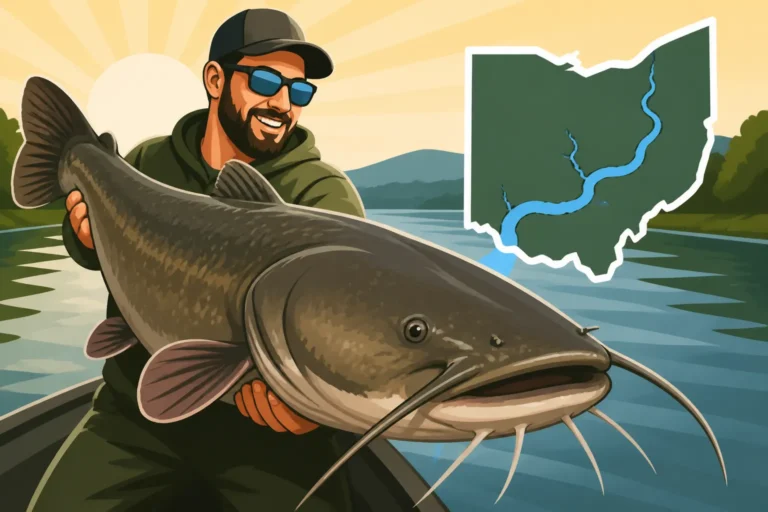
Many anglers mistakenly assume catfish completely shut down in winter. While it’s true that flatheads and blue catfish become considerably less active and might move to specific overwintering holes, channel catfish are a different story. They remain surprisingly catchable, especially in deeper river bends with slower currents or the deeper basins of large reservoirs. Their metabolism certainly slows, but they still need to feed, albeit less frequently.
The key to winter channel catfishing is finding those deeper, warmer pockets where they congregate. Think about holes, scour lines, or deep pools below dams in rivers like the Muskingum or the Ohio River. In lakes, look for the deepest sections of the main basin. Cut bait, nightcrawlers, or even dough baits fished on the bottom with a simple paternoster or Carolina rig can tempt them. Bites will be subtle, often just a gentle tap or a slow, steady pull, so sensitive rod tips are your friend. Landing a hefty channel cat through the ice or in freezing temperatures is a memorable experience. Get more tips on targeting them in our Ohio Channel Catfish Fishing Guide.
Northern Pike and Muskie: Apex Ambushers
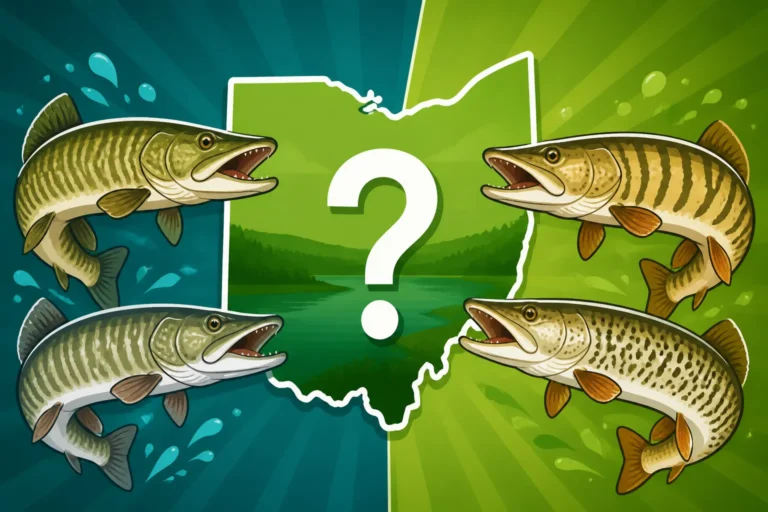
If you're after a true trophy in the dead of winter, consider the northern pike and muskie. These "fish of 10,000 casts" are apex predators that are incredibly tolerant of cold water. In fact, some of the biggest muskie catches happen in late fall and early winter. While their feeding windows might be shorter, they are still actively hunting large prey. Pike, in particular, can be quite aggressive under the ice.
For muskie, look to lakes like Alum Creek or Piedmont, where these giants reside. Large sucker minnows fished under a tip-up or a stout float, or slowly retrieved large glide baits and soft plastics, can entice a bite. For northern pike, smaller versions of the same tactics work well, especially on lakes in northeastern Ohio. They often hold near remaining green weed beds, sharp drop-offs, or submerged timber. Be prepared for a brutal fight, even in cold water! You'll need heavy gear and a lot of patience. If you're serious about chasing these giants, our Ohio Muskie Fishing Guide offers a wealth of information.
Gear and Tactics for Winter Success
Having the right equipment and knowing how to use it can make all the difference between a miserable, fishless day and a rewarding winter adventure.
Essential Ice Fishing Gear Considerations
When the ice forms, specialized gear becomes essential. First and foremost, you'll need an ice auger – either a hand auger for thinner ice, or a gas, propane, or electric auger for thicker ice. These create the holes you'll fish through. Next, consider your rods and reels. Ice fishing rods are typically much shorter, ranging from 24 to 36 inches, allowing for precise jigging and fitting inside shanties. Pair them with small spinning reels spooled with light monofilament or fluorocarbon line, which resists freezing better than braid. For a reliable setup, you can often find great deals on specific ice fishing combos on Amazon.
A fish finder or flasher is almost non-negotiable for ice fishing. It helps you locate fish, monitor their depth, and see how they react to your bait. A portable shelter or shanty, ranging from a simple windbreak to an insulated pop-up or flip-over model, provides warmth and comfort, greatly extending your time on the ice. Don't forget an ice scoop to keep your holes clear of slush, and a bucket to sit on and transport your catch. Our Ohio Ice Fishing Guide has even more detail on setting up your winter arsenal.
Effective Baits and Lures
For active winter fish, your bait and lure selection can be critical. Live bait, such as minnows (small fatheads for panfish, larger shiners or suckers for walleye/pike), wax worms, and spikes (maggots), are often the most effective. The natural scent and subtle movement of live bait can trigger bites from even sluggish fish.
When it comes to artificials, small jigging spoons are a winter staple. Brands like Northland, Swedish Pimple, or Rapala Jigging Raps come in various sizes and colors, mimicking baitfish. Tip them with a minnow head or wax worm for added appeal. Small soft plastics on tiny lead-head jigs are also incredibly effective for crappie and bluegill. Colors often matter less than presentation, but natural tones like white, black, or perch patterns are always a good starting point. Don't be afraid to experiment with brighter "attractor" colors, especially in stained water. For crappie specifically, knowing Best Bait for Ice Fishing Crappie in Ohio can make a huge difference.
Safety First on the Ice
While winter fishing is exhilarating, it comes with inherent risks, especially if you venture onto frozen water. Ice safety is paramount. Always check ice thickness before heading out, and continuously as you move. A minimum of 4 inches of clear, solid ice is generally recommended for foot travel, but always exercise extreme caution. Never fish alone, and let someone know where you are going and when you expect to return.
Carry ice picks (also available on Amazon) around your neck for self-rescue in case of a breakthrough. A spud bar is excellent for testing ice as you walk. Dress in layers to stay warm and dry, and consider wearing a flotation suit or a personal flotation device (PFD), especially when venturing onto larger bodies of water or early/late in the season. Remember that ice conditions can vary widely, even on the same body of water, due to currents, springs, or underwater structure. Always prioritize your safety over catching fish.
Ohio Winter Fish Activity Cheat Sheet
Here's a quick look at some of the most active fish in Ohio during winter, their typical hangouts, and effective tactics.
| Species | Typical Winter Location | Recommended Baits/Lures | Key Tactics |
|---|---|---|---|
| Walleye/Saugeye | Deep humps, breaks, main lake points, river channels | Jigging spoons (tipped), minnows, lipless cranks | Jigging, vertical jigging, slow retrieve |
| Crappie | Suspended in deep brush piles, standing timber, docks | Small jigs (tipped), minnows, soft plastics | Finesse jigging, varying depths |
| Yellow Perch | Deeper flats, transitions near drop-offs, weed edges | Small jigs, spoons (tipped), wax worms, spikes | Aggressive jigging, multiple lines |
| Bluegill/Sunfish | Weed edges, submerged timber, muddy flats | Tiny jigs (tipped), wax worms, spikes, corn | Ultra-light finesse, subtle presentations |
| Channel Catfish | Deep river bends, main lake basins | Cut bait, nightcrawlers, dough baits | Bottom fishing, sensitive rods, patience |
| Northern Pike | Green weed edges, sharp drop-offs, submerged timber | Large minnows, large spoons, swimbaits | Tip-ups, slow retrieves, targeting ambush points |
| Muskie | Deep breaks, points, specific structures | Large suckers, glide baits, large soft plastics | Tip-ups, deliberate slow retrieves, patience |
So, next time winter rolls around and you feel that familiar itch to cast a line, remember that Ohio's waters still hold plenty of excitement. With the right gear, a bit of knowledge, and a healthy dose of winter grit, you can enjoy some truly fantastic fishing, even when everything else seems to be frozen solid. Don't let the cold keep you indoors – the fish are waiting!
Disclaimer
This article is for general informational purposes only and does not constitute professional advice. Laws, prices and regulations vary by location and change over time. Consult a qualified professional for guidance on your specific situation.