What Makes Ohio River Catfish Grow So Large
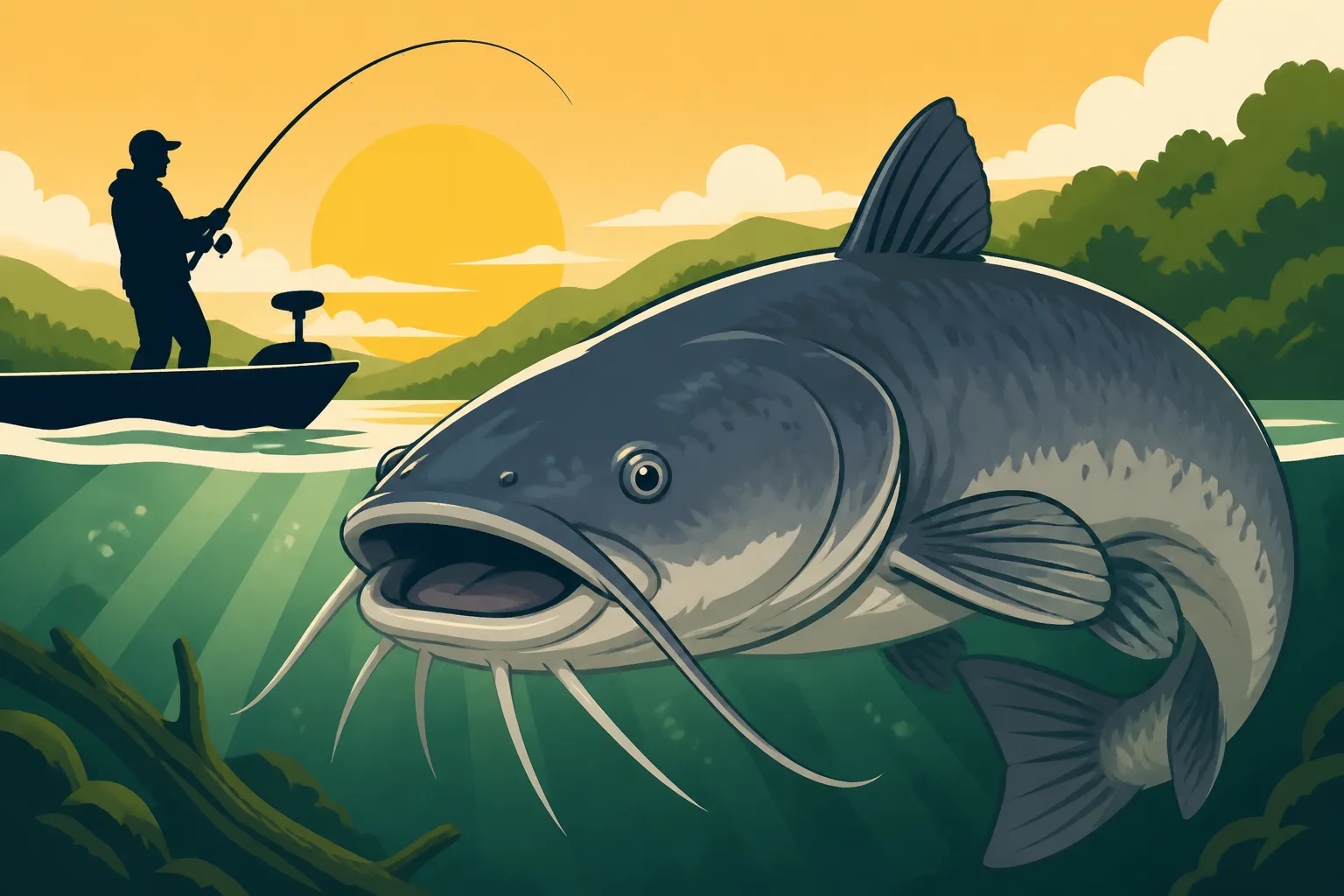
It's a question that's crossed the mind of many an angler, especially after reeling in what feels like a log from the deep waters of the Ohio River: "What in the world are these catfish eating to get so big?" The frustration of struggling with a monster fish, coupled with the awe of its sheer size, often leaves us wondering about the secrets behind these aquatic giants. This guide will dive deep into the unique conditions, abundant food sources, and environmental factors that contribute to the truly colossal dimensions of Ohio River catfish, helping you understand why these fish reach such impressive sizes.
The Bountiful Buffet: Rich Food Sources Fueling Growth
One of the primary reasons Ohio River catfish, especially the flatheads and blue cats, can grow to such astounding sizes is the incredible abundance and variety of food available to them. Think of the Ohio River as a massive, ever-flowing buffet line for these opportunistic predators. They don't have to work nearly as hard as fish in smaller, less fertile waters to find a meal, and that constant influx of calories translates directly into impressive growth.
An Endless Supply of Baitfish and Other Forage
The Ohio River is teeming with a diverse range of baitfish, from shad and emerald shiners to various minnow species. These smaller fish form the base of the food chain, and catfish, particularly flatheads, are expert ambush predators. A flathead will often lie in wait near submerged timber or rocky outcrops, ready to snatch an unsuspecting school of shad passing by. Blue catfish, on the other hand, are more pelagic, often schooling and actively hunting baitfish in open water. This rich forage base means less energy expended on hunting and more energy dedicated to growing larger and stronger. Imagine a grocery store that restocks every hour – that's essentially what the Ohio River offers these fish. Beyond just baitfish, there's a whole world of other edibles: crayfish, mussels, aquatic insects, and even smaller rodents or birds that might unfortunately fall into the water become part of the catfish's varied diet. For more on what these giants consume, check out What Channel Catfish Eat.
Nutrient-Rich Sediment and Ecosystem Health
The river's flow carries a tremendous amount of sediment and organic matter downstream, especially after rain events. This might sound unappetizing to us, but it’s a goldmine for the aquatic ecosystem. This nutrient-rich environment supports vast populations of invertebrates, which are then consumed by baitfish, completing a robust food web. This high level of productivity throughout the entire river system ensures that there's always plenty of food at every trophic level. A healthy ecosystem with a deep, complex food chain provides the foundation for top predators like large catfish to thrive. The sheer volume of water and the constant movement of nutrients create a perpetually fertile environment, acting like a natural fertilizer for the entire aquatic pantry.
A River Built for Giants: Ideal Habitat and River Characteristics
Beyond just food, the physical characteristics of the Ohio River itself play a crucial role in supporting these monstrous catfish. It's not just a big river; it's a complex river, offering a myriad of prime habitats that cater perfectly to the needs of growing catfish, from their juvenile stages right up to trophy sizes.
Deep Pools, Channels, and Abundant Structure
The Ohio River boasts incredible depth variations, with numerous deep pools, scour holes, and main river channels that can plummet to significant depths. These deep areas provide catfish with stable, cooler water temperatures in summer, warmer refuges in winter, and a sense of security from predators (though at their size, catfish don't have many natural predators!). These deepwater havens allow large catfish to conserve energy and grow without constant stress. Furthermore, the river is rich in submerged structure: fallen trees, log jams, rock piles, bridge pilings, and various man-made structures. Flathead catfish, in particular, are drawn to these structures, using them as ambush points for prey and as protective cover. Imagine a bustling city with hidden alleyways and deep subway tunnels – that's the kind of complex environment the Ohio River offers.
Vast Expanse and Consistent Flow
The sheer size and length of the Ohio River mean an expansive territory for catfish to roam and grow. Unlike smaller lakes or ponds, these fish aren't confined, which reduces competition for resources and allows for greater individual growth potential. The river's consistent flow also plays a part. While currents vary, the constant movement of water helps distribute food, oxygenates the water, and provides a dynamic environment that encourages fish activity and health. The current also creates eddies and slack water areas where baitfish congregate, becoming easy targets for lurking catfish. This vast, interconnected system provides ample space for fish to spread out, establish territories, and grow without the pressures of overpopulation or limited range that might be found in smaller bodies of water. For tips on navigating these currents, check out How to Anchor in Current on the Ohio River.
Time and Resilience: The Lifespan Advantage
It’s not just about how much they eat, or where they live, but also about how long they get to do it. The impressive lifespan of certain catfish species, combined with Ohio's relatively long growing season, gives them ample opportunity to pack on the pounds and inches.
Longevity of Catfish Species
Both blue catfish and flathead catfish are incredibly long-lived species. It's not uncommon for these fish to live for 15, 20, or even 30 years or more in optimal conditions. A fish that lives for decades has a significant advantage in terms of growth potential compared to species with shorter lifespans. Each year, they add more size, becoming progressively larger and more formidable. Think of it like a long-term savings account: compound interest means bigger returns over time. These fish simply have more "growth seasons" under their belt. This extended lifespan allows them to mature fully and reach their maximum genetic potential, producing those truly gargantuan specimens that make headlines. For a deep dive into the sizes these fish can reach, see How Big Flathead Catfish Get in the Ohio River.
Extended Growing Season in Ohio Waters
While Ohio certainly experiences winter, the aquatic growing season, especially in a large river system like the Ohio, can be quite long. Catfish are generally warm-water fish, and they feed aggressively during the spring, summer, and into the fall. With a steady supply of food and suitable temperatures for much of the year, they can maintain a high metabolic rate and continuous growth for many months. Even in winter, larger catfish remain active and feed, albeit at a slower pace, ensuring that their growth journey never truly stops. This extended period of active feeding and metabolism allows for steady, incremental growth year after year, eventually leading to those record-breaking fish.
Genetic Gifts and Angler Practices
The specific catfish species found in the Ohio River, combined with how anglers interact with the fishery, also contribute to the prevalence of exceptionally large fish. It's a combination of natural predisposition and the impact of responsible angling.
Predominance of Large-Growing Species
The Ohio River is home to several species of catfish, but it's the blue catfish and flathead catfish that are renowned for their massive potential. Channel catfish are also present and can grow quite large, but they generally don't reach the same colossal sizes as their blue and flathead cousins. Blue catfish are known for their schooling behavior and incredibly rapid growth rates, often adding several pounds per year in fertile waters. Flatheads are more solitary, but their diet of live baitfish contributes to their bulk and impressive length. These species are simply built to be big, possessing the genetic blueprints for enormous size. To help identify your next catch, you might find Ohio Blue Catfish Identification or Ohio Flathead Catfish Identification useful.
Catch-and-Release Practices for Trophy Fish
While specific regulations exist for catfish in the Ohio River, many dedicated trophy catfish anglers practice catch-and-release, especially for the largest specimens. This responsible angling practice means that these massive, mature breeding fish are returned to the water to continue growing and reproducing. Each trophy fish released contributes to the genetic pool of large-growing catfish, ensuring future generations of giants. This conservation mindset, combined with the fish's natural resilience and the river's bountiful resources, creates a positive feedback loop for producing monster catfish. Many anglers use specialized heavy-duty gear, often purchased from retailers like Amazon, to ensure a quick and safe fight, reducing stress on these large fish before release. If you're looking for robust tackle, searching "heavy catfish rod and reel combo Amazon" will yield plenty of options.
Limited Pressure on the Largest Individuals
Compared to some other popular sport fish, the largest catfish often face less targeted pressure. Many anglers are content with smaller, eater-sized fish, allowing the true giants to grow undisturbed for many years. While trotlines and jug lines can put pressure on the population, the sheer size and complexity of the Ohio River make it difficult to completely overfish these deep-dwelling monsters. Furthermore, the specialized gear and techniques required to consistently target truly massive catfish (like heavy-duty braided line, large circle hooks, and big weights) act as a natural barrier, meaning fewer casual anglers accidentally hook into or are equipped to land these river leviathans. For those looking to upgrade their gear for these giants, platforms like Amazon offer a wide selection of specialized catfish tackle.
Here’s a quick comparison of the main catfish species found in the Ohio River, highlighting factors contributing to their size:
| Feature | Channel Catfish | Blue Catfish | Flathead Catfish |
|---|---|---|---|
| Typical Max Size (Lbs) | 20-30 lbs | 100+ lbs | 100+ lbs |
| Diet Preference | Omnivore (scavenger, baitfish, insects) | Carnivore (baitfish, mussels, crayfish) | Strict Carnivore (live baitfish) |
| Habitat Preference | Rivers, lakes, ponds; varied structure | Open channels, deep holes, schooling | Heavy structure, log jams, solitary |
| Growth Rate | Moderate | Fast | Fast |
| Lifespan (Years) | 10-15 | 15-25+ | 20-30+ |
| Ohio River Abundance | Common | Common | Common |
Whether you're targeting small channel cats for dinner or dreaming of a triple-digit blue cat, understanding these factors can significantly improve your chances. Equipping yourself with the right gear, perhaps even by browsing "catfish tackle boxes Amazon" for organized storage, and knowing the best spots, like those discussed in Fishing the Ohio River for Catfish, will set you up for success.
So, the next time you're out on the Ohio River, battling a fish that feels like it's pulling your arm off, remember the rich banquet, the vast watery home, and the decades of growth that went into creating that magnificent specimen. It's a testament to the health and vitality of this incredible waterway.
Disclaimer
This article is for general informational purposes only and does not constitute professional advice. Laws, prices and regulations vary by location and change over time. Consult a qualified professional for guidance on your specific situation.