Does Ohio Stock Steelhead in the Vermilion River?
It's incredibly frustrating when you're itching to hit a specific river, rod in hand, only to be unsure if your target species is even present in fishable numbers. Anglers across Ohio often wonder about the specific stocking efforts in their favorite tributaries, especially for exciting species like steelhead. This comprehensive guide will clear up any confusion regarding steelhead stocking in the Vermilion River, detailing Ohio's program and offering insights into making your Vermilion steelhead adventure a success.
The Ohio Steelhead Program: A Statewide Overview
Ohio's steelhead fishery is a unique and vibrant part of our angling heritage, especially for those of us who live close to the Lake Erie tributaries. While many states have wild, self-sustaining populations of steelhead, Ohio's story is a bit different. Understanding the statewide program helps put the Vermilion River's role into perspective.
Why Steelhead Are Stocked in Ohio
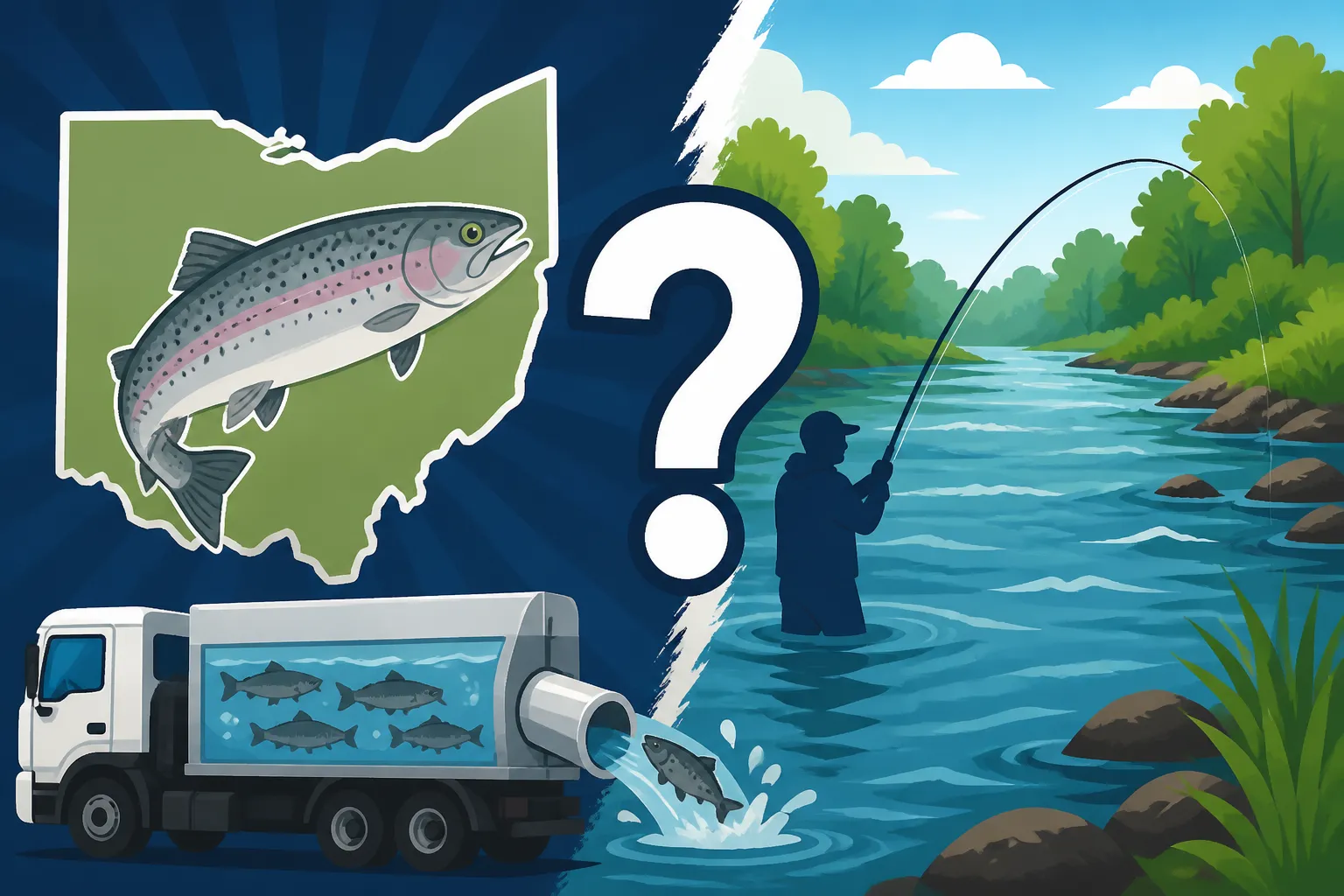
Unlike many trout streams out West, Ohio's Lake Erie tributaries, while beautiful and productive, generally lack the consistent, cold water year-round and ideal gravel beds that steelhead need to naturally reproduce in significant numbers. Our rivers experience more dramatic temperature fluctuations and sedimentation that make natural spawning very difficult for these migratory rainbow trout. Because of this, the Ohio Department of Natural Resources (ODNR) Division of Wildlife operates a robust "put, grow, and take" fishery. This means they raise steelhead in hatcheries, release them into the rivers, allow them to migrate to Lake Erie to grow large and strong, and then count on them returning to the rivers as adults for anglers to catch.
This stocking program is a win-win for everyone involved. It provides incredible recreational opportunities, drawing anglers from all over the state and beyond, which in turn supports local economies in towns along the "Steelhead Alley" region. Without these dedicated stocking efforts, the thrilling challenge of battling a chromer in one of our smaller Ohio rivers simply wouldn't exist on the scale it does today.
General Stocking Philosophy and Key Tributaries
The ODNR's philosophy is pretty straightforward: provide robust populations of steelhead in rivers that offer both suitable habitat for the returning adults and reasonable public access for anglers. This ensures that the efforts at the hatcheries translate into tangible fishing opportunities for the community. The main goal is to create a dynamic and accessible fishery that supports both avid and casual anglers.
Historically, and currently, the ODNR focuses its steelhead stocking efforts on several key Lake Erie tributaries. These rivers are chosen for their ability to support steelhead through their life cycle stages in the river: offering good migratory paths, holding water for adult fish, and providing adequate conditions for the smolts (juvenile steelhead) to make their way to Lake Erie. These include well-known names like the Grand River, Rocky River, Chagrin River, Conneaut Creek, and, yes, the Vermilion River. Each of these rivers presents its own unique challenges and rewards for anglers. The particular strain of steelhead used, often a Manistee strain, is selected for its robust nature and strong migratory instincts, making it well-suited for Ohio's conditions. If you're curious about the specifics, you can always dive into Steelhead Strain Ohio Stocks in Its Rivers to learn more about where these amazing fish come from.
Vermilion River Steelhead: Yes, They Are Stocked!
Let's get straight to the point that brought you here: does Ohio stock steelhead in the Vermilion River? The answer is a resounding yes! The Vermilion River is an integral part of Ohio's successful steelhead program and receives regular stocking from the ODNR.
Confirmation of Vermilion River Stocking
The Vermilion River is indeed one of Ohio's designated steelhead streams, and the ODNR consistently stocks juvenile steelhead (smolts) into its waters. This commitment ensures that year after year, anglers have the opportunity to chase these powerful, chrome-bright fish that have migrated from Lake Erie. The Vermilion's suitability for stocking stems from several factors. It boasts a good gradient, providing the necessary current and oxygenation that steelhead thrive in. It also has a mix of riffles, runs, and deeper pools that offer excellent holding water for returning adults. The river's flow, while susceptible to seasonal changes, generally maintains enough water to support the smolt migration to the lake and the adult returns. Public access is also a key consideration, and the Vermilion offers several points that allow anglers to reach prime fishing spots, which we'll cover in more detail shortly. These stocked fish are primarily raised at state hatcheries, a process that ensures healthy populations are introduced into the system. Understanding Where Ohio's Steelhead Trout Come From can give you a deeper appreciation for the journey these fish take before they even enter the river.
Understanding Stocking Numbers and Timing
While specific stocking numbers can vary slightly from year to year based on hatchery production and biological assessments, the Vermilion River is reliably part of the annual stocking schedule. Generally, the ODNR stocks steelhead smolts when they are around 6-9 inches long. This size is deemed optimal for survival as they transition from the hatchery environment to the river and then out into the vastness of Lake Erie.
The timing of these stockings is also strategic. Most smolts are released in the spring, typically from March through May, which allows them ample time to acclimate to the river environment before migrating to Lake Erie for their "grow-out" phase. They spend anywhere from one to three years in the lake, feeding on abundant forage fish, before their instinctual call to spawn brings them back to the very rivers where they were stocked. While the primary stocking focus is on steelhead smolts, it's worth noting that the general program for When Ohio's Rainbow Trout Are Stocked often happens in different periods and for different purposes, so it's important not to confuse the two. Steelhead stocking is a distinct effort aimed at building this migratory fishery.
Accessing the Vermilion River for Steelhead Fishing
One of the great things about the Vermilion River is the relatively good public access available for steelhead anglers. While some spots require a bit of a hike, many popular areas are quite reachable, making it a favorite among local and visiting anglers alike.
You'll find several key access points along the Vermilion. The Vermilion-Lorain Water Treatment Plant area, sometimes referred to as the "Waterworks," offers good access, particularly during the early parts of the run. Further upstream, areas around Mill Hollow Park provide additional entry points to the river. Be sure to check local park regulations, as rules can vary regarding fishing access, parking, and specific hours. For those who enjoy wade fishing, the Vermilion offers plenty of opportunities, but always be cautious of slippery rocks and fluctuating water levels. Bank fishing is also popular in many sections, especially where the banks are stable and offer good casting lanes. Drift boating or kayaking is another fantastic way to cover more water and reach less-pressured spots, though launching and retrieving can require specific access points and knowledge of the river's gradient and potential hazards. To get a better sense of all your options, take a look at resources like Vermilion River Steelhead Fishing Access for detailed information on entry points and conditions. Always respect private property and be mindful of your surroundings when accessing the river.
Fishing for Steelhead in the Vermilion River
Once you know the steelhead are there, the next step is to figure out how to catch them! Fishing the Vermilion River for steelhead can be incredibly rewarding, but it requires understanding the river's nuances and employing effective techniques.
Best Times and Conditions for Vermilion Steelhead
Steelhead in the Vermilion River, like in other Ohio tributaries, follow a somewhat predictable seasonal pattern, but conditions are always king. The main runs typically kick off in the fall, often starting in late September or October as water temperatures begin to drop and rains bring fresh flows into the river. This initial run of "fall chromers" is highly anticipated. The fish will then hold in the river through the winter, often congregating in deeper pools, until the spring thaw brings them back into spawning mode and another surge of fresh fish from the lake. The spring run, typically from March into May, can be incredibly productive, with warmer temperatures making for more aggressive fish. To get a better grasp of the overall calendar, refer to When Ohio Steelhead Runs Start.
Water levels and clarity are absolutely critical. Steelhead prefer to enter the rivers when the water is rising or stable, and has a slight stain to it, offering them cover from predators. After heavy rains, the river can blow out, becoming high and muddy, which makes fishing nearly impossible and unsafe. Conversely, extended dry spells can lead to very low and clear water, making the fish spooky and difficult to approach. You'll want to aim for what's often called "prime flow," where the river has a good current but is still wadeable and has some visibility. While Best Water Flow for Steelhead Fishing on the Rocky River focuses on a different river, the principles of understanding optimal water conditions apply directly to the Vermilion as well. Monitoring online stream gauges and local fishing reports is essential for timing your trip just right.
Essential Gear and Techniques for the Vermilion
To successfully target Vermilion River steelhead, you'll need the right tools and a solid understanding of presentation. Steelhead are powerful fish, and matching your gear to their strength and the river conditions is crucial.
For spinning gear, a medium-light to medium power rod, typically 8 to 10 feet long, paired with a reliable spinning reel spooled with 8-10 pound monofilament or fluorocarbon line is a great starting point. Many anglers prefer braided line as a main line with a fluorocarbon leader for sensitivity and strength. Fly anglers will often opt for 8-10 weight fly rods, 9-10 feet in length, to handle the heavy flies, indicators, and the powerful fight of a steelhead. Centerpin setups are also incredibly popular for their ability to achieve long, drag-free drifts, especially in longer runs. Knowing your Best Line Weight for Ohio Steelhead Fishing will make a huge difference in your hook-up and landing ratios.
When it comes to baits and lures, the options are plentiful. Common choices include:
- Spawn Sacks: Small mesh bags filled with cured salmon or trout eggs are often irresistible.
- Jigs: Tipped with a maggot, waxworm, or soft plastic, jigs in various colors (pink, chartreuse, white) are very effective.
- Beads: Mimicking a loose egg, beads drifted under an indicator are deadly.
- Spoons and Spinners: Casting these can cover water and entice aggressive fish. You can find a good selection of these on Amazon, often in multi-packs, perfect for trying different colors and weights. Learning How to Cast a Spoon for Steelhead effectively will give you an edge.
- Flies: Nymphs (like stoneflies, egg patterns, and squirmy wormies), streamers, and even dry flies on rare occasions can be successful. For fly fishing enthusiasts, exploring Best Fly Patterns for Ohio Steelhead will guide you to patterns that consistently produce.
Techniques generally involve drifting your bait or lure naturally with the current, trying to present it right in the strike zone where steelhead are holding. This often means using split shot or sinkers to get your offering down to the fish, especially in deeper holes or faster currents.
Regulations and Conservation on the Vermilion
Fishing responsibly is paramount, and that includes adhering to all local and statewide regulations. The ODNR sets specific rules for steelhead and other species in Ohio's Lake Erie tributaries. These regulations can include bag limits, minimum size limits, and tackle restrictions (such as single-hook only rules during certain times or in certain areas). It's crucial to always check the most current Ohio Fishing Regulations Every Angler Should Know before heading out, as rules can change from season to season.
Beyond the letter of the law, practicing good conservation habits is vital for the long-term health of the fishery. Many anglers choose to practice catch and release, especially for larger, wilder-looking steelhead, to ensure they can contribute to future runs. If you do plan to release fish, handle them with care, minimizing their time out of water and supporting them until they swim away strongly. While specific to a different species, the principles of careful handling discussed in How to Revive a Muskie Before Release can be adapted to steelhead for ethical release practices. Using a quality net, like one you might find on Amazon, can also help land and release fish safely, minimizing stress.
Beyond the Vermilion: Other Ohio Steelhead Destinations
While the Vermilion River offers fantastic steelhead fishing, it's just one piece of the incredible steelhead puzzle that Ohio presents. Understanding its place in the larger picture can help you plan even more diverse fishing adventures.
Exploring "Steelhead Alley"
The term "Steelhead Alley" isn't just a catchy phrase; it refers to a geographic region along the southern shore of Lake Erie, stretching from Ohio into Pennsylvania and New York, where numerous tributaries host incredible runs of migratory steelhead. Ohio's portion of Steelhead Alley is particularly renowned. Beyond the Vermilion, other major rivers that are actively stocked and highly popular include the Grand River, which is known for its size and diverse fishing opportunities; the Rocky River, easily accessible from the Cleveland metropolitan area; the Chagrin River, another fantastic option with beautiful scenery; and Conneaut Creek, often the first to "turn on" in the fall.
Each of these rivers has its own character, from the wide-open stretches of the Grand to the more intimate settings of some smaller creeks. While the Vermilion offers a good balance of accessibility and productive water, exploring these other systems can offer different challenges and experiences. For a deeper dive into the overall phenomenon, check out Steelhead Alley: Where It Is and What It Means. Anglers often spend entire seasons rotating between these rivers, chasing the best conditions and the freshest fish.
Planning Your Steelhead Adventure
Successful steelhead fishing in Ohio, whether on the Vermilion or another tributary, often comes down to meticulous planning and adaptability. The conditions on these rivers can change by the hour, let alone day to day.
- Stay Informed: Regularly check online fishing reports, local bait shop updates, and stream gauge data. Many forums and social media groups dedicated to Ohio steelhead fishing provide real-time information that can be invaluable.
- Dress for Success: Ohio steelhead season spans from fall through spring, meaning you'll often be fishing in cold, wet, and sometimes icy conditions. Layering is key, along with waterproof outer shells, warm hats, gloves, and reliable waders. You can find excellent options for performance outerwear and waders on Amazon, often with reviews from other anglers that can guide your choices.
- Consider a Guide: Especially if you're new to steelhead fishing or unfamiliar with the Vermilion River, hiring a local fishing guide can dramatically improve your success and accelerate your learning curve. These professionals know the rivers intimately, understand fish behavior, and can put you on fish faster than you might find them on your own. For more on this, explore options like Ohio Steelhead Fishing Guide Services. A guide can teach you techniques, show you prime spots, and provide invaluable insights into river conditions.
- Safety First: Always prioritize safety. Cold water can be dangerous, so be mindful of hypothermia risks. Fish with a buddy if possible, especially when wading. Be aware of slippery rocks and strong currents, and always let someone know where you're going and when you expect to return.
The Vermilion River undeniably plays a vital role in Ohio's incredible steelhead fishery. With consistent stocking efforts, combined with its natural characteristics, it continues to be a premier destination for anglers hoping to connect with these magnificent fish.
| River Name | Stocking Status | Typical Peak Seasons | Key Characteristics |
|---|---|---|---|
| Vermilion River | Consistently Stocked | Fall, Winter, Spring | Good mix of pools and runs, moderate size |
| Grand River | Consistently Stocked | Fall, Winter, Spring | Ohio's largest tributary, diverse fishing |
| Rocky River | Consistently Stocked | Fall, Winter, Spring | Very accessible, strong runs, near Cleveland |
| Chagrin River | Consistently Stocked | Fall, Winter, Spring | Smaller, intimate water, challenging yet rewarding |
| Conneaut Creek | Consistently Stocked | Early Fall, Winter, Spring | Farthest east, often first to get fish |
Disclaimer
This article is for general informational purposes only and does not constitute professional advice. Laws, prices and regulations vary by location and change over time. Consult a qualified professional for guidance on your specific situation.