Wade Trips vs Drift Boat Trips for Ohio Steelhead
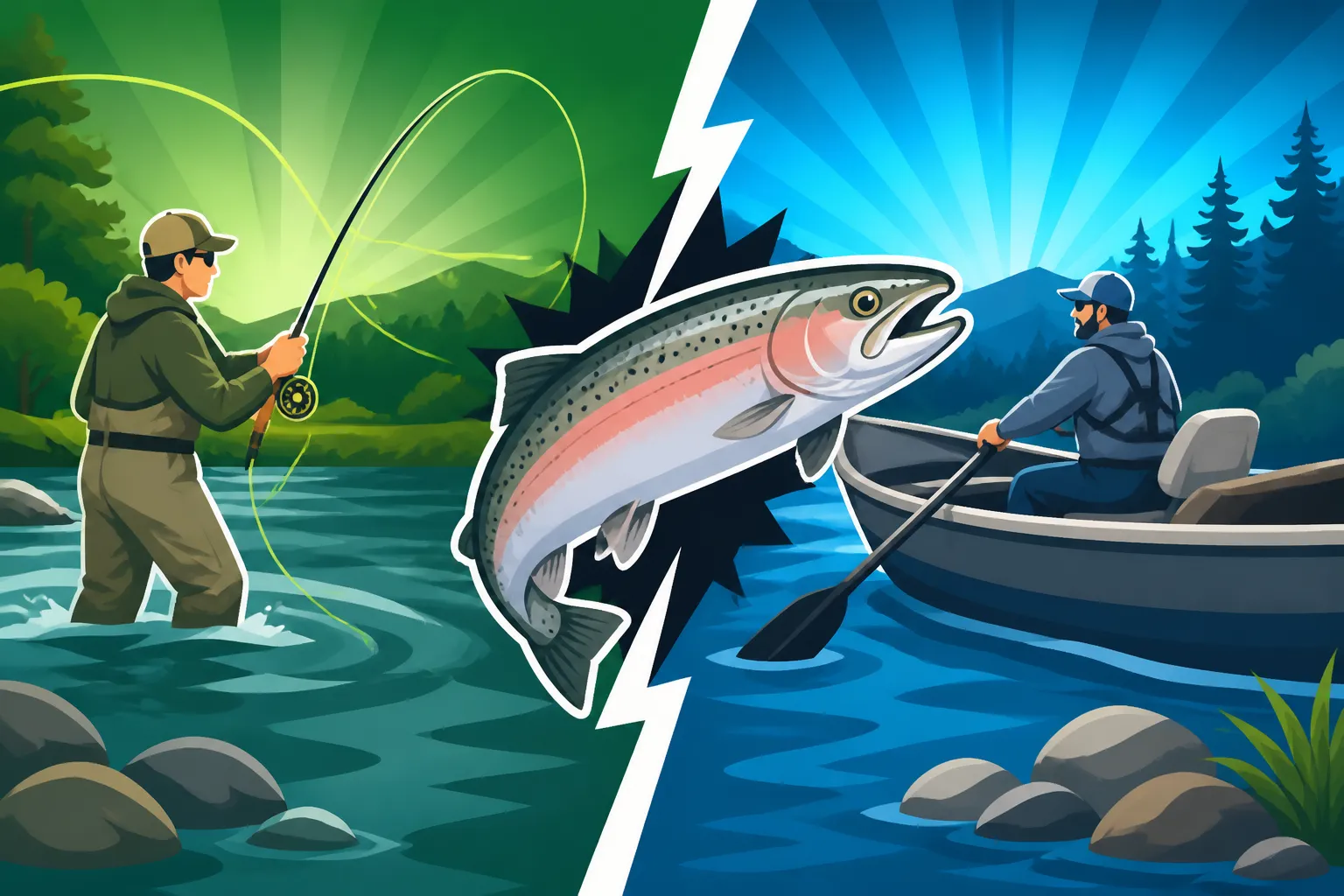
Trying to decide between a wade trip and a drift boat trip for Ohio steelhead can feel like choosing between two delicious but very different flavors of ice cream. You know both will be good, but you want to pick the one that truly satisfies your craving and fits your angling style. This guide will walk you through the distinct advantages and disadvantages of each method, helping you make an informed decision for your next exciting steelhead adventure on Ohio's incredible rivers.
Understanding Ohio Steelhead Fishing: A Quick Overview
Ohio's steelhead fishery is truly a gem, especially along the tributaries that feed into Lake Erie. These powerful, silver bullets, actually migratory rainbow trout, offer an incredible challenge and an even more incredible reward. They are known for their acrobatic fights and their tendency to hold in some truly beautiful, wild settings. But tackling them effectively means understanding not just their habits, but also the best ways to access and fish their preferred haunts.
The Allure of Ohio Steelhead
There's something uniquely captivating about Ohio steelhead. They journey from the vastness of Lake Erie into our smaller, intimate rivers, presenting a thrilling opportunity for anglers. Unlike a lot of freshwater fishing, steelhead demand a certain level of skill, patience, and often, a willingness to brave the elements. When you hook into one of these chrome beauties, the fight is unforgettable—full of powerful runs, aerial displays, and deep dives. It’s a pursuit that often becomes an addiction for many, myself included. Whether you're a seasoned fly angler or prefer traditional spinning gear, the pull of a steelhead on the end of your line is a distinct thrill that keeps you coming back to Ohio's "Steelhead Alley." If you're looking to dive deeper into how to catch these magnificent fish, check out our guide on Ohio Steelhead Fishing Techniques.
Key Considerations for a Steelhead Trip
Before you even think about wade versus drift, it’s crucial to consider a few foundational elements. First, the weather and water conditions in Ohio's steelhead rivers can be incredibly dynamic. A sunny day can turn into a cold, rainy slog, and river levels can rise or fall dramatically overnight, impacting fish behavior and angler access. You'll need appropriate gear, from warm layers to waterproof outerwear and reliable waders. Second, your personal fitness level plays a role, especially if you’re considering a wade trip that involves extensive walking over uneven, slippery terrain. Finally, your budget will certainly influence your choices, as guided trips, whether wading or drifting, come with different price points. Understanding these factors upfront will help narrow down which type of trip will provide the most enjoyable and productive experience. Thinking about where to start? Our article on Best Ohio Rivers for Steelhead can give you some excellent ideas for locations.
The Classic Experience: Ohio Steelhead Wade Trips
For many purists, steelhead fishing is synonymous with wading. It’s the quintessential experience, connecting you directly with the river and its currents. It’s often how anglers start, armed with waders and a single rod, exploring pockets and runs.
What is a Wade Trip?
Simply put, a wade trip involves accessing the river on foot, getting into the water with waders, and fishing from various positions as you move up or down the river. On a guided wade trip, your guide will typically meet you at a predetermined access point, often at a public parking area near a prime stretch of river. From there, you'll hike to the water, and the guide will lead you to productive spots, teaching you how to read the water, present your fly or lure, and navigate the riverbed. It’s an intimate experience, allowing you to feel the current against your legs and truly immerse yourself in the natural environment. You’re not just an observer; you're an active participant in the river's flow.
Pros of Choosing a Wade Trip
There's a lot to love about wading for steelhead. One of the biggest advantages is the sheer intimacy with the environment. You're physically in the river, feeling the nuances of the current and directly engaging with the habitat. This connection often fosters a deeper appreciation for the fishery.
- Stealth and Access: Wading allows for an incredibly stealthy approach. You can quietly sneak up on holding water, minimizing disturbance. This is particularly effective in smaller, shallower tributaries or when fish are skittish. Furthermore, a skilled wader can access very shallow pockets, tight bends, or complex boulder fields that a drift boat simply cannot reach. These often overlooked spots can hold untouched fish.
- Cost-Effectiveness: Generally, guided wade trips tend to be less expensive than guided drift boat trips. This is because the guide doesn't have the overhead of maintaining and launching a specialized boat, nor the costs associated with rowing for an entire day. This makes wade trips a great option for anglers looking for a guided experience without breaking the bank. For a full breakdown of costs, check out Ohio Steelhead Guide Trip Cost Per Person.
- Physical Engagement: If you enjoy being active and working for your fish, wading is incredibly rewarding. It involves hiking, navigating slippery rocks, and constantly adjusting your position. It's a fantastic workout and adds another layer of accomplishment to each fish caught. It forces you to become proficient in reading seams and currents, knowing where to cast, and how to retrieve in often complex aquatic environments. Learning to read the river effectively is key, and our article on How to Read Steelhead Holding Water can help you develop that skill.
- Focus on Technique: Because you're often covering smaller, more deliberate stretches of water, wade trips can be excellent for honing specific techniques, whether it's perfecting your nymphing drift or precisely swinging a fly. Your guide can dedicate more time to instruction in a focused setting.
Cons and Challenges of Wade Trips
While rewarding, wade trips aren't without their drawbacks, and it's important to go in with realistic expectations.
- Physical Demands: This is probably the biggest challenge. Wading can be physically taxing. You're walking on uneven, often slippery rocks, against current, and sometimes through deep water. It requires good balance, strong legs, and endurance. Cold water temperatures can also sap your energy, even with good waders. If you're not used to this kind of activity, a full day of wading can leave you quite tired. Do You Need Waders for Ohio Steelhead Fishing? discusses some important considerations for staying comfortable and safe.
- Limited Range and Coverage: You can only cover so much water on foot in a day. While you might thoroughly fish a few prime runs, you won't see miles of river like you would in a drift boat. This can be a disadvantage if fish are widely dispersed or if you're trying to escape pressure from other anglers. Your "reach" is limited to where your legs can take you.
- Weather and Safety: Being exposed to the elements is another factor. In cold, wet, or icy conditions, wading can be less comfortable and more challenging. High water levels or swift currents can also make wading dangerous or even impossible in certain areas, limiting your options and potentially compromising your safety. When the river is blown out or running too high, wading might not be a viable option at all. You can learn more about safe river levels in What Flow Is Too High to Fish Ohio Steelhead Rivers?.
- Guide's Role and Equipment: While guides provide valuable expertise, on a wade trip, they might not carry as much extra gear or food as they could in a boat. You're often responsible for carrying your own snacks, water, and extra layers in a backpack. While a guide will lead you to fish, their ability to reposition you quickly across the river or through tricky currents is also limited to what's wadeable.
Covering Water: Ohio Steelhead Drift Boat Trips
For those who want to experience multiple stretches of river, often with more comfort and less physical strain, a drift boat trip is an excellent alternative. It transforms your fishing experience by bringing the river to you.
What is a Drift Boat Trip?
A drift boat trip involves fishing from a specialized, shallow-draft boat designed to be rowed or guided downstream by a skilled oarsman (your guide). These boats are incredibly nimble, allowing the guide to navigate rapids, eddies, and riffles with precision, positioning anglers in prime casting locations. You typically launch at an upstream point and float several miles downstream, taking out at another designated access. It's less about hiking and more about covering distance and hitting a variety of water types efficiently. The guide handles the boat, allowing you to focus entirely on fishing.
Pros of Choosing a Drift Boat Trip
Drift boat trips offer a distinct set of advantages that cater to a different style of angling and level of comfort.
- Efficiency and Coverage: This is arguably the biggest benefit. In a drift boat, you can cover many miles of river in a single day, exposing you to a much wider variety of holding water and increasing your chances of finding active fish. If fish are spread out or moving, a drift boat allows you to follow them or quickly move to new areas. This means more fishing and less walking.
- Comfort and Reduced Physical Strain: Anglers can fish from a comfortable seated or standing position in the boat, significantly reducing the physical demands compared to wading. This is ideal for anglers who may have physical limitations, prefer a less strenuous day, or want to stay warm and dry as much as possible, especially in colder weather. The boat also offers a dry place for extra gear, food, and drinks.
- Safety and Stability: Drift boats are incredibly stable and designed to handle various river conditions. Your guide is an expert at navigating currents and obstacles, making it a safer option, particularly when water levels are high or currents are strong. The boat acts as a mobile safety net, providing a secure platform to fish from.
- Access to Unreachable Spots: A drift boat can access deep channels, swift currents, and stretches of river that are simply too dangerous or impossible to wade. This opens up entirely new fishing opportunities and can lead you to less pressured fish. Your guide knows the river intimately and can put you right on top of prime lies.
- Optimal Positioning: A skilled guide can expertly maneuver the boat, presenting anglers with ideal casting angles and drifts. They can hold the boat upstream of a prime seam, allowing for multiple perfect presentations, or quickly move to follow a fish or reposition for another cast. This precision greatly enhances fishing effectiveness. If you're looking for an experienced guide, services like FishingBooker can help you find reputable captains who specialize in Ohio steelhead drift trips.
Cons and Considerations for Drift Boat Trips
While highly effective and comfortable, drift boat trips do have a few downsides to consider.
- Higher Cost: Drift boat trips are generally more expensive than wade trips. This is due to the significant investment in the boat itself, its maintenance, shuttle fees, and the specialized skill required to row and guide effectively. While the value is often commensurate with the price, it’s a factor to budget for. Expect to see higher prices for a full-day guided drift trip. You can find more details on Ohio Steelhead Guide Trip Cost in our comprehensive guide.
- Less Stealthy: While guides can be incredibly quiet, a large boat does create more disturbance than a single wader, especially in shallower water. This can sometimes spook particularly wary fish, especially in clear, low-water conditions. There's a trade-off between covering more water and maintaining a completely silent approach.
- Dependence on Water Levels: Drift boats require sufficient water depth to float. If river levels get too low, drift trips can become impossible or require a lot of "dragging" the boat over shallow spots, which can be disruptive and inefficient. Conversely, extremely high water can make drifting unsafe, although boats can often handle higher water than waders. It's always wise to check conditions with your guide. Our article Best Time to Fish for Steelhead After Rain touches on how river conditions impact fishing.
- Less Intimate with the Bank: While you're on the river, you're not in the river in the same way you are when wading. Some anglers miss that direct physical connection to the riverbed and the ability to explore every nook and cranny on foot. You're observing the river from a slightly elevated, detached perspective.
Deciding Which Ohio Steelhead Trip is Right for You
Ultimately, the choice between a wade trip and a drift boat trip comes down to your personal preferences, physical capabilities, and what you want to get out of your Ohio steelhead experience. There's no single "best" option; it's about finding the perfect fit for you.
Personal Preferences and Skill Level
Think about your angling style. Are you someone who enjoys the physical challenge, the quiet solitude, and the meticulous exploration of specific runs? Then a wade trip might be your ideal. It's a hands-on experience that demands active participation and rewards careful planning and precise execution. You'll be actively seeking out the fish, moving through the water yourself.
On the other hand, if you prefer covering a lot of ground, appreciate a higher level of comfort, and want to focus primarily on casting and fighting fish without the added physical exertion of wading, a drift boat trip could be a better fit. Drift trips are also excellent for beginners, as the guide handles all the navigation and can put you in ideal fishing positions, allowing you to learn the ropes more easily. For experienced anglers, it's a fantastic way to target diverse water types and maximize fishing time.
Budget and Time Allocation
Your budget is a practical consideration that will undoubtedly influence your decision. As mentioned, wade trips generally offer a more economical guided experience, making them accessible to a wider range of anglers. If you're looking to keep costs down but still benefit from a guide's expertise, a wade trip is an excellent choice.
Drift boat trips, while more expensive, offer a different kind of value – the ability to cover significant river mileage, access remote sections, and enjoy a higher level of comfort and convenience. If you have more flexibility in your budget and prioritize efficiency and reduced physical strain, the added cost of a drift boat trip is often well worth it. When planning, use resources like FishingBooker to compare different guide services and their offerings for both wade and drift trips to find one that fits your budget and schedule.
River Conditions and Seasons
The current conditions of the river and the time of year can also heavily influence which type of trip is more effective.
- High Water/Turbid Water: When rivers are running high and off-color due to rain or snowmelt, drift boats often have a distinct advantage. They can safely navigate powerful currents and access deeper channels where steelhead might be holding, offering anglers a stable platform to fish from. Wading in such conditions can be dangerous or impossible.
- Low Water/Clear Water: In periods of low, clear water, stealth becomes paramount. Wade trips shine here, as anglers can move quietly and precisely, minimizing disturbance. Drift boats can still be effective, but the extra caution might be needed, and a wade trip allows for a more subtle approach to spooky fish.
- Cold Weather: While both trips require appropriate cold-weather gear, a drift boat offers a slightly more sheltered and comfortable experience. You're not standing in freezing water for hours, and there's room for heaters or hot drinks. For deeper dives into seasonality, consider reading Ohio Fishing Season Dates and Effective Periods.
What Guides Provide (and What You Need)
Regardless of whether you choose a wade or drift boat trip, clear communication with your guide about what they provide is essential. Generally, guides will supply the fishing knowledge, expertise, and often, high-quality gear. However, the specifics can vary.
Most guides will provide:
- Rods, reels, and terminal tackle (flies, lures, weights, indicators).
- Expert instruction on techniques specific to the day's conditions.
- Their extensive knowledge of the river, fish habits, and access points.
What you typically need to bring:
- Your valid Ohio fishing license. Remember, guides do not provide these!
- Appropriate clothing layers for the weather, including waterproof outer layers.
- Waders and wading boots (if on a wade trip, or if you plan to get out of the boat to wade on a drift trip).
- Food, snacks, and drinks (some guides might include lunch, but always confirm).
- Polarized sunglasses, a hat, and sunscreen.
Here's a quick comparison to help visualize the differences in a guided setting:
| Feature | Guided Wade Trip | Guided Drift Boat Trip |
|---|---|---|
| Primary Movement | On foot, in the water | By boat, guide rows |
| Water Coverage | Focused, specific runs and pockets | Extensive, miles of river |
| Physical Demands | High (walking, balancing in current) | Low (mostly casting, fighting fish) |
| Cost (Generally) | Lower | Higher |
| Stealth | Very high (minimal disturbance) | Moderate (boat creates some presence) |
| Comfort | Moderate (exposed to elements, physically active) | High (shelter, seating, space for gear) |
| Access to Water | Shallow, complex wadeable areas | Deep runs, swift currents, remote sections |
| Best For | Active anglers, budget-conscious, learning technique | Covering ground, comfort, beginners, diverse water, high water |
| Common Gear Provided | Rods, reels, tackle, flies, instruction | Rods, reels, tackle, flies, instruction, boat, safety gear |
As you can see, both options offer incredible opportunities to pursue Ohio steelhead. Your choice truly depends on your preferred fishing style, physical capabilities, and the specific experience you're seeking. No matter which you choose, the thrill of hooking an Ohio steelhead will be an unforgettable adventure.
Disclaimer
This article is for general informational purposes only and does not constitute professional advice. Laws, prices and regulations vary by location and change over time. Consult a qualified professional for guidance on your specific situation.