Best Time to Fish for Steelhead After Rain
It’s a scenario every Ohio steelhead angler knows all too well: you’ve been watching the weather, eagerly anticipating a productive fishing trip, and then the skies open up. A good rain can be a blessing or a curse when it comes to chasing chrome, leaving many of us wondering when the river will finally be "right" again. This guide dives deep into the art of timing your steelhead excursions after a rain, helping you understand the nuances of river conditions to maximize your chances of success and avoid wasted trips.
Understanding How Rain Impacts Ohio Steelhead Fishing
Rainfall, especially significant downpours, completely changes the dynamics of our beloved Ohio steelhead rivers. It's not just about the water getting higher; it's about a cascade of effects that impact everything from fish behavior to water clarity and safety. Rushing out the moment the rain stops is often a mistake, but waiting too long can mean missing the prime window.
The Initial Rush: Too Much of a Good Thing
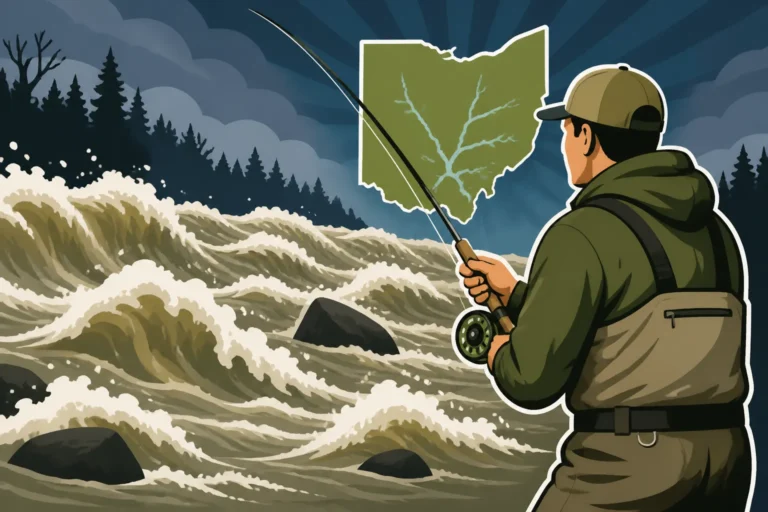
When a heavy rain first hits, the immediate impact on smaller Ohio steelhead streams and even larger rivers like the Rocky, Grand, or Vermilion, can be pretty dramatic. You’ll see water levels rise rapidly, sometimes several feet in a matter of hours. This initial surge creates a powerful, fast-moving current that often becomes too strong for both the fish and the angler. Steelhead, while powerful swimmers, will seek refuge from these torrents, often tucking into soft pockets of water, behind large boulders, or in deep pools where the current is less severe. Trying to effectively present a lure or bait in this high, fast, and often debris-filled water is incredibly challenging. Your offerings get swept away too quickly, and the fish are likely hunkered down, focused on simply holding their position rather than actively feeding. It’s a bit like trying to have a picnic in the middle of a freeway – not ideal for anyone involved!
When Rivers Turn to Chocolate Milk: Visibility Challenges
Beyond the sheer volume and speed, rain also brings a significant increase in turbidity. This is what we often refer to as the "chocolate milk" phase. As rainwater washes over the land, it picks up silt, mud, leaves, and other debris, carrying it into the river system. This makes the water incredibly cloudy, drastically reducing visibility for both the fish and the angler. Steelhead are primarily sight feeders, so when they can’t see your presentation, your chances of a strike plummet. Imagine trying to find a needle in a haystack, but the haystack is also a raging torrent. It’s not impossible to catch fish in dirty water – sometimes a bright, contrasting lure can get a reaction strike – but it’s far from optimal. This stage often lasts longer in rivers that flow through agricultural areas or have a lot of exposed soil in their watersheds. It's crucial to understand How to Tell If a River Is Too Muddy for Steelhead before heading out.
The Post-Rain Sweet Spot: Why Timing is Everything
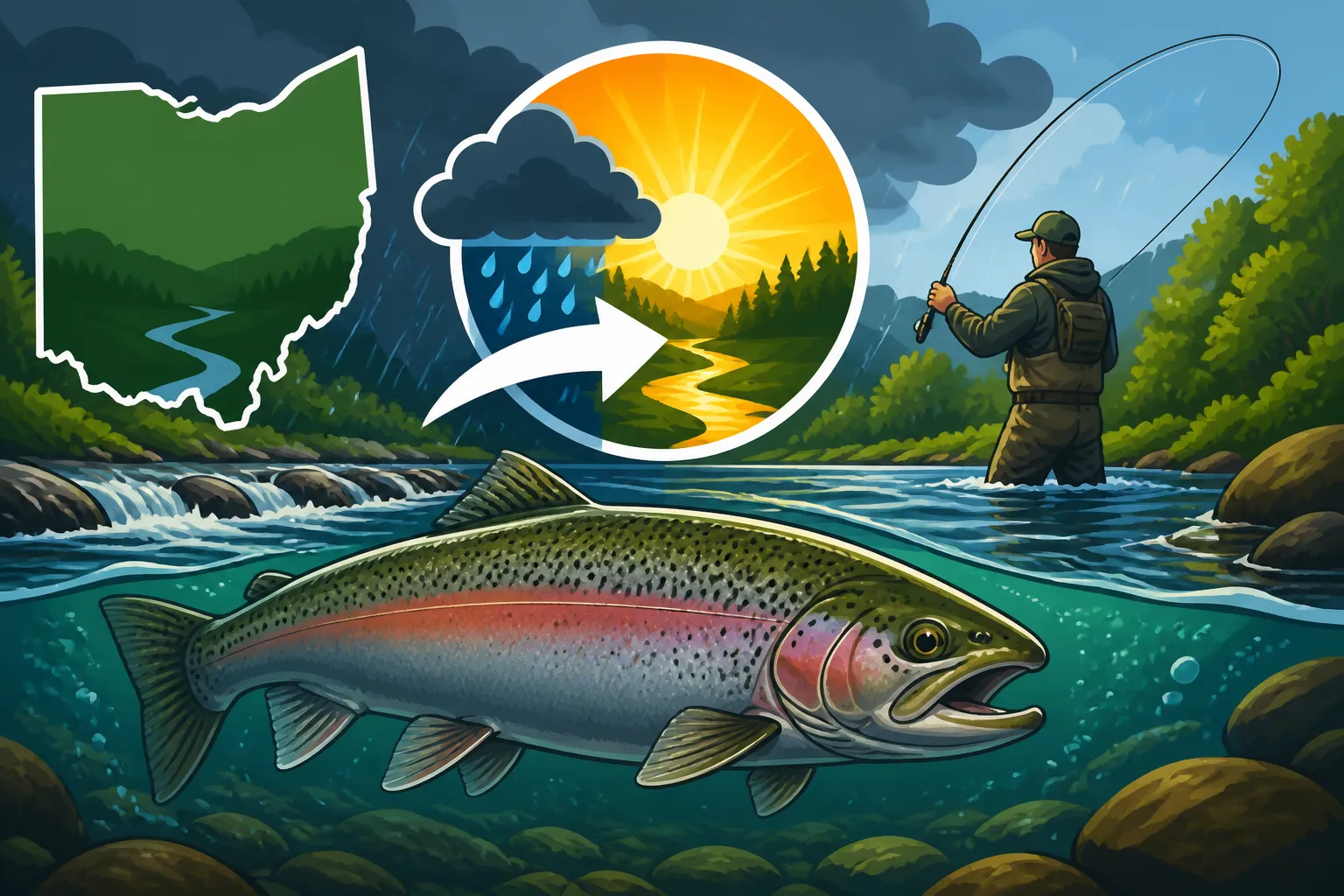
Ah, the legendary "sweet spot" – this is what every steelhead angler dreams of after a rain. After the initial surge, and once the river begins to drop and clear, a magical window opens. The water levels are still elevated, which means the fish often spread out into areas that were previously too shallow or out of reach. The current, while still strong, has usually moderated, making it easier for fish to hold and for you to present your offerings.
Crucially, the water clarity starts to improve. It might not be crystal clear, but it transitions from chocolate milk to a "steelhead green" or a slightly stained, tea-colored hue. This increased visibility allows steelhead to see your bait or lure, while the slight stain still offers them a sense of security from overhead predators. This combination of higher water, manageable current, and improving visibility often triggers aggressive feeding behavior. The fish have had a chance to rest and reposition, and now they're ready to eat. This window doesn't last forever, though, so knowing when to hit the river is truly key to a successful trip. It’s all about finding that perfect balance where the river is still benefiting from the fresh water without being an unfishable mess.
Reading the Water: Key Factors After a Rain Event
Successfully fishing for steelhead after rain isn't just about showing up when the sun comes out. It requires a keen eye and an understanding of several critical factors that dictate fish behavior and your chances of success. Monitoring these elements is like reading a secret language the river speaks.
Water Levels and Flow Rates: Finding That Optimal Drop
This is arguably the most critical factor after a rain. While a rising river is usually bad news, a dropping river, especially after it has crested, is often the golden ticket. Steelhead tend to push upstream on rising water, taking advantage of the increased flow to navigate rapids and obstructions. But they also need time to settle into new lies and feel comfortable enough to feed. As the water begins to drop, the current stabilizes, and fish find their holding spots.
You want to look for the river to be on a "slow drop" or to have just stabilized after a significant rise. Ideally, it might still be slightly higher than normal, which can open up new fishing opportunities in areas that are usually too shallow. Websites that track river gauges and flow rates are your best friend here. Learn to interpret those graphs, noting the peak flow and when the water starts its downward trend. A general rule of thumb is to wait until the river has dropped significantly from its peak, often by a foot or two, depending on the river's size and characteristics. You can learn more about What Flow Is Too High to Fish Ohio Steelhead Rivers? to gauge when it's safe and productive to venture out.
Table: Typical River Flow Conditions After Rain and Their Impact on Steelhead Fishing
| River Condition | Water Level / Flow Rate | Water Clarity (Typical) | Steelhead Behavior | Angler Success |
|---|---|---|---|---|
| Rising Fast | High & Increasing | Very Murky/Brown | Hunkered down, moving upstream rapidly, seeking refuge | Very Low |
| Peaking | Highest Point | Very Murky/Brown | Holding tight in slack water, disoriented | Very Low |
| Falling Fast | High, but Decreasing | Murky/Stained | Reorienting, beginning to spread, still cautious | Low to Moderate |
| Slow Drop / Stable | Elevated, but Steady | Stained/Green | Spreading out, actively feeding, more accessible | High (Sweet Spot) |
| Returning to Normal | Normal or Slightly Low | Clear | More confined to usual holding lies, can be spooky | Moderate to High |
Water Color and Clarity: From Murky to Fishable
As mentioned, water clarity directly impacts a steelhead's ability to see your offerings. After a heavy rain, the river can look like chocolate milk, making fishing nearly impossible. You're waiting for that "steelhead green" or tea-stained color. This means the suspended sediment has begun to settle out, but there's still a hint of color that provides camouflage for the fish and makes them less wary.
To assess clarity, you can look at the river's edge, or if you're out there, try to see the bottom in shallower sections. If you can only see a few inches into the water, it's likely still too muddy. If you can see a foot or two, you're getting closer to that optimal range. A good test is to dip your wading boot into the water; if you can see the top of your boot an inch or two under the surface, it's probably fishable. Remember, different rivers clear at different rates. Smaller, steeper streams might clear faster than larger, slower rivers with extensive agricultural runoff. Keep a close eye on the local conditions, as what works for one river might not apply to another simultaneously.
Temperature Changes: A Subtle But Crucial Detail
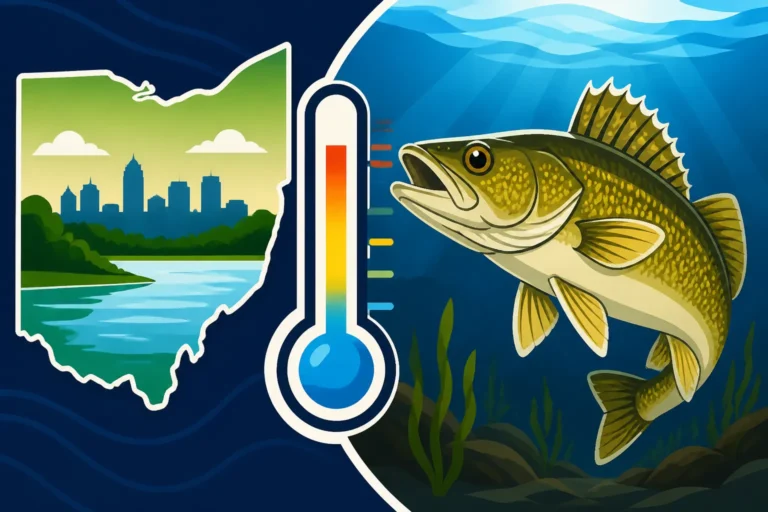
While less dramatic than flow and clarity, water temperature also plays a role. Rain, especially cold rain, can cause a slight drop in river temperature. This isn't always a bad thing. In warmer months, a cool rain can actually invigorate steelhead, bringing the water into a more comfortable temperature range for them. In colder months, however, a significant temperature drop might make fish a bit more lethargic.
The key is stability. Steelhead prefer stable water temperatures. Rapid fluctuations, either up or down, can put them off the bite. As the river settles after a rain, the temperature will also stabilize, creating more predictable feeding patterns. While you might not carry a thermometer to the river every time, being aware of the general air temperature trends before and after the rain can give you a subtle clue as to how the fish might react. Sometimes, a post-rain warming trend can be just what the doctor ordered to get those fish active!
Strategies for Success in Post-Rain Conditions
Once you’ve nailed the timing and the river conditions are looking promising, it's time to adjust your actual fishing strategy. Post-rain steelhead fishing often calls for different tactics than those used in low, clear water. It's about adapting to the dynamic environment and giving those fish what they want.
Adjusting Your Approach: Lures, Baits, and Techniques
The slightly stained and elevated water after a rain often means you need to make some changes to your tackle box. For starters, visibility is still a factor, so bolder colors can often be more effective. Think about brighter, more fluorescent colors for your jigs, beads, or egg sacs. Chartreuse, hot pink, orange, or even dark contrasting colors like black or purple can stand out better in the "steelhead green" water.
When it comes to baits, natural presentations like egg sacs, live or salted minnows, or even nightcrawlers (especially after a rain washes them into the river) can be highly effective. The increased flow often dislodges natural food sources, so presenting something that looks like an easy meal can be irresistible. Consider using larger profiles or adding scents to your offerings to give fish more to key in on. Brands like Amazon offer a wide variety of these baits and scents for convenient delivery to your door, ensuring you're always stocked up.
For lure fishing, larger profile spoons or spinners that create more vibration and flash can be excellent choices. Think about a larger Little Cleo or a Vibrax spinner that can displace more water and draw attention. Tossing these into current seams or deeper pockets can often elicit a reaction strike from a steelhead holding tight.
As for techniques, often a slightly heavier weight is needed to get your bait down in the still-elevated current. Don't be afraid to add a split shot or two to your drift rig to ensure it's ticking along the bottom where steelhead are likely holding. Your presentation might need to be a bit slower to give fish time to react in the stained water. Focus on thorough drifts through likely holding water. Remember, mastering Ohio Steelhead Fishing Techniques involves being flexible with your approach depending on the conditions.
Targeting Prime Holding Lies
In higher, faster water after a rain, steelhead aren't going to be holding in the same places they were in low, clear conditions. They’ll be looking for areas that offer a break from the main current but still provide access to food.
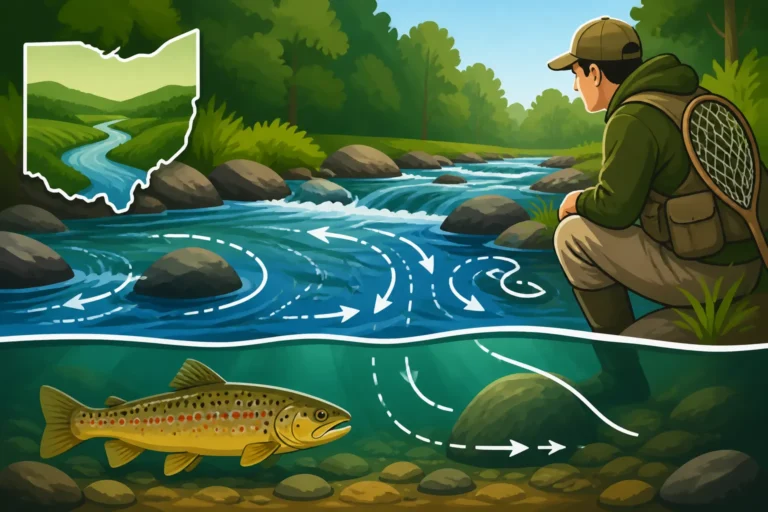
Think about seams where fast water meets slower water – these are classic ambush points. Look for the "soft" water directly behind large boulders, logs, or other obstructions that break the current. Deeper pockets and pools, especially those with some overhead cover, also become prime real estate. The edges of riffles, where the water is still moving but not boiling, can also hold fish. Don't overlook slower moving side channels or even flooded backwaters if they have enough depth, as these can become temporary havens for migrating fish seeking respite.
Often, steelhead will be tucked closer to the bank in higher water, as the current is typically slower there. Wading cautiously and targeting these near-shore lies can be incredibly productive. Focus on shorter, more controlled drifts in these areas, rather than trying to cover vast expanses of the main current. Understanding How to Read Steelhead Holding Water is essential for success in these conditions.
Safety First: Navigating Swollen Rivers
While the thrill of post-rain steelhead fishing is undeniable, safety should always be your top priority. Elevated water levels mean stronger currents, and increased turbidity can hide dangerous obstacles like submerged logs or uneven bottom structure.
Always wade cautiously and use a wading staff for stability. Test the water depth and current with each step. Never wade alone if possible, and always let someone know where you're going and when you expect to return. Be especially mindful of sudden drops or fast-moving sections that could sweep you off your feet. Your waders, while keeping you dry, can fill with water and become dangerous if you take a spill. Consider wearing a wading belt tightened securely and even a self-inflating PFD in particularly swift or deep sections.
The bank itself can also be unstable after heavy rain, with muddy, slippery conditions. Wear appropriate footwear with good traction. And always be aware of your surroundings, watching for falling branches or debris in the water. An item like a sturdy wading staff can be found on Amazon and is an invaluable tool for maintaining balance and probing the riverbed for safe passage. Getting a fish is great, but getting home safely is even better. Make sure you understand all the Ohio Fishing Regulations Every Angler Should Know, including any specific rules that might apply to fluctuating river conditions.
Disclaimer
This article is for general informational purposes only and does not constitute professional advice. Laws, prices and regulations vary by location and change over time. Consult a qualified professional for guidance on your specific situation.