Do You Need Waders for Ohio Steelhead Fishing?
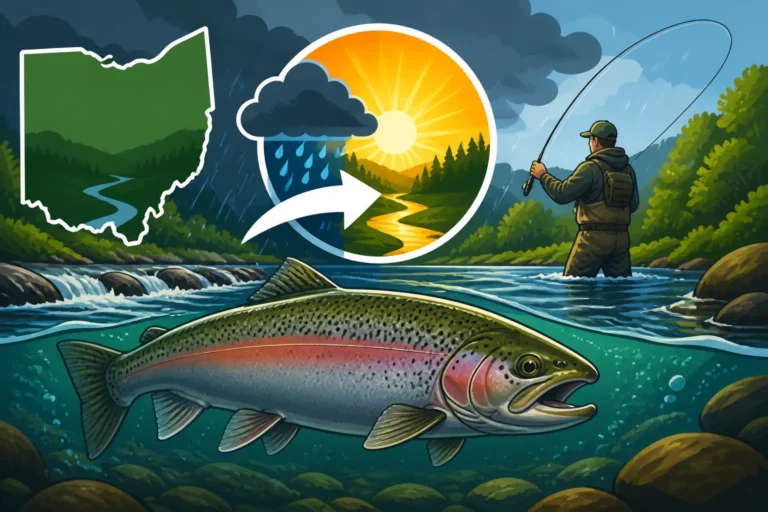
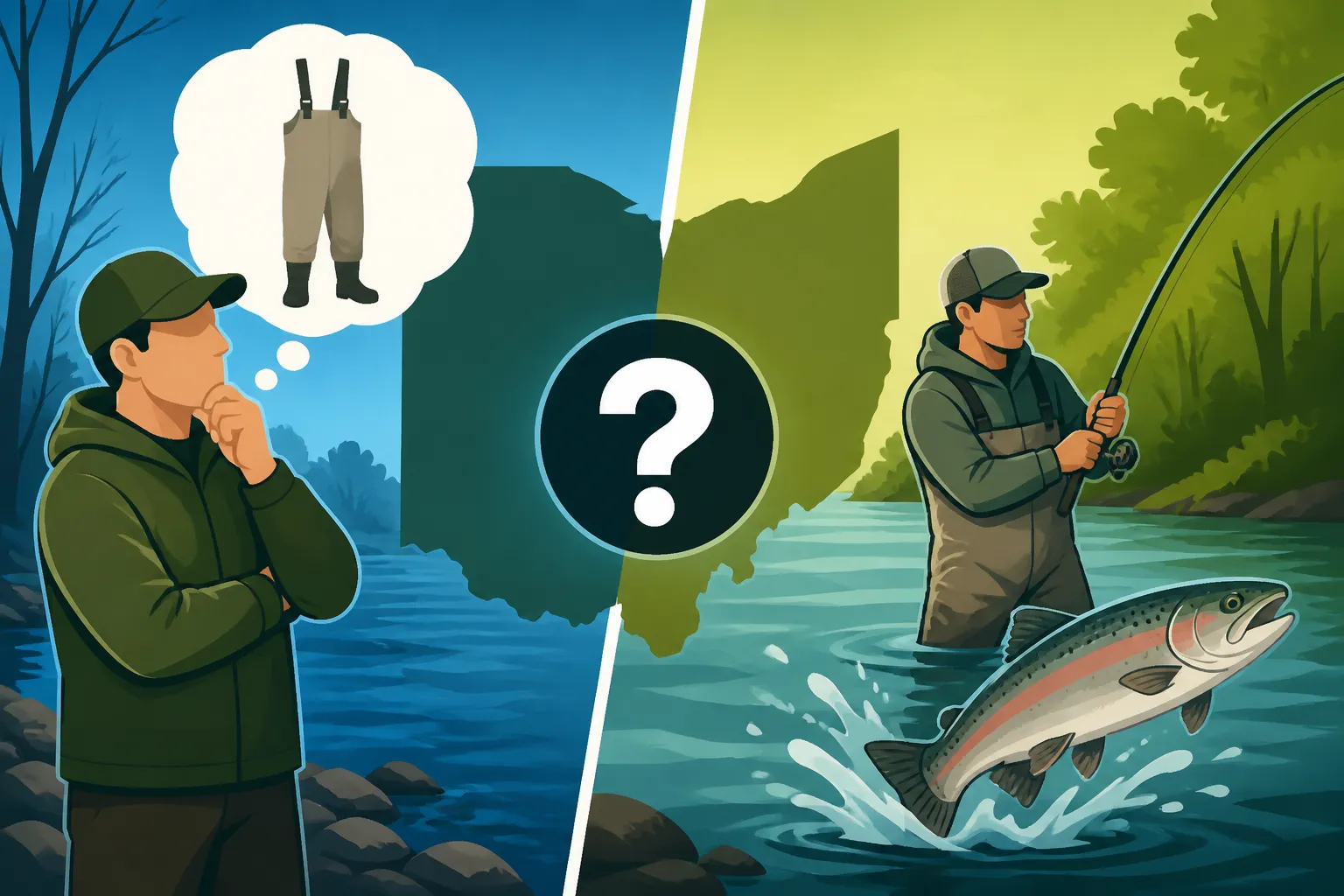
The bite of a cold Ohio stream on a crisp fall or chilly spring morning is an invigorating feeling for any steelhead angler, but it can quickly turn miserable if you’re not properly prepared. Many anglers wonder if waders are truly a necessity or just a luxury for chasing these powerful migratory trout. This guide will walk you through the realities of Ohio's steelhead fisheries, helping you understand why waders aren't just recommended, but often critical for comfort, access, and ultimately, success on the water.
Understanding Ohio Steelhead Fishing Environments
Ohio's steelhead streams are a unique and challenging environment, defined by their cold, fast-moving water and diverse terrain. If you're going to tackle these fish, understanding their home turf is the first step in knowing what gear you'll need.
The Nature of Ohio's Steelhead Alley Streams
When we talk about Ohio steelhead fishing, we're primarily referring to the "Steelhead Alley" tributaries that feed into Lake Erie. These rivers and creeks, like the Rocky River, Grand River, Vermilion River, Chagrin River, and Conneaut Creek, are often characterized by their rocky bottoms, varying depths, and brisk currents. The landscape changes from wider, gentler flows near the lake to narrower, steeper, and sometimes more rugged sections upstream.
These streams are not your typical calm, warm fishing ponds. They are cold-water fisheries, especially during the peak steelhead runs in fall, winter, and spring. The water temperatures are often in the 30s and 40s Fahrenheit, which is downright frigid. Standing in this water, even for a short time, without proper insulation would lead to hypothermia risks and extreme discomfort. The bottom can be slick with algae, moss-covered rocks, or shifting gravel, making secure footing a constant challenge. Many of these rivers also feature deeper holes and channels that require wading to bypass or to get close enough to present your lure effectively. For more detail on these crucial fishing locations, check out our comprehensive guide on Steelhead Alley: Where It Is and What It Means.
Seasonal Considerations for Steelhead Anglers
The need for waders in Ohio isn't static; it fluctuates with the seasons, which directly impacts water levels and temperatures.
- Fall: As the leaves turn and air temperatures drop, steelhead begin their migration from Lake Erie into the tributaries. This is when the water starts to cool significantly. While early fall might see some warmer days, the water itself remains cold. Wading helps keep you insulated against the chill, allowing you to intercept fish moving upstream. Rain can cause rivers to swell, making wading conditions more challenging and requiring careful assessment of What Flow Is Too High to Fish Ohio Steelhead Rivers?.
- Winter: This is arguably when waders become most critical. Air temperatures can be well below freezing, and the water is often hovering just above the freezing point. Full immersion in such conditions without protective gear is not just uncomfortable, it's dangerous. Ice can form along the banks and in slower sections, demanding even greater care with footing. Waders, coupled with warm layers underneath, are essential for safety and warmth during the harshest months of the Ohio Fishing Season Calendar.
- Spring: As winter loosens its grip, steelhead remain in the rivers, often spawning and then dropping back to the lake. While air temperatures rise, the water often stays surprisingly cold well into April and even May. Spring rains can also lead to fluctuating water levels, sometimes making sections of the river too deep to fish from the bank. Waders enable you to adapt to these changing conditions, allowing you to follow the fish wherever they might be holding. Understanding When Ohio Steelhead Runs Start will help you plan your wading trips.
The Indispensable Role of Waders in Steelhead Fishing
For any serious angler venturing into Ohio's steelhead streams, waders quickly transform from an option to an absolute necessity. They are the single most important piece of gear for comfort, access, and safety.
Staying Warm and Dry: The Primary Benefit
Let's be blunt: steelhead fishing means being in cold water, period. The primary, undeniable benefit of waders is that they keep you warm and dry. Imagine standing in 38-degree water for hours on end. Without waders, that's a recipe for hypothermia, frostbite, and an incredibly miserable experience that sends you packing early.
Waders provide a crucial barrier against the cold water. They come in two main types:
- Neoprene Waders: These are thicker, offering excellent insulation, much like a wetsuit. They are fantastic for the really brutal cold of winter and early spring. However, they can be bulky and less breathable, leading to sweating on warmer days or during strenuous hikes. Common thicknesses are 3mm or 5mm.
- Breathable Waders: Made from Gore-Tex or similar synthetic fabrics, these waders are lighter and allow perspiration to escape, keeping you comfortable over a wider range of temperatures. While they don't offer as much inherent insulation as neoprene, they are designed to be layered underneath. This versatility makes them a popular choice for Ohio's unpredictable weather, where you might experience significant temperature swings even within a single day. You can easily find a huge selection of breathable waders from various brands on Amazon, allowing you to compare features and prices.
Regardless of the type, the key is to pair your waders with appropriate layering. Moisture-wicking base layers, fleece pants, or even wool socks worn under your waders will dramatically enhance your warmth and comfort, turning a potentially frigid outing into an enjoyable adventure. This is particularly important for Ohio Winter Fishing and Ice Safety when the air chills you just as much as the water.
Accessing Prime Fishing Spots
Steelhead are migratory fish, and they hold in specific types of water. These often include deep pools, current seams, riffles, and runs that are far from the bank. Without waders, you are severely limited to only the most accessible bank spots, which are often heavily pressured and less productive.
Here’s how waders unlock better fishing opportunities:
- Crossing the River: Many of Ohio's steelhead streams are not overly wide, but they often have deeper sections that prevent a simple walk across. Waders allow you to safely cross shallower runs or navigate around obstacles to reach the prime holding water on the opposite bank. This opens up entirely new stretches of river that bank-bound anglers can't reach.
- Wading into the Current: Steelhead frequently hold in mid-stream pockets, behind boulders, or along current breaks. To effectively present a fly or a jig in these areas, you need to be able to wade out into the current. This gets you closer to the fish, allows for more accurate casting, and provides better line control, which is essential for detecting subtle bites. Learning Casting Techniques for Steelhead becomes much easier with optimal positioning.
- Better Casting Angles: Whether you're drift fishing with a float or swinging a fly, your position relative to the current and the fish is paramount. Waders give you the flexibility to move and find the perfect casting angle, ensuring your presentation is natural and enticing. This is especially true for those practicing Fly Fishing Techniques for Ohio Steelhead, where precise line management is key.
In essence, waders extend your reach, allowing you to explore more water and present your offerings where the fish are actually holding, rather than just where you can reach from the bank.
Safety and Comfort on the Water
Beyond warmth and access, waders significantly enhance your safety and overall comfort during a day of steelhead fishing. Slipping and falling in cold, fast-moving water is not just embarrassing; it can be dangerous.
- Traction from Wading Boots: Waders are often paired with specialized wading boots, which are designed for superior grip on slick, rocky riverbeds. These boots come with either felt soles (excellent on mossy rocks but can transfer invasive species if not properly cleaned) or rubber soles, often enhanced with studs or cleats for maximum traction. Good wading boots are crucial for maintaining your footing, preventing painful falls, and allowing you to confidently navigate challenging terrain. When shopping for wading boots, check out options on Amazon; many models offer interchangeable soles for different conditions.
- Wading Belt for Safety: A wading belt worn snugly around your waist on the outside of your waders is a non-negotiable safety item. In the event of a fall and your waders filling with water, a wading belt helps prevent them from completely filling, trapping air, and making it harder to get to shore. It can be the difference between a cold dunking and a potentially life-threatening situation.
- Overall Comfort: Let’s face it, fishing should be enjoyable. Being cold, wet, and constantly worried about slipping detracts from the experience. Waders, combined with the right layering and wading boots, allow you to focus on the fishing itself – reading the water, making precise casts, and battling those incredible steelhead – rather than battling the elements. This increased comfort often translates to longer, more productive days on the water.
When You Might Not Absolutely Need Waders and the Trade-offs
While waders are undeniably beneficial and often essential, there are specific, limited scenarios where you might get by without them. However, it’s crucial to understand the significant trade-offs involved.
Shore Fishing and Bank Access Limitations
It's true that not every inch of every steelhead stream requires wading. There are stretches, particularly in the lower sections of some rivers or at designated public access points, where you can effectively fish from the bank.
- Public Parks and Access Points: Locations like some sections of the Rocky River Reservation system, or certain park areas along the Grand River, offer relatively easy bank access. These spots might include paved paths, cleared banks, or even fishing platforms that put you close to the water without needing to step in. These can be great for beginners or those who prefer a less adventurous approach. You can find many of these at specific Rocky River Steelhead Fishing Access Points.
- Early Season/High Water: Sometimes, if the river is running very high due to heavy rain, wading can be dangerous or impossible. In these situations, fishing from the bank might be your only safe option. However, high, muddy water often means tough fishing anyway, as fish can be scattered or unable to see your presentation.
- The Compromise: The main drawback here is severely limited mobility and access to prime water. Bank-bound anglers are confined to areas reachable from shore, often missing out on the best runs, pockets, and seams where steelhead are actively holding. You’re also competing for space with every other angler who chooses the same easily accessible spots. Success rates for purely bank fishing in Ohio’s steelhead streams are generally lower than for those who can wade.
Alternative Strategies and Gear
For anglers determined to avoid waders, a few alternative strategies exist, though each comes with its own set of compromises.
- Knee Boots or Hip Waders: If you are only planning on very shallow crossings or simply need to step into ankle-deep water to cast, knee boots or hip waders might offer minimal protection. However, they are easily overtopped in deeper water or strong currents, quickly negating their benefit. They offer no protection for your upper legs or core, leaving you exposed to cold splashes or deeper sections of the river. This is only viable in the mildest conditions or extremely specific, shallow-water scenarios, which are rare for effective steelhead fishing.
- Float Tubes or Kayaks: For certain stretches of wider, slower rivers, a float tube or fishing kayak can provide excellent access to water otherwise unreachable from shore. However, these are specialized craft not suitable for the swift currents and rocky rapids often found in the upper reaches of steelhead streams. They also require additional gear (PFDs, paddles), a launch point, and a pick-up point, adding significant logistical challenges compared to simply wading in. Furthermore, navigating narrow, snag-ridden creeks in a boat is often impractical or impossible. While great for stillwaters or calmer rivers, they're not a direct substitute for wading in typical Ohio steelhead tributaries.
Ultimately, while you can attempt to fish for Ohio steelhead without waders, you’ll be severely handicapped. You'll limit your comfort, your access to productive water, and potentially your safety. For a truly effective and enjoyable steelhead experience, waders are the gold standard.
Choosing the Right Waders and Accessories for Ohio Steelhead
So, you’ve decided waders are the way to go (smart choice!). Now, how do you pick the right ones and what essential accessories should you consider for Ohio's steelhead challenges?
Material Matters: Neoprene vs. Breathable
Making the right choice between neoprene and breathable waders depends heavily on when and how you plan to fish.
- Neoprene Waders:
- Pros: Offer superior warmth and insulation. They are fantastic for the coldest months when air and water temperatures are at their lowest. The neoprene material can also be quite durable.
- Cons: Not very breathable, so you can overheat and sweat, which paradoxically can make you cold once you stop moving. They are bulkier and heavier, making hiking uncomfortable. Less versatile across seasons.
- Recommendation for Ohio: If you only plan to fish during the dead of winter (December-February) or in early spring when snow is still on the ground, 5mm neoprene waders will keep you toasty. For shoulder seasons, 3mm might suffice. You can find quality neoprene waders from brands like Frogg Toggs and Hodgman on Amazon.
- Breathable Waders:
- Pros: Lightweight and comfortable for hiking. Excellent breathability helps regulate body temperature, preventing excessive sweating. Highly versatile, as you can layer up or down underneath them to suit the conditions. Dries faster than neoprene.
- Cons: Less inherent insulation, so proper layering is absolutely critical in cold weather. Often more expensive than neoprene waders.
- Recommendation for Ohio: For most Ohio steelhead anglers, breathable waders are the best all-around choice. They offer the flexibility to fish from early fall through late spring. Look for waders with a good waterproof rating (e.g., 20,000mm+) and durable construction. Brands like Redington, Orvis, and Simms offer excellent breathable options. Remember, the key is what you wear under them – fleece pants, merino wool base layers, etc., are essential.
Wading Boots and Traction
Don't skimp on wading boots! The slick, rocky bottoms of Ohio's steelhead streams demand maximum traction. Your choice in sole material is paramount.
- Felt Soles: These provide incredible grip on mossy, algae-covered rocks, performing like tiny suction cups. They are, however, less durable on dry land and can be problematic in transmitting invasive species if not thoroughly cleaned and dried after each use.
- Rubber Soles: Modern rubber wading soles have come a long way, with aggressive lug patterns designed for traction. They are more durable for hiking and generally more environmentally friendly regarding invasive species.
- Studded Soles: Many rubber-soled boots (and some felt-soled ones) can be enhanced with tungsten carbide studs or cleats. These provide phenomenal grip, biting into slick surfaces and ice. For Ohio steelhead fishing, especially during late fall, winter, and early spring when ice or extremely slick conditions are common, studded rubber soles are often the safest and most effective choice.
- Fit and Support: Ensure your wading boots fit snugly over your wader booties, providing ample ankle support. A well-fitting boot prevents your foot from sliding around inside, which can lead to blisters and instability. When shopping for wading boots, check out options on Amazon; many models offer features like quick-drying materials and reinforced toe caps for durability.
Essential Safety Gear
Beyond waders and boots, a few other items are non-negotiable for safety and comfort.
- Wading Belt: As mentioned, wear your wading belt snug around your waist. It's a lifesaver in case of a fall. Most waders come with one, but if not, buy one immediately.
- Wading Staff: A collapsible wading staff is an invaluable tool, especially when navigating unfamiliar water, crossing swift currents, or when visibility is poor (e.g., in stained water or low light). It provides a crucial third point of contact, helping you maintain balance and test water depth before stepping. This helps prevent unexpected falls and is highly recommended, especially when the river conditions are challenging.
- Layering Clothes: Invest in good quality, moisture-wicking base layers and insulating mid-layers. Avoid cotton, which loses its insulating properties when wet. Merino wool or synthetic fleece are excellent choices.
- Warm Hat and Gloves: You lose a significant amount of body heat through your head and extremities. A warm hat and waterproof gloves are essential for staying comfortable in cold weather. You can find a good selection of fishing-specific hats and gloves on Amazon, many of which are designed for dexterity while keeping your hands warm.
By investing in quality waders and these essential accessories, you’ll be well-equipped to tackle Ohio's challenging but rewarding steelhead fisheries safely and comfortably.
Wader Type Comparison for Ohio Steelhead Fishing
Choosing the right waders can make or break your trip. Here’s a quick comparison to help you decide for Ohio’s diverse conditions.
| Feature | Neoprene Waders | Breathable Waders |
|---|---|---|
| Material | Neoprene (synthetic rubber) | Gore-Tex, Toray, other synthetic membranes |
| Insulation | Excellent (3mm, 5mm thickness) | Minimal inherent insulation |
| Warmth (Ohio) | Best for deep winter, very cold water/air | Versatile, requires layering for warmth in cold |
| Breathability | Poor, can cause sweating | Excellent, allows perspiration to escape |
| Weight | Heavier, bulkier | Lighter, more flexible |
| Durability | Good, puncture-resistant | Good, but tears can be harder to repair on trail |
| Comfort | Warm, but can be constricting; prone to overheating | Comfortable, flexible, good for varying activity levels |
| Best Use | Static cold-weather fishing (ice fishing, extreme cold wading) | Multi-season steelhead, active fishing, hiking |
| Price Range | Generally more affordable | Often higher, but wide range of brands |
For most Ohio steelhead anglers, the versatility and comfort of breathable waders, paired with appropriate layering, make them the preferred choice for fishing across the fall, winter, and spring runs.
Disclaimer
Fishing conditions and regulations in Ohio can change rapidly. Always consult the latest Ohio Department of Natural Resources (ODNR) fishing regulations before heading out. Safety should always be your top priority, especially when wading in cold, moving water.