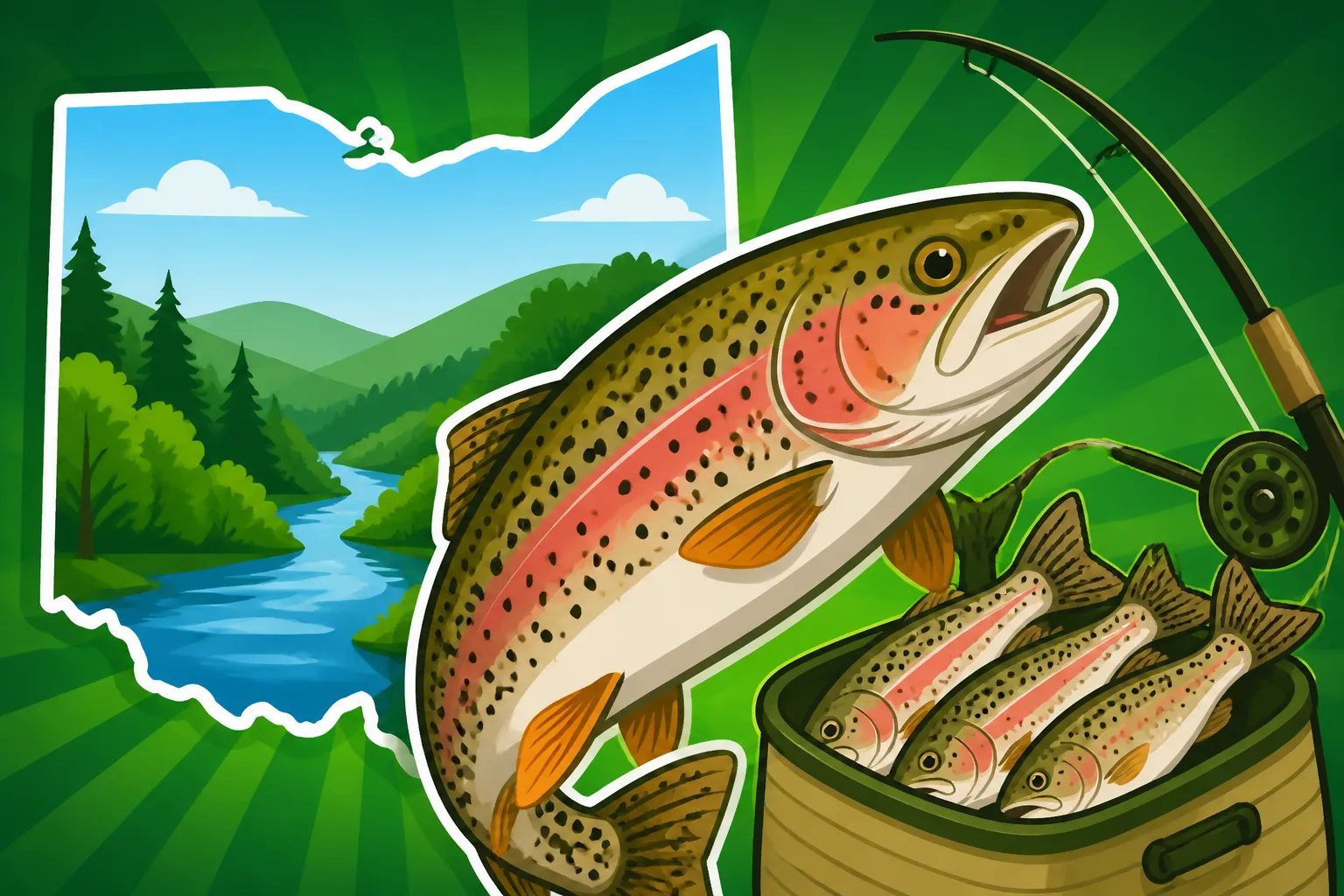
Ohio Inland Trout Daily Limit
It can be incredibly frustrating to head out for a day of trout fishing, only to realize you're not entirely sure how many fish you're legally allowed to keep. Ohio's fishing regulations can feel like a maze sometimes, especially when you're dealing with specific species like inland trout that have their own unique rules. This guide is here to untangle those rules, specifically focusing on the daily limit for inland trout in Ohio, ensuring you can enjoy your time on the water without any unnecessary worries about compliance.
Understanding the Ohio Inland Trout Daily Limit
For anglers targeting inland trout in Ohio, it’s crucial to know the rules before you even cast your line. The Ohio Department of Natural Resources (ODNR) sets these limits to manage fish populations, promote healthy ecosystems, and ensure sustainable fishing opportunities for everyone. Unlike the wilder, migratory steelhead found in Lake Erie tributaries, inland trout in Ohio are primarily a product of the state's robust stocking program. This distinction is key to understanding their specific regulations.
The Specifics of the Daily Bag Limit
So, let's cut right to it. For inland trout in Ohio, the statewide daily bag limit is currently set at five trout per angler per day. This means you can keep up to five trout, regardless of their size or species, within a 24-hour period. It's a fairly straightforward rule, but its implications are vast for conservation and angler enjoyment.
It’s important to clarify that this limit applies to species like rainbow trout, which are predominantly what the ODNR stocks in various inland lakes and ponds. While brown trout and brook trout might occasionally be found in some very specific, colder streams, the rainbow trout is the workhorse of the inland stocking program. So, when we talk about inland trout, we're largely talking about those feisty rainbows that bring so much joy to anglers, especially in the spring and fall.
This limit is in place to allow for a good recreational harvest while also ensuring that the stocked fish can provide sport for a longer period. Since these fish don't typically reproduce naturally in most of the stocked waters, the ODNR carefully calculates how many fish can be harvested before the population dwindles too quickly. Think of it as a balance: enough for you to take home a tasty meal, but not so many that the lake is fished out in a few days. For more general rules, be sure to check out the comprehensive guide on Ohio Fishing Regulations Every Angler Should Know.
Differentiating Inland Trout from Steelhead
This is where some anglers get a bit confused, and it’s a fair point. Steelhead are, genetically, rainbow trout. However, in Ohio, when we talk about "steelhead," we're specifically referring to the anadromous rainbow trout that spend most of their lives in Lake Erie and then migrate into its tributary rivers to spawn. These powerful fish offer a completely different angling experience and, crucially, are subject to different regulations.
The daily bag limit for steelhead in the Lake Erie tributaries typically varies from the inland trout limit and might have specific size restrictions. For instance, the limit on some steelhead rivers might be two fish, or even one, and often with a minimum length requirement. These differences highlight the distinct management strategies for each population. Inland trout are a "put-and-take" fishery, meaning they are stocked for immediate recreational harvest, whereas steelhead are a naturalized, wilder fishery, even though they are supported by hatchery programs.
So, if you're fishing a small inland lake that the ODNR has recently stocked, you're looking at that five-trout daily limit. If you're wading the Rocky River or the Grand River during the fall or spring runs, targeting those chromers fresh from Lake Erie, you need to consult the specific steelhead regulations, which you'll find detailed in the Ohio Steelhead Trout Fishing Guide. Always know which water body you're fishing and refer to the specific rules for that location to avoid any missteps.
The Purpose Behind the Inland Trout Limit
Regulations aren't just there to make our lives complicated; they serve vital roles in conservation, resource management, and ensuring fair access for all anglers. The five-trout daily limit for inland trout in Ohio is a prime example of a regulation designed with multiple goals in mind.
Conservation and Sustainable Angling
One of the primary reasons for any bag limit is conservation. While inland trout are largely a stocked fishery, meaning they're raised in hatcheries and released for anglers to catch, the ODNR still needs to manage the resource effectively. If there were no limits, a small number of highly successful anglers could potentially deplete a newly stocked lake very quickly, leaving little for others.
By setting a daily limit, the ODNR ensures that the stocked fish are distributed among more anglers over a longer period. This maximizes the recreational value of the stocking program. It’s also about ensuring that those fish have a chance to grow a bit, offering better sport and a larger meal for those who do harvest them. While these trout generally don't establish naturally reproducing populations in most Ohio inland waters due to unsuitable conditions (like water temperature), the limit helps extend the fishing season for these introduced fish.
This management approach is part of a broader strategy to provide diverse fishing opportunities across the state, from the trophy walleye in Lake Erie to the panfish in farm ponds. Understanding this underlying philosophy helps anglers appreciate why these numbers are chosen and why adherence is so important.
Maximizing Recreational Opportunities
Ohio invests significant resources into its inland trout stocking program. These efforts provide unique angling experiences, especially for those who enjoy the challenge of trout fishing but might not have access to natural trout streams. Many of these stockings occur in urban and suburban ponds and lakes, making trout fishing accessible to a wider audience, including families and beginners.
The daily limit contributes to maximizing these recreational opportunities in several ways:
- Fair Access: It prevents individuals from monopolizing the catch, ensuring that more people have a chance to hook into some trout. Imagine if one person could take 20 fish – that’s 20 fewer fish for other anglers who visit that same spot.
- Extended Season: By controlling the harvest, the fish remain in the water longer after a stocking event. This means that a lake might offer good trout fishing for several weeks or even a couple of months, rather than just a few days. This makes planning a trip much easier for anglers, as they don't have to rush out the moment the fish are released. Knowing the Ohio Fishing Season Dates and Effective Periods can help plan your trips around these stockings.
- Quality Experience: A reasonable limit allows anglers to enjoy the process of fishing without the pressure of having to catch as many as possible. It encourages appreciation for the sport itself, rather than just the take-home numbers. For those interested in where these fish come from, you can learn more about the Ohio Inland Trout Stocking Months and the Size of Rainbow Trout Stocked in Ohio Lakes.
Where to Find Inland Trout in Ohio
Ohio's inland trout program is designed to spread these popular fish across various regions, making trout fishing accessible to many residents. These stockings typically occur in specific lakes and ponds that meet certain criteria, such as water quality and accessibility.
Commonly Stocked Waters
The ODNR's stocking schedule is usually released annually, detailing which waters will receive trout and approximately when. While the list can change from year to year, there are several locations that are consistently part of the inland trout program. These often include state park lakes, public ponds, and some larger reservoirs.
Some popular spots that have seen trout stockings in the past include:
- Clear Fork Reservoir (near Mansfield)
- Mount Gilead State Park Lake (Morrow County)
- Hocking Hills State Park Pond (Hocking County)
- Lucasville Pond (Scioto County)
- Punderson Lake (Geauga County)
These lakes are chosen because they can sustain trout for a period, typically through the cooler months of spring and fall. The trout provide excellent fishing opportunities, often drawing a crowd on stocking days. It's always a good idea to check the current year's stocking schedule on the ODNR website before planning your trip to confirm the specific locations and dates. This helps ensure you're fishing in a stocked water and aware of any specific nuances for that location. You might find general fishing information helpful from resources like Best Places to Fish in Ohio for broader context.
The Best Times to Target Inland Trout
Timing is everything when it comes to inland trout in Ohio. Since these are mostly cold-water fish and many Ohio waters warm up significantly in the summer, the prime seasons for trout fishing are usually spring and fall.
- Spring Stockings: Many stockings occur in early spring, often starting in March and continuing into April and May, as water temperatures are ideal. The fish are typically active after their release and can provide fast action.
- Fall Stockings: As summer heat gives way to cooler autumn temperatures, another round of stockings often takes place, typically from late September through November. These fish are also eager to bite as they acclimate to their new environment.
During the warmer summer months, most inland trout fisheries become less viable as the water temperatures rise above what trout can comfortably tolerate. The fish either become lethargic and harder to catch, or they succumb to the heat. This natural limitation is why the "put-and-take" nature of the fishery is so pronounced. Anglers typically have a window of a few weeks to a couple of months after a stocking event to enjoy these fish.
For the best success, try to fish within a few weeks of a stocking event. The fish are fresh, active, and less pressured. Check the ODNR's current Ohio Inland Trout Stocking Months to pinpoint the exact windows of opportunity.
Essential Gear and Techniques for Inland Trout
Catching inland trout in Ohio doesn't require a massive investment in specialized gear, which is part of their appeal for beginner anglers and families. However, having the right setup can significantly improve your success and enjoyment.
Recommended Rod, Reel, and Line
For inland trout, a light or ultralight spinning setup is generally your best bet. These fish, while spirited, aren't massive, and lighter gear makes the fight much more enjoyable.
- Rod: A 5 to 6.5-foot ultralight or light action spinning rod is ideal. It provides the sensitivity needed to detect subtle bites and enough flex to handle the quick surges of a trout. Brands like Ugly Stik or St. Croix offer great options that are durable and sensitive.
- Reel: Pair your rod with a small spinning reel (e.g., a 1000 or 2000 series). Look for a reel with a smooth drag system, as this is crucial for preventing break-offs when a trout makes a run. Shimano and Daiwa produce excellent small spinning reels that offer reliability.
- Line: Spool your reel with 4 to 6-pound test monofilament or fluorocarbon line. Monofilament is a good all-around choice, offering good knot strength and some stretch. Fluorocarbon is nearly invisible in water, which can be an advantage in clear lakes with wary trout, and it has less stretch for better sensitivity. Many anglers find great deals on these fishing essentials on platforms like Amazon.
Using lighter line also allows for better casting distance with the small baits and lures typically used for trout. Remember, presentation is often key with these fish, and a lighter setup helps achieve that delicate approach.
Top Baits and Lures
Inland trout, especially recently stocked ones, are often quite eager to bite. They're often raised on pellets in a hatchery, so they might not be super picky initially. However, a variety of baits and lures can be effective.
- Prepared Baits: Scented, dough-style baits like Berkley PowerBait are incredibly popular and effective. These come in various colors and shapes (nuggets, worms) and release scent that attracts trout. Simply mold a small piece around a hook. Corn and marshmallows can also work in a pinch.
- Live Baits: Small worms (like red wigglers), mealworms, or wax worms are perennial favorites. Fished under a small bobber or on a light bottom rig, these natural baits are hard for trout to resist.
- Spinners: Small inline spinners like Mepps Aglia or Rooster Tail are excellent for actively searching for trout. Their flashing blades and vibrating action mimic small baitfish or insects, triggering strikes. Retrieve them slowly and steadily.
- Spoons: Tiny casting spoons, such as Acme Kastmasters or Little Cleos, can also be effective. Their wobbling action is enticing, especially when retrieved erratically.
- Jigs: Small jig heads tipped with a micro plastic grub or a piece of scented bait can also produce bites, particularly if the trout are hugging the bottom.
When it comes to technique, a simple float rig with a small hook and bait can be very effective, especially for beginners. Cast it out and let it drift naturally. For those who prefer to be more active, casting and retrieving small spinners or spoons can help cover more water and locate active fish. Don't forget to tie solid knots; knowing some Ohio Fishing Knots to Know can save you from losing a trophy.
| Regulation Aspect | Inland Trout (Stocked) | Lake Erie Steelhead (Tributaries) |
|---|---|---|
| Daily Bag Limit | 5 fish per angler | Varies, often 2 fish (check specific river regs) |
| Minimum Length Limit | No statewide minimum (check specific waters) | Often 12 inches (check specific river regs) |
| Primary Species | Rainbow Trout (stocked) | Rainbow Trout (migratory/steelhead strain) |
| Primary Fishery Type | Put-and-take (recreational harvest) | Wild/naturalized (catch-and-release common) |
| Optimal Fishing Season | Spring and Fall (cooler months) | Fall, Winter, Spring (during runs) |
| Typical Habitat | Stocked lakes, ponds | Lake Erie tributaries (rivers, creeks) |
This table provides a quick comparison to help clarify the differences in regulations between inland trout and Lake Erie steelhead, emphasizing the unique rules for each. Remember, individual waters can have special regulations, so always consult the current Ohio fishing regulations booklet before heading out.
Final Thoughts on Inland Trout Fishing in Ohio
Ohio's inland trout program is a fantastic resource, offering unique and accessible fishing opportunities for anglers of all skill levels. Knowing the specific regulations, especially the daily limit of five trout, is essential for a responsible and enjoyable outing. These limits are not arbitrary; they are carefully designed by the ODNR to balance recreational harvest with sustainable resource management, ensuring that everyone has a chance to experience the thrill of catching these vibrant fish.
Whether you're introducing a child to the joys of fishing with a simple power bait rig in a stocked pond or enjoying a peaceful morning by yourself, understanding these rules allows you to focus on the fun. Remember to always double-check the latest regulations from the Ohio Department of Natural Resources, as rules can occasionally change. Grab your ultralight gear, pick a freshly stocked lake from the Ohio Inland Trout Stocking Schedule, and enjoy the beautiful fishing opportunities Ohio has to offer! And don't forget to secure your Ohio Fishing License Guide for Residents and Nonresidents and understand the Ohio Fishing License Costs Explained before you hit the water.
Disclaimer
Please note that fishing regulations are subject to change. Always consult the most current Ohio fishing regulations published by the Ohio Department of Natural Resources (ODNR) before engaging in any fishing activities. This guide is intended for informational purposes only and does not supersede official regulations.