Fishing Buckeye Lake, Ohio
For many Ohio anglers, the thought of a peaceful day on the water at Buckeye Lake evokes a mix of excitement and maybe a little apprehension. This historic lake has seen its share of ups and downs, from being a bustling resort destination to facing significant water quality challenges. Trying to figure out where to cast your line, what you might catch, and how to navigate the ever-evolving regulations can feel like a daunting task, leaving many feeling unsure about their next fishing adventure. This comprehensive guide is designed to cut through that confusion, giving you all the insider knowledge you need to enjoy a successful and rewarding fishing trip on Buckeye Lake.
Understanding Buckeye Lake's Unique Fishery
Buckeye Lake, a shallow, man-made reservoir in Fairfield, Licking, and Perry counties, holds a special place in Ohio's history and in the hearts of many anglers. Its unique characteristics, from its relatively shallow depths to its extensive shoreline development, dictate much about its fishery. Over the years, the lake has undergone significant changes, including major dam improvements and ongoing water quality efforts, all of which impact the fish populations and how anglers approach their day on the water. It’s not just a body of water; it’s a living, breathing ecosystem with its own rhythm and challenges.
The Lake's Layout and Structure
Buckeye Lake spans approximately 3,100 acres, but what it lacks in depth (averaging around 6-8 feet, with a maximum depth of about 18 feet near the dam), it makes up for in extensive shoreline and varied cover. The lake is relatively long and narrow, stretching roughly six miles east to west. Its mostly flat bottom is punctuated by old creek channels, subtle humps, and a multitude of man-made structures.
You'll find a mix of natural and artificial habitat, including remnants of old stumps, submerged weed beds (though these can fluctuate significantly with water levels and treatment efforts), and, importantly, countless docks and seawalls lining the shores. These structures are absolute magnets for many fish species, providing both cover from predators and ambush points for feeding. Understanding these features is key to unlocking the lake’s potential.
Historical Challenges and Current Improvements
Let's be real, Buckeye Lake has had its struggles. For decades, water quality issues, primarily related to nutrient runoff and harmful algal blooms, cast a shadow over its reputation. Many anglers remember times when fishing was tough, and enjoying the water felt less appealing. This led to a perception that the lake wasn't a prime fishing destination.
However, significant efforts have been made by the Ohio Department of Natural Resources (ODNR) and local conservation groups to address these concerns. Dam stabilization projects, dredging operations, and ongoing water treatment initiatives have slowly but surely begun to turn the tide. While it's an ongoing process, these improvements have positively impacted the aquatic ecosystem, creating a healthier environment for fish to thrive, and consequently, better fishing opportunities for those willing to explore.
Prime Fish Species to Target at Buckeye Lake
Buckeye Lake is a surprisingly diverse fishery, offering opportunities to catch several popular game fish. While some species might require more specific techniques due to the lake’s characteristics, the rewards can be well worth the effort. It’s a great lake for targeting a mixed bag, which can keep your day interesting, especially if one species isn’t cooperating.
Largemouth Bass Fishing
If you're a bass angler, Buckeye Lake should definitely be on your radar. Largemouth bass thrive in its shallow, fertile waters, making it one of the most consistently productive species to target. They absolutely love the abundant shoreline cover, and you’ll find them hunkered down around docks, submerged logs, weed edges (when present), and even beneath overhanging trees.
To successfully target largemouth here, focus on precision casting and working baits slowly. Soft plastics like Texas-rigged worms or jigs are excellent choices for probing around docks and dense cover. Topwater lures can also be incredibly effective during low light conditions in warmer months, generating explosive strikes from aggressive bass hiding in shallow grass or around boat lifts. Don't be afraid to experiment with different presentations until you find what the bass are keying in on that day. For more insights on how to catch these green giants, check out our Ohio Largemouth Bass Fishing Guide.
Crappie and Panfish Opportunities
Crappie, both black and white, are another major draw at Buckeye Lake, and they offer some fantastic panfishing action. These tasty fish are often found schooling around submerged brush piles, bridge pilings, and the countless docks that line the lake. If you can locate a productive crappie spot, you can often pull a limit in relatively short order.
Beyond crappie, anglers can also find healthy populations of bluegill and other sunfish. These smaller panfish are perfect for introducing kids to fishing, as they are often eager to bite. They congregate around similar structures as crappie but can also be found in shallower, weedier areas. Simple setups with live bait like worms or small minnows under a bobber are usually all it takes for a fun day chasing panfish. Learning the nuances of different panfish species can really improve your catch rate; our Ohio Bluegill and Sunfish Identification guide has some great tips.
Saugeye and Channel Catfish
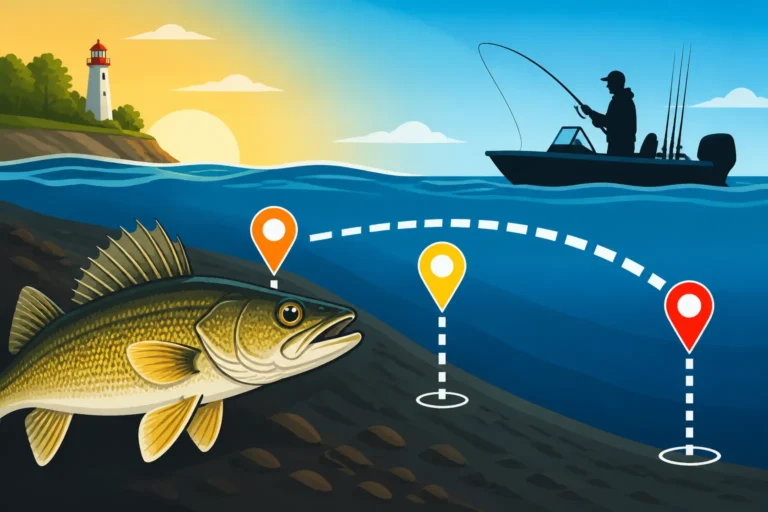
While not as heavily populated as Lake Erie, Buckeye Lake boasts a respectable saugeye fishery. Saugeye, a hybrid cross between a sauger and a walleye, thrive in lakes like Buckeye and offer a fantastic challenge. These fish tend to prefer deeper water during the day, often relating to the old creek channels or any deeper depressions in the lake bottom. As evening approaches, they might move shallower to feed. Trolling crankbaits or casting jigs tipped with minnows are popular and effective methods for saugeye.
Channel catfish are another abundant species in Buckeye Lake, particularly in the deeper areas and around points where current might be present. These powerful fish can grow to impressive sizes and offer a thrilling fight. They are generally less finicky than saugeye and will readily take a variety of baits, from cut bait and chicken livers to nightcrawlers. Fishing for catfish is often best at night or during twilight hours, when they are most actively feeding.
Essential Gear and Techniques for Buckeye Lake
Fishing Buckeye Lake effectively often means adapting your gear and techniques to its specific environment. Given its shallow nature and abundant cover, finesse and presentation often trump brute force. Having the right tools for the job can make all the difference between a frustrating day and a memorable catch.
Rods, Reels, and Line Choices
For most of Buckeye Lake's fishing, a medium-light to medium power spinning rod, around 6'6" to 7' in length, paired with a matching spinning reel, will be your workhorse. This setup offers the versatility needed for casting lighter lures for crappie or handling the fight of a feisty largemouth. If you're specifically targeting bigger bass in heavy cover, a medium-heavy baitcasting setup might be more appropriate to muscle them out.
Line choice is also crucial. For crappie and panfish, 4-6 lb monofilament or fluorocarbon is usually sufficient, offering good sensitivity and a subtle presentation. For bass and saugeye, bumping up to 8-12 lb fluorocarbon or braided line with a fluorocarbon leader is a wise choice. Braid provides excellent sensitivity and strength, while the fluorocarbon leader offers invisibility and abrasion resistance around all those docks and submerged structures. Always be mindful of your knots, as any weak link can lead to a lost fish in tight quarters. Our guide on Ohio Fishing Knots to Know can help you brush up on your skills.
Effective Baits and Lures
The key to success at Buckeye Lake lies in selecting baits and lures that are effective in shallow water and around structure. Live bait, as always, is a reliable option. Minnows are excellent for crappie and saugeye, while nightcrawlers and worms will entice anything from bluegill to bass and catfish.
When it comes to artificials, jigs are king. Small jigs tipped with plastic grubs or tubes work wonders for crappie and panfish. For bass, try jigs with skirts, creature baits, or plastic worms. Crankbaits that run shallow to medium depths are good for covering water, especially for saugeye along creek channels or bass cruising flats. Spinnerbaits and chatterbaits are also strong choices for bass, particularly in areas with scattered weeds or wood. Don't forget topwater lures for those exciting early morning or late evening bass bites around cover! For a deeper dive into what fish bite best and when, check out our Ohio Fishing Season Calendar.
| Species Targeted | Best Baits/Lures | Optimal Depth | Best Season |
|---|---|---|---|
| Largemouth Bass | Plastic Worms, Jigs, Spinnerbaits, Topwater, Crankbaits | 2-8 feet (around cover) | Spring, Summer, Fall |
| Crappie (Black/White) | Small Jigs (grubs/tubes), Live Minnows | 3-10 feet (around docks/brush) | Spring, Fall, Winter (ice) |
| Saugeye | Jigging Spoons, Trolling Crankbaits, Live Minnows | 5-15 feet (creek channels, deeper humps) | Spring, Fall, Winter (ice) |
| Channel Catfish | Cut Bait, Chicken Liver, Nightcrawlers | 6-12 feet (deeper holes, points) | Summer, Fall |
| Bluegill/Sunfish | Worms, Waxworms, Small Jigs | 1-5 feet (shallow weeds, docks) | Spring, Summer |
Accessing and Navigating Buckeye Lake
Getting on and around Buckeye Lake can present its own set of considerations, especially during peak seasons. Knowing your access points and understanding the boating rules will ensure a smooth and enjoyable experience, whether you're bringing your own boat or planning to fish from shore.
Public Boat Launches and Marinas
Buckeye Lake offers several public access points for boaters. The North Shore Boat Ramp, located off SR 79, is a popular spot and often a good starting point for exploring the lake. Another key access point is the Fairfield Beach public boat ramp. These ramps typically offer ample parking and good facilities.
In addition to public ramps, several private marinas around the lake, such as Alexander's Landing or Northpointe Marina, offer launching services, bait, tackle, and sometimes even rentals. These can be great options if you're looking for additional amenities or specific supplies. Always check their operating hours and any fees beforehand, especially if you're visiting during off-peak times. While there aren't many fishing charters specifically dedicated to Buckeye Lake, platforms like FishingBooker can sometimes help you find local guides or smaller charter services if you prefer a guided experience, though options might be limited compared to Lake Erie.
Shoreline Fishing Opportunities
For those without a boat, Buckeye Lake still provides plenty of opportunities for shore fishing. The Buckeye Lake State Park offers various access points, including designated fishing piers and ample shoreline along areas like Fairfield Beach and the North Bank. These spots are often well-maintained and provide easy access to productive waters, particularly for panfish and smaller bass.
The causeways and bridges that cross parts of the lake can also offer good bank fishing, allowing access to deeper water or areas with more current flow. Remember to always respect private property boundaries and adhere to any posted regulations, especially when fishing near residential areas. A quiet approach and careful casting are key when fishing developed shorelines.
Boating Regulations and Safety
Buckeye Lake is subject to Ohio's statewide boating regulations, but it's crucial to be aware of any specific local rules. One significant regulation to note is that Buckeye Lake has a horsepower limit, which has varied over the years. Always verify the current horsepower restrictions with the ODNR or local authorities before launching, as these can change. As of my last check, it generally has a 10 HP limit, with some exceptions for larger boats at idle speed, but it's essential to confirm this as regulations can evolve.
Given its shallow nature, operating a boat on Buckeye Lake requires extra caution, especially outside marked channels. Submerged obstacles, shallow flats, and heavy boat traffic, particularly on weekends and holidays, are common. Always maintain a safe speed, be aware of your wake, and use appropriate safety gear. Having a good map or GPS with depth contours for the lake can be invaluable for navigating safely and finding those prime fishing spots. For a comprehensive overview of statewide rules, refer to our Ohio Boater Education Requirements for Anglers resource.
Seasonal Fishing Strategies for Buckeye Lake
Just like any body of water in Ohio, Buckeye Lake's fishery changes dramatically with the seasons. What works in spring might be utterly ineffective in summer. Understanding these seasonal shifts and adapting your approach is critical to consistent success.
Springtime Action
Spring is arguably one of the most exciting times to fish Buckeye Lake. As water temperatures begin to rise, fish become incredibly active, moving into shallower waters to feed and eventually spawn. Largemouth bass will be staging in pre-spawn areas, often around the mouths of bays or along sun-exposed banks. This is a fantastic time for throwing spinnerbaits, crankbaits, or even jerkbaits.
Crappie will also be moving shallow, often congregating around docks, brush piles, and any newly emerging weed growth. Small jigs, tipped with minnows or soft plastics, fished under a bobber, are deadly effective. You can often find them in just a few feet of water. Early spring also offers good opportunities for saugeye as they shake off winter sluggishness, often found near the main lake channels.
Summer Challenges and Rewards
Summer fishing on Buckeye Lake can be a mixed bag. The warm water temperatures and increased boat traffic can make midday fishing tough. However, early mornings, late evenings, and night fishing can be incredibly productive. Bass will often retreat to the deepest available cover during the heat of the day, seeking shade under docks or in the densest submerged vegetation. Topwater baits at dawn and dusk can be fantastic, as can flipping jigs into heavy cover.
Crappie might move to deeper brush piles or suspend over channels, making them a bit harder to locate but still catchable for those with good electronics. Night fishing for channel catfish truly shines in the summer. They'll be actively cruising the bottom, and setting up with cut bait or stink baits in deeper pockets or along points can yield some impressive catches.
Fall and Winter Opportunities
As autumn arrives and water temperatures begin to cool, Buckeye Lake experiences another surge in fishing activity. Fish become aggressive as they feed heavily in preparation for winter. Largemouth bass will move out of their deepest summer haunts and feed actively on flats and around main lake points. Crankbaits, jerkbaits, and soft plastics can be very effective.
Saugeye fishing can be particularly good in the fall, as they become more active throughout the day, relating to deeper structure and channels. Trolling crankbaits or vertical jigging can produce excellent results. Even crappie will school up more tightly, offering a great opportunity for anglers to locate large groups. And don't forget the potential for ice fishing when conditions allow! Buckeye Lake does freeze over in colder winters, providing good opportunities for species like crappie and saugeye through the ice. Always prioritize safety and know the proper ice fishing rules on Ohio lakes.
Regulations and Conservation Efforts at Buckeye Lake
Understanding and adhering to fishing regulations is not just about avoiding fines; it's about protecting the fishery for future generations. Buckeye Lake, like all Ohio waters, is managed by the Ohio Department of Natural Resources (ODNR) with specific rules designed to promote sustainable fishing.
Ohio Fishing Regulations
Before heading out, it's paramount to be familiar with the statewide fishing regulations as well as any specific rules that might apply to Buckeye Lake. This includes possession limits, size restrictions, and season dates for various species. For example, knowing the Ohio Largemouth and Smallmouth Bass Limits or the Ohio Crappie Daily Limit is crucial to stay within the law. A current Ohio fishing license is also required for all anglers aged 16 and over. You can find detailed information on obtaining one in our Ohio Fishing License Guide for Residents and Nonresidents.
It’s always a good practice to check the current Ohio Fishing Regulations booklet or the ODNR website before each fishing season, as rules can occasionally be updated. Wildlife officers frequently patrol Buckeye Lake, and they are there to ensure compliance and help protect the resource. Being caught without a valid license or exceeding bag limits can result in significant penalties.
Buckeye Lake Specific Initiatives
Beyond general regulations, Buckeye Lake has often been a focus for specific conservation and restoration efforts due to its history of environmental challenges. These efforts often involve stocking programs to enhance fish populations, particularly for species like saugeye, and initiatives to improve water quality and habitat. The ODNR actively manages fish populations through surveys and stocking to ensure a healthy and balanced ecosystem.
Anglers can play a vital role in these conservation efforts by practicing catch and release, especially for larger breeding fish, and by properly disposing of trash and unwanted fishing line. Every little bit helps to maintain and improve the health of Buckeye Lake for everyone to enjoy. If you're passionate about the future of Ohio's fisheries, consider looking into Ohio Fishing Tournament Permits and how tournaments can contribute to conservation efforts.
The Importance of Respecting the Environment
Buckeye Lake is surrounded by a vibrant community, and many residents live right on its shores. When you're out fishing, remember to be a good neighbor. This means keeping noise levels down, especially in residential areas, and being mindful of your wake when boating near docks and anchored vessels.
Proper disposal of fishing line, lures, and other waste is also incredibly important. Discarded fishing gear can be deadly to wildlife and detracts from the beauty of the lake. Always carry a small trash bag with you and pack out everything you pack in. Leaving the lake cleaner than you found it is a simple act that makes a huge difference for both the environment and fellow anglers.
Final Thoughts for Your Buckeye Lake Fishing Adventure
Buckeye Lake, with its rich history and ongoing revitalization, offers a rewarding and unique fishing experience in Ohio. It's a lake that demands a bit of patience and adaptability, but those willing to put in the effort are often handsomely rewarded with diverse catches and beautiful scenery. From the thrill of a bass striking a topwater lure near a dock to the subtle tap of a crappie on a jig, Buckeye Lake has something for every angler.
Whether you're a seasoned local or planning your first trip, remember to consult the latest regulations, choose your gear wisely, and always prioritize safety and conservation. Platforms like FishingBooker can sometimes offer insights into local guides or charters, even if options are more limited than on larger waters. Embrace the learning curve, enjoy the process, and you’ll soon discover why Buckeye Lake holds such a special place in the hearts of Ohio's fishing community.
Disclaimer
The information provided in this guide is for general informational purposes only and is subject to change. Fishing regulations, conditions, and access points can vary. Always consult the official Ohio Department of Natural Resources (ODNR) website or their current fishing regulations booklet for the most accurate and up-to-date information before planning your fishing trip to Buckeye Lake. Always prioritize personal safety and adhere to all local and state laws.