Kiser Lake Fishing Guide
Many anglers in Ohio yearn for a quiet day on the water, a respite from the roaring outboards and crowded ramps, but often struggle to find that serene spot with decent fishing. Kiser Lake, nestled in Champaign County, is one of those hidden treasures that often gets overlooked, but it offers fantastic opportunities for a variety of species in a truly peaceful setting. This comprehensive guide will reveal everything you need to know to unlock the full potential of Kiser Lake and enjoy a successful, tranquil fishing adventure.
Kiser Lake: A Hidden Gem for Anglers
If you haven't heard much about Kiser Lake, you're not alone. It's not one of the massive reservoirs that draw huge crowds, and that's precisely part of its charm. This smaller, intimate lake provides a different kind of fishing experience, one that emphasizes tranquility and strategic angling over covering vast expanses of water. It’s the perfect place to unwind and reconnect with nature while still having a great chance to reel in some impressive catches.
Lake Overview and Unique Characteristics
Kiser Lake is a beautiful 400-acre impoundment located in Champaign County, just a stone's throw from St. Paris, Ohio. What immediately sets Kiser Lake apart is its strict "electric motors only" rule. You won't find roaring bass boats or high-speed ski boats here, which means the waters are consistently calm, making it a fantastic destination for kayak, canoe, or small Jon boat anglers. This rule not only creates a peaceful environment but also contributes to excellent water clarity and less disturbed fish habitats. The average depth hovers around 10-12 feet, with a maximum depth pushing about 20 feet near the dam, offering a good mix of shallow and moderately deep water structure.
The lake is surrounded by Kiser Lake State Park, which maintains the shoreline and provides amenities, adding to the overall experience. The natural, undeveloped feel of much of the lake's perimeter, combined with its no-wake policy, truly makes it a sanctuary for those looking to escape the hustle and bustle. It's a place where you can hear the birds, feel the gentle breeze, and focus entirely on the subtle tug of a fish.
Primary Fish Species and Expectations
Kiser Lake boasts a healthy, diverse fishery managed by the Ohio Department of Natural Resources (ODNR), which regularly monitors and stocks the lake. Anglers here can expect to target several popular species, making it a well-rounded destination for various preferences.
The most sought-after species are often largemouth bass, which thrive in the lake's abundant cover and forage. Many anglers report consistent catches of respectable-sized bass, with the occasional lunker pushing the trophy mark. Beyond bass, crappie fishing can be outstanding, especially during the spring and fall, with both black and white crappie present in good numbers. Bluegill and other sunfish provide excellent action for casual anglers and families, often being plentiful and aggressive.
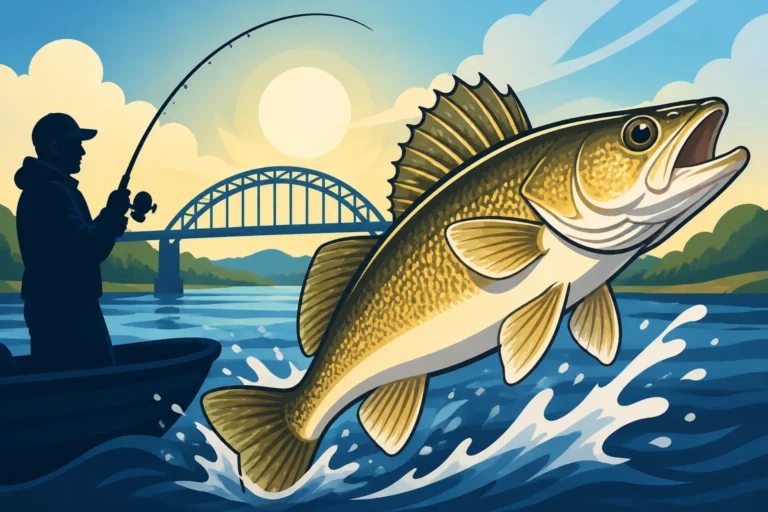
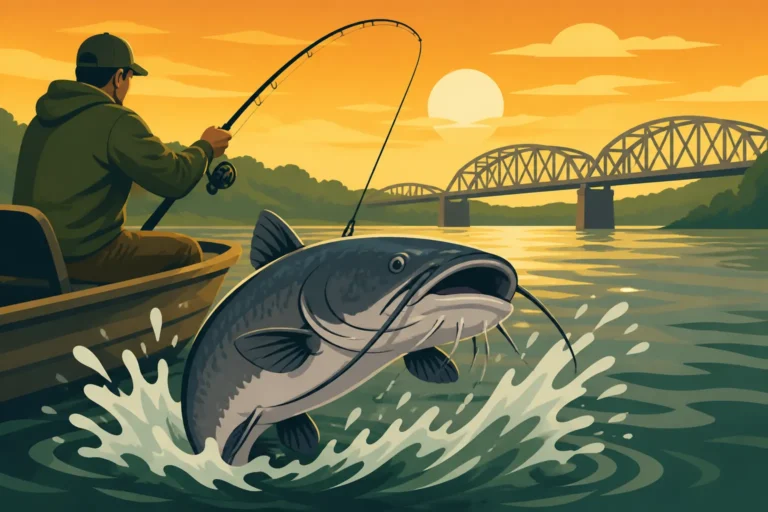
Perhaps one of Kiser Lake's more unique offerings is its saugeye population. These hybrid walleye/sauger fish are stocked by the ODNR and provide a challenging yet rewarding pursuit for anglers looking for a different kind of fight and a tasty dinner. While walleye are absent, the saugeye fill that niche wonderfully. Finally, channel catfish are abundant, offering strong pulls and a great option for those who enjoy bait fishing, especially after the sun goes down. ODNR reports indicate a thriving population of these species, ensuring that your efforts usually pay off with consistent bites.
Getting on the Water and Finding Fish at Kiser Lake
Navigating a new lake can be a challenge, but Kiser Lake is relatively straightforward once you understand its layout and regulations. Its electric-motor-only status dictates a certain approach, favoring stealth and precision. Knowing where to launch and what to look for will significantly improve your chances of a successful day.
Access Points and Boating Regulations
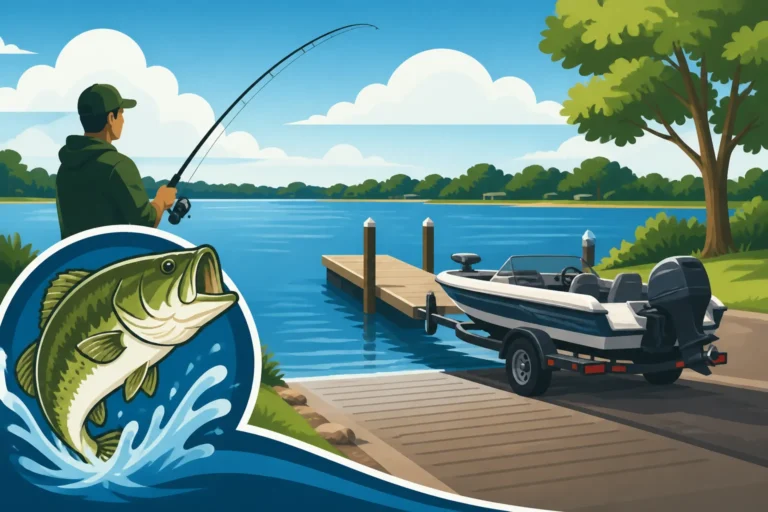
Getting your boat in the water at Kiser Lake is quite simple, thanks to the facilities provided by Kiser Lake State Park. There are several paved boat ramps available, with the primary one located near the marina area on the lake's southern side. This central location offers easy access to different parts of the lake. For those with smaller craft like kayaks, canoes, or paddleboards, shore access is plentiful, making it easy to put in almost anywhere along the park's perimeter where parking is available.
It’s crucial to remember the "electric motors only" rule. This means no gasoline outboards can be used for propulsion, even if they're just tilted up. This regulation is strictly enforced and is a key factor in maintaining the lake's peaceful atmosphere. For anglers, this means investing in a reliable trolling motor and a good battery system. The calm waters, however, make it perfectly manageable for even smaller electric setups. Additionally, always make sure you have your current Ohio Fishing License Guide for Residents and Nonresidents in hand. For more general rules and guidelines about fishing in state parks, you might want to review the information on Ohio State Park Fishing Rules.
Beyond boating, there are several designated fishing piers and ample shoreline access, especially within Kiser Lake State Park. These spots are fantastic for bank anglers, families, or those just looking to cast a line without launching a boat. Many of these areas are well-maintained and provide comfortable casting platforms, giving everyone a chance to enjoy the lake.
Top Fishing Spots and Structure
Finding fish in Kiser Lake is all about understanding the subtle underwater topography and how different species relate to it. Despite its relatively uniform depth, Kiser Lake has enough features to keep things interesting.
- The Dam Area: Located on the western side of the lake, the dam area generally features the deepest water. This makes it a prime location for saugeye and suspended crappie, especially during warmer months or when fish move to deeper thermal refuge. Jigging spoons or blade baits fished vertically can be highly effective here.
- Submerged Timber and Brush Piles: Throughout the lake, particularly in shallower coves and along the northern and eastern shorelines, you'll find submerged timber, fallen trees, and brush piles. These are absolute magnets for largemouth bass and crappie. For bass, pitching jigs or Texas-rigged plastics into this cover is a surefire way to get bites. For crappie, slow-trolling small jigs or live minnows around the edges of these structures works wonders. If you're specifically targeting bass, check out our guide on the Best Ohio Lakes for Bass Fishing.
- Weed Lines and Lily Pads: Kiser Lake has healthy growth of aquatic vegetation, especially in the shallower bays and along the eastern shore. These weed lines and patches of lily pads create fantastic ambush points for largemouth bass, especially in the mornings and evenings. Topwater frogs, weedless jigs, or spinnerbaits fished over and through these areas can be incredibly exciting.
- Shallow Flats and Channels: The shallower flats, particularly those with a slight depth change or a subtle old creek channel running through them, are excellent areas for bluegill and other panfish. When they're on their spawning beds in late spring/early summer, these flats come alive. Small jigs tipped with a waxworm or a simple worm under a bobber can lead to non-stop action. For more tips on finding these prolific panfish, take a look at our Best Places to Catch Bluegill in Ohio guide.
- Main Lake Basin: Don't overlook the main lake basin, especially for saugeye and roaming schools of crappie. Using your fish finder to locate schools of baitfish or subtle humps and drop-offs in the middle of the lake can lead to some surprising catches. Trolling with an electric motor and crankbaits or spinner rigs is an effective way to cover water here.
Seasonal Fishing Strategies for Kiser Lake
Just like any body of water, Kiser Lake's fishing patterns shift dramatically with the seasons. Understanding these changes and adapting your approach accordingly is key to consistent success.
Spring: Spawning and Active Bites
Ah, spring! This is arguably one of the most exciting times to fish Kiser Lake. As water temperatures rise, fish become incredibly active, shaking off the winter lethargy and moving into shallower waters for spawning.
- Bass: Pre-spawn largemouth bass will be gorging themselves, often found cruising the edges of weed lines and submerged timber in preparation for spawning. Crankbaits, spinnerbaits, and chatterbaits are excellent choices to cover water and find these aggressive fish. As the water warms further, they'll move onto spawning beds in the shallow, protected coves. Look for clear spots on the bottom, and sight-fishing with soft plastics or jigs can be very productive.
- Crappie: Crappie will be moving into shallower brush and woody cover, especially in the backs of coves, to spawn. This is prime time for vertical jigging small jigs (1/32 to 1/16 oz) tipped with a minnow or a small plastic grub. Focus on depths of 2-6 feet around submerged branches and fallen trees.
- Bluegill: Similar to crappie, bluegill will become very active and move shallow. They create distinct circular beds, and often you can literally see them. Small worms, crickets, or even fly-fishing with tiny poppers can yield impressive numbers.
- Saugeye: Early spring can be a great time for saugeye as they stage in deeper areas before moving towards shallower structure to feed. Blade baits and jigging spoons fished near the dam or deeper humps can be effective. For a deeper dive into techniques for this time of year, check out our article on Best Spring Fishing Techniques in Ohio.
Summer: Deeper Waters and Night Fishing
Summer at Kiser Lake brings warmer water and can mean fish move deeper or become more active during low-light conditions. The electric-only rule really shines here, allowing for quiet night fishing adventures.
- Bass: In the heat of summer, largemouth bass often retreat to deeper cover during the day. Target them early mornings and late evenings with topwater lures like frogs or poppers fished over weed mats or around lily pads. During the day, switch to Texas-rigged worms or jigs fished in deeper timber or along the dam.
- Catfish: Summer is prime time for channel catfish. They'll be active throughout the lake, but especially in the evening and overnight. Fishing from the bank or anchoring in deeper channels with cut bait, chicken liver, or stink baits on the bottom is a classic and highly effective method.
- Saugeye: Saugeye will typically hold in deeper, cooler water during the summer. Trolling with small crankbaits using your electric motor, or vertically jigging near the dam or deeper humps, can entice strikes. Pay attention to your fish finder for suspended schools.
- Night Fishing: With the absence of loud boat traffic, Kiser Lake is exceptional for night fishing. Bass, catfish, and even crappie become much more aggressive after dark. Black plastic worms, spinnerbaits, or even topwater lures can be deadly for bass. For more specialized tips on fishing after sundown, you'll find our guide on Night Fishing Techniques in Ohio incredibly helpful.
Fall: Feeding Frenzy Before Winter
As the leaves change color and the air gets crisp, Kiser Lake experiences another fantastic fishing period. Fish know winter is coming and go on a feeding frenzy to pack on reserves.
- All Species: Fall brings a resurgence of activity across the board. Baitfish school up, and predatory fish follow suit. This is a time for aggressive presentations.
- Bass: Largemouth bass will be actively chasing baitfish in open water and around structure. Crankbaits, jerkbaits, and bladed jigs become incredibly effective as bass are willing to strike at almost anything moving. Focus on points, submerged humps, and the edges of dying weed beds.
- Crappie: Crappie will begin to school up in larger groups, often moving back to deeper brush piles or suspended over open water. Slow-trolling or drift-fishing with minnows or small jigs can lead to impressive numbers. Look for them on your fish finder.
- Saugeye: Fall is perhaps the best time to target saugeye at Kiser Lake. They become very active, feeding heavily. Trolling crankbaits that mimic baitfish or jigging blade baits and spoons around drop-offs and the dam area can be highly productive. For a comprehensive look at how to tackle this season, check out our Best Fall Fishing Techniques in Ohio.
Winter: Ice Fishing Opportunities
When the ice gets thick enough, Kiser Lake can offer some respectable hard water angling. However, always prioritize safety and check ice conditions diligently before venturing out.
- Ice Fishing: Kiser Lake does freeze over reliably in most winters, providing opportunities for ice fishing. Crappie, bluegill, and saugeye are the main targets.
- Techniques: For crappie and bluegill, use tiny jigs (such as tungsten jigs) tipped with waxworms, spikes, or small plastics. Fish them close to submerged brush and weed lines. For saugeye, jigging spoons or larger jigs tipped with minnows near the dam or deeper humps can be effective.
- Safety: Always go with a buddy, inform someone of your plans, and carry safety equipment like ice picks. Never trust ice thickness based on visual appearance alone. For a full rundown on staying safe and successful on the ice, our Ohio Ice Fishing Guide is an essential read.
Recommended Baits, Lures, and Gear for Kiser Lake
Having the right tackle can make all the difference, especially on a lake like Kiser where precision and stealth are often rewarded. Here's a breakdown of what to keep in your tackle box for a successful trip.
Bass Tactics
For largemouth bass at Kiser Lake, versatility is key. The lake offers a mix of heavy cover, open water, and weed lines, meaning you'll want a variety of presentations.
- Lures:
- Plastic Worms/Creature Baits: Texas-rigged or Carolina-rigged plastic worms (like Berkley PowerBait worms or Zoom Trick Worms) are excellent for fishing around submerged timber, docks, and weed edges. Darker colors like black, blue, or green pumpkin are often effective.
- Jigs: Flipping jigs (1/4 to 1/2 oz) with a craw-style trailer are perfect for penetrating heavy cover. Spinnerbaits (3/8 to 1/2 oz) in white, chartreuse, or black are great for covering water and fishing through lighter weeds.
- Crankbaits: Medium-diving crankbaits (diving 6-12 feet) can be effective in open water or along drop-offs, especially in spring and fall. Look for natural baitfish patterns or bright colors in stained water.
- Topwater: Frogs, poppers, and walking baits (like a Heddon Super Spook) are exhilarating to use over lily pads and shallow mats during low-light conditions in summer.
- Rod/Reel Setup: A medium-heavy to heavy action casting rod (6'6" to 7'6") with a fast retrieve baitcasting reel is ideal for most bass techniques. Spool up with 15-20 lb fluorocarbon or braided line for strength and sensitivity. For a more general overview of effective lures, our Best Lures for Ohio Fishing guide provides some great insights.
Crappie, Bluegill, and Panfish Techniques
Kiser Lake is a fantastic panfish lake, and with light tackle, you can have a blast. These species respond well to small, subtle presentations.
- Baits:
- Live Minnows: The perennial favorite for crappie. Hook them lightly through the back or lip under a slip bobber or tight-lined.
- Worms/Waxworms/Spikes/Crickets: Excellent for bluegill and other sunfish. A tiny piece of worm on a small hook (size 8-12) under a bobber is irresistible.
- Lures:
- Small Jigs: 1/32 to 1/16 oz jigs are perfect. Tip them with small plastic tubes, curly tails, or tiny hair jigs in white, chartreuse, pink, or black.
- Tiny Crankbaits: Micro crankbaits can sometimes trigger aggressive crappie or larger bluegill, especially when trolled slowly.
- Bobber Setups: Slip bobbers are incredibly versatile for panfish, allowing you to set your depth precisely.
- Rod/Reel Setup: A light action spinning rod (5'6" to 6'6") paired with a small spinning reel spooled with 4-6 lb monofilament or fluorocarbon is perfect. This setup allows for long casts with light lures and provides maximum fight from these smaller fish. If crappie are your main target, our dedicated Ohio Crappie Fishing Guide will give you even more in-depth strategies.
Catfish and Saugeye Approaches
These two species offer different challenges and rewards, and specific tactics will yield the best results at Kiser Lake.
- Catfish:
- Baits: Cut bait (chunks of shad or bluegill), chicken liver, nightcrawlers, and commercially prepared stink baits are all highly effective for channel catfish.
- Rigging: A simple bottom rig with an egg sinker (1/2 to 1 oz) above a swivel, and an 18-24 inch leader with a circle hook (size 2/0 to 4/0), works well. Cast out and let it sit on the bottom.
- Time: Night fishing is often the most productive for catfish.
- Rod/Reel Setup: A medium-heavy spinning or baitcasting rod (7-8 feet) with a reel spooled with 15-25 lb monofilament is sufficient to handle these strong fighters. For more detailed insights into targeting catfish, explore our Ohio Channel Catfish Fishing Guide.
- Saugeye:
- Baits: Live minnows and nightcrawlers fished under a slip bobber or on a jig head can be very effective.
- Lures: Blade baits (like a Cicada or Vib-E), jigging spoons, and small crankbaits (especially those with a walleye profile) are excellent choices. Trolling with an electric motor is a great way to cover water and find active fish.
- Location: Focus on drop-offs, humps, and the deeper water near the dam.
- Rod/Reel Setup: A medium-light to medium action spinning rod (6'6" to 7') with a sensitive tip is crucial for detecting subtle saugeye bites. Spool with 6-10 lb fluorocarbon for sensitivity and invisibility. Our Ohio Saugeye Fishing Guide provides a wealth of information specific to these prized fish.
| Species | Best Seasons | Primary Locations | Top Baits/Lures | Notes |
|---|---|---|---|---|
| Largemouth Bass | Spring, Fall, Summer (low-light) | Submerged timber, weed lines, lily pads, coves | Plastic worms, jigs, spinnerbaits, topwater, crankbaits | Focus on cover; summer mornings/evenings best. |
| Crappie | Spring, Fall, Winter (ice) | Brush piles, submerged timber, deeper channels | Live minnows, small jigs (tubes, grubs), tiny crankbaits | Vertical jigging, slow trolling, ice fishing. |
| Bluegill | Spring, Summer | Shallow flats, weed edges | Worms, waxworms, crickets, tiny jigs | Excellent for families; prolific spawners. |
| Saugeye | Fall, Spring, Winter (ice) | Dam area, deeper humps, drop-offs | Blade baits, jigging spoons, minnows, crankbaits | Troll slowly or jig vertically. |
| Channel Catfish | Summer, Fall | Deeper channels, main lake basin | Cut bait, chicken liver, stink baits, worms | Best at night or low-light conditions. |
Essential Tips for a Successful Trip to Kiser Lake
A great fishing trip isn't just about catching fish; it's about enjoying the experience, respecting the environment, and being prepared. Kiser Lake offers a unique opportunity for a peaceful outing, and a little planning can go a long way.
Respecting Regulations and the Environment
Understanding and adhering to Kiser Lake's specific rules is paramount for everyone's enjoyment and the health of the fishery. The "electric motors only" rule is non-negotiable and strictly enforced. There's also usually a 10 mph speed limit on the lake, even for electric motors, to maintain the serene atmosphere. Always ensure you have a valid Ohio Fishing License Guide for Residents and Nonresidents, as enforcement officers patrol regularly.
Beyond the regulations, practicing good stewardship is vital. Embrace catch-and-release, especially for larger bass or saugeye, to help maintain healthy populations for future generations. If you do keep fish, make sure they adhere to the statewide bag and size limits, which are outlined in the Ohio Fishing Regulations Every Angler Should Know. Remember to pack out everything you pack in, leaving no trash behind. The tranquil environment of Kiser Lake is one of its greatest assets, and we all have a role in preserving it.
Planning Your Visit and Local Resources
Kiser Lake State Park offers a variety of amenities that can enhance your fishing trip. You'll find camping facilities, picnic areas, and hiking trails, making it a great destination for a weekend getaway with the family. Having access to these facilities means you can make a full experience out of your fishing adventure.
For bait and tackle, it's always a good idea to check with local bait shops in nearby towns like St. Paris, Urbana, or Piqua. These small, local businesses are often a goldmine of current information on what's biting, what baits are working, and any recent changes in lake conditions. They can provide invaluable real-time advice that an online guide simply can't.
If you're new to the area or Kiser Lake specifically, or if you simply want to maximize your time on the water, consider connecting with a local fishing guide. While Kiser Lake might not have as many dedicated guides as a larger lake, there are often seasoned local anglers who know the ins and outs. Services like FishingBooker can be an excellent resource for finding experienced local guides who can put you on the fish and teach you the nuances of Kiser Lake. A guided trip can fast-track your learning curve and dramatically improve your success, giving you a deeper understanding of the lake's patterns. It's an investment that pays off in knowledge and catches, and many anglers find it incredibly beneficial, especially for a lake with unique characteristics like Kiser Lake.
Always check the current Kiser Lake fishing reports, often available through the ODNR website, local bait shops, or online fishing forums. These reports provide invaluable information on water temperatures, recent catches, and general conditions, allowing you to fine-tune your strategy before you even launch your boat.
Disclaimer
Fishing conditions and regulations in Ohio can change. Always consult the latest official Ohio Department of Natural Resources (ODNR) fishing regulations before heading out. This guide is for informational purposes only and should not replace official sources.