Best Fall Fishing Techniques in Ohio
As the crisp air of autumn settles over Ohio, many anglers start to think about packing away their gear for the winter. But let me tell you, that's a huge mistake! Fall fishing in Ohio offers some of the most exciting and productive opportunities of the entire year, yet it often gets overlooked. If you've been frustrated by inconsistent bites in the summer heat or are tired of waiting for spring, this comprehensive guide will walk you through the very best techniques to make the most of Ohio's fantastic fall bite.
Understanding Fall Fish Behavior in Ohio
The transition from the long, warm days of summer to the cooler, shorter days of fall is a pivotal time for fish. Their behavior, locations, and feeding patterns shift dramatically, largely driven by dropping water temperatures and a sense of urgency to feed heavily before winter truly sets in. Knowing these changes is the first step to unlocking incredible fall fishing success.
The Changing Waters: Temperature and Oxygen
When summer gives way to autumn, the most significant change happening beneath the surface is the water temperature. Lakes and reservoirs, which were stratified into distinct warm and cold layers during summer, begin to "turn over" as surface waters cool. This mixing process redistributes oxygen and nutrients throughout the water column. For anglers, this means fish that were confined to specific thermal layers in summer can now be found at a wider range of depths, often moving shallower in pursuit of food during warmer parts of the day, then retreating to deeper structure as temperatures drop further. Rivers and streams, too, experience cooling, which invigorates species like smallmouth bass and triggers the much-anticipated steelhead runs. This cooler, more oxygenated water is a huge positive, as fish become more active and aggressive.
Forage Migration and Fish Location
As water temperatures continue to drop, baitfish like shad and shiners, which were scattered in warmer, shallower areas during summer, start to school up and move towards deeper water, often concentrating in predictable areas. Predatory fish, like walleye, bass, and crappie, follow these baitfish schools relentlessly. This is a crucial piece of information for fall anglers: find the bait, and you'll find the game fish. Look for large schools of bait on your sonar, often suspended over main lake basins, deep points, or channel edges. On rivers, baitfish might congregate in larger pools or quieter eddies, providing a buffet for hungry predators. Understanding this predator-prey relationship is key; it's less about finding individual fish and more about locating their food source.
Reading Fall Weather Patterns
Ohio's fall weather can be notoriously fickle, swinging from Indian summer warmth to sudden cold snaps. Successful fall anglers learn to read these patterns. A stable period of moderate temperatures often leads to consistent fishing, as fish settle into predictable feeding routines. However, a sudden cold front can put fish into a funk, making them lethargic and less willing to chase baits. After a cold front, fish often drop deeper or seek out dense cover. Conversely, a prolonged period of warm, sunny days after an initial cool-down can trigger a secondary "summer-like" bite, especially in the afternoon. Pay close attention to wind direction and barometric pressure as well; a steady, low-pressure system can often mean active feeding, while high, stable pressure can make fish more finicky. Our guide on Reading Weather Patterns for Ohio Fishing can offer even deeper insights into this dynamic.
Mastering Walleye and Saugeye in Fall
When it comes to fall fishing, walleye and saugeye are arguably the stars of the show in Ohio. As water temperatures plummet, these cousins become incredibly active, feeding aggressively to build up reserves for the lean winter months. This is prime time for trophy catches and filling your cooler.
Trolling and Jigging Deep Structure
For many Ohio walleye anglers, especially on Lake Erie, fall means a return to trolling. As baitfish move into deeper, open water, walleye follow. Trolling with crankbaits or crawler harnesses allows you to cover vast amounts of water and present your lure at the precise depth where fish are feeding. Long-lining crankbaits like those from popular brands such as Rapala or Bandit can be incredibly effective, especially in the Western and Central Basins of Lake Erie. Experiment with different depths and speeds until you find the fish. On smaller reservoirs like Hoover Reservoir or Alum Creek Lake, trolling can also be effective, but often you'll find walleye and saugeye relating more closely to distinct deep structure.
Alternatively, jigging over deep humps, main lake points, or along channel edges can be a killer technique. Using vertical jigs, blade baits, or even a classic jig and minnow combination can entice strikes from larger, less active fish. The key is using your electronics to mark fish and bait, then positioning your boat directly over them. A good stout rod and reel combo, like those found readily on Amazon, will help you feel those subtle fall bites in deep water. Remember to use a sensitive fluorocarbon or braided line to detect those light taps.
Targeting Transitions and Drop-offs
In fall, walleye and saugeye often position themselves along transition areas where deep water meets shallower flats, or along pronounced drop-offs and ledges. These areas offer easy access to both deepwater safety and shallower feeding grounds. A prime example would be a sharp underwater point extending from a shoreline into a river channel. These fish will often cruise these edges, ambushing unsuspecting baitfish moving between different depths.
Focus your efforts on these structural elements. Drift fishing with live bait (like shiners or large fathead minnows) or slowly dragging a jig-and-minnow combo can be very effective. Alternatively, casting crankbaits or blade baits parallel to the breaks can draw strikes. Pay close attention to current seams in rivers or wind-blown points in reservoirs, as these spots often concentrate baitfish and, consequently, hungry walleye and saugeye.
River Mouths and Tributary Strategies
As autumn progresses and lake temperatures continue to drop, walleye and saugeye often stage at the mouths of rivers and major tributaries. This pre-spawn staging is a crucial fall pattern, particularly in areas like the Maumee River or the Sandusky River as they feed into Lake Erie. While the full "walleye run" typically occurs in spring, fish will begin congregating in the fall in these areas, feeding heavily before winter.
Anglers can capitalize on this by casting jigs with soft plastics, or by drifting live bait. The current in these areas often dictates presentation, so heavier jigs might be necessary. Focus on deeper holes, current breaks, and eddies. In smaller inland rivers and streams, saugeye often congregate in deeper pools near dams or significant bends. Our extensive Ohio Walleye Fishing Guide goes into greater detail on these patterns and more.
Targeting Fall Bass: Largemouth and Smallmouth
Bass fishing in Ohio might not be the first thing that comes to mind for fall, but it can be absolutely phenomenal. Both largemouth and smallmouth bass go on a serious feeding binge in autumn, making them eager to strike a variety of lures. They're trying to pack on calories, just like us preparing for Thanksgiving!
Focusing on Shad and Baitfish Schools
One of the biggest factors for fall bass success is locating baitfish. Just like walleye, both largemouth and smallmouth bass will actively pursue schools of shad, shiners, or other forage fish. These baitfish often move from shallow coves to main lake points, channel swings, and eventually into deeper water as the season progresses. Look for signs of schooling bait: nervous water, diving birds, or even bass blowing up on the surface.
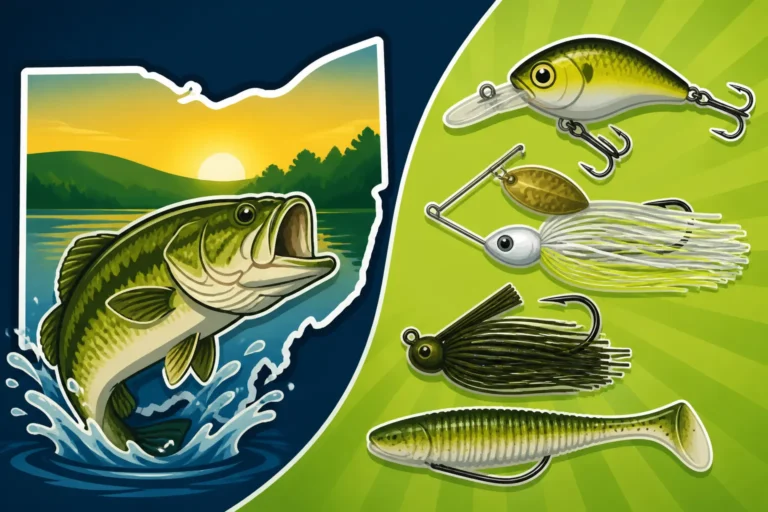
When you find the bait, you'll find the bass. Crankbaits that imitate shad are incredibly effective, especially lipless crankbaits or medium-diving models. Spinnerbaits, swimbaits, and even topwater lures (on warmer, calm days) can also elicit savage strikes. Consider using a good pair of polarized sunglasses to spot baitfish or cruising bass in clear water. For specific lake information, check out our Best Ohio Lakes for Bass Fishing.
Jigging and Crankbaiting around Cover
In early to mid-fall, largemouth bass will still relate to cover, but their preferred depth might change. They'll often be found around docks, brush piles, submerged timber, and weed lines that still have some green to them. However, instead of being right on top of the cover, they might be positioned slightly off, in deeper water, waiting to ambush. Flipping and pitching jigs or Texas-rigged plastics into these areas remains productive.
For smallmouth bass, especially in rivers and Lake Erie, fall is a prime time to target them on rocky points, shoals, and gravel bars. Smallmouth are particularly aggressive in cooler water, and they love to smash crankbaits, jerkbaits, and tube jigs worked along these transitional areas. Don't be afraid to experiment with brighter colors in stained water, or more natural hues in clearer conditions.
Late Fall Deepwater Tactics
As fall deepens into late autumn, and water temperatures dip into the 40s, bass will often move to their wintering holes. For largemouth, this might mean deep creek channels, submerged timber on ledges, or deep brush piles. For smallmouth, it's typically deep rock structures, ledges, and breaks. At this point, slower, more methodical presentations become key.
Vertical jigging with spoons or heavy blade baits, slow-rolling football jigs, or using a drop-shot rig can be incredibly effective. The bites will often be subtle, feeling more like added weight than a distinct thump. Patience is paramount, and a good understanding of your electronics to identify structure and fish becomes invaluable.
Chasing Ohio's Fall Steelhead Run
For many anglers, fall in Ohio means one thing: steelhead. The annual migration of these hard-fighting rainbow trout from Lake Erie into its tributaries is a truly spectacular event and draws passionate anglers from all over. If you haven't experienced it, you're missing out!
Prime Rivers and Access Points
Ohio is blessed with a fantastic "Steelhead Alley" along its northern coast, where numerous rivers offer incredible opportunities. The Rocky River, Grand River, Chagrin River, Vermilion River, and Conneaut Creek are among the most famous. These rivers offer varied terrain, from wide, accessible stretches to more intimate, tree-lined pockets. Each river has its own personality, and learning the access points and holding water is crucial. Check local tackle shops for current conditions and hotspots, or consult our Ohio River Fishing Guide for detailed access information.
Steelhead enter these rivers as early as September, with the run peaking in October and November, and often continuing well into winter. The timing depends heavily on rainfall; significant rain events cause water levels to rise, "drawing" more fish upstream from Lake Erie. Look for public access points, state parks, and wildlife areas along these rivers.
Float Fishing and Spey Casting Techniques
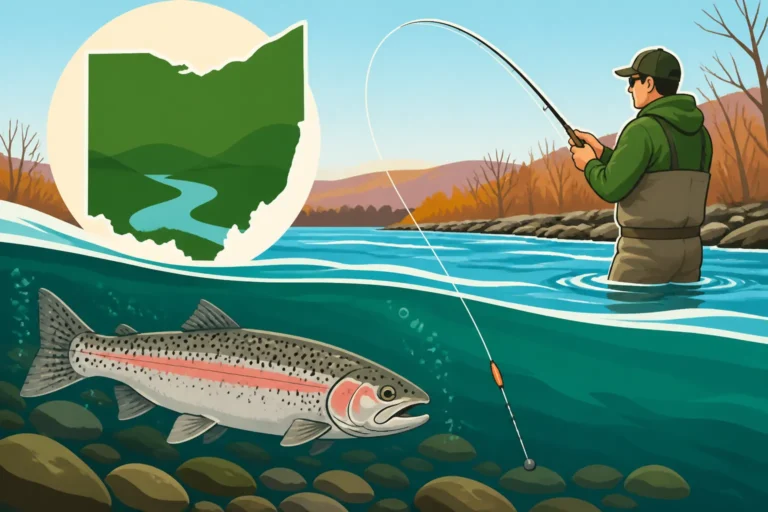
When chasing Ohio steelhead, float fishing (also known as "noodle rodding" or "centerpinning") is arguably the most popular and effective technique. It involves using a long, flexible rod, a specialized reel (often a centerpin or spinning reel), and a float (bobber) to present a small bait or lure naturally in the current. Common baits include small egg sacs, beads (imitating eggs), live or salted emerald shiners, or small jigs tipped with maggots or wax worms. The key is to get a perfect drift, matching the speed of the current, allowing your bait to tumble downstream naturally.
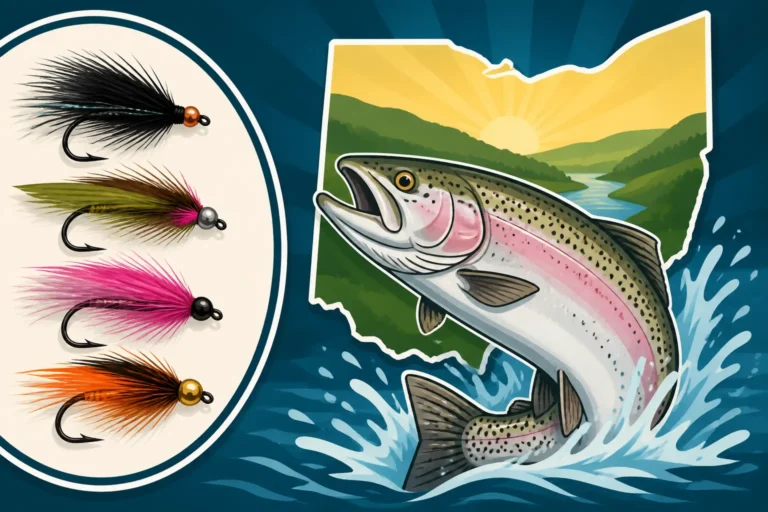
Fly anglers, too, have incredible success, often employing switch rods or spey rods for two-handed casting, which allows for effortless line control and longer casts, especially useful on larger rivers. Nymphing with indicators, swinging flies, or even stripping streamers can all be productive, depending on water conditions and fish activity. Our guide on Ohio Steelhead Fishing Techniques delves deeper into these specific methods.
Understanding Water Levels and Clarity
Water conditions are paramount for steelhead fishing. Fresh rain events are a double-edged sword: they bring new fish into the rivers, but they can also make the water high and muddy, making fishing challenging. Ideally, you want to fish during the "drop and clear" phase—after a rain, when the river levels are slowly falling, and the water is clearing but still has some stain. This is when steelhead are most comfortable moving upstream and actively feeding.
Extremely low and clear water can make steelhead skittish and difficult to approach, requiring lighter lines and more subtle presentations. Conversely, heavily stained or muddy water makes it hard for fish to see your bait. Always check stream gauges and local reports before heading out. A few extra feet of water after a rain can make all the difference, opening up new stretches of river to these powerful fish.
Excellent Panfish and Catfish Opportunities
While walleye, bass, and steelhead often steal the spotlight, Ohio's fall fishing also offers fantastic opportunities for panfish and catfish. These species provide consistent action and can be a great way to introduce new anglers to the sport or just enjoy a relaxing day on the water.
Fall Crappie and Bluegill Hotspots
Just like their larger predatory counterparts, crappie and bluegill embark on a feeding spree in the fall. As water temperatures drop, they often school up in predictable areas. For crappie, look for them suspending around brush piles, submerged timber, or bridge pilings in deeper water. They'll often relate to the deepest available cover in a particular area. Jigging small jigs (like Bobby Garland's or similar plastics often found on Amazon) or slow-trolling with minnows are highly effective. Find one crappie, and you've likely found a whole school!
Bluegill, too, will school up, often relating to the edges of deeper weed beds or drop-offs into deeper main lake basins. Small worms, crickets, or tiny jigs fished under a slip bobber can bring steady action. Fall panfish can be a ton of fun and excellent table fare. Consider places like Buckeye Lake or Indian Lake for productive fall panfish action.
Channel Catfish Feeds Before Winter
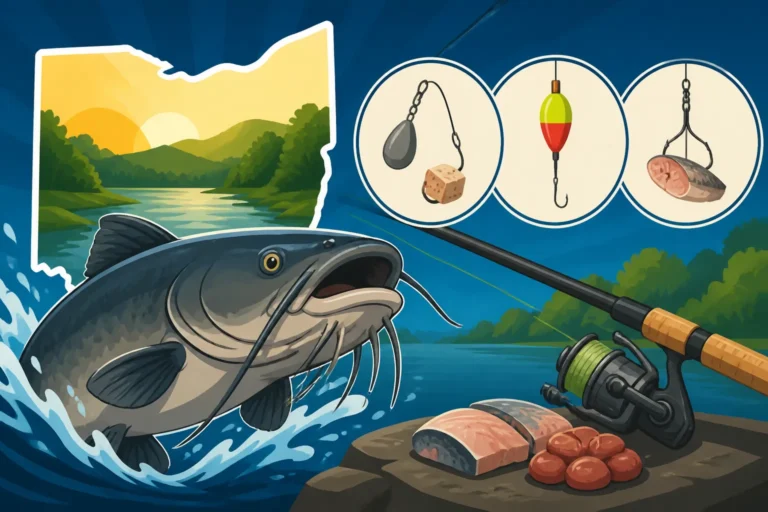
Channel catfish are another species that can provide excellent fall action. Before the deep freeze of winter truly sets in, channel cats will gorge themselves, often moving into shallower flats or channels where baitfish are abundant. They'll still respond well to traditional catfish baits like chicken livers, cut bait, or stink baits.
Look for them in deeper holes in rivers, or along the bottom of main lake channels in reservoirs. Fishing during the late afternoon and into the evening can be particularly productive as they become more active under the cloak of darkness. You don't need fancy gear; a stout spinning rod with an open-face reel, like many affordable options on Amazon, rigged with a simple bottom rig, will do the trick.
Flathead Catfish on the Prowl
While less common than channel catfish, the mighty flathead catfish also offers exciting fall opportunities, especially in Ohio's larger rivers like the Ohio River or the Muskingum River. These nocturnal predators will be actively hunting large meals as they prepare for winter. They prefer live bait – big shiners, suckers, or bluegill are all excellent choices.
Target deep holes with structure like submerged logs, rock piles, or bridge abutments. Flatheads are ambush predators, so present your bait close to their cover. Be prepared for a fight; a fall flathead can be a true giant! This is not a finesse game; you'll need heavy-duty tackle to pull these brutes out of their lairs.
Essential Fall Fishing Gear and Safety Tips
Fall fishing in Ohio is an incredible experience, but it comes with its own set of challenges, particularly concerning weather and water conditions. Being properly equipped and prioritizing safety are non-negotiable for an enjoyable and successful outing.
Layering Up: Apparel for Changing Conditions
Ohio's fall weather is famously unpredictable. A morning that starts with frost on the ground can turn into a warm, sunny afternoon, only to be followed by a chilly evening. The key to staying comfortable is layering. Start with a moisture-wicking base layer, add insulating middle layers (like fleece or wool), and finish with a waterproof and windproof outer shell. This allows you to shed or add layers as conditions change throughout the day. Don't forget a warm hat, gloves, and waterproof boots, especially when wading rivers for steelhead. Cold hands and feet can quickly turn a great day into a miserable one.
It’s also wise to pack an extra set of clothes, just in case you take an unexpected plunge or get soaked by a rogue wave. You can find excellent layering options from brands like Columbia or Carhartt, which are widely available, including on Amazon.
Choosing the Right Tackle for Fall Species
Your tackle selection will depend heavily on your target species, but a few general principles apply. For deeper presentations common in fall, consider using braided line for its sensitivity and strength, especially when jigging for walleye or saugeye. Pair it with a fluorocarbon leader for abrasion resistance and invisibility.
For bass, having a mix of spinning and baitcasting setups allows for versatility with different lure types. When steelhead fishing, a long, sensitive rod (9-13 feet) is a huge advantage for controlling drifts and absorbing head shakes. Ensure your reels are properly spooled and your drags are smooth. Always bring a variety of lures and baits that mimic local forage, as fish preferences can change daily. Our Best Lures for Ohio Fishing guide provides more specific recommendations for different species.
| Species | Preferred Fall Technique | Common Lures/Baits | Prime Locations |
|---|---|---|---|
| Walleye/Saugeye | Trolling, Jigging, Drifting | Crankbaits, Jigs (minnows/plastics), Blade Baits, Crawler Harnesses | Deep humps, channel edges, river mouths, tributary junctions |
| Largemouth Bass | Crankbaiting, Jigging, Flipping | Lipless crankbaits, Jigs, Spinnerbaits, Swimbaits, Texas-rigged plastics | Deep weed lines, docks, brush piles, main lake points |
| Smallmouth Bass | Crankbaiting, Jerkbaiting, Jigging | Jerkbaits, Tubes, Grubs, Swimbaits, Blade Baits, Dropshot | Rocky points, shoals, gravel bars, river current breaks |
| Steelhead | Float Fishing, Fly Fishing | Egg sacs, Beads, Shiners, Small jigs, Nymphs, Streamers | Lake Erie tributaries (Rocky, Grand, Chagrin Rivers) |
| Crappie | Jigging, Slow Trolling | Small jigs (plastics), Minnows, Micro crankbaits | Submerged timber, brush piles, bridge pilings, deep docks |
| Channel Catfish | Bottom Fishing | Chicken livers, Cut bait, Stink bait, Worms | Deep holes, river bends, main lake channels |
| Flathead Catfish | Bottom Fishing with Live Bait | Large live shiners, Suckers, Bluegill | Deep log jams, rock piles, bridge abutments in large rivers |
Navigating Fall Water Hazards
Fall fishing means colder water, and that brings increased risks. Always wear a life vest, especially when boating or wading in rivers with strong currents. Hypothermia is a serious concern, so understand its symptoms and how to prevent it. If wading, use a wading staff for stability and to test water depth, as cold water can quickly numb your legs. Be aware of slippery banks covered in wet leaves.
If you're boating, check your vessel's lights and safety equipment, as shorter daylight hours mean you might be launching or returning in low light. Always tell someone where you're going and when you expect to return. Be mindful of sudden weather changes, particularly strong winds that can quickly make Lake Erie treacherous. Our guide on Ohio Ice Fishing Guide emphasizes cold water safety, which remains highly relevant even before ice forms. And remember, check the current Ohio Fishing Regulations Every Angler Should Know before you head out, as rules can change.
Disclaimer
Please note: Fishing conditions, regulations, and fish behavior can change rapidly based on weather, season, and local conditions. Always consult the latest official Ohio Department of Natural Resources (ODNR) fishing regulations before heading out. The information provided here is for general guidance and informational purposes only and does not constitute professional advice.