Best Line Weight for Ohio Steelhead Fishing
Trying to figure out the perfect fishing line for Ohio steelhead can feel like a real puzzle. You want something strong enough to handle those incredible runs, yet light enough to be stealthy in clear river water. Too heavy, and you might spook wary fish; too light, and you risk a heartbreak snap. This guide will help you navigate the nuances of line weight, material, and technique, ensuring you’re well-equipped for your next steelhead adventure in Ohio’s incredible tributary streams.
Understanding Steelhead Dynamics and Line Stress
Steelhead fishing in Ohio is an exhilarating experience, but it comes with unique challenges, especially concerning your fishing line. These fish are renowned for their strength, speed, and acrobatic displays, all of which place immense stress on your tackle.
The Fight of an Ohio Steelhead
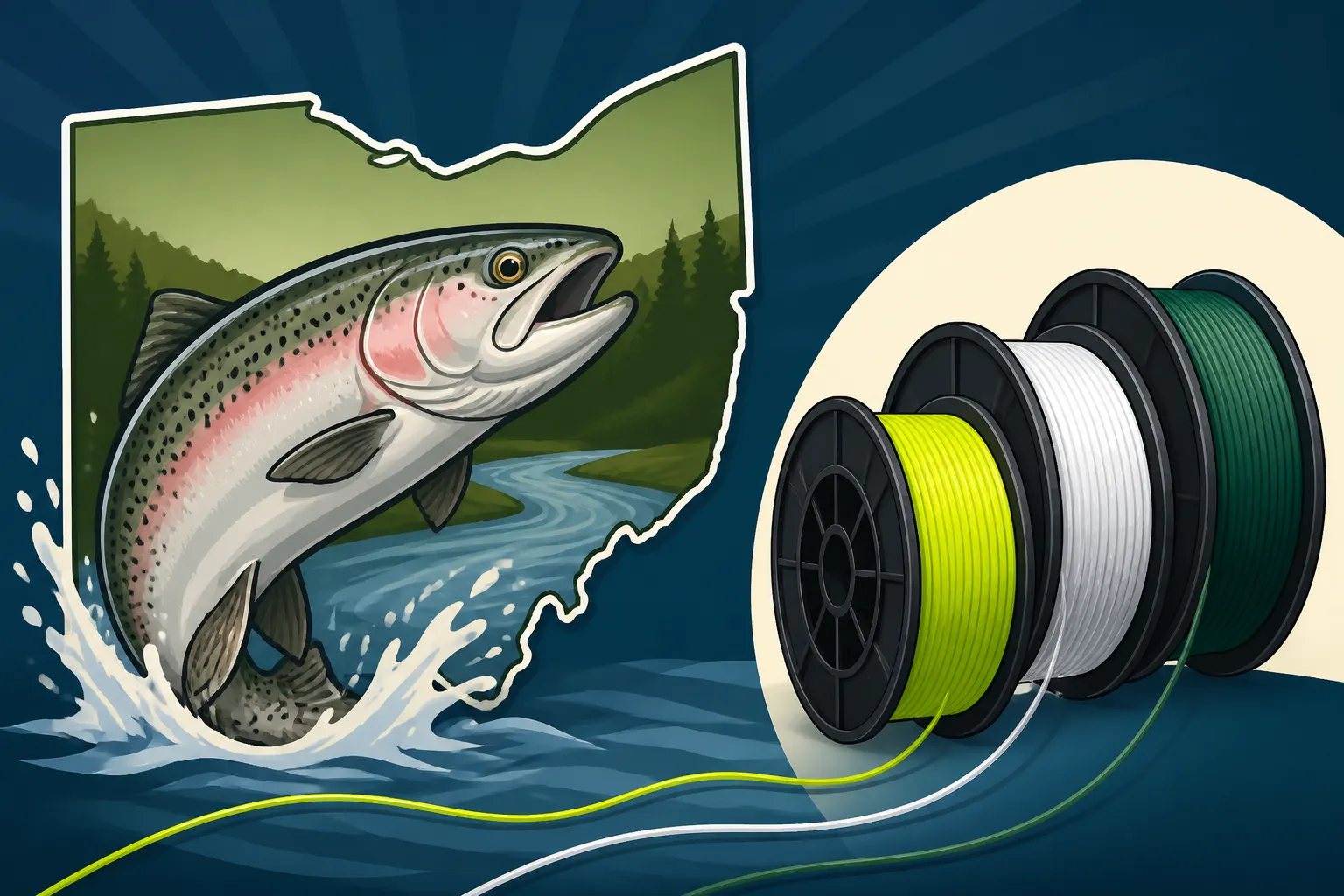
Ohio steelhead are anadromous rainbow trout, meaning they live most of their lives in Lake Erie and migrate into tributary rivers to spawn. When you hook into one of these chrome beauties, be prepared for a fight unlike any other freshwater fish in the state. They make incredibly powerful, drag-screaming runs, often heading straight for snags, fallen trees, or rapid currents. They'll jump, head shake, and dive, using every ounce of their energy to throw the hook. This intense fight means your line isn't just holding a static weight; it's absorbing sudden shocks, resisting abrasion, and enduring significant tension, all while maintaining knot strength. Imagine a 10-pound steelhead peeling off 50 yards of line in seconds – that kinetic energy has to go somewhere, and a significant portion is transferred directly to your line.
Factors Influencing Line Strength Needs
Several critical factors dictate the ideal line strength you should be considering for Ohio steelhead. Firstly, the size of the fish you expect to encounter plays a huge role. While Ohio steelhead average 5-10 pounds, bigger fish pushing into the teens are not uncommon, especially in systems like the Grand River or Rocky River. A larger fish simply demands more stopping power. Secondly, the water conditions are paramount. Clear, low-water conditions in small streams often necessitate lighter, less visible lines to avoid spooking wary fish. Conversely, high, murky water after a rain event might allow for heavier, more robust lines, as visibility is reduced and the fish are less line-shy.
Thirdly, the fishing method you employ dramatically influences your line choice. Are you float fishing small jigs and egg patterns, where stealth and sensitivity are key? Or are you swinging heavy spoons and crankbaits through powerful currents, where abrasion resistance and casting distance become more important? Even the amount of cover and structure in the river can dictate line weight. Fishing around log jams, submerged rocks, or sharp gravel beds will demand a more abrasion-resistant line than fishing open, sandy stretches. All these variables create a dynamic environment where a single "best" line weight doesn't exist, but rather a range of optimal choices tailored to the situation.
Optimal Line Weights for Different Ohio Steelhead Techniques
Choosing the correct line weight for Ohio steelhead fishing isn't a one-size-fits-all decision. It largely depends on the specific technique you're employing and the conditions of the river. Matching your line to your method will significantly increase your success rate and reduce frustrating break-offs.
Light Line for Finesse Presentations
When river levels are low and the water is crystal clear, steelhead become incredibly wary. This is when finesse presentations shine, and lighter line is often essential. For techniques like float fishing with small jigs, egg patterns, or tiny nymphs, a main line in the 6 to 8-pound test range is often ideal. Some anglers even go down to 4-pound test in exceptionally clear, low water, particularly when using a fly rod setup. The primary goal here is to achieve a natural drift and minimize line visibility. A lighter line has a smaller diameter, making it less detectable to spooked fish.
This lighter main line is typically spooled with either monofilament or fluorocarbon, chosen for its suppleness and low memory. When using an actual leader, which is almost always recommended for steelhead, you'd then typically drop down to an even lighter fluorocarbon leader, perhaps 4 to 6-pound test. This creates a nearly invisible connection to your bait, mimicking a free-drifting meal. The trade-off, of course, is reduced breaking strength, so your drag settings and fish-fighting skills need to be perfectly dialed in. You'll need to allow the fish to run more, using the rod's flex to absorb shocks, rather than trying to horse them in. Mastering light line techniques, as discussed in our comprehensive guide on Ohio Steelhead Fishing Techniques, can lead to incredibly rewarding catches.
Medium Line for Versatility and Power
For many Ohio steelhead anglers, a medium line weight offers the best balance of stealth, strength, and versatility. This category generally falls into the 8 to 12-pound test range. This is an excellent choice for a variety of techniques, including casting spoons and spinners, drifting larger baits under a float in moderate current, or even when bottom bouncing. An 8 to 10-pound test monofilament or fluorocarbon main line is a fantastic all-around option for most tributary fishing conditions, especially when the water has a bit of stain or flow.
The slightly heavier breaking strength provides more confidence when casting heavier lures or when a larger steelhead decides to run into some current or light structure. It also offers a bit more abrasion resistance, which is invaluable when your line inevitably rubs against submerged rocks or logs. Many anglers will opt for a braided main line in this weight class (e.g., 10-15 lb braid, which has the diameter of 4-6 lb mono), paired with an 8-12 lb fluorocarbon leader. The braid provides exceptional casting distance and sensitivity, while the fluorocarbon leader maintains stealth near the lure. If you're looking for a good all-purpose setup that can handle most situations without constant re-rigging, an 8 to 12-pound test main line, often purchased on Amazon, is a solid starting point. This range allows for robust Casting Techniques for Steelhead while maintaining a degree of subtlety.
Heavier Line for Challenging Conditions
There are specific scenarios where heavier line is not just a preference but a necessity for Ohio steelhead. This usually means a main line in the 12 to 20-pound test range, typically in braided form, paired with a stout fluorocarbon leader. Such situations include fishing extremely high or murky water, targeting large trophy-sized steelhead, or fishing in areas with dense snags and heavy cover, like log jams or deep rock fields, where you need to quickly turn a fish away from trouble.
For instance, when fishing the larger, more powerful flows of the Maumee River during a strong run, or navigating the deep pools of the Grand River after a significant rain, a heavier line can make all the difference. The increased breaking strength allows you to apply more pressure to a running fish, preventing it from reaching snag-filled areas. It also provides superior abrasion resistance, which is critical when the riverbed is full of sharp rocks or zebra mussel-covered debris. While heavier line might reduce casting distance slightly and certainly compromises stealth, the trade-off is often worth it when conditions demand brute strength. In such scenarios, your leader might still be 10-15 pound fluorocarbon, but your main braided line will give you the backbone to control the fight. This heavier setup is particularly relevant when you're considering What Flow Is Too High to Fish Ohio Steelhead Rivers? and still decide to go out, knowing the fish will be less line-shy.
Choosing the Right Line Material and Its Impact
Beyond just line weight, the material your fishing line is made from dramatically influences its performance and suitability for Ohio steelhead fishing. Each material offers a distinct set of characteristics that can either enhance or hinder your success.
Monofilament vs. Fluorocarbon vs. Braided Line
The big three line types each have their loyal followers and specific applications when chasing Ohio steelhead. Understanding their differences is key.
-
Monofilament (Mono): This is your classic fishing line, made from a single strand of nylon. It's affordable, has good knot strength, and offers a fair amount of stretch, which acts as a shock absorber during violent head shakes or sudden runs. This stretch can be a double-edged sword: it helps prevent break-offs but can also reduce sensitivity, making it harder to detect subtle bites. Mono also floats, which is advantageous for certain float fishing setups, helping to keep your line on the surface. However, it's more visible in clear water, less abrasion-resistant than fluorocarbon, and can suffer from memory issues, leading to coiling on the reel. For a truly budget-friendly and versatile option, many anglers start with monofilament when learning Ohio Steelhead Fishing Techniques.
-
Fluorocarbon (Fluoro): Often considered the stealth warrior of fishing lines, fluorocarbon is nearly invisible underwater due to its refractive index being similar to water. It has very little stretch, providing excellent sensitivity for detecting light bites and a direct connection to the fish. Fluoro is also highly abrasion-resistant, which is a huge plus when fishing rocky rivers or near snags. It sinks, which can be beneficial for getting baits down quickly, but can be a hindrance for surface float presentations. While more expensive than mono, its advantages in clarity and sensitivity often make it the go-to material for leaders, and increasingly, as a main line, especially in lighter weights. You can find excellent quality fluorocarbon leader material on Amazon from brands like Seaguar or Berkley.
-
Braided Line (Braid): Made from multiple strands of synthetic fibers woven together, braid offers incredible strength-to-diameter ratio, meaning a 10-pound braid is much thinner than a 10-pound mono or fluoro. It has virtually no stretch, providing unparalleled sensitivity and powerful hook sets, even at long distances. Braid casts incredibly far due to its smooth surface and thin diameter. Its main drawbacks for steelhead fishing are its high visibility and its tendency to absorb water, which can freeze in cold weather. For these reasons, braid is almost always used as a main line, paired with a fluorocarbon leader to maintain stealth near the bait. The sheer power and casting benefits make it popular for specific Ohio Steelhead Fishing Guide strategies, particularly when covering a lot of water with casting lures.
Leader Material and Length Considerations
Regardless of your main line choice, employing a leader is almost universally recommended for Ohio steelhead fishing. The leader serves several vital purposes: it provides a less visible connection to your lure, offers additional abrasion resistance where it's most needed, and acts as a sacrificial section, allowing you to break off just the leader in a snag without losing your entire main line.
For steelhead, fluorocarbon is the overwhelming choice for leader material due to its near-invisibility and superior abrasion resistance. The length of your leader will vary based on conditions and technique. For float fishing, a leader of 3 to 6 feet is common, allowing for a natural drift while keeping the less visible fluoro close to the bait. When casting spoons or crankbaits, a shorter leader of 18-36 inches might be sufficient, primarily for abrasion resistance. Longer leaders, sometimes up to 8-10 feet, are employed in extremely clear, low water conditions, especially with fly fishing techniques, to maximize stealth.
It's crucial to tie strong, reliable knots when connecting your main line to your leader. Popular choices include the Double Uni knot or the FG knot, which offer excellent strength and a smooth transition through rod guides. Experimenting with different leader lengths and weights, often influenced by articles like Best Rod and Reel Setup for Ohio Steelhead, will help you fine-tune your presentation for wary steelhead.
Practical Tips for Maximizing Line Performance
Even with the right line weight and material, how you handle and maintain your fishing line can make a huge difference in its overall performance and longevity. Overlooking these details can lead to frustrating snags, break-offs, and missed fish.
Spooling, Knots, and Line Maintenance
Proper line management begins long before you hit the water. Spooling your line correctly is paramount. Overfilling your spool will lead to tangles and wind knots, while underfilling reduces casting distance. Ensure the line is spooled tightly and evenly under moderate tension. Many anglers find it helpful to have a fishing shop or tackle store spool their lines, especially for braided lines which require very consistent tension to prevent digging into the spool. When doing it yourself, be sure to use a method that prevents line twist, such as holding the filler spool label-up for spinning reels or letting it unroll from the side for baitcasters.
Knots are the weakest link in any fishing setup. A poorly tied knot can reduce your line's breaking strength by 50% or more. For steelhead fishing, you need knots that are strong, reliable, and resistant to slippage. The Palomar knot, improved clinch knot, and Uni knot are all excellent choices for tying your lure or hook directly to your leader. As mentioned, the FG knot or Double Uni knot are great for connecting your main line to your leader. Always moisten your knots before tightening them fully to prevent friction heat from weakening the line. Regularly inspect your knots for fraying or damage, especially after fighting a fish or getting snagged.
Line maintenance extends the life of your line and ensures peak performance. After each outing, rinse your reel spool with fresh water to remove any dirt, grit, or corrosive elements from the river. Avoid leaving your rod and reel in direct sunlight for prolonged periods, as UV rays can degrade most fishing lines. Store your reels in a cool, dark place. Periodically, you might want to use a line conditioner, available from various brands including options on Amazon, which can help monofilament and fluorocarbon remain supple and reduce memory.
When to Replace Your Line
Knowing when to replace your fishing line is just as important as choosing the right kind. There’s nothing worse than losing a trophy steelhead due to old, weakened line. As a general rule, for frequently used reels, consider replacing your main line at least once a year, or even more often if you fish heavily. Your leader material, being the working end of your setup, should be replaced much more frequently—after every few fish, a significant snag, or any noticeable nicks or abrasions.
Here are some tell-tale signs that it's time for a fresh spool:
- Fading Color: If your monofilament or braid has lost its vibrant color, it's a sign that UV exposure has begun to degrade the line.
- Increased Memory: When your line comes off the spool in tight coils even after stretching, it's developed too much memory and will hinder casting and sensitivity.
- Rough Spots or Fraying: Run your fingers along the first several feet of line. If you feel any nicks, rough spots, or visible fraying, that section is compromised. Don't risk it; cut it off or replace the spool.
- Reduced Casting Distance: Old, stiff, or worn line won't cast as smoothly or as far as fresh line.
- Frequent Break-offs: If you're experiencing inexplicable line breaks even on smaller fish or light snags, your line's integrity is likely compromised.
Regular inspection and timely replacement are inexpensive insurance against the heartache of a lost fish. It's a small investment that pays huge dividends in confidence and success on the water. For more details on maintaining your gear and optimizing your setup, delve into resources like Ohio Fishing Season Dates and Effective Periods to match your maintenance schedule to peak fishing times.
Here’s a quick guide to help you choose:
| Line Type | Material | Typical Main Line Weight (Steelhead) | Leader Weight (Fluorocarbon) | Key Benefit | Best For | Drawbacks |
|---|---|---|---|---|---|---|
| Float Fishing | Braided (main) | 10-15 lb (0.005-0.007" dia) | 6-8 lb (0.008-009" dia) | Sensitivity, Casting Distance, Low Visibility (leader) | Clear to moderately stained water, small to medium rivers, finesse presentations with jigs/eggs | Braid visibility (mitigated by leader), leader knots |
| Monofilament | 8-10 lb (0.011-0.012" dia) | 6-8 lb (0.008-0.009" dia) | Stretch (shock absorption), Buoyancy (helps float), Ease of use | Learning, situations where buoyancy is desired, moderate conditions | Higher visibility, less sensitive, more memory | |
| Casting Lures | Braided (main) | 15-20 lb (0.006-0.008" dia) | 10-15 lb (0.010-0.013" dia) | Strength, Abrasion Resistance (leader), Casting Distance, Sensitivity | Medium to large rivers, stained water, heavy cover, casting spoons, crankbaits, spinners | Braid visibility, leader knots |
| Fluorocarbon | 10-12 lb (0.010-0.011" dia) | N/A (main line) | Low Visibility, Abrasion Resistance, Sensitivity | Clear water, fishing without a leader, situations requiring direct connection to lure | Less stretch (can lead to break-offs with heavy shock), can be stiff in heavier weights, more expensive | |
| Bottom Bouncing | Braided (main) | 15-20 lb (0.006-0.008" dia) | 10-15 lb (0.010-0.013" dia) | Sensitivity, Strength, Durability for contact with bottom | Deeper pools, strong currents, fishing with live bait or heavier presentations close to the riverbed | Braid visibility, leader knots |
| Fly Fishing | Fly Line (weight) | Varies by rod weight (5-8 wt) | 4-8 lb (0.007-0.009" dia) | Specialized presentation, stealth (leader) | Any water condition, requires specific fly rod/reel setup, extremely effective with specific techniques | Steep learning curve, not applicable to spin/baitcast gear |
Note: Leader material for all techniques is almost exclusively fluorocarbon for its low visibility and abrasion resistance. Diameters are approximate.
Ultimately, the best line weight for Ohio steelhead fishing comes down to a blend of personal preference, current conditions, and chosen technique. Don't be afraid to experiment, and always prioritize sharp hooks and fresh line. Tight lines!
Disclaimer
The information provided in this guide is for general informational purposes only and is not intended as legal advice. Fishing regulations, license requirements, and best practices can change frequently. Always consult the latest official Ohio Department of Natural Resources (ODNR) fishing regulations booklet or website before heading out on the water. Adherence to all local, state, and federal laws is the responsibility of the angler.