Best Techniques for Ohio Smallmouth Bass
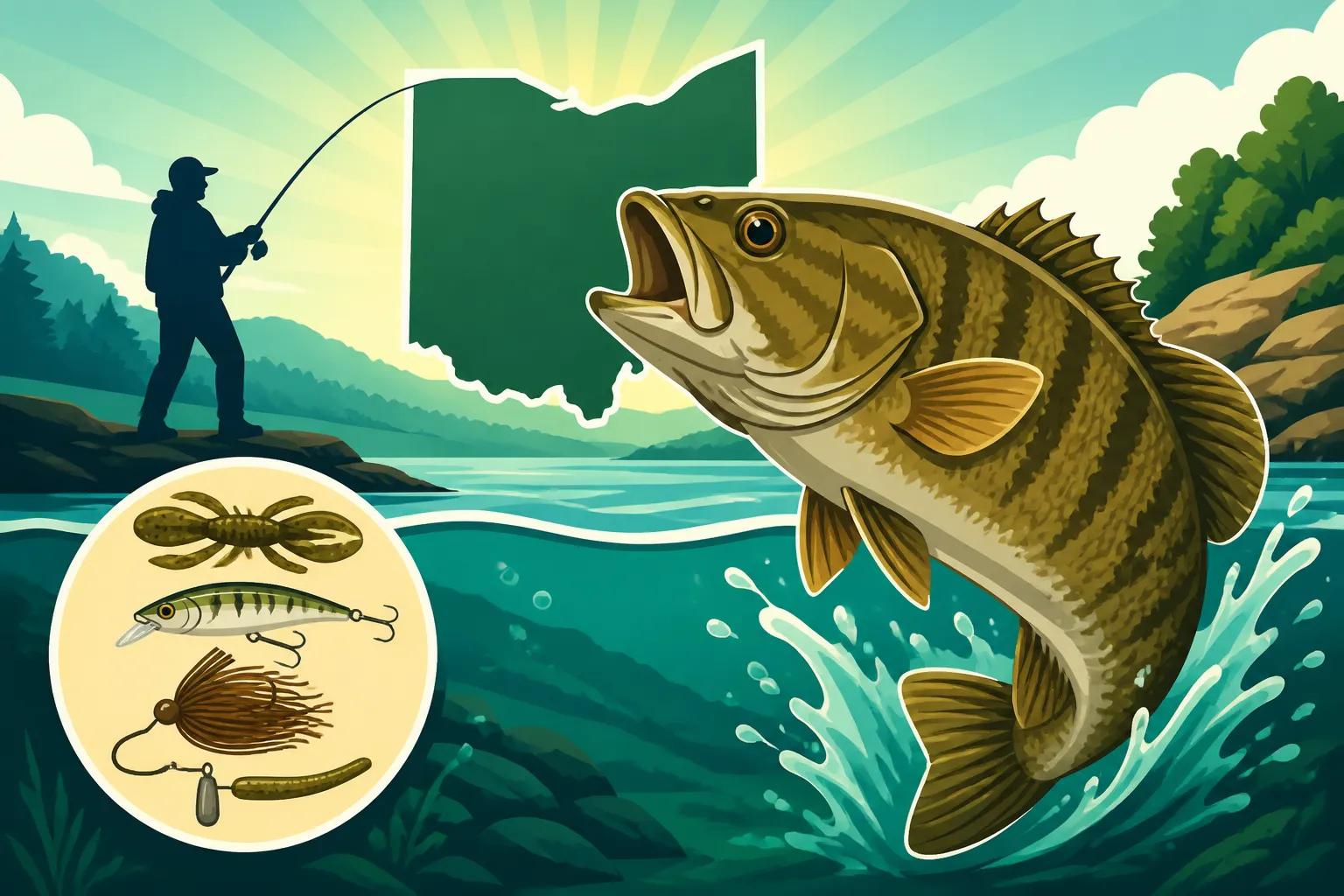
There's a special kind of thrill that comes from battling a smallmouth bass in Ohio's waters – their aggressive strikes and acrobatic leaps are truly something else. But let's be real, these feisty bronzebacks aren't always easy to pin down. If you've ever felt frustrated trying to consistently hook into these incredible fish, you're not alone. This comprehensive guide is here to equip you with the knowledge and techniques to effectively target and catch smallmouth bass across Ohio's diverse fishing landscapes.
Understanding Ohio Smallmouth Bass Behavior and Habitat
Before you even think about casting a line, getting inside the head of a smallmouth bass is crucial. These aren't just any fish; they're predators that thrive in specific environments and exhibit distinct behaviors based on the season. Understanding their preferred hangouts and what drives them will dramatically improve your chances of success.
Where to Find Smallmouth in Rivers and Lakes
Ohio offers a fantastic range of waters for smallmouth, from the rocky shores of Lake Erie to the flowing currents of our inland rivers. Each environment demands a slightly different approach, but the underlying principle remains the same: smallmouth love structure and current.
In rivers, think about fast-moving sections, particularly where the current creates seams, eddies, and pockets behind boulders, log jams, or bridge pilings. They'll often hold in these current breaks, waiting for food to drift by with minimal effort. Look for changes in the riverbed, like gravel flats transitioning to deeper rock piles, or areas where tributaries flow in. These "transition zones" are often hotbeds of activity. The Mad River, for instance, is famous for its smallmouth population, and focusing on these features is key. Deeper pools with rock bottoms or submerged timber also serve as excellent holding areas, especially when water temperatures are higher or lower than their comfort zone.
When it comes to lakes and reservoirs, smallmouth often gravitate towards deeper, clearer water with rocky bottoms. Unlike largemouth that prefer weeds and shallower cover, smallmouth are structure-oriented. This means focusing on points, humps, ledges, drop-offs, and rock reefs. Places like Lake Erie are renowned for their incredible smallmouth fishing, particularly in the clearer waters of the central and eastern basins, where they school up on vast rocky structures. Hoover Reservoir and Alum Creek Lake also hold impressive smallmouth, and finding those hard-bottomed areas is paramount. Often, the best spots aren't visible from the surface, requiring good electronics to locate. They'll use these features not just for ambush points but also for protection from predators and as migration routes between spawning and feeding grounds. For a deeper dive, check out our guide on Smallmouth Bass Habitat Preferences.
Seasonal Movements and Feeding Patterns
Smallmouth bass are incredibly dynamic throughout the year, their location and feeding habits dictated largely by water temperature and spawning cycles. It's not enough to know where they live; you need to know where they'll be when.
In early spring, as water temperatures creep into the upper 40s and 50s Fahrenheit, smallmouth begin to move from their deeper wintering holes towards shallower spawning grounds. They'll often be found near staging areas, like rocky points adjacent to deep water or hard-bottomed flats, where they can bask in the warmer sun. This pre-spawn period is when they feed aggressively to build energy for spawning, making them prime targets. After spawning, typically when water temperatures are in the mid-60s, they'll be a bit lethargic but will soon resume feeding, often guarding their nests or moving to slightly deeper, still accessible, ambush points.
Summer sees smallmouth move to deeper, cooler waters, especially in lakes and large reservoirs. They'll cling to those deep rock piles, ledges, and thermoclines where baitfish are abundant and temperatures are comfortable. River smallmouth will still be in current breaks but might seek out deeper pools during the heat of the day, becoming more active during dawn, dusk, or even at night. This is often when you'll find them schooling up. As fall approaches and water temperatures start to drop again, they embark on another aggressive feeding binge. This "fall bite" is fantastic as they gorge themselves in preparation for winter. They'll move shallower, often following baitfish that are doing the same, before eventually retreating to deep wintering grounds once the water gets consistently cold, usually below 40 degrees Fahrenheit. Understanding the nuances of these movements is key to consistent catches year-round. Our Ohio Smallmouth Bass Fishing Guide has even more detail on these patterns.
Essential Gear and Tackle for Smallmouth Success
Having the right tools for the job can make all the difference, especially when you're battling a hard-fighting smallmouth. You don't need to break the bank, but investing in quality gear tailored for these fish will pay off in sensitivity, casting distance, and landing more fish.
Rod, Reel, and Line Selection
Choosing the right rod, reel, and line combination is paramount for smallmouth fishing. You need sensitivity to feel subtle bites, backbone to set the hook, and enough power to control these acrobatic fighters.
For most smallmouth applications, a medium-light to medium power spinning rod, typically 6'6" to 7'2" in length, is an excellent all-around choice. The faster action tip allows for precise casting and good sensitivity, while the moderate backbone helps absorb those head shakes and jumps without pulling the hook. If you're throwing slightly heavier baits or fishing in very heavy current, a medium-heavy rod might be beneficial. Brands like St. Croix or Fenwick offer excellent options that strike a balance between sensitivity and durability. Pairing this with a good quality spinning reel in the 2000 to 3000 size range provides smooth retrieves and a reliable drag system, which is crucial when a smallmouth decides to make a run. Many anglers find great value in spinning combos from manufacturers like Daiwa or Shimano, and you can often find a wide selection of these on Amazon.
When it comes to line, a good starting point is 6-10 lb test fluorocarbon or braided line. Fluorocarbon offers excellent abrasion resistance, is nearly invisible underwater, and has very little stretch, giving you maximum feel for those light bites. It's fantastic for finesse techniques like drop shotting or Ned rigging. Braided line, typically 10-15 lb test, offers superior casting distance and incredible sensitivity due to its zero stretch. However, its visibility means many anglers will tie a 4-8 foot fluorocarbon leader to the end of their braid using a connection knot like an FG or Alberto knot. This gives you the best of both worlds: the casting and sensitivity of braid with the stealth and abrasion resistance of fluorocarbon. For more in-depth advice, our Choosing the Right Ohio Fishing Line article can help you decide.
Lure and Bait Recommendations
Smallmouth bass are opportunistic feeders, but they do have preferences, and certain lure types consistently outperform others. Your tackle box should have a good mix to cover various situations.
One of the most effective and versatile lures for smallmouth, especially when they're finicky, is the Ned Rig. This small jig head paired with a short, buoyant soft plastic bait (often a mushroom-shaped jig head with a Z-Man TRD) creates a stand-up presentation that mimics small forage. Its subtle action is incredibly effective, particularly in clear water or when the bite is tough. Learn more about How to Fish a Ned Rig for Ohio Smallmouth Bass. Another finesse powerhouse is the drop shot rig. This involves tying a hook directly to your main line (often with a Palomar knot) and then tying a weight to the tag end, allowing your soft plastic bait to suspend horizontally above the bottom. This is deadly for suspended smallmouth over deep structure and is perfect for working slowly. You can find excellent drop shot weights and hooks on Amazon.
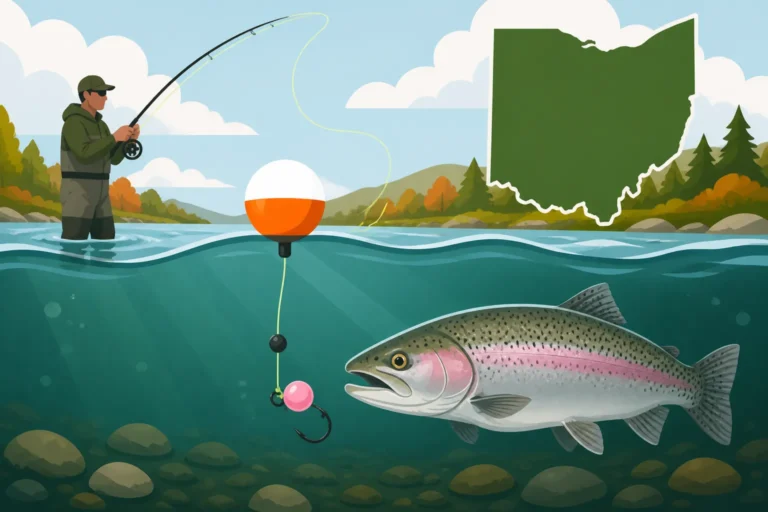
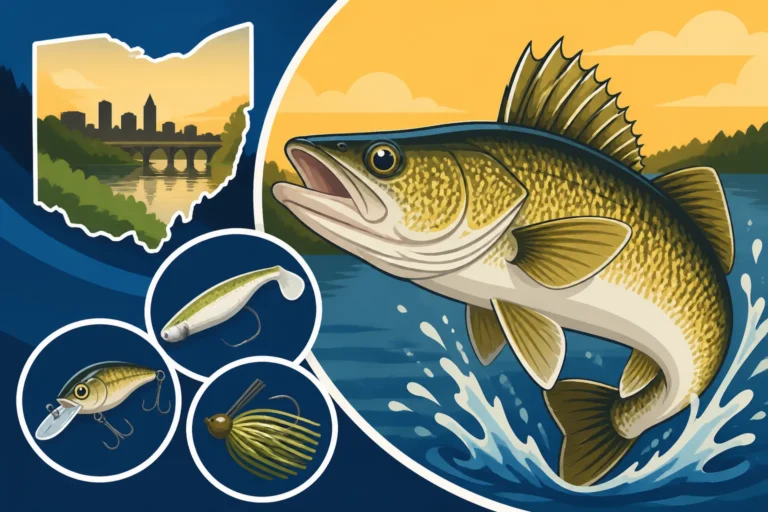
Beyond finesse, moving baits are crucial. Small crankbaits, particularly those that dive 5-15 feet and mimic shad or crawfish, are fantastic for covering water and triggering aggressive reaction strikes. Look for natural colors in clear water and brighter colors in stained conditions. Jerkbaits are another excellent choice, especially in cooler water, as their erratic darting action drives smallmouth crazy. For topwater action, small poppers, walking baits, or even prop baits can elicit explosive strikes during low light conditions or over shallow flats. Don't forget soft plastic swimbaits rigged on jig heads, spinnerbaits for covering large areas, and tube jigs which imitate crawfish and can be bounced along the bottom. Live bait, such as shiners, crawfish, or hellgrammites, can also be incredibly effective, especially in rivers, when rigged on a simple hook and split shot or under a bobber. Check out our comprehensive Best Lures for Ohio Fishing for even more ideas.
| Lure Type | Best Application | Ideal Season | Retrieval Style | Key Feature |
|---|---|---|---|---|
| Ned Rig | Finicky fish, clear water, subtle bite | All-season | Drag, hop, shake, dead stick | Stand-up presentation, buoyant plastic |
| Drop Shot Rig | Deep suspended fish, clear water | Summer, Fall | Subtle shakes, dead stick, slow lifts | Bait suspended above bottom, vertical presentation |
| Small Crankbaits | Covering water, active fish, reaction | Spring, Summer, Fall | Steady retrieve, stop-and-go, erratic changes | Dive depth, vibration, rattle |
| Jerkbaits | Cooler water, aggressive strikes | Spring, Fall | Twitch, pause, twitch, pause | Erratic darting, suspending or slow-rise |
| Tube Jigs | Crawfish imitation, rocky bottoms | All-season | Hop, drag, shake, drift with current | Mimics crawfish, good for current and structure |
| Topwater Poppers/Walkers | Low light, shallow water, active | Summer, early Fall | Pop, chug, walk-the-dog | Surface disturbance, visual strike |
Top Techniques for River Smallmouth Bass
River smallmouth fishing is a unique and incredibly rewarding experience. These fish are powerful, hard-fighting, and often found in pristine, scenic environments. However, the dynamics of current and varying bottom structures require specific techniques to master.
Mastering Wade Fishing and Current Seams
Wade fishing is arguably one of the most immersive and effective ways to target smallmouth bass in Ohio's rivers. It allows you to move silently and precisely, getting into spots that a boat might miss. The key to successful wade fishing is safety and reading the water. Always wear appropriate footwear with good grip, and consider a wading staff for stability, especially in strong currents or unfamiliar bottoms. Don't wade if the water is too high or fast; check USGS stream gauges before you go.
Once you're safely in the water, your primary focus should be on identifying current seams. These are the invisible lines where faster water meets slower water. Smallmouth position themselves in the slower water, just out of the main current, waiting for baitfish, crawfish, or insects to be swept past them. Look for these seams around boulders, fallen trees, bridge pilings, or sharp bends in the river. Cast your lure upstream of the seam and let the current carry it naturally into the strike zone. The goal is to present your bait as naturally as possible, mimicking an injured or disoriented piece of forage. This technique often works wonders on rivers like the Great Miami River or the Scioto River. Experiment with different angles and retrieve speeds, but generally, a slower presentation that allows the current to work the lure is best. Don't just cast blindly; envision how the current flows and where a smallmouth would logically hold.
Effective Lures and Presentations for Rivers
When fishing rivers for smallmouth, your lure choice and presentation need to account for the current and the typically clearer water conditions. You want baits that can be worked effectively with the flow, mimicking natural prey.
Tube jigs, often in greens, browns, or pumpkinseed colors, are absolute smallmouth magnets in rivers. Rig them on a jig head that’s heavy enough to get to the bottom but light enough to drift naturally with the current. Cast them upstream and allow them to bounce and tumble along the bottom, mimicking a crawfish scurrying for cover. Small grub-style soft plastics, like single-tail or double-tail grubs on a lead head, are also incredibly effective. They offer a subtle action that can be deadly when retrieved slowly or even dead-drifted. Another river staple is the inline spinner, such as a Mepps or Rooster Tail. These baits cast well, create flash and vibration, and can be retrieved steadily or jigged through current breaks. Sizes from 1/8 to 1/4 ounce are usually perfect.
When targeting aggressive fish, especially around faster current, small crankbaits with tight wiggles that dive 3-8 feet can be fantastic. Cast them across or slightly upstream of the current and retrieve them quickly enough to get their action, allowing the current to help them dart and dive. For an even more dynamic presentation, consider small topwater poppers or walking baits fished in eddies or slower stretches during low light. The explosive strikes from river smallmouth on topwater are truly unforgettable. Always be mindful of snags; rivers are notorious for them. Use a stout enough line to retrieve snagged lures when possible, and carry a good supply of your favorites. Remember, the smallmouth in rivers like the Little Miami River or the Stillwater River are often looking for an easy meal, so a well-presented lure that looks natural can be irresistible.
Proven Strategies for Lake and Reservoir Smallmouth
While river smallmouth offer exciting challenges, fishing for them in Ohio's larger lakes and reservoirs presents a different set of opportunities, often yielding larger fish. Here, the vastness of the water and the depth of structure require different tactics and often more advanced equipment.
Targeting Deep Structure and Drop-offs
In lakes and large reservoirs, smallmouth don't usually hang out in the same shallow, weedy areas as their largemouth cousins. Instead, they are drawn to deep, rocky structures that provide ambush points, cool water, and access to forage. Finding these spots is half the battle. This means utilizing your boat's electronics, particularly a good fish finder with side imaging and down imaging, to locate those invisible underwater highways and hideouts.
Start by looking for main lake points that extend far out into the water, deep humps that rise off the bottom, or sharp drop-offs and ledges. Smallmouth will relate to the deepest part of these structures, especially during the brighter parts of the day or in the summer heat. They often position themselves on the "top" of a hump, or on the down-current side of a point where baitfish will naturally congregate. Once you've identified potential structure on your sonar, mark it with a waypoint and then position your boat to make precise casts or presentations. Often, the fish will be tightly schooled. Popular baits for this include the drop shot rig, Ned rigs, or even vertical jigging with blade baits or spoons. These methods allow you to keep your lure in the strike zone for an extended period, which is crucial when targeting fish holding tight to deep cover. The key is patience and persistence; once you find a school, you can often catch several fish. Many anglers swear by fishing the deep rock piles on Lake Erie for trophy smallmouth.
Covering Water with Trolling and Casting
Given the expansive nature of lakes and reservoirs, effectively covering water is essential to locate scattered smallmouth bass, especially when they aren't tightly schooled on a specific piece of structure. Trolling and various casting techniques each have their place in your arsenal.
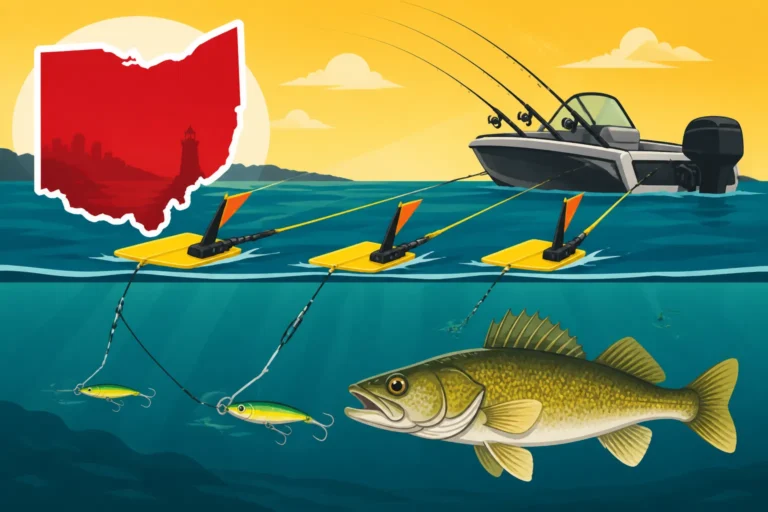
Trolling can be an incredibly efficient way to search for smallmouth over large areas, particularly in places like the deeper sections of Lake Erie. Using diving crankbaits that reach various depths, you can cover a lot of ground quickly, determining where the fish are holding in the water column. Experiment with different trolling speeds and lure colors. Once you get a strike, you can then focus more intently on that area, perhaps by slowing down, making repeated passes, or switching to casting techniques. Often, if one fish hits, there are more nearby.
When casting, focus on methods that allow you to work various depths and cover different types of structure. Lipless crankbaits are great for covering flats and submerged grass beds, retrieved with a yo-yo action or a steady pull. Jerkbaits are fantastic for working over points and humps, especially when fish are suspended, using a twitch-pause retrieve. For targeting visible cover like docks or fallen trees, skipping soft plastics (like senkos or tubes) under them can draw strikes from wary fish. For fishing deeper, football jigs with craw trailers are excellent for mimicking crawfish on rocky bottoms. Cast these jigs out, let them sink, and then slowly drag or hop them back to the boat, feeling for that subtle thump that signals a bite. Remember, smallmouth often hit on the fall or during the pause, so pay close attention to your line. These techniques are often effective on larger bodies of water like Lake St. Marys or Deer Creek Lake. For tips on battling bigger bass, consider our guide on Ohio Largemouth and Smallmouth Bass Limits.
Advanced Tips and Tricks for Tricky Conditions
Sometimes, smallmouth bass just don't want to cooperate. Whether it's a sudden weather change, crystal clear water, or simply a tough bite, certain conditions can make catching them a real challenge. But with a few advanced tips, you can often turn a slow day into a successful one.
Adjusting for Weather and Water Clarity
Ohio weather can be fickle, and smallmouth bass are highly reactive to changes in conditions. A clear, sunny day might demand a different approach than an overcast, rainy one.
On bright, sunny days with high skies, smallmouth tend to retreat to deeper water or seek shade under docks, overhanging trees, or within dense submerged cover. They become more wary, and stealth is paramount. This is when finesse techniques truly shine. Think about using light fluorocarbon line, small baits like Ned rigs or drop shots, and making long casts to avoid spooking them. Natural colors (green pumpkin, watermelon, brown) usually work best. Consider fishing deeper sections of reservoirs, or focusing on shady banks in rivers.
Conversely, on overcast days or during periods of rain, smallmouth often become more aggressive and move shallower. The reduced light penetration makes them feel more secure, and they'll actively hunt in areas they might avoid in bright sun. This is a great time to throw moving baits like crankbaits, spinnerbaits, or even topwater lures. The low light can also mask less natural colors, allowing you to experiment with brighter hues. Similarly, water clarity plays a huge role. In gin-clear water, use smaller baits, light line, and natural colors. In stained or slightly murky water, increased vibration (chatterbaits, larger crankbaits) and louder colors (chartreuse, orange) can help fish locate your bait. Always be prepared to adapt, keeping an eye on the forecast and the water conditions as you fish. Remember, our article on Reading Weather Patterns for Ohio Fishing can offer even more insight into how different conditions affect fish behavior.
Reading Electronics and Locating Schools
In larger bodies of water, particularly lakes and reservoirs, your boat's electronics are your best friend for locating smallmouth, especially when they are schooled up or holding to subtle structure. Learning to effectively read your fish finder is a skill that can take your smallmouth fishing to the next level.
Modern fish finders, with features like down imaging, side imaging, and high-definition 2D sonar, provide an incredible window into the underwater world. Don't just look for fish arches; learn to interpret the bottom composition. Harder bottoms (rock, gravel) will show up as thicker, brighter returns on your sonar screen, while softer bottoms (mud, silt) will appear thinner and less intense. Since smallmouth prefer rocky areas, these hard returns are where you should focus your efforts. Use side imaging to scan wide swaths of water and locate underwater points, humps, or rock piles that aren't directly beneath your boat. Once you identify a promising piece of structure, switch to 2D sonar or down imaging to pinpoint specific fish or schools.
When you see distinct arches or clusters of dots on your screen, those are often smallmouth. Pay attention to the depth at which they are holding. Are they on the bottom, or suspended just off it? This will dictate your lure choice and presentation depth. Mark these spots as waypoints on your GPS, allowing you to return to them precisely. Don't just idle over a spot once; make several passes from different directions to get a complete picture of the structure and fish activity. Remember, the fish don't always stay put, so be prepared to move and relocate them. A good understanding of your electronics, combined with knowledge of How to Read a Fish Finder for Suspended Walleye (which often applies to other species too), will significantly improve your ability to find and catch smallmouth bass.
Catch and Release Best Practices for Smallmouth
Smallmouth bass are a precious resource in Ohio, and practicing proper catch and release ensures healthy populations for future generations of anglers. It's about respecting the fish and the sport.
Proper Handling and Revival Techniques
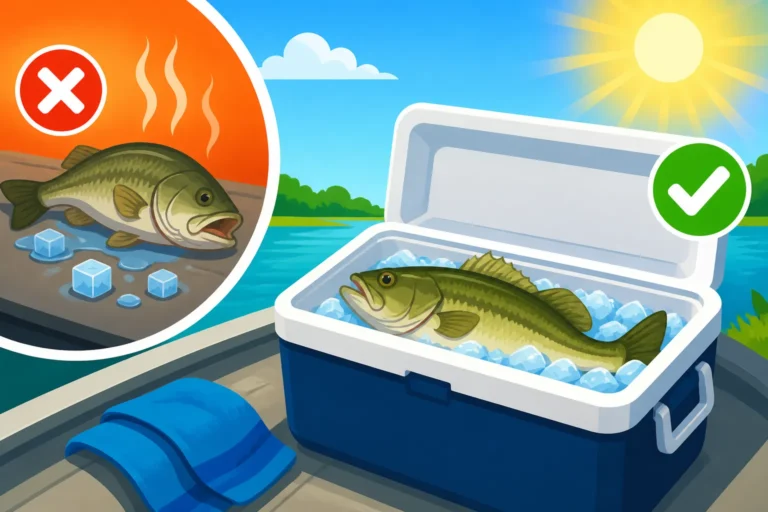
Once you've successfully landed a smallmouth bass, proper handling is crucial to minimize stress and maximize its chances of survival after release. Avoid dragging the fish on the ground or boat deck, as this can remove their protective slime coat and cause injury.
Whenever possible, try to keep the fish in the water, especially if you're fishing from a boat. If you need to bring it aboard for a quick picture or hook removal, use a net with rubberized, knotless mesh. This type of net is much gentler on the fish's fins and slime coat than traditional nylon nets. Hold the fish horizontally, supporting its entire body, particularly its belly. Avoid holding it vertically by the jaw alone, as this can damage its jaw and internal organs, especially with larger fish. Always wet your hands before touching the fish to protect its slime coat.
When removing the hook, do so quickly and carefully. If the fish is deeply hooked, especially in the gills, it's often best to cut the line as close to the hook as possible rather than trying to rip it out. Barb-less hooks or hooks with crimped barbs can also make removal much easier. Once the hook is out, place the fish gently back into the water, head-first. If it's lethargic or seems stunned, hold it upright in the water, facing into the current (if in a river) or gently moving it back and forth to force water over its gills. This helps revive it by oxygenating its blood. Only release the fish when it can swim away under its own power. Sometimes, a fish might need a few minutes of revival before it's ready to go.
Minimizing Stress and Ensuring Survival
Beyond proper handling, there are several other steps you can take to minimize stress on smallmouth bass and increase their survival rates, contributing to a thriving fishery.
One of the most significant stressors for fish is the amount of time they spend out of the water. Aim for quick pictures and immediate release. A good rule of thumb is to have your camera ready before you even net the fish, so you can snap a shot and get it back in the water within seconds. Also, be mindful of water temperature. Smallmouth bass are more susceptible to stress and mortality in warmer water. If you're fishing in the peak of summer when water temperatures are high, consider shortening your fighting time, being extra quick with handling, and possibly avoiding fishing during the hottest parts of the day.
When practicing catch and release, consider upgrading your tackle slightly to land fish more quickly, especially if you're targeting larger specimens. A longer, stronger rod can help you subdue a feisty smallmouth faster, reducing the length of the fight and the fish's exhaustion. Using appropriate line strength also helps; don't try to land a five-pound smallmouth on ultralight tackle if you intend to release it quickly. Finally, consider using artificial lures exclusively if you're solely focused on catch and release, as fish tend to be less deeply hooked on artificials compared to live bait. By being thoughtful and deliberate in your actions, you play a vital role in maintaining the excellent smallmouth bass fishing Ohio offers.
Disclaimer
Fishing conditions and regulations in Ohio can change. Always consult the latest Ohio Department of Natural Resources (ODNR) fishing regulations before heading out. This guide is for informational purposes only and does not constitute legal advice.