Best Way to Drift Fish a River for Steelhead
Drift fishing for steelhead in Ohio's rivers is one of those angling pursuits that can be incredibly rewarding, but it often feels like you're trying to solve a puzzle with a thousand pieces. Many anglers get out there, cast their line, and just don't feel that satisfying tug, leading to a lot of frustration and questions about technique. This comprehensive guide is designed to cut through that confusion, showing you exactly how to approach drift fishing for steelhead, from understanding their behavior to perfecting your presentation in the varied conditions of Ohio's beautiful steelhead alley tributaries.
Understanding the Basics of Drift Fishing for Steelhead
Before we even talk about rods and reels, let's get down to the "why" of drift fishing. Steelhead, those magnificent migratory rainbow trout, behave differently than many other fish you might target. They're often holding in specific current lanes, patiently waiting for food to come to them. Drift fishing is all about mimicking that natural food presentation, making your bait or lure look irresistible as it tumbles along with the current. It's a subtle art, but once you grasp the fundamentals, it unlocks a whole new world of success on the water.
What Exactly is Drift Fishing?
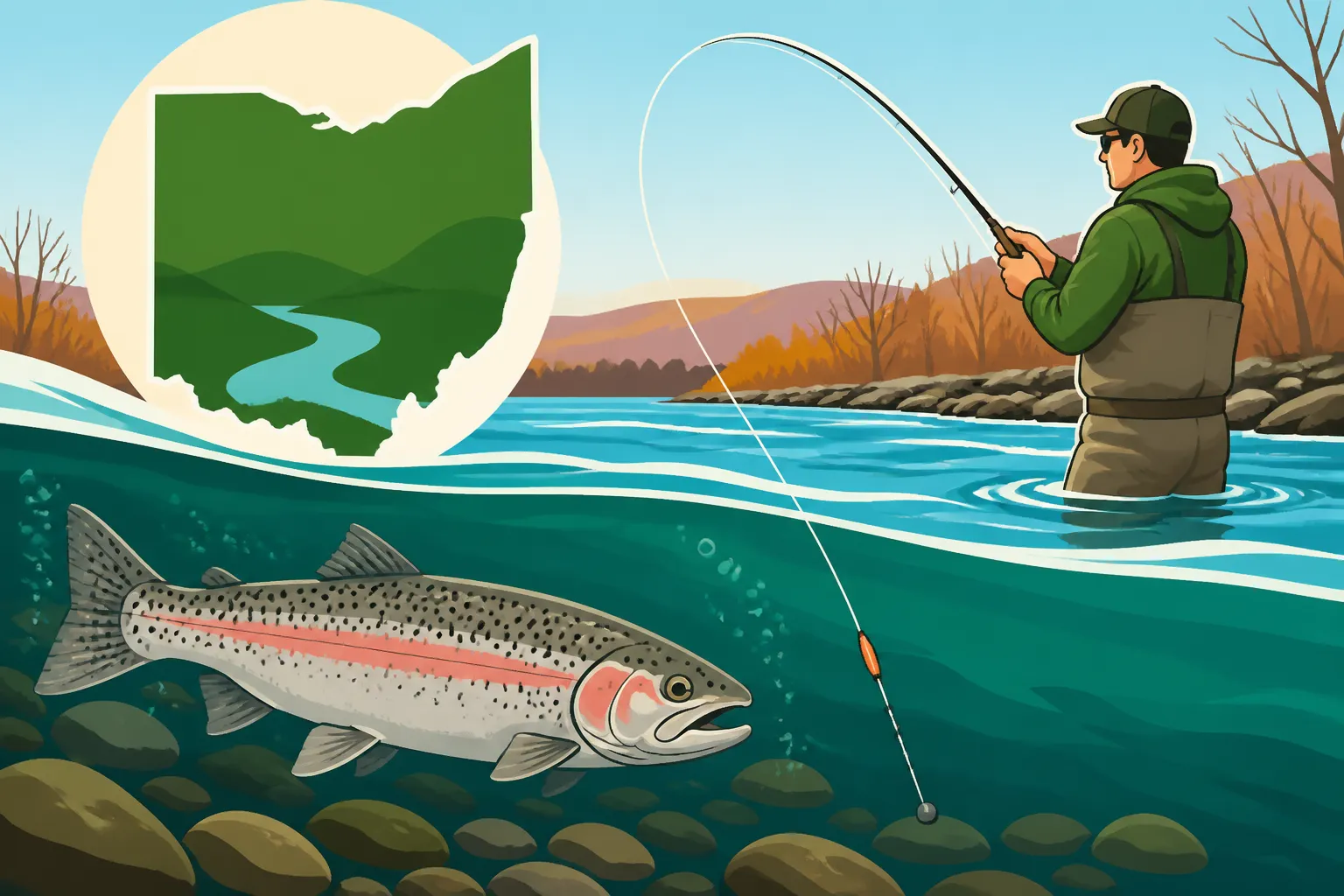
At its core, drift fishing for steelhead is about presenting a bait or lure in a free, natural manner, allowing it to move downstream with the current just as a natural food item would. Unlike casting and retrieving a spinner, or holding a still bait in a particular spot, drift fishing involves using a float (bobber) or simply enough weight to get your offering down to the fish's level, then letting the river do the work of carrying it through prime holding water. The goal is to keep your bait at the same speed as the current, creating a "drag-free drift" that looks utterly natural to a wary steelhead. This method is incredibly effective because it covers a lot of water naturally and keeps your offering in the strike zone for longer.
Think about a small insect larva or a fish egg that breaks loose from the bottom. It doesn't swim upstream, and it doesn't stay in one spot. It tumbles and drifts downstream, at the mercy of the current. Our job as drift anglers is to make our hook and bait replicate that exact motion, without any tell-tale resistance from our line or float. This natural presentation is key to tricking a steelhead into thinking your offering is an easy, calorie-rich meal floating by.
Why Drift Fishing Works So Well for Steelhead
Steelhead are opportunistic feeders, especially when they enter rivers from Lake Erie. While they are primarily in the rivers to spawn, they will readily strike at food if it’s presented correctly and with minimal effort on their part. Their diet in the rivers often consists of dislodged insect larvae, worms, various fish eggs (including their own or those of other spawning fish), and even small baitfish. All of these items are typically carried downstream by the current.
Drift fishing capitalizes on this natural feeding behavior. By presenting your bait or lure at the appropriate depth and speed, you're placing it right in their feeding lane, often right on their nose. A perfectly executed drift minimizes suspicion. If your bait drags through the water faster or slower than the current, it creates an unnatural motion that can immediately spook these notoriously finicky fish. Conversely, a perfect, drag-free drift is almost impossible for a hungry steelhead to ignore. It looks like an effortless meal, and they'll often inhale it without hesitation. This method also allows you to systematically cover prime holding water, ensuring you present your offering to as many fish as possible. Many anglers find success using this method on rivers like the Rocky River for Steelhead fishing.
Key Gear for Drift Fishing Steelhead
Having the right equipment is absolutely crucial for successful drift fishing. You don't need the most expensive gear on the market, but you do need components that are well-suited for the task.
- Rods: Look for a longer, sensitive rod, typically 9 to 11 feet in length, with a medium-light or medium action. The extra length helps you manage your line, keep it off the water, and achieve those critical drag-free drifts. It also provides excellent shock absorption for fighting powerful steelhead and cushions light lines. A good quality graphite rod offers the sensitivity needed to detect subtle strikes.
- Reels: A spinning reel in the 2500-3000 size range is a solid choice. It should have a smooth drag system, which is paramount when battling a hot steelhead on light line. A good retrieve ratio is also helpful for quickly taking up slack.
- Line: This is where many anglers make mistakes. Most successful drift fishermen use a main line of 8-10 pound test monofilament or braided line. If using braid, a monofilament or fluorocarbon leader is essential. For the leader, 4-8 pound test fluorocarbon is often preferred due to its low visibility in clear water and its abrasion resistance. Fluorocarbon sinks slightly, which can also help keep your bait down. You can often find a great selection of these specialized lines on Amazon, making it easy to stock up before your trip.
- Floats (Indicators): Also known as bobbers, these are critical for suspending your bait at the correct depth and detecting strikes. Choose sensitive floats designed for river fishing, such as slip floats or fixed floats with a long stem. They need to be buoyant enough to support your weight and bait, but not so large that they create excessive drag.
- Weights: Split shots or small lead/tungsten disc weights are used to get your bait down to the fish. The key is to use just enough weight to reach the bottom quickly without hindering the natural drift. A "slinky" weight system, where small weights are encased in paracord, is popular in snaggy rivers.
- Hooks: Light wire, sharp hooks are a must. Sizes typically range from #6 to #12, depending on the bait. Barbless hooks are often preferred or required in some Ohio rivers to minimize harm to fish if you're practicing catch and release.
Essential Techniques for Effective River Drifting
Now that you've got the gear, let's talk about putting it all together and making it sing on the water. This isn't just about casting; it's about the entire process, from setting up your rig to understanding where the fish are hiding and how to present your bait without giving away your presence.
Rigging Your Setup: The Right Components
Setting up your drift rig correctly is perhaps the most critical step. A poorly rigged setup will constantly snag, drift unnaturally, or fail to detect strikes.
- Main Line: Start by spooling your main line onto your spinning reel. If you're using braided line, tie a short section of monofilament backing on first before spooling the braid completely; this prevents slippage on the arbor.
- Leader Connection: If using braid for your main line, tie a 3-6 foot section of fluorocarbon leader (4-8 lb test) to your main line. A double uni knot or an Albright knot are popular, strong choices for connecting different line types. Ensure your knots are strong and cinched down properly.
- Float/Indicator: If using a slip float, thread your main line through the float. Then tie on a bobber stop above the float. This allows you to adjust your fishing depth easily. For fixed floats, attach it to your line at the desired depth.
- Weights: Attach your split shot or other weights above your swivel. The amount and distribution of weight depend on the current speed and depth. A common strategy is to "shotgun" your weights, placing smaller pieces of split shot at increasing intervals further from the hook. For example, a few small weights 12-18 inches above the hook, then a slightly larger weight another 12-18 inches up, and so on. This helps the rig sink naturally and minimizes snags. For particularly snaggy bottoms, a small barrel swivel with a short dropper line (lighter than your main leader) can be used to attach a single, heavier weight, which breaks off more easily if snagged, saving your main rig. Remember, you want just enough weight to tick the bottom occasionally without dragging.
- Swivel and Leader to Hook: Tie a small barrel swivel to the end of your leader. Then, tie another 12-24 inch section of fluorocarbon leader (same pound test or slightly lighter than your main leader) from the swivel to your hook. This second, shorter leader section is often called a tippet. Some anglers prefer to tie their hook directly to the main leader without a swivel if they are fishing very clear water or want to eliminate potential snag points.
- Hook: Finally, tie your chosen hook to the end of the tippet with a strong knot like a Palomar or improved clinch. This setup ensures your bait is presented subtly.
Reading the Water: Where Steelhead Hold
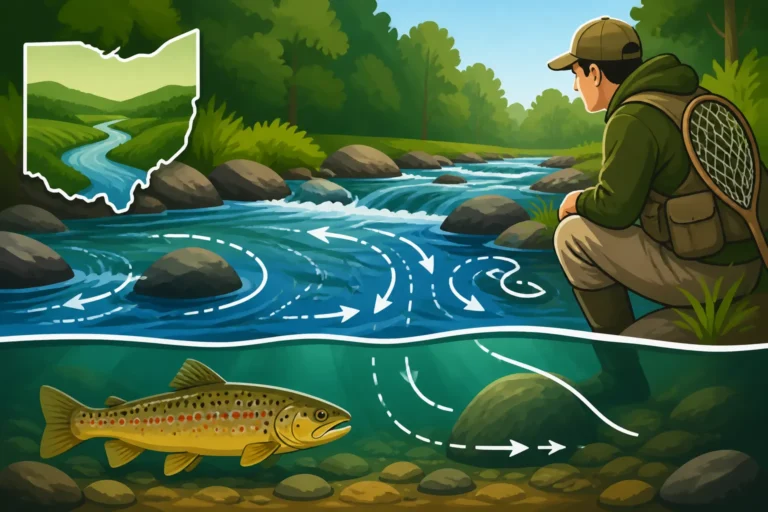
Steelhead are masters of energy conservation. They'll position themselves in spots where food funnels to them, but where they don't have to fight the strongest currents. Learning to "read the water" is an acquired skill that comes with experience, but here are some key areas to target:
- Current Seams: Look for areas where fast water meets slow water. These "seams" are prime holding spots because baitfish and other food items get swept along the faster current and then eddy into the slower water, creating a natural feeding lane. Steelhead will often sit just inside the slower water, facing upstream, ready to dart out for a meal.
- Riffles and Runs: Riffles are shallow, fast-moving sections of the river, often followed by deeper runs. Steelhead will often hold in the transition areas, especially at the tail end of a riffle or the head of a deeper run where the current slows down slightly but still delivers food.
- Pools and Deeper Runs: These are obvious holding spots, especially during colder weather or when fish are less active. Steelhead will congregate in deeper, slower water, often near the bottom. Look for any changes in depth within these pools.
- Structure: Any natural or man-made structure that breaks the current provides excellent cover and holding lies. This includes fallen trees (log jams), large boulders, bridge pilings, and undercut banks. Fish will tuck in behind these structures, out of the main current, waiting for food. The Ohio River Fishing Guide has some great examples of how current breaks and structure concentrate fish, which applies to steelhead rivers too.
- Confluences: Where two streams or rivers meet, you'll often find a mixing of currents and a concentration of food, making these excellent spots to target.
The Perfect Drift: Casting and Presentation
Achieving a "perfect drift" is the holy grail of drift fishing. It means your bait is moving at the exact same speed as the current, without any drag from your line or float.
- Positioning: Position yourself slightly upstream and across from the water you intend to fish. This allows you to cast upstream and drift your bait down through the prime strike zone.
- The Cast: Make an upstream cast, slightly across the current. The goal is to land your float and bait gently, minimizing splash, allowing your weights to sink quickly to the desired depth.
- Mending Your Line: As soon as your line hits the water, you'll often need to "mend" your line. This involves quickly lifting your rod tip and flipping any slack line that is dragging in the faster surface current upstream. This creates a bow in your line that matches the current speed, preventing your float from being pulled unnaturally fast. It’s crucial to keep as much of your line as possible off the water to avoid drag.
- Following the Drift: Keep your rod tip high and follow your float downstream with the tip, maintaining a subtle bend in your line. This allows you to stay in direct contact with your bait and quickly react to strikes. Avoid letting too much slack out, as this makes strike detection difficult.
- Strike Detection: This is often the trickiest part. A steelhead strike can be anything from a violent plunge of your float to a very subtle dip or hesitation. Sometimes, the float might just stop or slowly sink. Any unnatural movement of your float warrants a hook set.
- The Hook Set: When you detect a strike, set the hook with a quick, upward sweep of your rod. Don't yank violently, as this can snap your line or pull the hook. A firm, deliberate sweep is usually all it takes. Once you've hooked a fish, be prepared for an exhilarating fight! Knowing How to Set the Hook on a Soft-Biting Walleye can also translate to steelhead, as they can be equally finicky.
Baits and Lures That Entice Ohio Steelhead
While the presentation is paramount, having the right offering on the end of your line is equally important. Steelhead can be picky, and what works one day might not work the next. It's always wise to carry a variety of options and be prepared to switch things up.
Natural Baits: The Tried and True
When it comes to tempting a steelhead with a drift rig, sometimes nothing beats a natural presentation. These are baits that truly mimic what steelhead feed on naturally in their river environment.
- Roe Bags (Skein): These are perhaps the most iconic and consistently effective steelhead baits. Roe bags are small mesh sacks filled with salmon or trout eggs. The scent trail they emit is incredibly potent, and the eggs themselves are a natural food source, especially during spawning seasons. You can buy pre-tied roe bags or learn to tie your own with fresh or cured eggs. Varying the color of the mesh (pink, orange, chartreuse) can sometimes make a difference.
- Worms: Good old nightcrawlers or smaller garden worms can be deadly, especially after a rain when worms are washed into the river. Thread them on a small hook, allowing the ends to wiggle freely. The natural scent and action are very appealing.
- Maggots/Mealworms: These small baits are particularly effective in clear, low-water conditions when steelhead are extra wary. They are often fished in small clusters on a tiny hook and offer a subtle, natural presentation that's hard to resist.
- Minnows: Small live or dead minnows, particularly emerald shiners or fathead minnows, can be very effective, especially for larger, more aggressive steelhead. Rig them through the lips or back for a natural drift. Be sure to check local regulations on baitfish use.
Artificial Baits and Lures: Expanding Your Arsenal
Sometimes, artificial baits can outperform natural ones, especially if the fish are accustomed to seeing a lot of natural offerings or if you want to cover more water with a durable bait.
- Drift Beads: These small, colorful plastic or glass beads are designed to mimic fish eggs. They are threaded onto your leader a few inches above the hook, which is left bare or tipped with a small piece of worm. The idea is that the steelhead sees the "egg" (the bead) and takes the whole setup, including the hook. Colors like natural orange, peach, pink, and chartreuse are popular. The specific size and color can make a huge difference, so carry a variety.
- Jigs: Small marabou jigs, often called "steelhead jigs," are another excellent choice. These typically weigh 1/32 to 1/8 ounce and come in various colors like white, black, pink, or chartreuse. They can be fished alone or tipped with a maggot or piece of worm for added scent and appeal. The pulsating action of the marabou in the current is incredibly enticing.
- Small Spoons/Spinners: While not strictly drift fishing in the purest sense, small spoons and spinners can be drifted in slower currents or swung through runs. They offer flash and vibration, which can trigger aggressive strikes. Brands like Little Cleo or Rooster Tail are popular, and you can find a huge variety of options, many of which are easily ordered from Amazon for convenience before your next trip.
- Soft Plastics: Small soft plastic baits, often grub or worm imitations, can also be effective. They can be threaded onto a jig head or a bare hook and drifted. Their versatility and durability make them a good option, especially if you're getting short strikes on natural baits.
Adjusting to Conditions: Bait Selection
The best bait isn't a constant; it changes with the conditions of the river. Being able to adapt your bait selection to the water clarity, temperature, and fish activity level is a hallmark of a successful steelhead angler.
- Clear Water, Low Flow: In these conditions, steelhead are typically more wary and can easily spot unnatural presentations. Opt for smaller, more natural-looking baits. Tiny roe bags, single beads, maggots, or very small jigs in subtle colors (e.g., natural peach, white, black) are often best. Use lighter leader material, like 4-pound fluorocarbon, to maximize stealth. The fish are more likely to be holding in deeper, slower pools.
- Stained Water, Moderate Flow: When the water has a bit of color, fish rely more on scent and vibration. This is a great time to use larger, scent-heavy baits like roe bags or worms. Brighter colors (chartreuse, hot pink, orange) can also become more effective as they offer better visibility in the murkier water. Jigs with a strong profile can also work well.
- High Water, Fast Flow: In these challenging conditions, steelhead often move to the softer water near the banks or into eddies to escape the heavy current. Larger, heavier baits that can get down quickly and stay in the strike zone are needed. Roe bags or larger worms are good choices. Don't be afraid to use slightly heavier weights to ensure your bait is reaching the fish.
- Cold Water: In winter, fish are generally less aggressive and slower to react. Scent becomes even more critical. Roe bags and worms presented slowly and deliberately are often the most productive. Focus on deeper, slower pools where fish conserve energy.
- Warm Water (Early Spring/Late Fall): When water temperatures are more favorable, steelhead can be more active and willing to chase. This is when aggressive presentations with brighter colored jigs, small spoons, or even swung streamers (if fly fishing) can be effective.
By understanding how to rig your setup, read the river, and choose the right bait for the conditions, you'll be well on your way to mastering the art of drift fishing for Ohio steelhead. It takes practice, patience, and a willingness to learn from every drift, but the reward of a powerful steelhead on the end of your line is absolutely worth it. If you're looking for more general information on Ohio Steelhead Fishing Techniques, you'll find plenty of overlap with these drift fishing principles. Also, understanding the Best Time of Year to Fish Lake Erie for Walleye can give you an idea of when other species might be active and influencing bait availability in the tributaries.
Disclaimer
This article is for general informational purposes only and does not constitute professional advice. Laws, prices and regulations vary by location and change over time. Consult a qualified professional for guidance on your specific situation.