Best Time of Day for Topwater Bass Fishing in Ohio
There's nothing quite like the explosive strike of a bass on a topwater lure, but if you've ever spent hours casting without so much as a ripple, you know the frustration. Timing is everything, and catching that perfect topwater bite in Ohio can feel like hitting a moving target. This guide will reveal the best times of day to maximize your topwater success and turn those missed opportunities into unforgettable strikes, especially for those pursuing feisty largemouth and smallmouth bass across our diverse Ohio waterways.
Understanding the Prime Time for Topwater Bass
Topwater fishing is inherently exciting because it involves visual strikes. However, bass aren't always looking up. Their willingness to chase a lure on the surface is heavily influenced by light conditions, water temperature, and their feeding patterns. Knowing these factors is key to determining when to cast those poppers, walkers, and frogs.
The Magic Hours: Dawn and Dusk
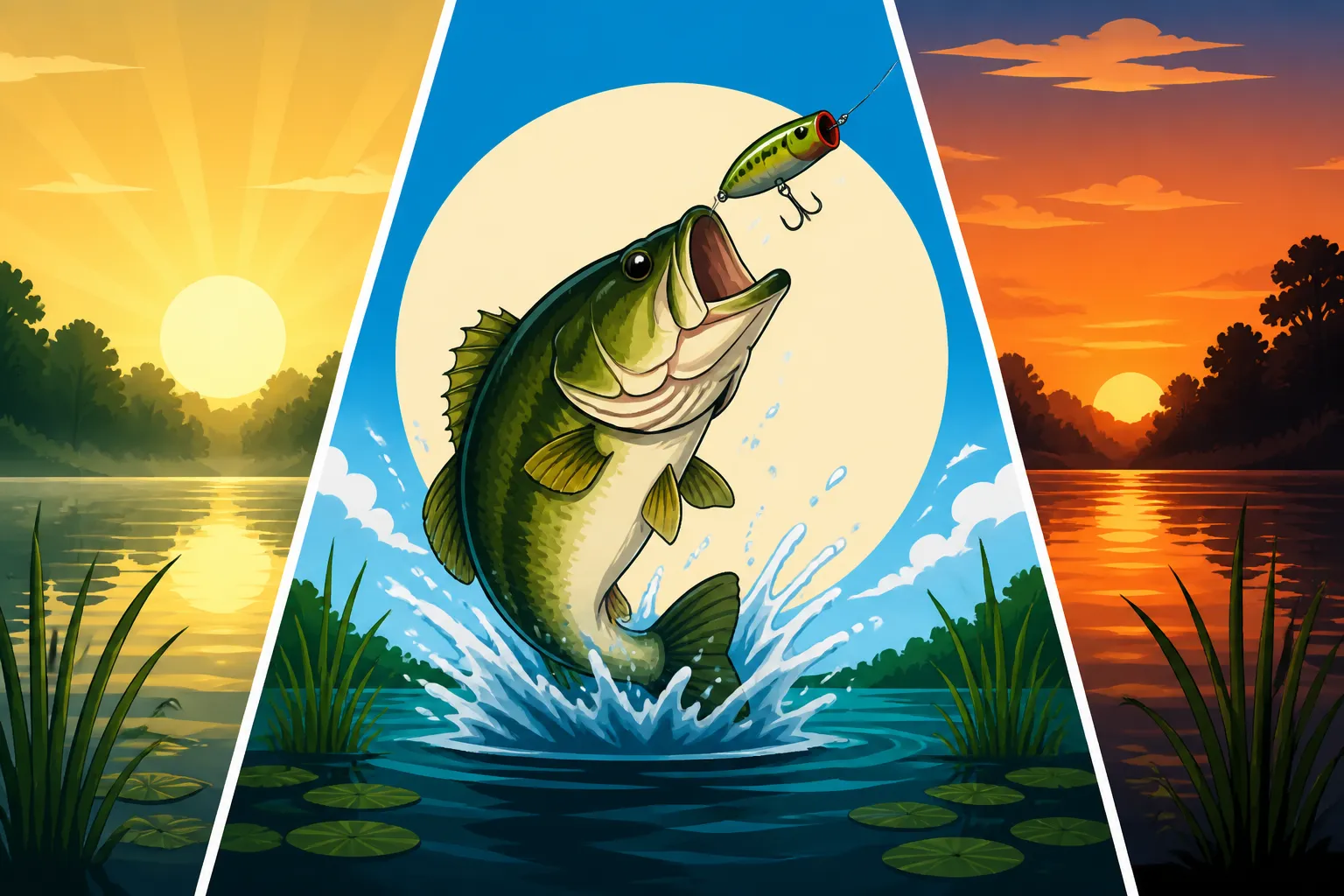
Hands down, the absolute best times for topwater bass fishing in Ohio are during the low-light periods of dawn and dusk. This isn't just an old angler's tale; there's real science and bass behavior behind it. As the sun begins to rise or set, the intensity of the light hitting the water decreases. Bass, particularly the larger ones, are often more comfortable venturing into shallower water or more open areas during these times. They feel less exposed to predators from above (like eagles or ospreys) and can ambush prey more effectively without the blinding glare of direct sunlight.
During dawn, the water temperatures are often at their coolest after the night, which can invigorate bass and get them actively feeding before the day heats up. They're looking for an easy meal, and a struggling baitfish imitation on the surface can be irresistible. Similarly, at dusk, as the sun dips, the water might still hold some residual warmth from the day, but the rapidly decreasing light triggers another feeding window. Baitfish also become more active, often schooling near the surface, which draws the bass up with them. This is when you'll often see those heart-stopping blow-ups as a bass explodes on your lure, making these periods ideal for employing various Best Ohio Bass Fishing Techniques.
Overcast Skies and Active Feeding
While dawn and dusk are king, don't write off topwater action if the sun is high in the sky, provided there's good cloud cover. Overcast days, especially those with a light drizzle or impending storm front, can extend the prime topwater bite throughout the day. The clouds act like a giant diffuser, softening the light and mimicking the low-light conditions of morning and evening.
Bass remain more comfortable and active in these conditions, cruising shallower flats or around cover without feeling the need to retreat to deeper, darker waters. The reduced visibility also makes your topwater lure less discernible, often leading to more aggressive, less hesitant strikes. A slight ripple on the water's surface from a gentle breeze or light rain further breaks up the surface tension and helps conceal your retrieve, adding to the illusion of a struggling baitfish or insect. Many anglers who swear by topwater action will tell you that a completely grey, cloudy day, especially after a warm night, is an excellent time to keep that buzzbait or frog tied on.
Night Fishing for Topwater Thrills
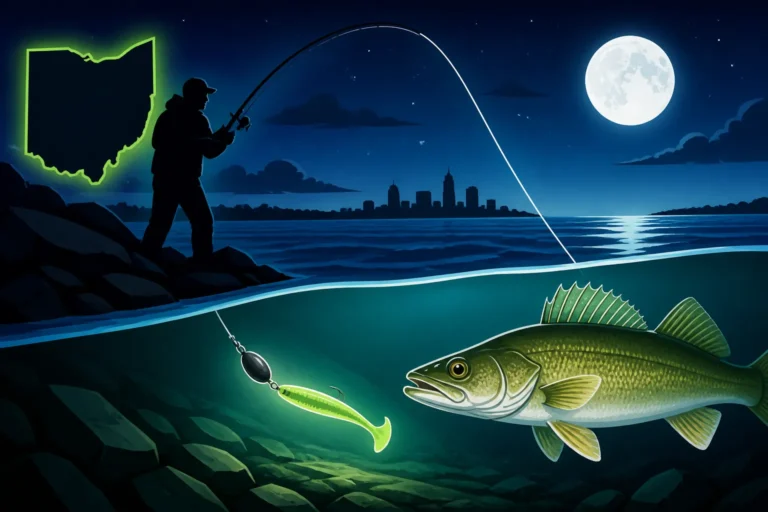
For the truly dedicated, or those who find themselves with limited daylight hours, night fishing for topwater bass in Ohio can be incredibly productive and exhilarating. When darkness falls, bass become apex predators, relying on their lateral line system and keen sense of hearing to detect prey. The surface can come alive under the cover of night, especially during the warmer summer months when bass are more prone to seeking cooler surface temperatures after sundown.
Focus on areas where bass might ambush prey, such as along weed lines, lily pad fields, boat docks, or submerged timber. Dark-colored lures, like a black buzzbait or Jitterbug, create a strong silhouette against the minimal light, making them easier for bass to track. The distinct gurgle or plopping sound of these lures is often the only thing a bass needs to key in on. This can be a fantastic way to target larger, more cautious bass that rarely expose themselves during daylight. Always use caution when night fishing, and ensure you have proper lighting for safety. You can find essential night fishing accessories, including headlamps and glow sticks, easily on Amazon.
Environmental Factors Influencing Topwater Bites
Beyond the time of day, several environmental elements play a critical role in whether bass will commit to a surface strike. Understanding these nuances can significantly improve your success rates.
Water Temperature and Oxygen Levels
Water temperature is paramount for bass activity. Generally, topwater action truly heats up when water temperatures are comfortably in the 60s to high 70s Fahrenheit (around 15-25°C). In Ohio, this typically means late spring, summer, and early fall. When the water is too cold (below 50s F), bass are sluggish and prefer deeper, more stable temperatures. When the water gets too hot (into the 80s F), oxygen levels at the surface can drop, especially in stagnant areas. Bass will then often move to deeper, cooler water with more oxygen, making a topwater strike less likely.
However, even in hot summer, early mornings and late evenings offer a reprieve when surface temperatures cool slightly, allowing bass to rise and feed. Think about those glassy, humid summer mornings on your favorite Ohio lake; those are prime conditions! Knowing the Best Summer Fishing Techniques in Ohio often involves understanding these temperature shifts. If you're fishing a heavily vegetated pond, the plants can produce oxygen during the day but consume it at night, so understanding the overall oxygen dynamics in your specific fishing spot is crucial.
Wind and Water Clarity Considerations
Wind can be both a friend and a foe to topwater anglers. A light chop on the water's surface from a gentle breeze is often beneficial. It breaks up the surface tension, making your lure appear more natural and harder for the bass to scrutinize. The ripple also disperses your cast's splash, helping to disguise your presence. This kind of chop can also concentrate baitfish, leading to more active bass.
However, a strong, sustained wind can be detrimental. It makes casting accurate topwater lures difficult, creates too much surface disturbance, and can push bass deeper or to the calmer, leeward side of structures. In these conditions, topwater might not be your best bet, and you might switch to a subsurface presentation.
Water clarity also matters. In extremely clear water, bass can get a very good look at your lure, and they might be pickier or more hesitant to strike if it doesn't look absolutely perfect. In slightly stained or murky water, your lure's silhouette and commotion on the surface become more important, and bass are often less finicky. Think about the fishing on Lake Erie Walleye Yellow Perch Zone Limits vs. a smaller, clearer inland lake – conditions can be vastly different.
Reading Barometric Pressure Changes
Barometric pressure, often overlooked by beginner anglers, can significantly impact bass behavior. A stable or slowly falling barometer often signifies a good fishing period, including for topwater. This indicates stable or improving weather, and fish tend to be more active and willing to feed.
A rapidly falling barometer, however, often precedes a major storm front. While a short pre-front feeding frenzy can occur, bass often become lethargic and less willing to chase a surface lure as the pressure drops sharply. They might hunker down to wait out the turbulent weather. Conversely, a rapidly rising barometer after a cold front often means tough fishing. The post-front blues can last for a day or two, as bass adjust to the high, stable pressure and clear skies, often staying deep and inactive. Paying attention to these subtle changes, as detailed in guides like Reading Weather Patterns for Ohio Fishing, can really fine-tune your approach.
Optimizing Your Topwater Gear and Techniques
Once you've nailed down the best times and conditions, having the right gear and knowing how to use it is the final piece of the puzzle for consistent topwater success.
Picking the Right Topwater Lure
The world of topwater lures is vast, but for Ohio bass, a few categories consistently shine. Understanding when to use each can make all the difference.
- Poppers: These lures have a cupped face that creates a "pop" or "chug" sound when retrieved. They're fantastic for drawing strikes from bass hiding in cover or for highly active fish. They're excellent for targeting fish around docks, lily pads, and submerged timber. The Rapala Skitter Pop is a classic example.
- Walking Baits (Walk-the-Dog): Lures like the Heddon Super Spook or Zara Spook glide side-to-side across the surface with a twitch-pause retrieve. They mimic a wounded baitfish and are incredibly effective in open water, along weed lines, or over submerged structures. Their seductive sashay can tempt even wary bass.
- Buzzbaits: These lures feature a propeller blade that churns water and creates a distinct gurgling sound and commotion on the surface. They're best for covering a lot of water quickly and excel in low-light conditions, especially at dawn and dusk. They can be incredibly effective around heavy cover like fallen trees or thick vegetation.
- Topwater Frogs: Designed to be fished in the heaviest slop – lily pads, thick mats of vegetation, and dense grass – hollow-bodied frogs are practically weedless. They mimic a frog or a mouse struggling on the surface. The Snag Proof Frog is a well-known brand that performs excellently in these conditions, making them ideal when fishing in areas like the dense vegetation found in some Best Ohio Lakes for Bass Fishing.
A table can help visualize these options:
| Lure Type | Best Time of Day | Ideal Conditions | Retrieve Style | Common Target Areas |
|---|---|---|---|---|
| Popper | Dawn, Dusk, Overcast | Calm to light chop, around cover | Pop-pause, twitch-twitch-pause | Docks, laydowns, lily pads, gaps in weeds |
| Walking Bait | Dawn, Dusk, Overcast | Calm to light chop, open water, weed lines | "Walk-the-dog" (twitch-slack-twitch) | Open flats, points, shallow cover edges |
| Buzzbait | Dawn, Dusk, Overcast | Calm to light chop, slightly stained water | Steady retrieve, varying speed | Around heavy cover, shallow stumps, open water |
| Topwater Frog | All day (in cover) | Heavy vegetation, lily pads, mats, wood | Twitch-pause, hop, walk over cover | Thick weeds, lily pad fields, matted grass |
You can explore a vast selection of these lures, including specific models often recommended in Best Topwater Lures for Ohio Largemouth Bass, on Amazon, ensuring you have the right tools for any situation.
Mastering the Retrieve
It's not just what lure you throw, but how you work it that makes the difference. The retrieve is critical for topwater bass. Many anglers make the mistake of retrieving too fast or too consistently. Often, the key is to mimic a wounded or struggling creature.
For poppers, a common retrieve is a "pop, pop, pause." The pause is often when the strike occurs, giving the bass time to hone in and commit. For walking baits, the "walk-the-dog" retrieve is iconic and takes some practice. It involves twitching your rod tip downwards while simultaneously reeling in slack, causing the lure to zig-zag. Experiment with the length of the pauses and the speed of the walk until you find what the bass prefer that day. Buzzbaits are usually a steady, constant retrieve, just fast enough to keep the blade turning and the lure on the surface. However, varying your speed or making sudden short jerks can sometimes trigger a strike from a hesitant fish. Frog retrieves are all about working the lure over and through cover, with frequent pauses in open pockets. A twitch that makes the frog kick its legs, followed by a long pause, can be deadly. Remember, patience is a virtue, and letting the lure sit motionless for several seconds can sometimes be the most effective strategy.
Rod, Reel, and Line Setup for Topwater
Having the right equipment complements your technique and increases your landing ratio. For most topwater applications, especially with single-hook lures like buzzbaits and frogs, a medium-heavy to heavy power baitcasting rod, around 7 to 7.5 feet in length, is ideal. This provides the backbone needed to cast heavier lures, pull bass out of cover, and set the hook effectively. For treble-hooked lures like poppers and walking baits, some anglers prefer a slightly softer, medium-fast action rod to prevent tearing the hooks out of a bass's mouth during the fight.
Pair this with a baitcasting reel with a gear ratio in the 6.4:1 to 7.1:1 range. This offers a good balance of power for retrieving fish and speed for picking up slack quickly. When it comes to line, braided line is a top choice for topwater. Its zero-stretch quality provides excellent sensitivity for detecting subtle bites and allows for powerful hooksets, crucial for lures with larger hooks like frogs. A 30-50 pound test braid is common. If you're concerned about visibility in clear water, a short 12-24 inch fluorocarbon leader (12-20 lb test) can be added, though many anglers skip it for pure topwater applications. A good quality fluorocarbon leader can be easily found on Amazon if you prefer this setup. Always check your knots and line regularly, as topwater fishing can be explosive!
Advanced Topwater Tactics and Seasonal Nuances
Topwater fishing in Ohio isn't just a summer game. With a few adjustments, you can find success across different seasons, adapting to the bass's ever-changing behavior.
Spring Awakening and Post-Spawn
As spring progresses and water temperatures climb into the mid-50s and 60s Fahrenheit, bass begin to move shallow for their spawning rituals. While they're often focused on bedding during the spawn, the pre-spawn and post-spawn periods can offer incredible topwater opportunities. In pre-spawn, bass are bulking up, and a well-presented walking bait or buzzbait can draw aggressive strikes from hungry fish. Focus on transition areas where bass move from deeper staging areas to shallower spawning flats.
Post-spawn bass, often referred to as "fry guarders," can be extremely aggressive if a topwater lure gets too close to their young. They might not be trying to eat it, but they're certainly trying to eliminate the threat. This is a great time to throw poppers or small walking baits near visible beds or fry clouds. Remember, fishing for bass in spring also requires understanding Best Spring Fishing Techniques in Ohio as they move through different phases of their reproductive cycle.
Summer Heat Tactics
Summer in Ohio is, without a doubt, prime time for topwater. The warm water makes bass active, and they're constantly looking for food. However, as the midday sun beats down, bass often retreat to shaded cover or deeper water. This is where those "magic hours" of dawn and dusk, or heavily overcast days, become even more critical. During the heat of the day, if you still want to fish topwater, focus on the heaviest cover available: thick mats of lily pads, dense weed beds, and overhanging trees that cast deep shadows. This is where topwater frogs truly shine. They can be worked slowly and methodically over the thick stuff where other lures would get hopelessly snagged. Bass will lie in wait in these shaded sanctuaries, ready to ambush anything that dares to cross their path. Fishing How to Fish Docks for Largemouth Bass with topwater can also be incredibly effective during summer, especially early and late in the day.
Fall Feeding Frenzy
As fall approaches and water temperatures begin to cool, Ohio bass enter a major feeding frenzy in preparation for winter. This can provide some of the most consistent and exciting topwater action of the year. Bass will actively chase baitfish, which are often schooling up in shallow coves and along main lake points. Walking baits and buzzbaits that mimic these baitfish can be incredibly effective.
Look for signs of baitfish activity, such as flickering on the surface or birds diving, as these are strong indicators that bass are nearby and actively feeding. The cooler temperatures and often stable weather patterns of fall create extended periods where bass are willing to come to the surface. Don't underestimate the power of a topwater presentation during the autumn months in Ohio; it's a fantastic time to connect with some truly big fish. This period can be one of the Best Time of Day to Fish in Ohio as well, with extended bite windows compared to the narrow windows of summer.
Conclusion
Mastering topwater bass fishing in Ohio is a journey, not a destination. It's about combining precise timing with an understanding of bass behavior and environmental factors. By focusing your efforts during the low-light periods of dawn and dusk, capitalizing on overcast days, and even venturing out at night, you dramatically increase your chances of experiencing that electrifying surface strike. Pair this knowledge with the right lures and a patient, varied retrieve, and you'll find yourself not only catching more bass but also enjoying one of the most exciting forms of fishing Ohio has to offer. So grab your rod, tie on your favorite topwater, and get ready for some explosive action!
Disclaimer
Please remember that fishing regulations, including bag and size limits for various species like Ohio Largemouth and Smallmouth Bass Limits, can change. Always consult the latest Ohio Department of Natural Resources (ODNR) fishing regulations before heading out. This guide is for informational purposes only and should not replace official state guidelines.