Best Time to Fish the Ohio River for Catfish
The majestic Ohio River, a sprawling artery through the heart of our state, offers some of the most exciting and rewarding catfishing opportunities in the Midwest. But let's be honest, trying to figure out the best time to hit such a massive, dynamic system for a specific species like catfish can feel like trying to find a needle in a haystack. You've got to contend with currents, changing water levels, and the sheer vastness of it all. This guide is here to cut through the confusion and help you pinpoint exactly when and where to drop your lines for Ohio River catfish, maximizing your chances for a trophy catch.
Understanding Ohio River Catfish Species and Their Habits
Before we dive into the "when," it's crucial to understand the "who" – the specific species of catfish that call the Ohio River home. Each has its own preferences for habitat, food, and activity times, which directly influence the best times to target them. The Ohio River boasts three primary species: Channel Catfish, Flathead Catfish, and the increasingly popular Blue Catfish.
Channel Catfish: The Widespread Opportunists
Channel catfish are arguably the most common and widely distributed catfish species in the Ohio River. They're also usually the first species that comes to mind for many anglers. These guys are true opportunists, known for their keen sense of smell and a diet that includes everything from insects and crustaceans to smaller fish and various forms of cut bait. They thrive in moderate currents and are often found in areas with a mix of gravel, sand, and mud bottoms, especially near current breaks or structure where food might accumulate.
Their activity levels are heavily influenced by water temperature and oxygen. As the water warms in spring, channels become more active, moving into shallower areas to feed. They remain active through the summer and fall, often showing a distinct preference for feeding during low-light conditions – dawn, dusk, and especially after dark. However, unlike their flathead cousins, channels can still be caught effectively during the daytime, particularly if the weather is overcast or the water is a bit stained. Knowing their general behaviors is key to success, and for a deeper dive into these fish, check out our guide on Ohio Channel Catfish Identification.
Flathead Catfish: The Nocturnal Ambush Predators
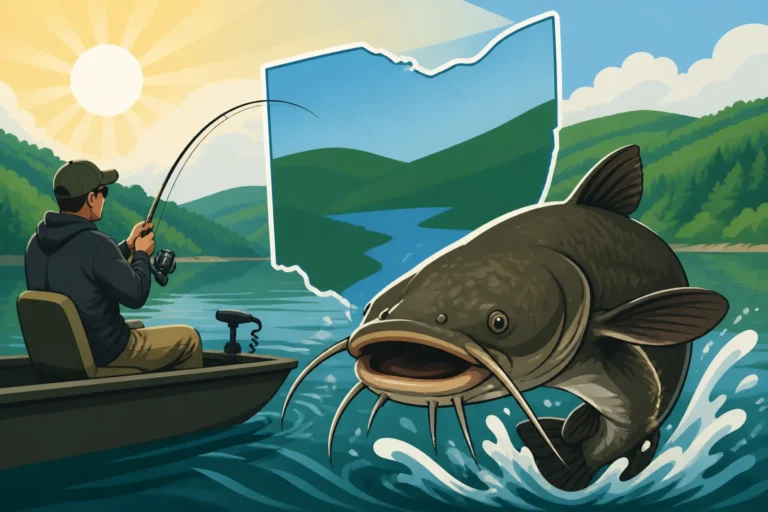
If you're after a true river monster, the flathead catfish is your target. These beasts are distinct from channels and blues with their flattened heads, dark mottled coloration, and preference for live prey. Flatheads are ambush predators, and they love to hide out in heavy cover – think submerged log jams, rock piles, old bridge pilings, or deep holes with plenty of woody debris. They're not keen on wide-open spaces and tend to stake out a territory.
The "when" for flatheads is almost exclusively nighttime. While you might occasionally snag a smaller one during the day, their peak feeding windows occur from dusk through the darkest hours of the night. This is when they emerge from their lairs to hunt. Water temperature plays a huge role; they become most active when the water is consistently above 60 degrees Fahrenheit. Targeting them often means fishing very close to their preferred structure with live bait, so having the right approach is vital. Our detailed look at Best Bait for Flathead Catfish in the Ohio River offers excellent insights into what they're biting on.
Blue Catfish: The Deepwater Giants
The blue catfish is rapidly becoming a star species in the Ohio River, known for its immense size potential and powerful fights. While historically more common in southern rivers, blues have established a strong presence and are thriving, particularly in the lower stretches of the Ohio River system. These catfish prefer deeper, swifter currents compared to channels, often congregating in main river channels, deep scour holes, and along ledges. They are primarily piscivorous, meaning they eat fish, and they have a strong preference for cut bait, especially oily species like shad or skipjack.
Blue catfish are active throughout the day and night, but their movements and feeding patterns can be highly influenced by current. They are often caught during daylight hours, especially when conditions allow them to hold comfortably in deeper water. However, like flatheads, they can also be incredibly active at night, particularly during the warmer months. As they continue to expand their range and population, the Ohio River is becoming a prime destination for trophy blue cats. You can learn more about these powerful fish by reading our Ohio Blue Catfish Identification guide.
Seasonal Strategies for Ohio River Catfish
The Ohio River experiences four distinct seasons, each presenting unique challenges and opportunities for catfish anglers. Understanding these seasonal shifts is paramount to consistently putting fish in the boat or on the bank.
Spring Catfish: Post-Spawn Feasts and Rising Waters
Spring on the Ohio River, typically from April through June, is a fantastic time for catfishing, especially as water temperatures begin to climb into the 50s and 60s. This period sees catfish becoming increasingly active after their winter lethargy. Channel catfish, in particular, will begin to move into shallower areas to feed heavily in preparation for spawning, and then again after the spawn, when they're ravenous.
Focus your efforts on areas where warmer water might be present, such as tributary mouths, shallow flats adjacent to deeper channels, and current breaks formed by wing dams or fallen trees. The rising spring water levels can also create new fishing opportunities in flooded timber or backwater areas. While the river might still be prone to muddy conditions from spring rains, this can actually work in your favor for catfish, as it provides cover and often pushes baitfish into more concentrated areas. Consider booking a trip with an experienced local guide through a platform like FishingBooker during this transitional period, as their knowledge of changing spring conditions can be invaluable.
Summer Catfish: Night Fishing and Deep Water Tactics
When the Ohio River heats up in July and August, catfish, especially flatheads and larger blues, really come alive. However, the extreme heat means they often retreat to deeper, cooler, and more oxygenated waters during the day. This makes night fishing absolutely legendary for big cats in the summer. As the sun sets, the water temperature stabilizes, and catfish move out of their daytime hiding spots to hunt.
For flatheads, target those deep log jams, rock piles, and submerged timber. For channels and blues, focus on deeper scour holes, the edges of main river channels, and deep current seams. Using heavy tackle and sturdy rigs is non-negotiable when battling big fish in strong currents in the dark. Don't forget bug spray! If you're new to this, our article on Best Techniques for Catching Channel Catfish at Night offers some excellent tips.
Fall Catfish: Pre-Winter Binges and Structure Fishing
As autumn descends upon Ohio, bringing cooler air and water temperatures, the catfish on the Ohio River enter a critical pre-winter feeding phase. From September through November, they're actively trying to pack on calories, making them aggressive and willing to bite. This is a prime time for all three species, though their locations might start to shift slightly.
Channels and blues will often be found in a variety of depths, transitioning between shallower feeding flats and deeper holes as the water cools. Flatheads will still be tight to their structure but may be more active during daylight hours, especially on warmer, overcast days. Look for them on drop-offs, along current seams, and near any significant underwater structure. The falling leaves can sometimes create challenges with debris in the water, but the strong bite makes it worthwhile. This is a great time to experiment with both live and cut bait presentations.
Winter Catfish: Slow and Deep Presentations
Winter catfishing on the Ohio River, typically from December through March, is often overlooked, but it can still yield impressive results, especially for larger blue and flathead catfish. The key here is patience and understanding that fish metabolism slows dramatically in cold water. Catfish will congregate in the deepest, most stable water available – often in large, deep holes, navigation channels, or behind major dams where current is minimized.
Presentations need to be slow and subtle. Large pieces of cut bait or live bait rigged directly on the bottom are often the most effective. Bites will be lighter and less frequent, but the fish you do catch are often larger, conserving energy. Safety is paramount during winter; always be mindful of river conditions and ice if fishing from shore in sheltered coves. An informed decision on when the Ohio Fishing Season Dates and Effective Periods truly begin or end might give you more insights.
Daily Timing and Environmental Factors
Beyond the seasons, daily timing and environmental factors play a massive role in when and where you'll find active catfish in the Ohio River. Ignoring these nuances can lead to frustrating days on the water.
Best Times of Day and Night for Catfish
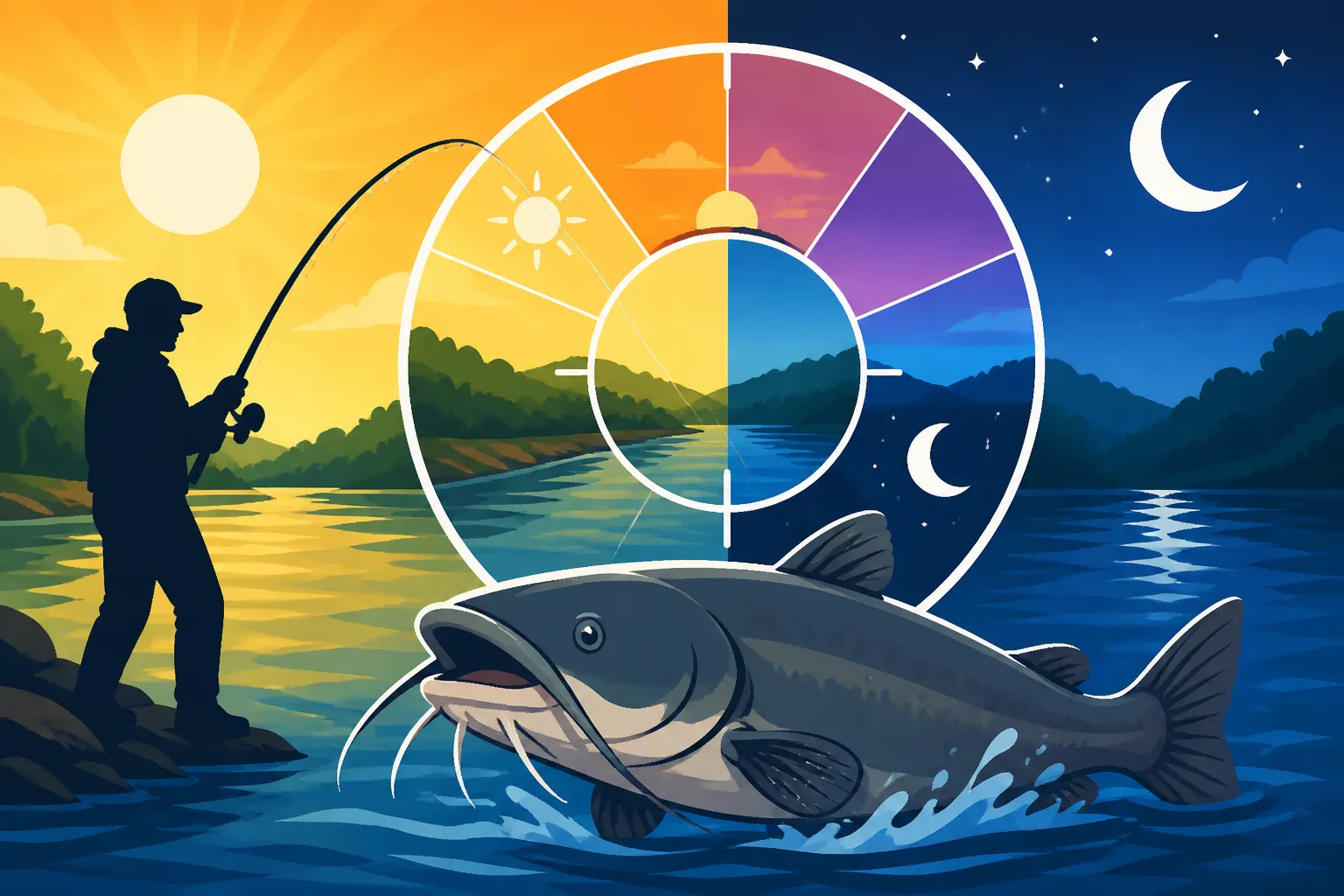
As hinted earlier, catfishing on the Ohio River isn't just a daytime affair. In fact, many of the biggest catches happen under the cover of darkness.
- Daytime: Channel catfish are generally more active during daylight hours, especially in stained or muddy water, or on overcast days. Blue catfish can also be caught during the day, particularly in deeper, faster currents where they feel secure. Focus on early morning and late afternoon for increased activity.
- Nighttime: This is prime time for big flathead catfish, which are almost exclusively nocturnal feeders. Blue catfish also remain highly active at night, and larger channel catfish can become much more aggressive after the sun goes down. The hours around moonrise and moonset can often trigger increased feeding activity. To truly master this, check out our dedicated article, Best Time of Day to Catch Catfish in Ohio.
Impact of Water Conditions and Weather on Catfish
The Ohio River is a beast of a system, and its water conditions are constantly changing. Understanding how these changes affect catfish behavior is crucial.
- Water Temperature: This is perhaps the most significant factor. Catfish become more active as water warms, peaking in the summer months. In winter, activity drops drastically. Use a thermometer to gauge where fish might be.
- Current: Catfish love current, but not too much. They'll position themselves just out of the main flow, in current breaks, eddies, or behind structure, waiting for food to be swept to them. Too little current can make them lethargic; too much can make holding bait difficult. You'll need to know How to Anchor for Catfish on the Ohio River effectively.
- Water Clarity: Stained or slightly muddy water is generally excellent for catfishing. It provides cover for the fish and often concentrates baitfish. Clear water, especially during the day, can make catfish more wary, pushing them deeper or making them more nocturnal.
- Water Levels: Rising water levels often push catfish into newly flooded areas, creating new feeding opportunities. Falling water levels can concentrate fish in channels and holes. Pay attention to river gauges.
- Weather: Overcast skies and stable barometric pressure are often ideal. Cold fronts, sudden drops in temperature, or strong storms can temporarily shut down the bite, making fish lethargic.
Reading the Ohio River for Catfish Hotspots
Successfully fishing the Ohio River for catfish requires more than just casting a line; it demands a keen eye for reading the water. The river's dynamics create distinct features that act as catfish magnets.
- Current Seams and Eddies: These are created where faster water meets slower water. Catfish will often sit on the slower side of the seam, waiting for food to drift by. Eddies, particularly large ones behind points or major structures, are prime holding areas.
- Deep Holes and Scour Holes: These are often found around bridge pilings, bends in the river, or below dams. They offer refuge, cooler temperatures in summer, and slack water in winter.
- Submerged Structure: Fallen trees (log jams), rock piles, old foundations, and sunken barges provide essential cover for flatheads and ambush points for all species. These spots can be challenging to fish due to snags but are highly productive.
- Tributary Mouths: Where smaller rivers or creeks meet the Ohio, they bring in warmer water, food, and often create current breaks. These are especially good in spring and after rains.
- Dams and Locks: The turbulent water below dams can be a feeding frenzy, but also dangerous. The slack water and deeper channels around locks are often fantastic holding areas. Always observe safety regulations around these structures. An experienced Ohio River fishing guide from FishingBooker can teach you how to identify these key structures and fish them safely and effectively.
Essential Gear and Baits for Ohio River Catfish
To tackle the impressive catfish of the Ohio River, you need gear that can stand up to the challenge. These fish are powerful, and the river itself demands robust equipment.
Rods, Reels, and Line for Big River Cats
Forget your ultralight panfish setup; Ohio River catfishing calls for heavy-duty tackle.
- Rods: Look for heavy to extra-heavy power rods, typically 7 to 10 feet long, with a strong backbone and a sensitive tip. This combination allows you to cast heavy weights and baits, fight big fish in current, and still detect subtle bites. Popular brands include Ugly Stik (like the Catfish Special) or similar heavy-action fiberglass or composite rods.
- Reels: Durable baitcasting reels are generally preferred for their power, line capacity, and ability to handle heavy weights. Look for models with a strong drag system and a good retrieve ratio. Shimano Baitrunners or Daiwa Millionaires are popular choices. Spinning reels can work for smaller channels, but for the true giants, a baitcaster is king.
- Line: Monofilament line in the 20-50 lb test range is a common choice for its abrasion resistance and shock absorption. However, many experienced anglers now opt for braided line (50-100 lb test) for its incredible strength, zero stretch (which aids in bite detection), and thinner diameter. Just be sure to use a monofilament or fluorocarbon leader to provide some shock absorption and abrasion resistance against rough structure. For specifics on line choices, check out our guide on Choosing the Right Ohio Fishing Line.
Top Baits for Each Catfish Species
Matching the right bait to the right species can make all the difference.
- Channel Catfish: These guys aren't picky. Cut bait (shad, skipjack, sunfish), chicken liver, nightcrawlers, shrimp, and various prepared stink baits are all highly effective. The key is to have a strong scent trail in the water.
- Flathead Catfish: Hands down, live bait is the king for flatheads. Live bluegill, suckers, shad, or sunfish (check local regulations for baitfish legality) are irresistible to these ambush predators. Ensure your bait is lively and presented near their cover.
- Blue Catfish: Large pieces of fresh cut bait are usually the ticket for blues. Shad, skipjack, drum, carp, or even perch cut into chunks work exceptionally well. The oilier the bait, the better.
For those who enjoy a bit of DIY, there are some fantastic Best Homemade Catfish Bait Recipes for Ohio Anglers that can be incredibly effective.
Essential Accessories for Ohio River Catfishing
Beyond rods, reels, and bait, a few key accessories will significantly improve your Ohio River catfishing experience.
- Heavy Weights: You'll need heavy sinkers (3-8 ounces or more, depending on current) to hold your bait on the bottom. No-roll sinkers or pyramid sinkers are good choices.
- Circle Hooks: These are mandatory for catch-and-release and highly recommended for harvesting fish. They typically hook in the corner of the mouth, causing less harm and making hook removal easier. Sizes 5/0 to 10/0 are common, depending on bait size.
- Sturdy Rigs: Carolina rigs, three-way swivel rigs, or slip sinker rigs are popular choices for bottom fishing. Use heavy swivels and strong leader material.
- Rod Holders: When bank fishing, sturdy rod holders that can withstand powerful bites are essential. For boat fishing, secure rod holders are also a must.
- Headlamp/Lantern: Crucial for night fishing, allowing you to tie knots, bait hooks, and land fish safely.
- Heavy-Duty Net or Grips: A large, durable landing net with a long handle or a sturdy pair of fish grips are necessary for safely landing and handling big catfish.
- First Aid Kit and Bug Spray: Always be prepared, especially when fishing remote areas or at night.
Ohio River Catfishing: Species and Prime Times at a Glance
To quickly summarize, here's a handy table outlining the best times and general strategies for targeting catfish species in the Ohio River:
| Season | Species Targeted | Best Time of Day/Night | Key Locations | Recommended Baits |
|---|---|---|---|---|
| Spring (April-June) | Channel, Blue, (Smaller Flathead) | Daytime, Evening | Tributary mouths, current breaks, shallow flats | Cut bait, worms, chicken liver, prepared baits |
| Summer (July-August) | Flathead, Blue, (Large Channel) | Nighttime (especially for Flatheads/Blues) | Deep holes, log jams, main channel edges, rock piles | Live bait (Flatheads), Large cut bait (Blues) |
| Fall (Sept-Nov) | All Species | Daytime, Dusk | Drop-offs, current seams, structure, channel bends | Live bait, cut bait, stink baits |
| Winter (Dec-March) | Blue, Flathead, (Channel) | Midday, Afternoon | Deep, slack water, navigation channels, scour holes | Slow presentations of live/cut bait |
Disclaimer
Fishing conditions and regulations on the Ohio River can change. Always consult the latest Ohio Department of Natural Resources (ODNR) fishing regulations before heading out. Be aware of local conditions, especially water levels and currents, and prioritize safety on the water.