Choosing the Right Ohio Fishing Line
Monofilament, fluorocarbon, and braided fishing lines offer distinct advantages for catching various fish species across Ohio waters.
Match the method to the moment.
Seasonal patterns, proven tactics, rigging and presentation basics, bait choices, and how to adapt as conditions change.
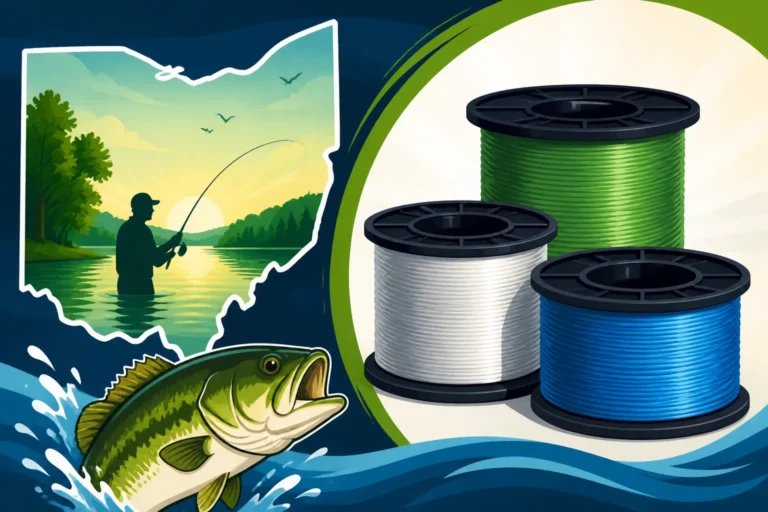
Monofilament, fluorocarbon, and braided fishing lines offer distinct advantages for catching various fish species across Ohio waters.
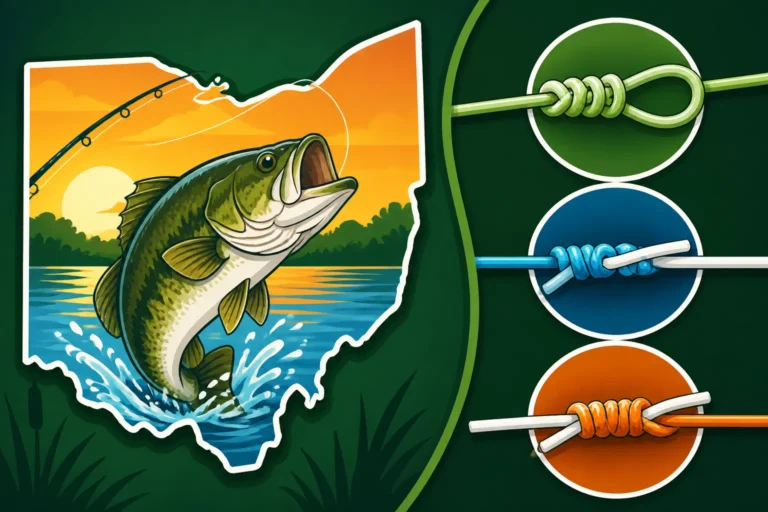
Ohio fishing knots maintain up to ninety percent line strength to prevent lost catches during fights with fish and lures.
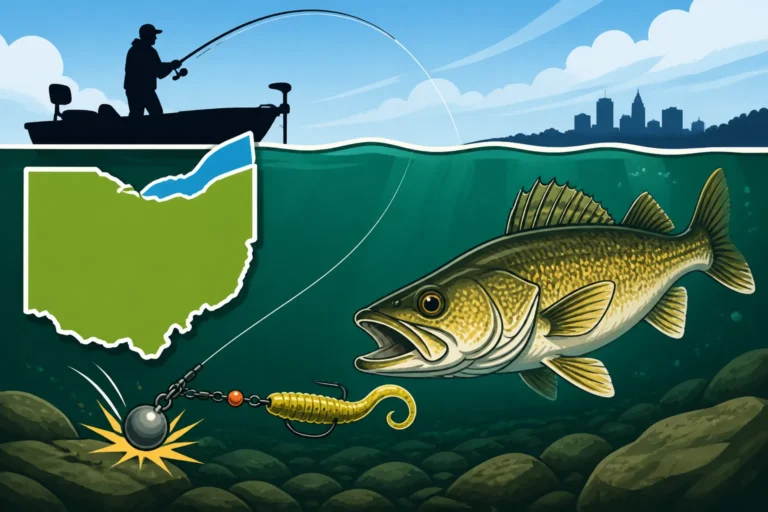
Bottom bouncing rigs help anglers target Lake Erie walleye holding deep near the lakebed from late May through September.
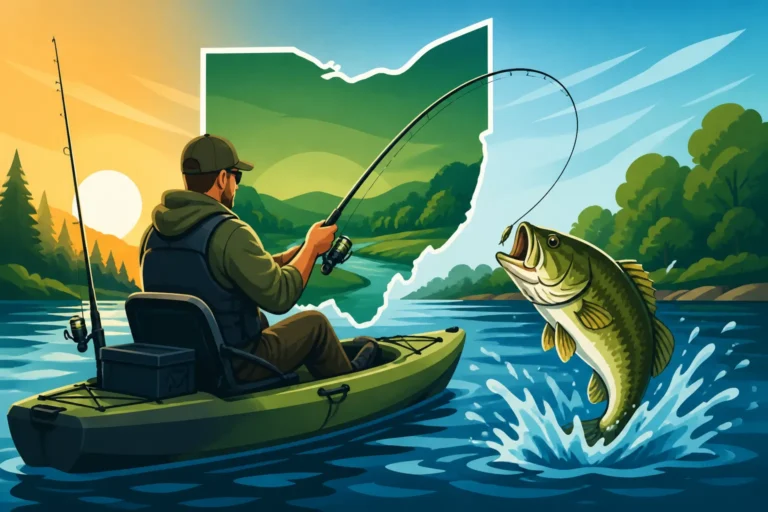
Kayak fishing techniques and gear options for Ohio waters help anglers access small creeks, rivers, and lakes to catch fish.
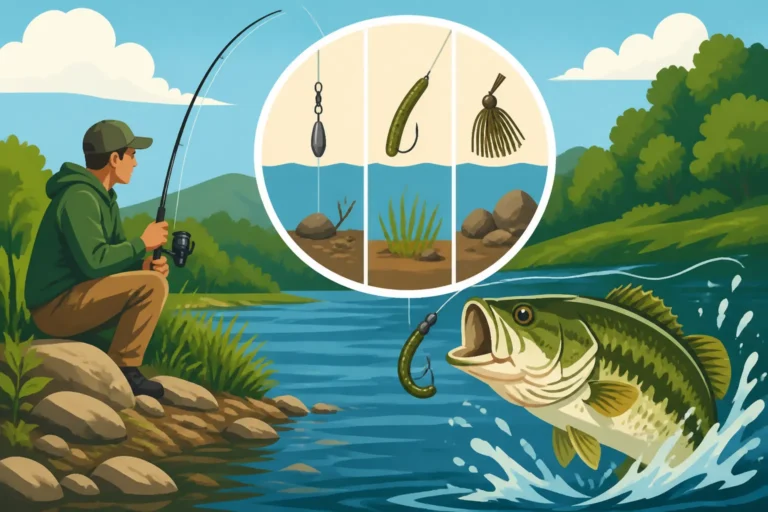
ODNR state parks and wildlife areas such as Alum Creek and Mosquito Creek offer designated fishing areas, docks and accessible platforms for shoreline anglers.
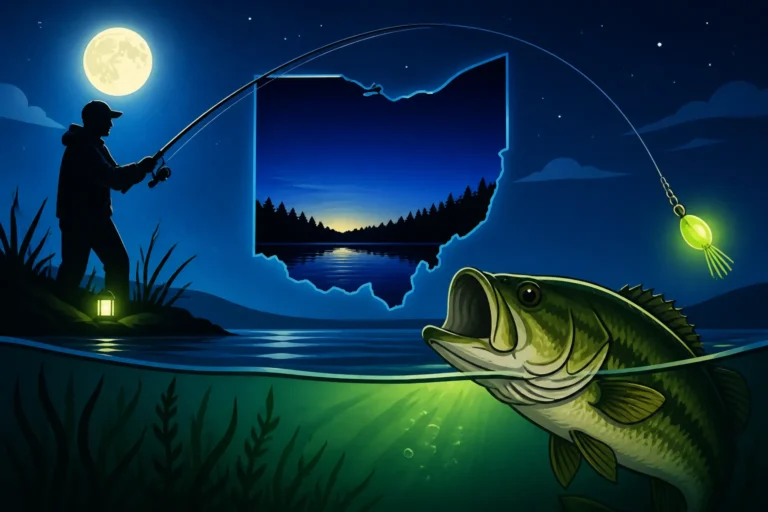
Night fishing techniques in Ohio help anglers catch walleye, catfish, and bass after sunset on Lake Erie or Hoover Reservoir.
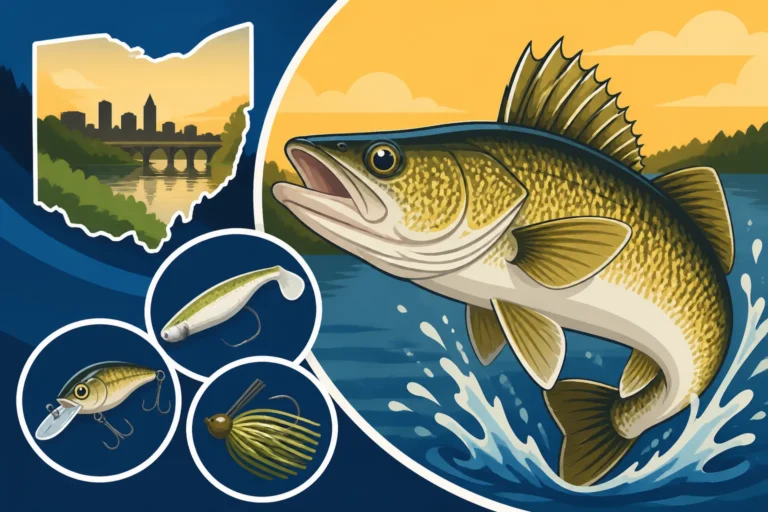
Ohio saugeye fishing techniques, gear choices, and seasonal strategies help anglers consistently catch hybrid fish in reservoirs.
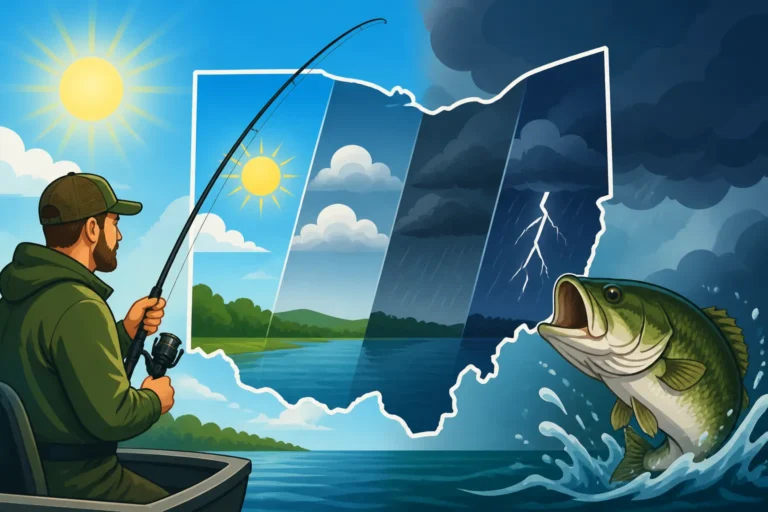
Ohio weather patterns and barometric pressure shifts directly influence fish metabolism, water temperature, and feeding behavior.
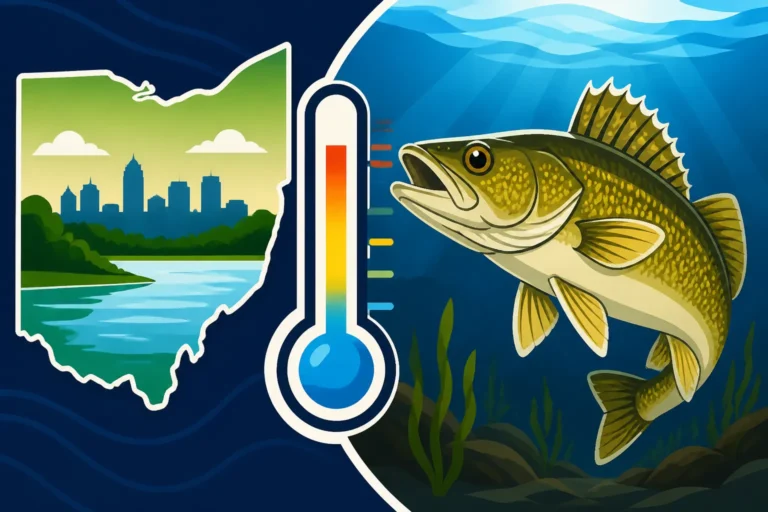
Ohio walleye behavior and feeding rates change across water temperatures from 45 degrees to 70 degrees Fahrenheit in Lake Erie.
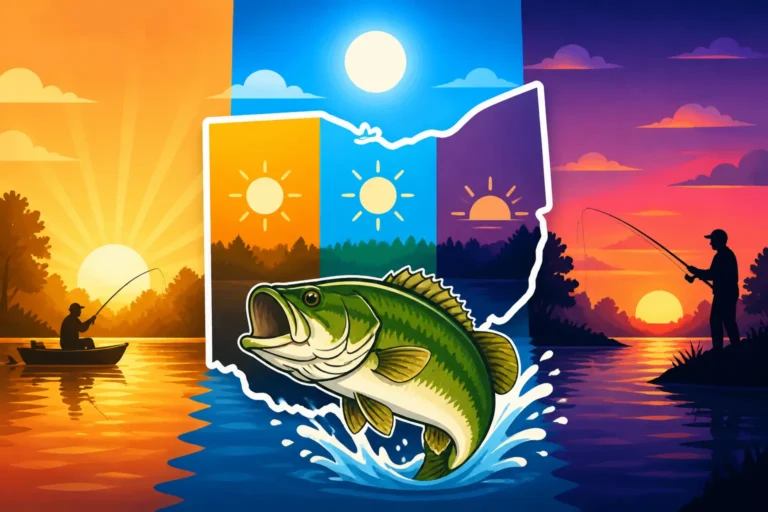
Optimal fishing times in Ohio lakes, rivers, and Lake Erie depend on daily light conditions, dawn, dusk, cloud cover, and water clarity.