Bank Fishing Techniques for Ohio Anglers
It’s a common frustration for many Ohio anglers: you see those boats out on the big lakes, effortlessly reaching all the prime spots, while you’re stuck on shore, wondering if you’re missing out. The truth is, bank fishing in Ohio offers incredible opportunities, often closer to home and without the hassle of launching a boat. You just need to know how to maximize your chances and understand what makes a good shoreline spot tick. This guide is all about equipping you with the knowledge and techniques to become a highly effective bank angler, turning those perceived limitations into exciting advantages.
Understanding Ohio's Public Access Points for Bank Anglers
One of the biggest hurdles for bank anglers in Ohio is simply finding where you can actually cast a line without trespassing or getting tangled in heavy cover. Ohio is blessed with a wealth of public waters, from sprawling state parks to hidden metro park ponds, but knowing how to access them and what they offer is key.
State Parks and Wildlife Areas
The Ohio Department of Natural Resources (ODNR) does a fantastic job of managing numerous state parks and wildlife areas that provide excellent bank fishing opportunities. These spots are often well-maintained, with designated fishing areas, docks, and even handicap-accessible platforms. Think about places like Alum Creek State Park near Columbus, with its vast shoreline, or Mosquito Creek Wildlife Area up north, famous for its walleye and crappie fishing. The sheer size of these areas means there's usually a quiet cove or a productive stretch of bank if you're willing to explore a little. You can often find detailed maps of these locations on the ODNR website, highlighting trails and access points perfect for shore anglers. Don't be afraid to pull up a satellite map and scout potential walk-in spots before you even leave home.
These public lands are goldmines, but they come with their own set of rules. Always check specific park regulations, as some might have restrictions on bait, types of fishing, or even access hours. However, the payoff is often worth it. You might discover a secluded bay teeming with largemouth bass or a rocky point that holds migrating saugeye. Knowing your Ohio State Park Fishing Rules is a great first step to making the most of these expansive public lands. These areas also tend to be better maintained, meaning fewer overgrown sections and easier casting.
City and County Parks
Beyond the major state lands, many Ohio cities and counties manage smaller, often overlooked parks with fantastic fishing. These urban and suburban ponds and smaller lakes can be absolute gems, especially for family outings or quick evening trips after work. Take, for example, the Columbus and Cleveland Metroparks systems, which feature dozens of lakes and ponds that are regularly stocked with various species. These spots might not hold record-breaking fish, but they offer consistent action for panfish, catfish, and smaller bass.
The advantage of these local parks is convenience. They’re often close to home, making it easy to pop out for an hour or two without a big commitment. Many have paved paths, picnic areas, and restrooms, which makes for a more comfortable experience. While they can sometimes get crowded on nice weekends, early mornings or late evenings often provide quieter opportunities. Always keep an eye out for local signage, as some municipal parks might have specific bait restrictions or catch-and-release policies. These smaller bodies of water are also fantastic places to hone your skills, as the fish populations are often quite stable and predictable.
Riverwalks, Piers, and Dam Access
For those who love bigger water, Ohio also offers numerous riverwalks, fishing piers, and dam access points. These spots are particularly exciting because they often put you in proximity to migratory fish runs or deeper, more productive waters that might otherwise only be accessible by boat. Along the Ohio River, you’ll find dedicated fishing platforms and parks that provide excellent access for catfish, sauger, and even carp anglers. The Ohio River Fishing Guide has a ton of info on these spots. For Lake Erie anglers, iconic locations like the Huron Pier, Lorain Lakeview Park, or the Fairport Harbor breakwall offer incredible opportunities for walleye, yellow perch, and even steelhead during their runs.
Fishing these areas often requires a slightly different approach. Piers and riverwalks can be crowded, so being mindful of your casting space and fellow anglers is important. Dam areas, while productive due to current and structure, can also be dangerous, so always prioritize safety and adhere to any posted warnings. These spots offer the unique thrill of targeting larger, migratory species right from shore, a challenge and reward that makes bank fishing truly special. Just remember, strong currents or deep drops can be present, so safety should always be your top priority.
Essential Gear for Successful Bank Fishing in Ohio
One of the beautiful things about bank fishing is that you don’t need a boatload of expensive gear. In fact, keeping it simple and versatile is often the best approach. You’re not lugging everything onto a boat; you're carrying it to your spot, sometimes over uneven terrain. Smart choices in your rod, reel, tackle, and comfort items can make all the difference.
Rods, Reels, and Line Choices
For most bank fishing scenarios in Ohio, versatility is king. You're rarely targeting just one species exclusively. A medium-light to medium-action spinning rod, typically 6 to 7 feet long, is an excellent all-around choice. This setup gives you enough backbone to cast a variety of lures and baits, from light panfish jigs to heavier catfish rigs, while still being sensitive enough to detect subtle bites. A good quality spinning reel in the 2500-3000 size range, paired with 6 to 10-pound test monofilament or fluorocarbon line, will handle the majority of species you'll encounter. Braided line in a similar strength can also be a great option, especially if you're fishing around weeds or cover, as it offers superior strength and sensitivity. You can find excellent deals on versatile rod and reel combos on Amazon that are perfect for getting started without breaking the bank.
If you plan to specifically target larger species like muskie or big catfish from shore, you might consider a heavier outfit, perhaps a medium-heavy to heavy action rod with a 4000-series reel and stronger line (20-30 pound braid). The key is to match your gear to the size of fish you expect to catch and the cover you're fishing in. For panfish specific missions, a lighter ultra-light combo with 2-4 pound line can be incredibly fun and sensitive. Check out our guide on Best Ohio Fishing Gear and Tackle Guide for more in-depth recommendations.
Tackle Box Essentials
Your tackle box for bank fishing should be compact but comprehensive. You don't want to haul a giant box that weighs you down. A small, soft-sided tackle bag or a compact utility box is usually sufficient. Focus on a versatile selection of baits and lures:
- Hooks: A variety of sizes, from small #8 or #10 Aberdeen hooks for panfish, to larger #1/0 to #4/0 circle or J-hooks for catfish and bass.
- Weights: Split shots, small bullet weights, and egg sinkers in various sizes to adapt to different depths and currents.
- Bobbers: Both slip bobbers and fixed bobbers are useful. Slip bobbers are fantastic for fishing deeper water from shore, allowing you to cast farther than with a fixed bobber.
- Lures: A few inline spinners, small crankbaits (like a Rapala or a Bandit), plastic worms or creature baits, and jigs (1/16 oz to 1/4 oz) with various soft plastic trailers. Don't forget a few spoons for casting distance.
- Live Bait: Minnows, worms, and nightcrawlers are universally effective. Keep them fresh in a small cooler or bait bucket.
- Tools: Pliers (for hook removal), line clippers, a small measuring tape, and a stringer or cooler to keep your catch fresh.
A good principle is to have a few confidence baits for each species you might encounter. For instance, a beetle spin for panfish, a Texas-rigged worm for bass, and a chunk of cut bait for catfish. Many of these compact tackle options can be easily found on Amazon, often in bundled starter kits that are perfect for bank anglers.
Comfort and Safety Gear
Bank fishing, while relaxing, can also expose you to the elements and potential hazards. Being prepared with comfort and safety gear will make your experience much more enjoyable.
- Comfort:
- Chair: A lightweight, foldable chair or bucket to sit on.
- Cooler: Small cooler for drinks, snacks, and to keep your bait or catch fresh.
- Bug Spray: Especially crucial during warmer months in Ohio’s muggy environments.
- Sun Protection: Hat, sunglasses, and sunscreen are a must.
- Appropriate Clothing: Layers are always a good idea, as Ohio weather can change quickly. Waterproof footwear can be a lifesaver on damp banks.
- Safety:
- First Aid Kit: A small kit for minor cuts, scrapes, or insect bites.
- Headlamp/Flashlight: If you plan on fishing near dawn, dusk, or at night. Don't forget a good headlamp, Amazon has many options that are affordable and reliable.
- Water Bottle: Stay hydrated.
- Knife/Multi-tool: Always handy to have.
- Waders/Waterproof Boots: If you anticipate getting into shallow water or walking along muddy banks.
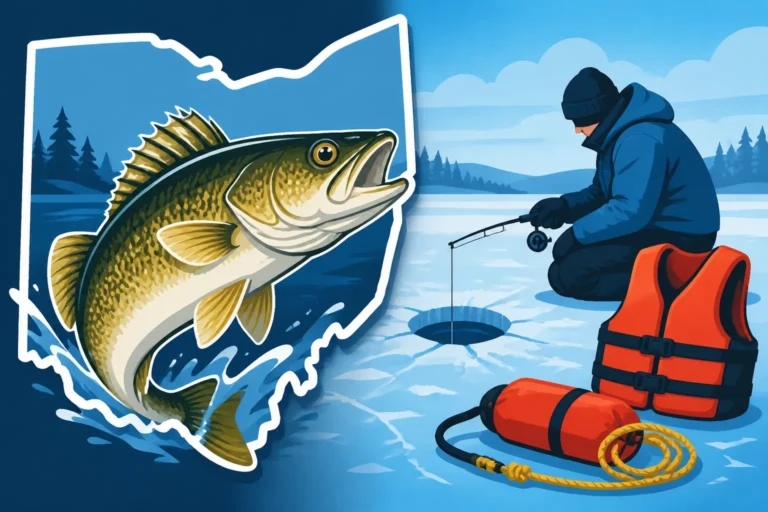
- Life Vest: While not always mandatory for bank fishing, if you're fishing near deep, fast-moving water or on a pier without railings, a PFD is a smart addition, especially for kids.
A small, lightweight backpack or tackle bag can hold all these essentials, keeping your hands free for your rod and reel. This minimal approach makes moving between spots much easier and less tiring.
Mastering Techniques for Different Ohio Species from Shore
Bank fishing might seem limiting, but with the right techniques, you can effectively target a wide array of Ohio’s popular fish species. It’s all about understanding their behavior, preferred habitats, and what baits and lures work best when you’re confined to the shoreline.
Targeting Panfish and Bass
Panfish (bluegill, crappie, sunfish) and bass (largemouth and smallmouth) are perhaps the most accessible species for bank anglers in Ohio. They thrive in many of the ponds, smaller lakes, and slow-moving river sections found in public parks and wildlife areas.
- Panfish: These eager biters are perfect for beginners and seasoned anglers alike.
- Technique: A simple slip bobber or fixed bobber rig with a small hook (#8 or #10) and a tiny piece of worm, a waxworm, or a small crappie jig (1/32 to 1/16 ounce) under it is incredibly effective. Cast near weed lines, submerged logs, or shaded areas. They often school, so if you catch one, there are likely more.
- Baits/Lures: Live bait like redworms, waxworms, and crickets are deadly. Small inline spinners (like a Rooster Tail) or tiny soft plastic tubes on a jig head also work wonders. Look for visible structure in shallow water, especially during spring and early summer when they're spawning.
- Largemouth Bass: Ohio lakes and ponds are full of these ambush predators.
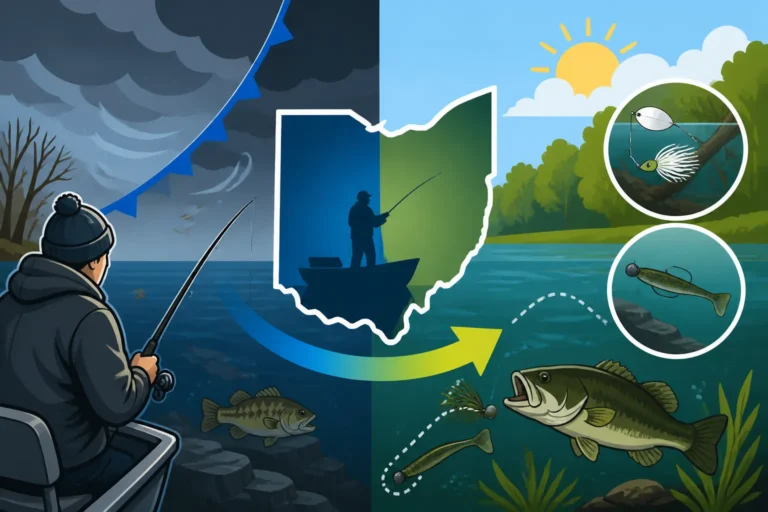
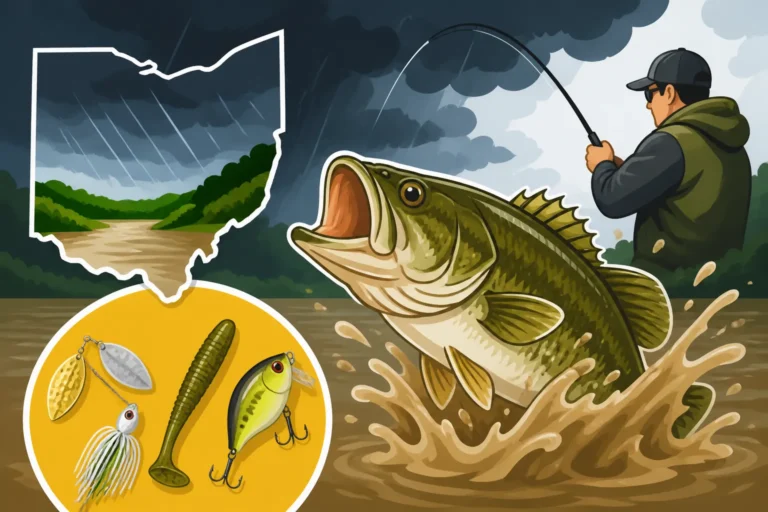
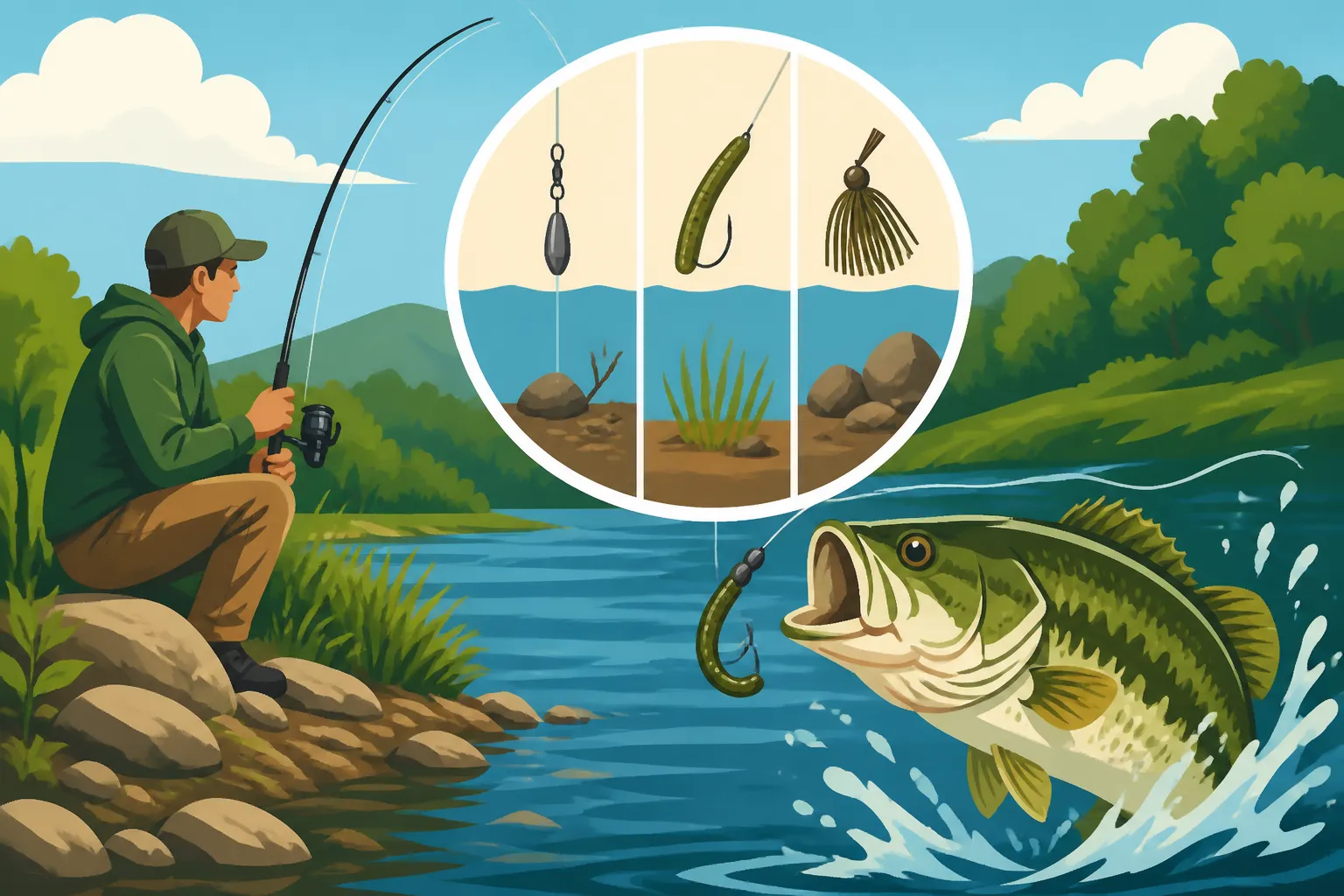
- Technique: Focus on areas with cover: lily pads, fallen trees, docks, weed edges, and brush piles. Texas-rigged plastic worms or creature baits (like Senkos or creature jigs) cast into or along these structures are highly effective. Spinnerbaits and buzzbaits can be great for covering water, especially during low light conditions. Crankbaits that dive to the depth of the nearby cover are also excellent.
- Baits/Lures: Plastic worms (green pumpkin, black/blue), jigs with trailers, spinnerbaits (white, chartreuse), shallow-diving crankbaits, and topwater frogs or poppers are all great choices. Consider a Wacky rig for a slow, seductive fall that bass often can't resist. For more depth, check out Best Ohio Bass Fishing Techniques.
- Smallmouth Bass: Found more in rocky lakes, reservoirs, and rivers with current.
- Technique: Look for rocky bottoms, current breaks, bridge pilings, and gravel banks. Jerkbaits, small crankbaits, tubes, and Ned rigs are excellent. Smallmouth often hold in current seams, waiting for baitfish to be washed to them. Work your lures with erratic movements to mimic struggling baitfish.
- Baits/Lures: Tubes (green pumpkin, smoke), Ned rigs, small swimbaits, jerkbaits (silver, natural colors), and inline spinners.
Going for Walleye and Catfish from Shore
While often thought of as boat fish, both walleye and catfish can be successfully targeted from Ohio's banks, particularly during specific times of year or in certain locations.
- Walleye: These prized fish are a favorite among Ohio anglers.
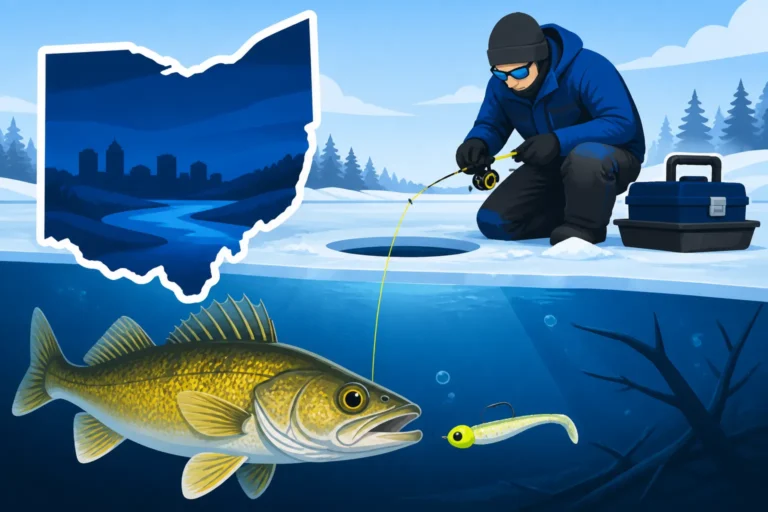
- Technique: Shoreline walleye fishing often peaks during spring and fall, especially at night or during low light. In spring, they move into shallower areas to spawn, and you can catch them casting stickbaits or jigs in river mouths or near rocky points on Lake Erie and larger reservoirs like Alum Creek. During summer nights, walleye will cruise shallow flats, making them accessible from shore.
- Baits/Lures: Long, slender stickbaits (like Rapala Husky Jerks or Smithwick Rattlin' Rogues), swimbaits on jig heads, and blade baits are all effective. Live minnows fished under a slip bobber or on a bottom rig can also be deadly. Target areas with access to deeper water nearby. Our Ohio Walleye Fishing Guide offers more insights into their habits.
- Catfish: Channel, flathead, and blue catfish are abundant in many Ohio waters and are highly accessible from shore.
- Technique: Catfish are bottom feeders and often most active at night. A standard bottom rig (Carolina rig or a simple egg sinker above a swivel and a leader) is perfect. Cast into deeper holes, current seams, or near fallen trees and brush piles. If fishing a river, look for slower eddies near faster current.
- Baits/Lures: Cut bait (shad, skipjack herring, chicken liver), nightcrawlers, shrimp, and even stink baits are all excellent choices. For large flatheads, live bait like bluegill or shad is often preferred. They are known for strong fights, so make sure your gear is up to the task. You'll find more tips in our Ohio Channel Catfish Fishing Guide.
Steelhead and Saugeye Challenges
Targeting steelhead and saugeye from the bank presents unique challenges but also offers incredible rewards. These fish often prefer specific conditions or habitats that require careful planning and specialized techniques.
- Steelhead Trout: Ohio's Lake Erie tributaries are famous for their steelhead runs.
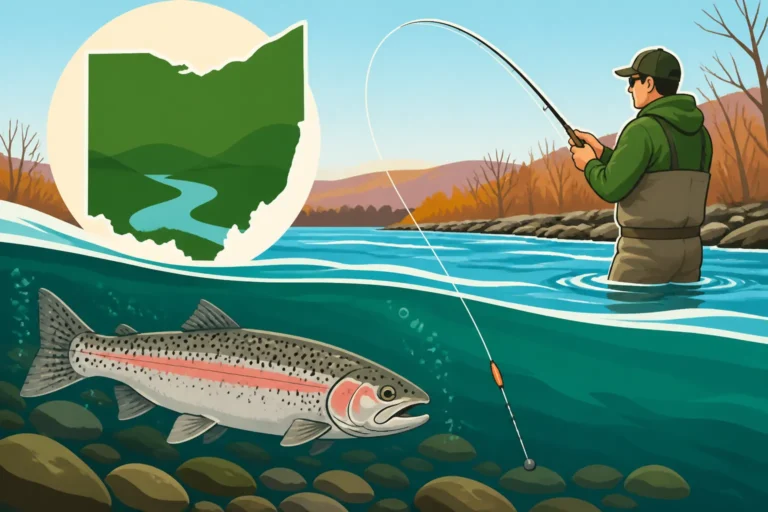
- Technique: Bank fishing for steelhead means focusing on the "Steelhead Alley" rivers (Rocky, Chagrin, Grand, Vermilion, Conneaut creeks) in fall, winter, and spring. You'll need to understand how to read river currents and identify holding water – deeper pools, current seams, and behind large rocks or logs. Drifting small spawn bags, jigs tipped with maggots, or beads under a float (or bobber) is a highly effective technique. Casting small spoons or inline spinners can also work.
- Baits/Lures: Salmon egg sacks, small jigs (1/32 to 1/8 ounce) in bright colors (chartreuse, pink, orange) tipped with waxworms or Berkley Gulp! Trout Eggs, beads (single eggs), and small spoons (Kastmasters, Little Cleos). Waders are often essential for reaching prime casting locations. Learn more in our Ohio Steelhead Fishing Techniques article.
- Saugeye: This walleye-sauger hybrid is a fantastic fighting and eating fish, commonly found in Ohio’s inland reservoirs.
- Technique: Saugeye prefer deeper, clearer water than pure walleye and often congregate near dam rip-rap, humps, and submerged creek channels. They can be caught day or night. From the bank, focus on casting jigs tipped with minnows or soft plastics, blade baits, or jigging spoons. Fishing live minnows or nightcrawlers on a slip bobber or a bottom rig (especially at night) can be very productive. Look for access points near drop-offs or points that extend into the main body of water.
- Baits/Lures: Live minnows, nightcrawlers, hair jigs, bucktail jigs, curly-tail grubs, blade baits, and deep-diving crankbaits. The Ohio Saugeye Fishing Guide provides a wealth of information on how to target these elusive fish.
Reading the Water: Identifying Prime Bank Fishing Locations
Successful bank fishing isn't just about having the right gear or technique; it's about understanding where the fish are. Learning to "read the water" is a skill that develops over time, but there are key indicators and structures to look for that will dramatically increase your chances of success.
Structure and Cover
Fish are creatures of habit and instinct, and much of that revolves around finding safety, food, and optimal temperatures. This means they often relate to structure and cover.
- Submerged Trees and Logs: These are absolute magnets for bass, crappie, and even catfish. They provide ambush points, shade, and protection. Cast your lure or bait as close as possible without getting snagged. Sometimes, casting beyond the structure and retrieving through it is effective.
- Weed Lines and Lily Pads: The edges of submerged weed beds or patches of lily pads create perfect habitat for largemouth bass, pike, and panfish. These areas hold baitfish and insects. Skirted jigs, plastic worms, and topwater frogs are excellent choices here.
- Rocks and Rip-Rap: Rocky shorelines, especially rip-rap (man-made rock banks) near dams, bridges, or causeways, attract smallmouth bass, walleye, and saugeye. The rocks provide crawfish habitat, cover, and often mark deeper water. Jigs, crankbaits, and even live minnows fished along these edges can be very productive.
- Bridge Pilings and Culverts: Man-made structures like bridge pilings create current breaks and shade, attracting various species. Culverts can indicate inflowing water, which often concentrates baitfish and, subsequently, predators.
Learning to identify these elements from the bank, sometimes with the help of binoculars or by simply walking the shoreline, is a fundamental skill. Observe the water for any changes in color, texture, or visible objects that could signal a fish-holding spot.
Current and Water Depth
Understanding current and water depth is particularly crucial when fishing rivers, larger reservoirs, or Lake Erie access points. Fish will position themselves strategically in relation to these factors.
- Current Seams and Eddies: In rivers, fish will often hold in the slower water of current seams or in eddies (circular currents) where they can ambush prey without expending too much energy. Casting into the faster current and letting your bait drift into these calmer zones can be very effective for species like sauger, steelhead, and river smallmouth.
- Drop-offs and Channels: From the bank, you might not have a fish finder, but you can often infer depth changes. Look for points that extend into the water, sudden changes in shoreline gradient, or darker patches of water that indicate deeper sections. These drop-offs are highways for fish, especially walleye and saugeye, as they move from deep to shallow water to feed.
- Inflows and Outflows: Areas where smaller creeks or drainage pipes enter a lake or river can be hotspots. These inflows bring in nutrients, baitfish, and often slightly different water temperatures, all of which attract fish. Outflows near dams or spillways can create strong currents that concentrate fish.
Pay attention to how your lure or bait behaves as it moves through different current strengths and depths. This will give you clues about the underwater topography and where fish might be holding.
Forage and Activity
The presence of forage (baitfish) and other signs of activity are undeniable indicators that predatory fish are likely nearby.
- Baitfish Schools: Keep an eye out for schools of small baitfish dimpling the surface, especially during calm periods. If you see baitfish scattering, it’s a strong sign that a predator is nearby. Casting a lure that mimics these baitfish can trigger a strike.
- Bird Activity: Diving birds, especially terns and gulls on Lake Erie, often signal schools of baitfish, which in turn attract predatory fish like walleye and yellow perch. Observe where they are concentrating their efforts.
- Surface Activity: Look for subtle ripples, swirls, or actual splashes on the surface. These could be fish feeding, chasing bait, or even surfacing for air. Often, these activities are more prevalent during dawn and dusk.
- Insect Hatches: In warmer months, insect hatches can draw panfish and trout to the surface. Observing what insects are active can give you clues about what natural baits might be effective.
Combining these observations – structure, current, depth, and activity – will allow you to make educated guesses about where fish are most likely to be holding, even without the aid of electronics. This observational skill is what separates consistently successful anglers from those who just blindly cast. Knowing the Best Time of Day to Fish in Ohio and understanding Reading Weather Patterns for Ohio Fishing can also help you predict when and where fish will be most active.
Safety and Etiquette for Shoreline Anglers in Ohio
Bank fishing is generally a safe and enjoyable activity, but just like any outdoor pursuit, it comes with its own set of considerations. Being mindful of your surroundings, respecting fellow anglers, and adhering to regulations will ensure a positive experience for everyone.
Personal Safety on the Bank
Your personal safety should always be your top priority when fishing from shore. Ohio’s diverse landscapes mean you could be fishing anything from a paved urban pier to a slippery, rocky riverbank.
- Watch Your Footing: Riverbanks and lake shores can be uneven, muddy, rocky, or covered in slippery algae. Always wear appropriate footwear with good grip. Be especially cautious after rain or near fast-moving water where banks can erode.
- Current Awareness: If you're fishing a river, especially during high water, understand the power of the current. Avoid wading into unfamiliar waters or getting too close to steep drop-offs or dam outflows. A life jacket is highly recommended if there's any risk of falling into deep or fast water.
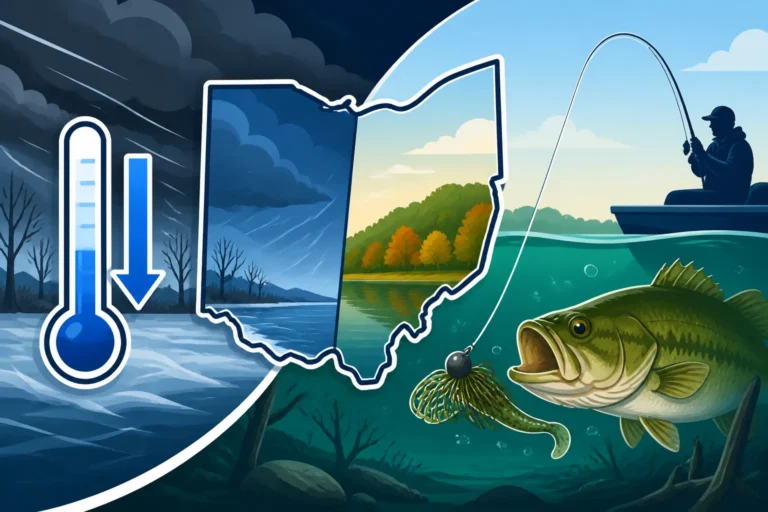
- Weather Conditions: Ohio weather can be unpredictable. Check the forecast before you go and be prepared for sudden changes. Thunderstorms, high winds, or extreme temperatures can quickly turn a pleasant outing into a dangerous situation. Seek shelter immediately during lightning.
- Wildlife and Insects: Be aware of local wildlife. While encounters are usually harmless, venomous snakes, ticks, and aggressive insects (especially mosquitoes and biting flies in summer) are present in Ohio. Carry bug spray and know basic first aid for bites or stings.
- Sharp Objects and Debris: Unfortunately, public access points sometimes have litter or discarded fishing gear (old lines, hooks). Keep an eye out for these hazards, especially if you're fishing with children.
Always let someone know where you're going and when you expect to return, especially if you're venturing into more secluded areas. A fully charged cell phone is also a good idea.
Respecting Fellow Anglers and Property
Bank fishing spots, particularly the popular ones, can get crowded. Practicing good etiquette ensures everyone can enjoy their time on the water.
- Maintain Space: Give other anglers ample space. Don't cast over someone else's line or crowd into their spot. A general rule of thumb is to allow at least 20-30 feet between anglers, or more if they are casting long distances.
- Minimize Noise: Keep noise levels down. Loud music, shouting, or excessive splashing can disturb both fish and other anglers seeking peace and quiet.
- Leave No Trace: Pack out everything you pack in. This includes all trash, discarded fishing line, and bait containers. Dispose of fish waste properly. Nobody likes fishing in a dirty spot, and maintaining clean areas helps keep access open for everyone.
- Be Mindful of Others' Equipment: Be careful not to step on someone's tackle box, cooler, or extra rods. If you retrieve a snagged lure that isn't yours, make an effort to return it.
- Ask Before Entering: If you need to cross private property to access a public fishing spot, always ask for permission. Respect fences, signs, and private property boundaries.
Good manners go a long way in fostering a positive fishing community. A friendly nod or a brief "hello" can often lead to sharing tips or even making new fishing buddies.
Regulations and Permits
The regulations might seem like a hassle, but they're in place to protect Ohio's fisheries and ensure sustainable fishing for generations to come. Ignorance of the law is never an excuse.
- Ohio Fishing License: The most fundamental requirement for fishing in Ohio is a valid fishing license. Make sure you have one and that it's current. You can buy them online, at bait shops, or at many sporting goods stores. Our Ohio Fishing License Guide for Residents and Nonresidents is a great resource.
- Size and Bag Limits: Familiarize yourself with the statewide and specific water body regulations for the fish species you are targeting. These limits are crucial for maintaining healthy fish populations. For example, Lake Erie has specific walleye and yellow perch limits that can change seasonally. Always check the current Ohio Fishing Regulations Every Angler Should Know.
- Special Regulations: Some specific lakes, rivers, or park systems might have unique rules, such as catch-and-release only, artificial lures only, or bait restrictions. Always look for posted signs at your chosen fishing spot.
- Species Identification: Be able to correctly identify your catch to ensure you are complying with size and bag limits. Misidentifying a saugeye for a walleye, for instance, could lead to a violation if you're not careful.
- Proof of License: Always carry proof of your license, whether it's a physical copy or on your phone, in case a wildlife officer requests to see it. Getting caught without one can result in fines.
By understanding and following these simple guidelines, you can not only avoid potential legal issues but also contribute to a healthier and more enjoyable fishing environment for all Ohio anglers.
| Ohio Bank Fishing Spot Type | Common Species | Recommended Techniques | Best Time |
|---|---|---|---|
| Small Ponds (City/County) | Panfish, Largemouth Bass | Bobber & Worm/Jig, Plastic Worms, Small Spinners | Spring/Summer, Early/Late Day |
| State Park Lakes/Reservoirs | Bass, Crappie, Catfish, Saugeye | Jigs, Crankbaits, Bottom Rigs, Live Bait | Year-round, Various Depths |
| Lake Erie Piers/Shorelines | Walleye, Perch, Steelhead | Casting Stickbaits/Spoons, Bottom Rigs, Bobber & Minnow/Spawn Bag | Spring/Fall (Walleye/Steelhead), Summer (Perch) |
| Ohio River Access | Catfish, Sauger, Bass | Heavy Bottom Rigs, Jigs, Live/Cut Bait | Year-round, Night (Catfish) |
| Steelhead Alley Rivers | Steelhead Trout | Float Fishing (Jigs, Spawn Bags, Beads), Spoons, Spinners | Fall/Winter/Spring (Run) |
Disclaimer
Please note that fishing regulations, conditions, and fish populations can change. Always consult the official Ohio Department of Natural Resources (ODNR) website or the current fishing regulations booklet before heading out to ensure you have the most up-to-date information. This guide is for informational purposes only and does not constitute legal advice.