When the White Bass Run Happens on Lake Erie Tributaries
There’s nothing quite like the excitement of an annual fish run, and for Ohio anglers, the white bass run on Lake Erie’s tributaries is a prime example. If you’ve ever felt the frustration of hearing about incredible catches after the peak has passed, you know how important it is to nail down the timing. This guide is here to demystify the "when" of the white bass run, helping you anticipate the action, understand the triggers, and get your lines in the water at just the right moment for some fast-paced fishing fun.
Understanding the White Bass Run Phenomenon
The white bass run isn't just a casual gathering of fish; it's a powerful, instinctual migration that brings these feisty fighters into accessible tributary rivers, creating an absolute frenzy for anglers. It's a phenomenon driven by the primal urge to spawn, and when it hits, the fishing can be unbelievably good.
What Exactly is a White Bass Run?
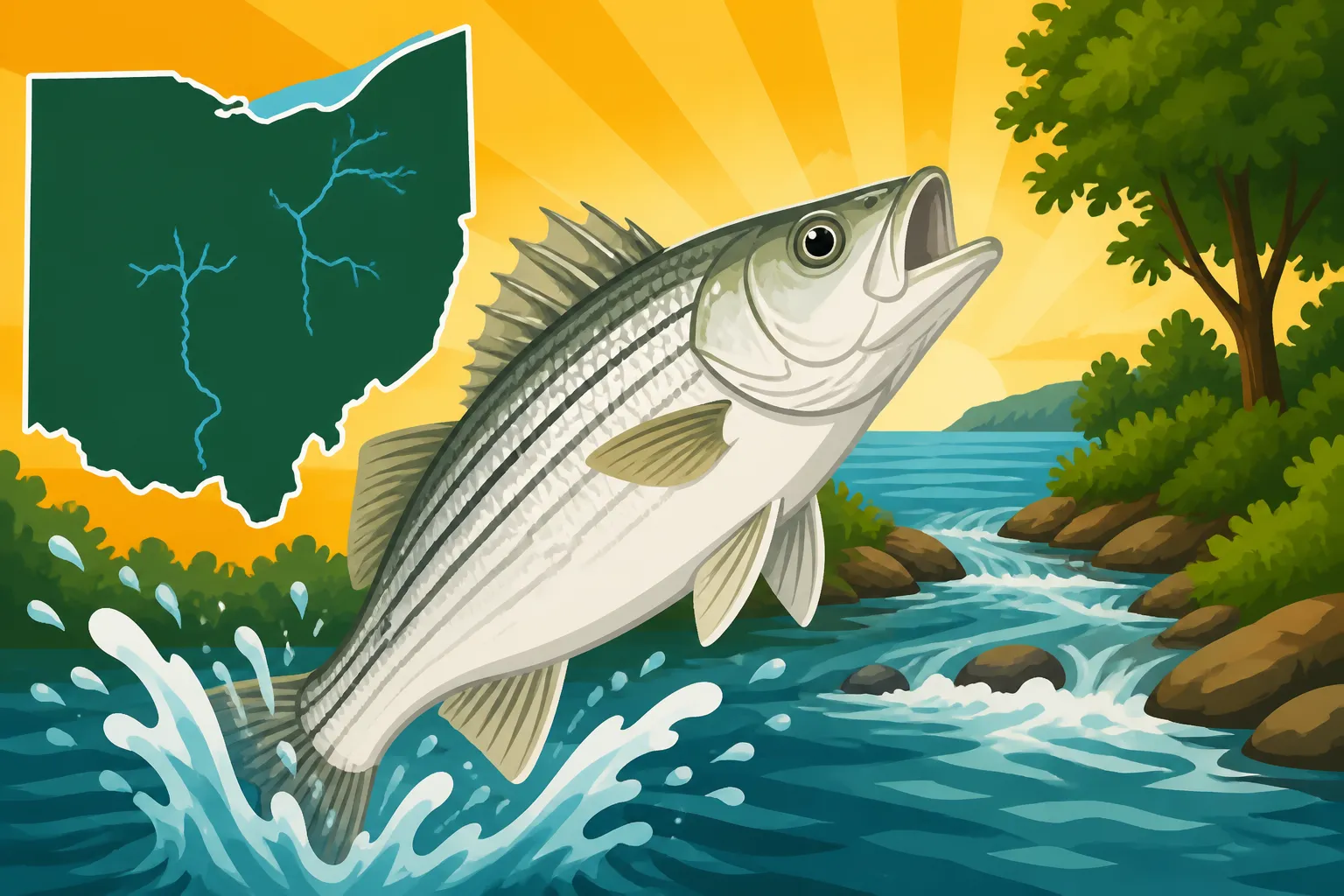
Imagine thousands upon thousands of hungry white bass, pushing their way up river systems from Lake Erie. That's essentially what a white bass run is. As spring turns to early summer, these fish abandon the open waters of the lake and move into the warmer, shallower, and often rockier stretches of rivers and larger creeks to reproduce. They're looking for areas with current and suitable spawning substrate, like gravel beds or rocky bottoms. This upstream migration makes them incredibly concentrated and often quite aggressive, leading to some of the most exhilarating fishing opportunities of the year. For shore anglers, in particular, it's a golden window, as these fish become readily available without needing a boat. It's truly a spectacle, with schools of white bass churning the water as they chase baitfish or respond to lures.
The sheer numbers of fish involved can be astounding. You can find yourself in a situation where you're catching a fish on nearly every cast, sometimes even multiple fish if you're using tandem rigs. This high-octane action makes the white bass run a favorite for families, beginners, and seasoned anglers alike, offering a chance for non-stop bending rods and plenty of memories.
Key Environmental Triggers for the Run
So, what flips the switch for these fish? It’s a combination of several environmental cues, but a few stand out as paramount. Knowing these triggers is your secret weapon for predicting the run's arrival.
The most critical factor is water temperature. White bass typically begin their upstream migration and spawning activity when tributary water temperatures consistently hit the sweet spot, often in the range of the mid-50s to low 60s Fahrenheit (around 13-17 degrees Celsius). They’re not looking for a single warm day, but a sustained period where the water warms up and stays there. A sudden cold snap can halt the run temporarily, sending fish back downriver until conditions stabilize.
River flow and recent rainfall also play a significant role. A good spring rain can actually be a blessing, as it often raises water levels and creates a stronger current, which can encourage the white bass to push further upstream. However, too much rain can lead to heavily muddied water, which might slow the bite or make it harder for fish to see your offerings. Anglers often look for that "just right" flow – enough current to attract fish, but clear enough for them to feed actively. Keeping an eye on river gauges and local weather reports can give you a significant advantage.
Finally, while less dramatic, the photoperiod (the increasing length of daylight hours) also acts as an underlying biological trigger. As the days grow longer after the winter solstice, it signals to the fish that spring is truly on its way, priming them for their annual spawning ritual. It's a subtle cue, but combined with the rising temperatures and favorable water conditions, it all aligns to kick off the epic white bass run.
Pinpointing the Timing: When to Expect the Action
Alright, let's get down to the nitty-gritty: when exactly can you expect these silver streaks to flood Ohio's Lake Erie tributaries? While Mother Nature always has the final say, there's a reliable window to keep your eyes peeled.
The Typical Window: Late Spring to Early Summer
Generally speaking, the white bass run in Ohio's Lake Erie tributaries is a late spring to early summer affair. You'll typically see the first real signs of activity beginning in late April, with the run often peaking throughout May. Depending on how quickly spring arrives and how consistently temperatures rise, the action can easily extend into early June.
It's crucial to remember that this is a general window, not a hard-and-fast date. One year, a warm spell in April might kick things off earlier, with phenomenal fishing by the end of the month. The next year, a lingering cold spring might push the peak well into May or even the first week or two of June. Think of it less like a scheduled event and more like a gradual unfolding. The first few fish are often the scouts, and once the main migration starts, it can last for several weeks, offering multiple opportunities to get out on the water. When the White Bass Run Happens on Lake Erie Tributaries is a phrase you'll hear debated by anglers every spring, proving that while there's a typical timeframe, flexibility is key.
Early Indicators and Scouting Tips
Being prepared means more than just having your gear ready; it means actively watching for the signs that the run is about to begin. Here's how to become an effective white bass scout:
1. Monitor Water Temperatures: This is your number one tool. Many online resources provide real-time water temperature data for major Ohio rivers. You can also invest in a simple, inexpensive water thermometer (easily found on Amazon) to take readings yourself directly in the tributaries. Look for those sustained readings in the mid-50s Fahrenheit as your green light. If you see the water hovering in the high 40s, you know it's close.
2. Observe Other Fish Behavior: Often, the white bass run coincides with, or closely follows, other spring migrations. For instance, the famous Maumee River Walleye Run Fishing happens earlier in spring, typically in March and April. Once the walleye action begins to wane, and water temperatures climb, it’s a good sign that white bass are next in line. You might also notice increased activity from baitfish like emerald shiners, which white bass will actively pursue.
3. Check Local Bait Shop Reports: The folks who work at bait shops near the prime tributaries are often the best source of real-time, on-the-ground intelligence. They hear from dozens of anglers every day and know exactly when the fish are showing up. A quick phone call or a visit can yield invaluable information. Similarly, local online fishing forums and social media groups dedicated to Ohio fishing can provide crowdsourced updates.
4. Go Scouting Yourself: Nothing beats firsthand experience. If you live close enough, take a drive down to your favorite river access points a few times a week as the season approaches. Look for anglers already fishing, watch for activity on the surface, or even just observe the water clarity and flow. Even if you don't fish, a short walk along the bank can tell you a lot.
Prime Lake Erie Tributaries for White Bass
While white bass can be found in many smaller creeks and streams that feed into Lake Erie, some river systems are legendary for their consistent and spectacular runs. These are the places you'll want to focus your attention.
Major River Systems to Watch
When it comes to Ohio's Lake Erie tributaries, a few rivers consistently produce incredible white bass action year after year.
The Maumee River is, without a doubt, the king of Lake Erie tributaries, and it's not just for walleye. While the walleye run gets all the early spring headlines, the white bass run on the Maumee is equally, if not more, prolific in terms of sheer numbers of fish. Access is fantastic, especially around the Toledo area, with numerous public parks and fishing platforms like the popular Maumee Side Cut Metropark and the access points around the Bluegrass Island area. The river is wide and relatively shallow in many places, making it ideal for both boat and shore anglers. The current here can be strong, so understanding your gear and casting techniques for river fishing is important.
Another powerhouse is the Sandusky River. Flowing through Fremont, this river also hosts an incredible white bass run. Like the Maumee, it offers abundant public access, including parks and dams where fish congregate as they move upstream. The stretch below the Ballville Dam (or where it once stood) and downriver towards Lake Erie is particularly productive. Anglers flock here for the consistent action, and the community is very angler-friendly, with bait shops and lodging catering to the fishing crowds. Don't overlook the Sandusky River Walleye Run Fishing as an earlier indicator, as the white bass usually follow close behind.
Beyond these two giants, many other smaller rivers and streams along Ohio's Lake Erie coast also experience white bass runs. These include the Portage River, the Huron River, the Vermilion River, the Rocky River, and the Grand River. While they might not draw the same massive crowds as the Maumee or Sandusky, they can offer excellent, sometimes less pressured, fishing opportunities. They are generally narrower and can warm up a bit faster, sometimes offering earlier action or more localized hot spots.
How to Access and Fish These Areas During the Run
Accessing these prime white bass spots is usually straightforward, but dealing with potential crowds requires a bit of planning and patience.
Public Access Points: Most major rivers have well-maintained public access points, boat launches, and dedicated fishing areas. Metroparks, state parks, and city parks often provide ample parking and shoreline access. For places like the Maumee and Sandusky, you'll find long stretches of accessible riverbank. Be sure to respect private property and posted signs.
Shore Fishing vs. Boating: White bass runs are fantastic for shore anglers. The fish come right to you! Simple setups with light spinning gear are all you need. Focus on current breaks, eddies, and deeper holes. If you have a small boat, kayak, or canoe, you can often reach less pressured spots or drift productive sections of the river. Just be mindful of other anglers and respect their space.
Dealing with Crowds: When the bite is on, these spots can get busy, especially on weekends. A little courtesy goes a long way. Maintain a reasonable distance from other anglers, and if someone is on a hot streak, observe and learn rather than crowding them. Arriving early in the morning or fishing during weekdays can help you avoid the peak crowds. It's also wise to check for any local regulations or designated fishing zones that might apply during peak run times. Remember to check Ohio Fishing Regulations Every Angler Should Know before you head out.
Maximizing Your Chances During the Run
You've timed the run, you're at a prime location – now how do you make the most of it? A few strategic choices in conditions, gear, and tactics can significantly improve your success.
Best Conditions and Time of Day
Even during an active run, some conditions are better than others. White bass are usually pretty agreeable, but paying attention can lead to even more fish in your cooler.
Weather Wisdom: While white bass aren't as finicky as some species, stable weather patterns generally lead to more consistent fishing. Overcast or partly cloudy days often produce better than bright, sunny days, as the diffused light can make the fish feel more secure and less wary. A gentle breeze is fine, but strong winds can make casting difficult, especially with light lures, and can also churn up the water, reducing clarity. A slight rise in water level after a rain can trigger a surge of fish, but if the water turns extremely muddy, the bite might slow until it clears a bit.
Golden Hours: Just like many other fish species, white bass are often most active during the low-light periods of the day. Early morning (from dawn until a couple of hours after sunrise) and late evening (the last few hours before sunset) are frequently the most productive times. During these periods, white bass are more prone to chasing baitfish closer to the surface and along the banks. Don't discount midday altogether, especially on overcast days, but if you're looking for the hottest action, plan your trips around the sunrise and sunset windows.
Essential Gear and Tactics
You don't need a boatload of fancy equipment to catch white bass, which is one of the beauties of this fishery. Simplicity and effectiveness are key.
Rods and Reels: Light to medium-light spinning tackle is perfect. A 6 to 7-foot rod with a fast or moderate-fast action will allow for good casting distance and sensitivity, while still having enough backbone to handle a feisty white bass. Pair it with a 1000 to 2500 size spinning reel spooled with 6-10 pound monofilament or braided line. Choosing the Right Ohio Fishing Line is important; a lighter line can increase casting distance and reduce visibility to the fish.
Lures that Deliver: White bass are aggressive and will strike a variety of artificial lures. The name of the game is usually small, flashy, and fast-moving.
- Jigs: Small marabou jigs, grub jigs (like Kalin's Grubs or generic soft plastic grubs found on Amazon), or hair jigs in white, chartreuse, or pink are deadly. Tip them with a small piece of live minnow or a scented soft plastic for added appeal.
- Inline Spinners: Classic inline spinners like Mepps or Rooster Tail (also available on Amazon) in sizes #0 to #2 are irresistible. Silver, gold, or chartreuse blades are popular choices.
- Spoons: Small casting spoons, especially in silver or gold, can be very effective, mimicking baitfish.
- Small Crankbaits: Very small lipless crankbaits or shallow-diving crankbaits can also draw strikes, especially in slightly deeper water.
- Tandem Rigs: To maximize your chances, try a tandem rig with two small jigs or a jig-and-spinner combination. Just ensure your setup complies with How Many Fishing Lines You Can Use in Ohio rules.
Tactics:
- Cast and Retrieve: The most common technique is simply casting upstream or across the current and retrieving steadily. Vary your retrieve speed until you find what the fish are responding to.
- Jigging: If fish are holding in deeper holes or near structure, vertical jigging can be effective.
- Staying Mobile: Don't be afraid to move if you're not catching fish. White bass often move in schools, and if the bite dies down, they might have moved on. Covering water can be crucial.
- Look for Boils: Keep an eye out for surface commotion. If you see white bass actively busting bait on the surface, cast right into the frenzy!
For a more general overview, check out our Best Lures for Ohio Fishing and Best Ohio Fishing Gear and Tackle Guide. Remember, the white bass run is about action, so keep it simple, stay adaptable, and have fun!
| Tributary River | Typical Run Timing | Primary Access Type | Key Characteristics |
|---|---|---|---|
| Maumee River | Late April – Mid-May | Shore, Boat/Kayak | Largest run, wide river, strong current, excellent public access. |
| Sandusky River | Late April – Early June | Shore, Boat/Kayak | Strong run, good public access, fish congregate below old dam site. |
| Portage River | May | Shore, Small Boat | Smaller river, can warm faster, good for less crowded experience. |
| Huron River | May | Shore, Kayak | Scenic, varied depths, good local spots. |
| Rocky River | May | Shore, Kayak | Closer to Cleveland, popular steelhead river also gets white bass. |
| Grand River | May – Early June | Shore, Kayak | Northeast Ohio, can offer good numbers when conditions are right. |
Disclaimer
This article is for general informational purposes only and does not constitute professional advice. Laws, prices and regulations vary by location and change over time. Consult a qualified professional for guidance on your specific situation.