Ohio Saugeye Minimum Length Limit
It’s a tale as old as time for Ohio anglers: you’re out on the water, you feel that familiar tug, and after a thrilling fight, you reel in a beautiful saugeye. Your heart races, but then the crucial question hits you – "Is this one a keeper?" The rules and regulations for saugeye, especially around minimum length limits, can sometimes feel like a moving target, varying from one body of water to another. This guide is here to untangle that confusion, providing clear, straightforward information on Ohio's saugeye minimum length limits, ensuring you stay compliant and contribute to the health of our beloved fisheries.
Understanding Ohio's Saugeye Regulations
Fishing in Ohio is a fantastic pastime, but it comes with the responsibility of understanding and adhering to the rules set by the Ohio Department of Natural Resources (ODNR) Division of Wildlife. Saugeye, a popular hybrid cross between a female walleye and a male sauger, are a fantastic sport fish, offering strong fights and excellent table fare. However, because they're a hybrid, and because they can look so similar to their parent species, particularly walleye, their regulations often have their own specific details. It's not just about knowing what's in the water, but knowing what the state expects from you. You can find comprehensive details in the official Ohio Fishing Regulations Every Angler Should Know guide.
The Importance of Length Limits in Conservation
You might wonder why these specific length limits even exist. It's not just to make things complicated for us anglers, I promise! The minimum length limit on saugeye, and indeed on many other species, is a critical tool for fish population management and conservation. Imagine if everyone kept every fish they caught, regardless of size. The younger, smaller fish wouldn't have a chance to grow, mature, and reproduce. This would quickly deplete fish stocks, leading to fewer fish for future generations and a less enjoyable fishing experience for everyone.
Length limits ensure that a significant portion of the saugeye population has the opportunity to reach sexual maturity and spawn at least once, contributing new generations to the fishery. This "slot limit" or "minimum size" approach helps maintain a healthy age structure within the fish population, promoting sustainable angling. It's a way of saying, "Let the little ones go, so they can become big ones later." ODNR biologists carefully study growth rates, spawning success, and population health in specific lakes and rivers to determine the most effective length limits for saugeye and other species. This ensures that Ohio's fantastic saugeye fishing remains vibrant for years to come.
Saugeye vs. Walleye: Why the Distinction Matters
One of the biggest hurdles for many anglers, especially new ones, is telling the difference between a saugeye and a walleye. They share so many characteristics, and it’s easy to get them mixed up, especially when you’re excited about a catch. However, distinguishing between them is crucial because their regulations, including minimum length limits and daily bag limits, can differ. For instance, you might find varying limits on Lake Erie Walleye Bag Limits compared to inland saugeye rules.
Here's a quick rundown of the key differences to help you out:
- Saugeye: Often have dark, mottled markings, almost like vertical bars, on their sides. They also typically have distinct dark spots on the spiny dorsal fin (the front fin on their back). Their tail fin usually has a white tip on the lower lobe, but it's often less pronounced than a walleye's.
- Walleye: Tend to be more uniformly colored, often olive-green to gold. The most reliable identifier for a walleye is the prominent white tip on the lower lobe of its tail fin, which is almost always present and very distinct. While they might have some darker blotches, they usually lack the distinct vertical bars and the spotted dorsal fin of a saugeye.
It can be tough, especially in low light or when the fish is thrashing, but taking a moment to identify your catch correctly can save you a headache later. ODNR has great resources for Ohio Saugeye vs Walleye Identification, and it's always a good idea to brush up on these details before heading out. The reason the distinction matters so much is that misidentification could lead to accidentally violating the regulations for one species while thinking you're legal for another.
Specific Saugeye Minimum Length Limits Across Ohio Waters
Alright, let's get down to brass tacks: what's the actual rule? This is where many anglers get tripped up, because while there's a general statewide guideline, certain bodies of water have their own special rules. It's crucial to know which category your favorite fishing spot falls into. This is part of the Ohio Statewide Bag and Size Limits that apply to all anglers.
Statewide Regulations for Saugeye
For most inland lakes and reservoirs in Ohio, the standard saugeye minimum length limit is 15 inches. This means any saugeye you catch that measures less than 15 inches from the tip of its nose to the end of its tail (pinched) must be immediately and carefully released back into the water. This statewide rule applies to a vast majority of Ohio's fantastic saugeye fisheries, including many of the popular reservoirs that are regularly stocked with these feisty hybrids.
In addition to the length limit, there's also a daily bag limit for saugeye. Anglers are generally allowed to keep six saugeye per day that meet the minimum length requirement. This combination of length and bag limits is designed to manage the saugeye population effectively, allowing for a healthy fishery while providing ample opportunity for anglers to bring home a tasty meal. Always double-check the current year's fishing regulations booklet (available online or at license vendors) to confirm any potential updates to these rules.
Special Exemptions and Notable Water Bodies
While the 15-inch minimum and six-fish daily bag limit apply to most waters, Ohio does have some specific exemptions. These special regulations are put in place by the ODNR to address unique management needs or fishing pressures on particular bodies of water. Ignoring these special rules can land you in trouble, so it's always worth checking before you fish.
Here are a few notable examples where saugeye length limits might differ:
- Lake Erie Tributaries: While Lake Erie itself is primarily known for its walleye and yellow perch, saugeye can sometimes be found in its tributaries, especially during migratory periods. However, the specific regulations for saugeye in these river systems often align with the statewide inland rules or are covered under broader walleye/saugeye/sauger regulations that might have different nuances. It's less common to target saugeye specifically in Lake Erie tributaries, but always good to be aware.
- Specific Reservoirs: Occasionally, certain reservoirs or lakes might have a complete "no minimum length limit" for saugeye or a different length requirement altogether. These are often in smaller, highly managed impoundments where population dynamics are closely monitored, and specific goals (like reducing overpopulation of small saugeye) might be in play. Always consult the specific regulations for the body of water you intend to fish. For instance, some of the popular Best Ohio Reservoirs for Walleye and Saugeye might have these unique rules. ODNR also provides information on Which Ohio Lakes Have No Minimum Length for Walleye and Saugeye.
Key Takeaway: Before you head out, especially if you're exploring a new fishing spot, make it a habit to check the ODNR Division of Wildlife's current fishing regulations specific to that body of water. A quick search on their website or a glance at the printed guide can prevent a lot of frustration and potential penalties.
Here's a simplified table summarizing common saugeye regulations in Ohio:
| Water Body Type | Minimum Length Limit (Saugeye) | Daily Bag Limit (Saugeye) | Notes |
|---|---|---|---|
| Most Inland Lakes/Res. | 15 inches | 6 fish | Standard statewide regulation. |
| Select Lakes/Res. | Varies (e.g., No Minimum) | Varies | Always check specific lake regulations before fishing. |
| Ohio River | 14 inches | 10 fish (Walleye/Saugeye/Sauger combined) | Shared with Kentucky/West Virginia, specific nuances apply. |
Note: This table provides general guidance. Regulations can change, and specific water bodies may have unique rules. Always consult the current Ohio Fishing Regulations booklet for the most up-to-date and precise information.
How to Accurately Measure Your Catch
Measuring your fish correctly is not just about adhering to the rules; it's about being a responsible and ethical angler. An improperly measured fish could lead to an accidental violation or, conversely, releasing a keeper. So, let’s go over the proper technique.
First and foremost, you'll need a reliable measuring device. A flat, rigid measuring board or tape measure is ideal. You can find excellent options on retailers like Amazon, some even specifically designed for fishing with built-in bumps to easily butt the fish's nose against. It's a small investment that pays off big time in peace of mind.
Here’s the step-by-step process for measuring your saugeye:
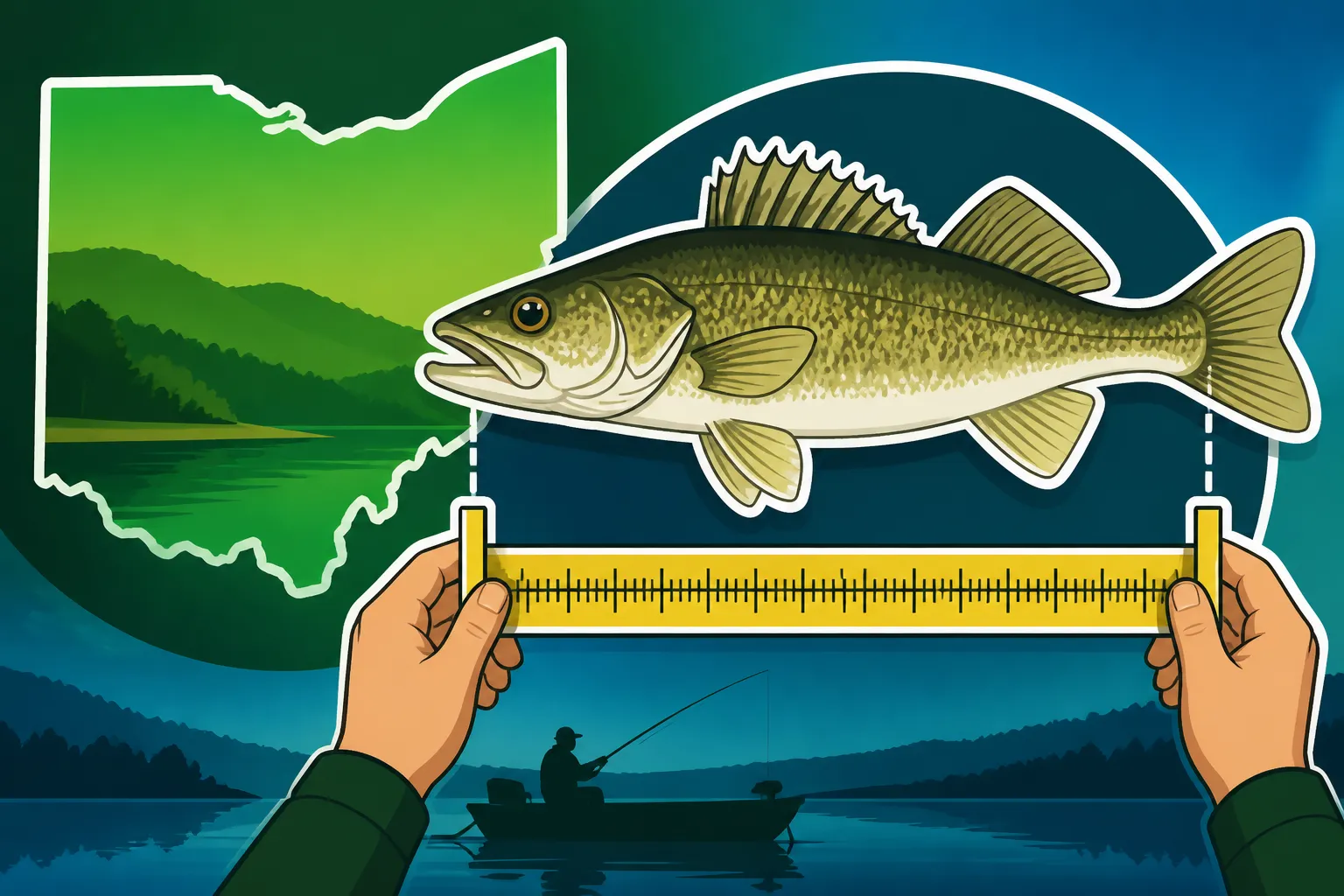
- Lay the Fish Flat: Gently lay the fish on its side on your measuring board or next to your tape measure. Make sure its mouth is closed, and its nose is against the measuring stop or the zero mark of your tape.
- Pinch the Tail: While keeping the nose at the zero mark, gently squeeze or "pinch" the tail lobes together so that the tip of the tail extends as far as possible. This is often referred to as "total length, tail pinched."
- Read the Measurement: Read the measurement at the furthest point of the tail. That’s your official length.
Remember to handle the fish with wet hands to protect its slime coat, and try to keep it out of the water for the shortest time possible, especially if you intend to release it. Quick and accurate measurement is key to reducing stress on the fish. For more tips on catch and release, especially for larger fish, you might find information in guides like "How to Handle and Release an Ohio Muskie" helpful, as the principles of careful handling apply across species.
Practical Tips for Adhering to Saugeye Length Limits
It’s one thing to know the rules, but it’s another to put them into practice consistently on the water. Responsible angling means being prepared and having a plan for every fish you catch. This includes everything from the moment you hook a fish to the decision of keeping or releasing it.
Essential Gear for Responsible Angling
Having the right tools at hand makes complying with regulations much easier and less stressful for both you and the fish. Don't leave home without these key items:
- Measuring Device: As mentioned, a rigid measuring board or a durable, waterproof tape measure is non-negotiable. Look for one that's easy to read and long enough for potential trophy saugeye (at least 20-24 inches). You can find reliable, marine-grade options on Amazon.
- Needle-Nose Pliers or Hemostats: These are invaluable for quickly and safely removing hooks, especially from deeper-hooked fish. Minimizing the time a fish is out of water is crucial for its survival if you're releasing it.
- Net with Rubber Mesh: A net with rubberized or knotless mesh is much gentler on a fish's fins, scales, and protective slime coat than traditional knotted nylon nets. This is particularly important for fish you plan to release. It prevents damage and reduces stress.
- Camera (Optional, but Recommended): If you catch a beautiful saugeye that’s just shy of the legal limit, a quick photo before release allows you to capture the memory without breaking the rules. Always prioritize the fish's health over the perfect shot.
- Gloves (for larger fish): While not always necessary for saugeye, for larger fish, gloves can help you get a better grip while protecting your hands from spines, and they can also help protect the fish's slime coat if kept wet.
Investing in quality gear, particularly a good measuring device and a proper net, isn't just about convenience; it's a testament to your commitment to ethical fishing. For a broader look at what to bring, check out a guide on Best Ohio Fishing Gear and Tackle Guide.
What to Do with Undersized Fish
So, you’ve reeled in a saugeye, measured it, and it's just under the legal 15-inch mark. What now? The answer is simple: immediate and careful release. This is where your preparedness really shines.
Here's how to maximize the chances of survival for an undersized saugeye you're releasing:
- Minimize Air Exposure: Try to keep the fish in the water as much as possible, even during hook removal and measurement. If you must lift it out, do so quickly.
- Wet Hands: Always wet your hands before touching the fish. Dry hands can remove the fish's protective slime coat, making it vulnerable to infection.
- Support the Fish: If you lift the fish, support its body horizontally, especially if it's a larger one. Avoid holding it vertically by the jaw or gills, which can damage its internal organs or jaw.
- Quick Hook Removal: Use your pliers or hemostats to quickly and gently remove the hook. If the fish is deeply hooked and removal would cause significant damage, it's sometimes better to cut the line as close to the hook as possible. Barbless hooks can also make removal much easier.
- Revive if Necessary: If the fish seems sluggish or disoriented after being unhooked, gently hold it upright in the water and move it back and forth to force water over its gills. This helps it "breathe" until it regains its strength and can swim away on its own.
Remember, releasing an undersized saugeye isn't a failure; it's a victory for conservation and for the future of Ohio fishing. Every released fish is an investment in healthier populations and better fishing experiences down the line.
Consequences of Non-Compliance
Nobody wants to deal with a wildlife officer for a fishing violation. It’s stressful, embarrassing, and can be costly. Understanding the potential repercussions of not following the rules, especially minimum length limits, might just be the motivation you need to always measure carefully and err on the side of caution. Even if you hold an Ohio Fishing License Guide for Residents and Nonresidents, it doesn't exempt you from regulations.
Fines and Penalties for Violations
Fishing without a license or keeping undersized fish (or over the bag limit) are not minor infractions in Ohio. Wildlife officers are out there actively patrolling, and they take these regulations seriously for good reason: to protect our natural resources.
If you're caught with an undersized saugeye, or too many saugeye, the consequences can include:
- Fines: These can range significantly depending on the severity of the violation, the number of fish involved, and whether it's a first offense or a repeat offense. Fines can easily be several hundred dollars, plus court costs.
- Seizure of Catch and Gear: Wildlife officers have the authority to confiscate illegally taken fish. In some cases, they can also seize fishing gear, including rods, reels, and even boats, particularly for repeat or egregious violations.
- License Suspension/Revocation: Depending on the nature and history of the violation, your fishing license could be suspended or even permanently revoked. This means you wouldn't be able to legally fish in Ohio for a period of time, or ever again in severe cases.
- Restitution: In some instances, you might be required to pay restitution for the value of the illegally taken fish, especially if it's a trophy-sized fish.
It's truly not worth the risk. A few extra moments to measure properly or a decision to release a questionable fish can save you a world of trouble and expense. The ODNR provides details on Wildlife Officer Violation Fines in Ohio, so it's always good to be informed.
The Broader Impact on Fisheries
Beyond the personal legal and financial repercussions, violating fishing regulations, especially length limits, has a detrimental ripple effect on the entire fishery. When too many undersized fish are removed from the population:
- Reduced Spawning Success: Fewer young fish survive to maturity, meaning fewer fish are available to reproduce. This can lead to a decline in future fish populations.
- Unbalanced Age Structure: The removal of small fish can skew the age distribution, leading to a population dominated by older fish that are less resilient to environmental changes or disease.
- Poorer Fishing for Everyone: Ultimately, when fish populations suffer, so does the fishing experience for all anglers. Fewer, smaller fish mean less excitement, less challenge, and fewer opportunities to harvest a meal.
- Increased Management Costs: When regulations are ignored, the state often has to spend more resources on stocking programs, habitat restoration, and increased enforcement to try and compensate, which ultimately comes from taxpayer dollars and license fees.
Every angler has a role to play in maintaining healthy and thriving fisheries. Adhering to minimum length limits and all other Ohio Fishing Season Dates and Effective Periods isn't just about avoiding a fine; it's about being a steward of Ohio's natural resources and ensuring that future generations can enjoy the same fantastic fishing opportunities we have today.
Disclaimer
The information provided in this guide is intended for general informational purposes only and is subject to change. While we strive to provide accurate and up-to-date content, fishing regulations, including minimum length limits and bag limits, are set by the Ohio Department of Natural Resources (ODNR) Division of Wildlife and can be modified at any time. It is the angler's sole responsibility to consult the most current official Ohio Fishing Regulations booklet or the ODNR Division of Wildlife website before engaging in any fishing activity. Failure to do so may result in penalties or fines. This guide does not constitute legal advice.