What Smallmouth Bass Eat in Ohio Lakes
There's nothing quite as frustrating as heading out to your favorite Ohio lake or river, casting your line with high hopes, and coming up empty-handed for smallmouth bass. You've tried every color, every retrieve, every depth – but sometimes, it feels like you're speaking a different language than the fish. Often, the missing piece of the puzzle isn't your technique, but simply understanding what those bronze-backed beauties are actually munching on. This guide will dive deep into the diverse and sometimes surprising diet of smallmouth bass in Ohio waters, helping you crack the code and choose the perfect meal for your next trophy catch.
The Dynamic Diet of Ohio's Smallmouth Bass: Why Understanding it Matters
Smallmouth bass are incredible game fish, known for their aggressive strikes and powerful fights. But their feeding habits are a lot more nuanced than just "anything that moves." To consistently catch them, you need to think like a smallmouth, which means understanding their dietary preferences and how they change with the seasons and the specific body of water you're fishing.
Smallmouth as Opportunistic Hunters
Think of a smallmouth bass as a cunning, opportunistic hunter. They don't just wait for food to come to them; they actively seek it out, often ambushing prey from cover. Their diet is largely dictated by what's readily available, easy to catch, and provides a good caloric return for the energy expended. It's so frustrating to throw everything in your tackle box and get nothing, only to realize you were just offering the wrong meal! They're not picky eaters in terms of variety, but they are particular about what looks real and vulnerable at any given moment. This adaptability is what makes them such successful predators across Ohio's diverse aquatic environments, from the rocky shores of Lake Erie to the flowing currents of our inland rivers.
The Local Menu: How Lake and River Ecosystems Influence Forage
Ohio is home to an incredible array of smallmouth habitats, and what a smallmouth eats in a clear, deep inland reservoir might be completely different from what one consumes in a shallow, rocky stream or the vast expanse of Lake Erie. Each ecosystem presents a unique buffet. For instance, in areas of Lake Erie, the introduction of invasive species like the round goby has significantly altered the smallmouth diet. These bottom-dwelling fish, while sometimes seen as a nuisance, have become a major food source for Lake Erie smallmouth, providing a readily available and high-protein meal. Conversely, a smallmouth in a pristine stream might focus more on insects and crayfish native to that specific environment. Understanding these regional variations is crucial for becoming a truly effective angler. You really need to scout your specific location and observe what natural prey might be present.
Primary Food Sources: What Smallmouth Bass Crave in Ohio
While smallmouth are opportunistic, there are a few consistent menu items that tend to be at the top of their list across Ohio. These are the food sources you should always have in mind when planning your attack.
Crustaceans: The Irresistible Crunch of Crayfish
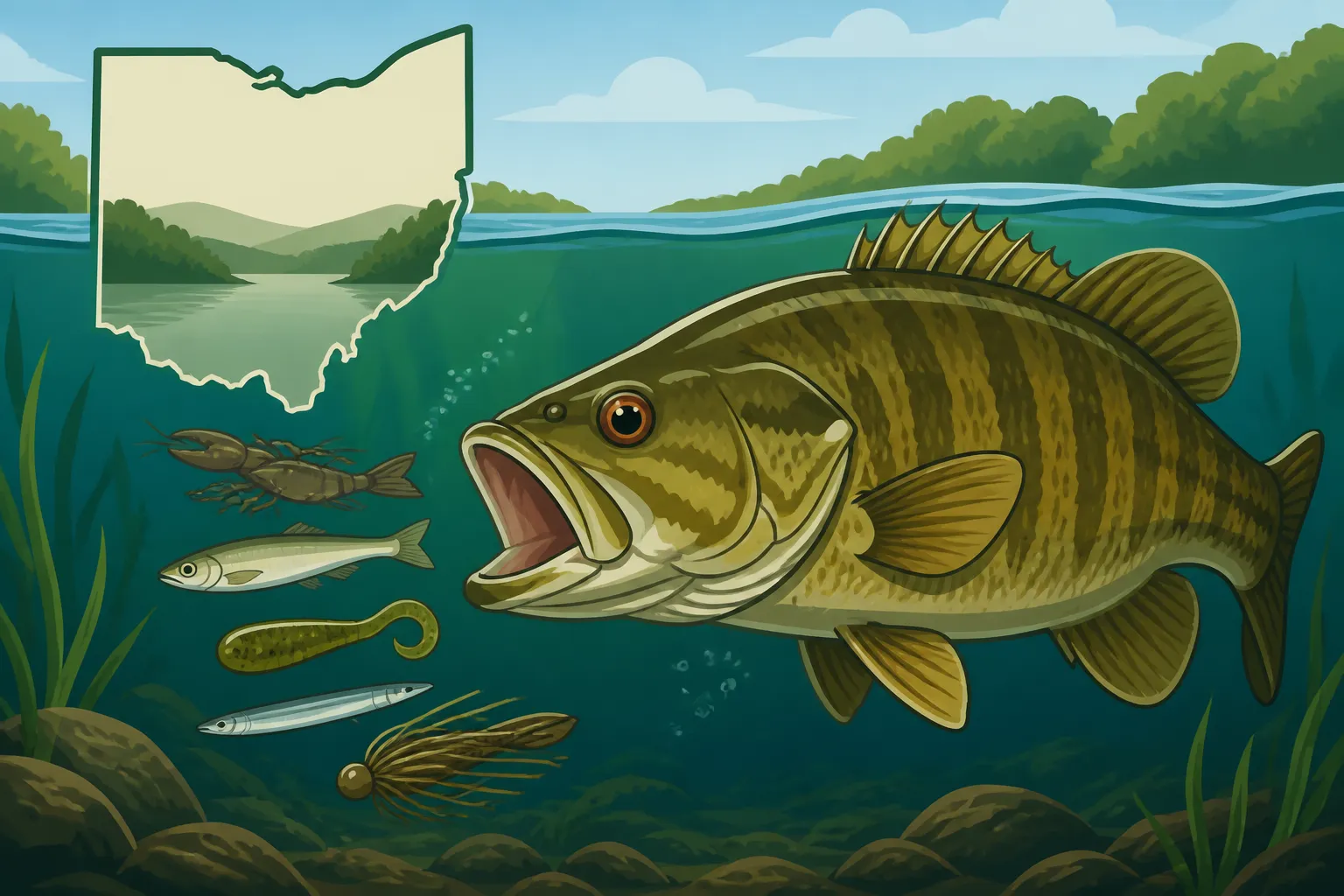
If there's one item that screams "smallmouth bass dinner," it's the crayfish. These hard-shelled invertebrates are an absolute staple in the diet of smallmouth bass across Ohio, from the deep clear waters of Lake Erie to the shallow rocky rivers. Smallmouth absolutely love crayfish, and for good reason! They're slow-moving, relatively easy to ambush, and provide a substantial, high-calorie meal that helps the bass pack on weight quickly.
Ohio waters are home to several species of crayfish, each with slightly different colors and sizes. You'll find everything from rusty crayfish to various native species. Smallmouth will key into the predominant crayfish in their area. During molting periods, when crayfish shed their hard shells and are soft and vulnerable, smallmouth go into a feeding frenzy. They're often found hiding under rocks and logs, waiting for an unsuspecting crayfish to scuttle by. When you're browsing for these essential items, whether it's specific jig heads or bulk packs of soft plastic tubes, checking out a wide selection on Amazon can save you a trip to multiple bait shops. Mimicking a crayfish's scuttling, defensive movements along the bottom with a jig or a tube bait is one of the most consistently effective ways to target smallmouth in Ohio. For more detailed tips on landing these fighters, check out our Ohio Smallmouth Bass Fishing Guide.
Baitfish: The Schools of Sustenance
While crayfish might be the comfort food, various baitfish offer a high-energy, easy-to-chase meal that smallmouth can't resist, especially when they school up. Smallmouth are incredibly adept at ambushing schools of baitfish, using their speed and agility to dart in and out, picking off individuals.
Common baitfish found in Ohio waters that fall prey to smallmouth include various shiners, minnows, and, as mentioned, the pervasive round goby, particularly in Lake Erie and its tributaries. These gobies, while an invasive species, have become a significant part of the smallmouth diet in areas where they are abundant, leading to larger, fatter smallmouth bass. Smallmouth will chase baitfish aggressively, especially in open water or along current breaks. Lures that accurately imitate the size, shape, and flash of these baitfish can be incredibly effective. Consider jerkbaits that suspend and dart like an injured minnow, or swimbaits that replicate the natural swimming action of a shiner. Understanding the specific baitfish present in a body of water is a huge advantage. Pay attention to what you see jumping or fleeing in the shallows – that's a clue to the local menu. If you're wondering about where these fish prefer to live, you might be interested in Smallmouth Bass Habitat Preferences.
Insects and Other Aquatic Invertebrates
Smallmouth bass aren't just big game hunters; they also have a keen eye for smaller, more delicate morsels, especially when they're plentiful. Insects and other aquatic invertebrates play a significant role in their diet, particularly in rivers and streams, or during specific hatches on lakes.
This category includes everything from hellgrammites (the larval stage of dobsonflies) that cling to rocky bottoms, to various dragonfly larvae, mayfly nymphs, and even terrestrial insects like grasshoppers, cicadas, and beetles that accidentally fall into the water. Fly anglers often capitalize on these hatches, using perfectly matched patterns to entice strikes. Even spin fishermen can mimic these smaller prey items with tiny jigs, soft plastic nymphs, or small topwater lures during periods of high insect activity. Observing what's buzzing around the surface or what you find under rocks can give you valuable clues. These smaller food sources contribute to a smallmouth's overall diet and can be crucial during times when larger prey is scarce or less active.
Seasonal Dietary Shifts and Feeding Patterns
Just like our own appetites change with the seasons (who doesn't crave comfort food in winter?), a smallmouth bass's diet and feeding patterns evolve throughout the year. Ignoring these shifts is a common mistake that can leave you with an empty livewell.
Spring: Post-Spawn Recovery and Shallow Water Foraging
As Ohio waters begin to warm in spring, smallmouth bass emerge from their deeper winter haunts. Post-spawn, they are often in a recovery phase, needing to replenish energy stores after the rigors of spawning. This is a time of aggressive feeding, and they'll often move into shallower areas to find abundant food.
Crayfish become incredibly active in the spring, making them a prime target. Additionally, various insect hatches begin, providing a diverse menu. Smallmouth will aggressively hit crankbaits, jerkbaits, and jigs as they shake off the winter sluggishness. They are less wary in the spring, focusing on easily accessible meals. Fishing the transition areas where shallow water meets deeper structure can be incredibly productive. Understanding the nuances of this season can make or break your trip, so consider checking out Best Spring Fishing Techniques in Ohio.
Summer: Thermocline, Deep Structure, and Diverse Prey
Summer brings warmer water temperatures, pushing smallmouth bass into deeper, cooler waters, often along the thermocline in lakes or into the faster, oxygenated currents and deeper pools of rivers. While they might not be as constantly aggressive as in spring, their diet remains diverse.
During summer, smallmouth bass will relate heavily to deep structure like rock piles, ledges, submerged timber, and current seams. Their diet will still include crayfish and baitfish, but they might also key in on larger insects or even small amphibians. Trolling, deep jigging, and drop-shotting become more prevalent techniques to reach these fish. Look for areas with a good supply of oxygen and bait, as smallmouth will hold tight to these zones. For tips on battling the summer heat and finding success, our Best Summer Fishing Techniques in Ohio guide has some great insights.
Fall: The Pre-Winter Feast
As autumn arrives and water temperatures begin to drop, smallmouth bass enter a critical feeding period. This "fall fattening" is essential for them to build up the necessary fat reserves to survive the lean winter months. They become incredibly aggressive, often targeting larger, high-calorie meals.
Baitfish become a primary target as they, too, begin to school up and move to deeper water. Smallmouth will chase down schools of shiners or gobies with abandon. Crayfish are still on the menu, but the emphasis shifts towards larger, more substantial prey. Crankbaits, jerkbaits, and spinnerbaits retrieved at a faster pace can be incredibly effective during this time. Don't be afraid to throw bigger baits, as smallmouth are looking for efficiency in their meals. This is often when anglers catch their biggest smallmouth of the year. To maximize your chances, understanding the best approaches for this season is key, and you can learn more in Best Techniques for Ohio Smallmouth Bass.
Winter: Slowed Metabolism, Sparse Meals
When the harsh Ohio winter sets in and water temperatures plummet, a smallmouth bass's metabolism slows significantly. While they don't stop eating entirely, their feeding becomes much less frequent and more opportunistic.
Smallmouth will typically retreat to the deepest, most stable water they can find, often near rock piles or other hard structure. Their diet during this time will consist of slow-moving or lethargic prey, primarily crayfish and baitfish that are also hunkered down. Ice fishing for smallmouth can be surprisingly productive if you locate these wintering holes. Small, subtle presentations with jigs, spoons, or even live minnows are often the most effective. Patience is key, as strikes can be very light. If you're interested in fishing year-round, our Ohio Fishing Season Calendar can help you plan your winter outings.
Translating Smallmouth Diet into Successful Lure Choices
Now that we understand what smallmouth bass are eating, the real magic happens: selecting the right lure to mimic that forage. It's not just about throwing a lure; it's about presenting a believable meal.
Mimicking Crayfish: Jigs, Tubes, and Creature Baits
When crayfish are on the menu, you want lures that hug the bottom and imitate their scuttling, defensive posture, or fleeing movements.
- Jigs: Rubber or hair jigs in greens, browns, and oranges are fantastic. A retrieve that involves dragging, hopping, or slowly lifting and dropping the jig can perfectly imitate a crayfish.
- Tubes: Soft plastic tubes, often rigged with an internal jig head, are perhaps the most iconic smallmouth bait. Their hollow body and tentacles perfectly mimic a crayfish. Colors like green pumpkin, watermelon, and browns are standard. You can find an incredible variety of crayfish imitations, from realistic soft plastic tubes to hard-bodied crankbaits, on platforms like Amazon.
- Creature Baits: These soft plastics come in all shapes and sizes, often with appendages that flap and undulate, making them ideal for imitating crayfish or other bottom-dwelling invertebrates. Rig them on a Texas or Carolina rig to fish through rocks and cover.
Experiment with retrieve speeds. Sometimes a slow, methodical drag is best; other times, a quicker hop can trigger a reaction strike from a fleeing imitation.
Emulating Baitfish: Jerkbaits, Crankbaits, and Swimmerbaits
When smallmouth are keyed into baitfish, you need lures that replicate their flash, movement, and vibration.
- Jerkbaits: These lures are designed to be retrieved with a "jerking" motion, causing them to dart erratically, suspend, and then float back up, perfectly imitating an injured or disoriented baitfish. Silver, chrome, and natural baitfish patterns are excellent.
- Crankbaits: From shallow-diving models that deflect off rocks to deep divers that reach thermoclines, crankbaits provide a consistent swimming action and a lot of vibration. Match the size and color to the prevalent baitfish.
- Swimbaits: Soft plastic swimbaits, often rigged on a jig head or a weedless hook, offer a lifelike swimming action. They can be incredibly versatile, fished at various depths.
- Spinnerbaits: While not direct imitations, spinnerbaits create a lot of flash and vibration, resembling a fleeing school of baitfish or a single, frantic minnow. They are great for covering water and fishing through sparse cover.
Remember to vary your retrieve. Sometimes a fast, steady retrieve works, but often, a stop-and-go or erratic retrieve will generate more strikes. For a broader look at lures, consult our Best Lures for Ohio Fishing guide.
Surface and Sub-Surface Insect Patterns
While not always the primary focus, don't overlook lures that mimic insects, especially during hatches or in specific river conditions.
- Topwater Poppers and Walkers: When terrestrial insects or large aquatic insects are active on the surface, topwater lures that create commotion can be irresistible. A "walk-the-dog" retrieve with a Spook-style lure, or the popping action of a G-Fin-style lure, can draw explosive strikes.
- Small Jigs and Soft Plastics: Tiny tube jigs, grubs, or Ned rigs can mimic various nymphs or larvae drifting through the water column. These are particularly effective when smallmouth are being finicky or feeding on smaller prey. If you want to learn more about subtle presentations, our How to Fish a Ned Rig for Ohio Smallmouth Bass article is a great resource.
- Fly Patterns: For fly anglers, matching the hatch with dry flies, nymphs, or streamers can be incredibly effective, especially on Ohio's smaller smallmouth rivers and streams.
Matching the Hatch Table
To give you a quick reference, here's a table summarizing common smallmouth forage and the lures that best imitate them. For those hard-to-find specialty items, or just to stock up on your favorites, many anglers turn to online retailers like Amazon for their convenience and selection.
| Forage Type | Common Prey Examples in Ohio | Effective Lure Types | Key Presentation Tips |
|---|---|---|---|
| Crustaceans | Crayfish, Scud | Jigs (rubber, hair), Tubes, Creature Baits, Football Jigs | Bottom-bouncing, dragging, hopping, slow lifts and drops |
| Baitfish | Shiners, Minnows, Gobies | Jerkbaits, Crankbaits, Swimbaits, Spinnerbaits, Underspins | Erratic retrieves, fast burning, stop-and-go, steady retrieves |
| Insects | Hellgrammites, Nymphs, Hoppers, Cicadas | Small Jigs, Topwater Poppers, Tiny Soft Plastics, Flies | Subtle drifts, surface commotion, dead drifts, light jigging |
By understanding what smallmouth bass eat in Ohio lakes and rivers, you're not just throwing a lure; you're offering a meal. This knowledge empowers you to choose the right baits, adjust your techniques with the seasons, and ultimately, increase your chances of connecting with these incredible fish. Next time you're on the water, take a moment to observe the ecosystem around you – it might just tell you exactly what's on the menu. Don't forget to check out our guides on What Largemouth Bass Eat in Ohio Lakes for comparison, and learn How to Tell a Largemouth From a Smallmouth Bass to correctly identify your catch! For those seeking big smallmouth, knowing How Big Smallmouth Bass Get on Lake Erie can inspire your next adventure.
Disclaimer
This article is for general informational purposes only and does not constitute professional advice. Laws, prices and regulations vary by location and change over time. Consult a qualified professional for guidance on your specific situation.