Water Temperature That Triggers Walleye Spawning
It’s a question that keeps so many of us Ohio anglers up at night: exactly what water temperature sends those elusive walleye into their spawning frenzy? Trying to predict when these fish will make their annual run can feel like reading tea leaves, but thankfully, there's a science to it. This guide is going to break down the crucial role water temperature plays in triggering walleye spawning in Ohio's diverse waters, helping you understand their patterns for better fishing success.
Understanding the Walleye Spawning Cycle in Ohio
Walleye are fascinating creatures with a life cycle deeply intertwined with the changing seasons, and nowhere is this more evident than during their annual spawn. For many of us, spring means gearing up for this exciting time, but knowing when and where to find them requires a deeper understanding of their biological clock, specifically how it reacts to water temperature.
The Crucial Role of Water Temperature
Think of water temperature as the grand conductor of the walleye spawning orchestra. It’s not just a minor detail; it’s the primary environmental cue that signals to walleye that it’s time to reproduce. Their entire metabolism and reproductive cycle are finely tuned to these thermal shifts. As the cold grip of winter begins to loosen and water temperatures gradually climb, a biological switch is flipped within the walleye. This rising temperature tells their bodies to begin preparing for the rigors of spawning – developing eggs and milt, and initiating the migration to traditional spawning grounds.
This isn't just about a single number; it's about a range and a trend. A slow, steady warming trend is what typically cues a strong, predictable spawn. If the temperature jumps too quickly, or worse, if there's a sudden cold snap after a warm spell, it can disrupt the entire process, potentially delaying the spawn or even causing fish to retreat from shallower areas. The instinct is so strong that walleye will often stage in deeper areas adjacent to spawning grounds, just waiting for those water temperatures to hit their sweet spot. It's a testament to the power of nature's calendar, dictated almost entirely by the thermometer.
Ideal Spawning Grounds and Conditions
Once the water temperature begins to send the right signals, walleye look for very specific conditions to lay and fertilize their eggs. They aren't just going to spawn anywhere; they have preferences that maximize the survival rate of their offspring. This is why certain areas year after year are known as prime spawning territories, whether you're talking about the vast expanse of Lake Erie or smaller inland reservoirs.
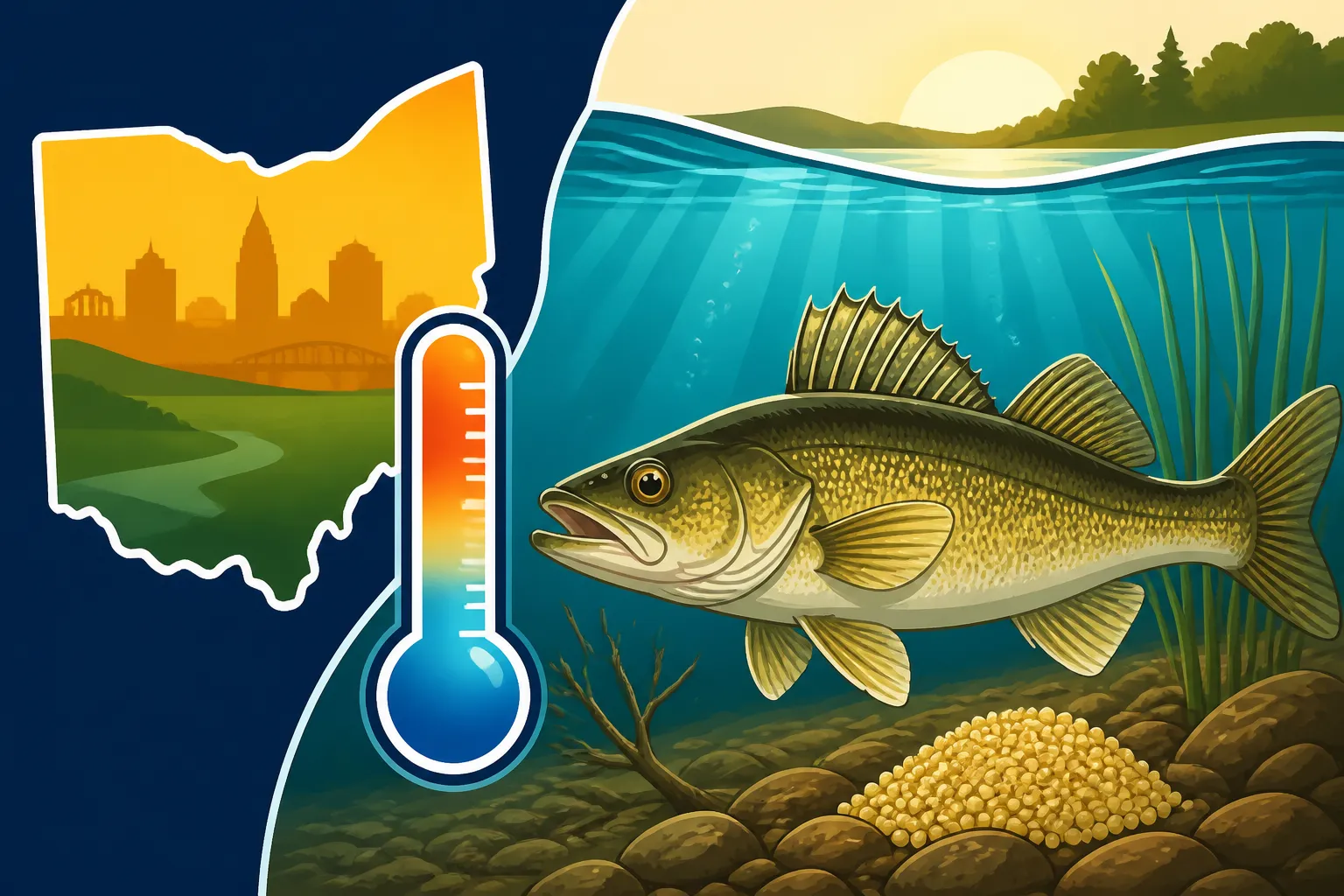
Walleye are typically "broadcast spawners," meaning they don't build nests like bass. Instead, they prefer hard-bottom areas, often rocky shoals, gravel bars, or rip-rap areas in relatively shallow water, usually less than 10 feet deep. In rivers, they'll seek out stretches with moderate current and rocky bottoms, which help to aerate the eggs and prevent siltation. The current is also crucial for dispersing the fertilized eggs, preventing them from clumping together and succumbing to fungus. Good oxygen levels are paramount for egg development, and these well-aerated, wave-swept or current-swept areas provide just that. Walleye Spawning Behavior in Ohio highlights these critical details. In places like Lake Erie, the extensive reefs and rocky shoreline structure of the Western Basin are legendary for a reason—they offer precisely these ideal conditions for millions of walleye. Contrast this with some of Ohio's inland lakes, where walleye might use submerged gravel beds or even the rip-rap along dam faces. The substrate needs to be clean, providing crevices for the eggs to settle into without getting smothered.
The Specifics: What Temperature Gets Walleye Moving?
Pinpointing the exact degree can feel like splitting hairs, but knowing the general window is absolutely essential for any angler hoping to connect with pre-spawn or post-spawn walleye. This is where your personal thermometer becomes your best friend, and understanding the nuances can make all the difference.
The Primary Spawning Temperature Range
While variations exist based on individual bodies of water and even specific strains of walleye, the generally accepted ideal water temperature range that triggers walleye spawning in Ohio falls between 40°F and 50°F (4°C to 10°C). Within this broader window, many seasoned anglers and biologists would argue that the sweet spot, where peak spawning activity occurs, is often closer to 42°F to 48°F (5.5°C to 9°C).
It's crucial to remember that this isn't a hard-and-fast line that they cross on a single day. Rather, it's a gradual process. Walleye will begin staging in nearby deeper waters as temperatures rise into the mid-30s and low-40s. Once those prime spawning grounds reach that critical 40-50°F range, especially with a consistent warming trend, that's when the main event kicks off. A sudden drop in temperature, say from 45°F down to 38°F, can halt the spawn in its tracks, making the fish much less active or causing them to retreat to deeper water to await more favorable conditions. Conversely, an abnormally rapid warm-up might compress the spawning window, making it shorter and more intense. For an in-depth dive into the year-round picture, check out the Ohio Fishing Season Calendar.
How Water Temperature Impacts Timing and Success
The timing and success of the walleye spawn are incredibly sensitive to these temperature fluctuations, which in turn directly affect fishing opportunities throughout the spring. An early, stable warm-up means an earlier and potentially more spread-out spawn, giving fish more time and less competitive pressure. A late spring, with prolonged cold snaps, can push the spawn back, concentrating the fish into a shorter, more intense period once conditions finally stabilize.
Consider the impacts:
- Pre-Spawn: As temperatures climb into the upper 30s and low 40s, walleye are in their pre-spawn mode. They are actively feeding, bulking up for the energy expenditure of spawning. This is often an excellent time to target them, as they are aggressive and concentrated. You can find many useful items for this period on Amazon, from specific cold-water jigs to sensitive fishing rods.
- During Spawn: Once the water hits the prime 40-50°F range and spawning begins, fishing can actually become more challenging. The walleye's focus shifts entirely to reproduction, making them less interested in feeding. They might still strike out of aggression or instinct, but they aren't actively foraging. Depending on the body of water, this period can last from a few days to a couple of weeks for individual fish, though the overall spawn can extend longer as different groups of fish move in.
- Post-Spawn: After the spawn, spent walleye are often recuperating. As temperatures rise into the 50s and 60s, they move into a post-spawn feeding frenzy to regain lost energy. This is another fantastic time for anglers, as the fish are hungry and often scatter to different feeding grounds. Understanding these transitions is key to adapting your Best Spring Fishing Techniques in Ohio.
Tracking Water Temperatures for Better Walleye Fishing
Knowing the ideal temperature range is one thing, but actually putting that knowledge to use on the water is where the real skill comes in. Fortunately, modern technology and a little bit of old-school observation can make you a much more effective walleye angler.
Tools and Techniques for Monitoring Water Temperature
Keeping tabs on water temperature doesn't have to be complicated, but having the right tools makes it a breeze. The most basic and often overlooked tool is a simple, submersible water thermometer. You can drop it over the side of your boat or wade into the shallows to get a reading. These are readily available and incredibly accurate for localized readings. For those with more advanced setups, modern fish finders and marine electronics, like those you might browse on Amazon, often come equipped with built-in temperature sensors that give you real-time readings of surface water temperature, and sometimes even at depth. This can be a game-changer when trying to pinpoint thermal breaks or specific zones where walleye might be staging.
Beyond personal gear, anglers in Ohio are lucky to have access to a wealth of online resources. Many state wildlife agencies or local fishing forums provide daily or weekly water temperature reports for popular fishing locations, especially for big systems like Lake Erie. Monitoring buoy data for large lakes can also give you a broader picture of current conditions. Learning how to effectively use and interpret these readings, along with tools discussed in Reading Ohio Fish Finders and Electronics, is crucial for timing your trips just right. Also, paying attention to air temperature trends for several days leading up to your trip can give you a good indication of how the water might be responding, especially in shallower areas.
Connecting Spawning Temps to Fishing Strategies
The beauty of understanding walleye spawning temperatures is that it allows you to anticipate their movements and adjust your fishing strategies accordingly. This knowledge is not just academic; it's intensely practical.
- Pre-Spawn Staging: As the water temperature creeps up towards the low 40s, walleye will congregate in deeper waters adjacent to their spawning grounds. They're waiting for the signal, and they're often feeding aggressively. This is your cue to target deep breaks, river channels, or the mouths of tributaries leading to spawning areas. Jigs, blade baits, and slow-trolled crankbaits can be highly effective here. This is also a good time to review your Best Ohio Fishing Gear and Tackle Guide to ensure you have the right setup.
- During the Spawn: When temperatures hit the peak spawning range (mid-40s), walleye might be less receptive to traditional lures as their focus shifts. However, early morning or late evening bites can still occur, especially for aggressive males guarding territory. Fishing directly on the spawning grounds can be hit or miss, and it's often more ethical to let them do their thing. However, for a quick aggressive bite, vertical jigging can sometimes entice a strike. Remember to always be aware of Ohio Fishing Regulations Every Angler Should Know and any specific rules for spawning areas.
- Post-Spawn Recovery: Once the spawn is over and temperatures climb into the 50s, walleye become ravenous as they recover. They'll start to disperse from the spawning areas and move to shallower feeding grounds, often relating to structure or baitfish schools. Trolling with crawler harnesses or crankbaits, casting jigs, or using live bait presentations can be incredibly effective during this period. Knowing Best Ohio Lakes for Walleye and Saugeye can help you find excellent post-spawn opportunities. Many anglers also find great success by focusing on Ohio's Lake Erie Walleye Grounds during this time.
Here's a quick reference table to help visualize walleye behavior relative to water temperature:
| Water Temperature Range | Walleye Behavior | Fishing Strategy Implications |
|---|---|---|
| Below 38°F (3°C) | Wintering, sluggish. | Deep water, slow presentations, ice fishing (if conditions allow). |
| 38°F – 42°F (3-5.5°C) | Pre-spawn staging, feeding. | Target transition areas near deep water. Aggressive lures. |
| 42°F – 48°F (5.5-9°C) | Peak spawning activity. | Can be challenging; aggressive strikes from males. Let them spawn! |
| 48°F – 55°F (9-13°C) | Post-spawn recovery, heavy feeding. | Dispersing from spawning grounds, actively feeding. Wide range of tactics. |
| 55°F+ (13°C+) | Summer patterns, active. | Deeper structure, trolling, night fishing. |
Understanding the crucial role of water temperature in triggering walleye spawning is more than just a piece of trivia for Ohio anglers; it's a foundational element of successful fishing. By monitoring temperatures, respecting their biological imperative, and adapting your strategies, you'll not only increase your chances of a great day on the water but also contribute to the long-term health of our beloved walleye populations. Getting familiar with Ohio Walleye Fishing Guide will only further enhance your understanding and success.
Disclaimer
This article is for general informational purposes only and does not constitute professional advice. Laws, prices and regulations vary by location and change over time. Consult a qualified professional for guidance on your specific situation.