Is Yellow Perch Native to Lake Erie?
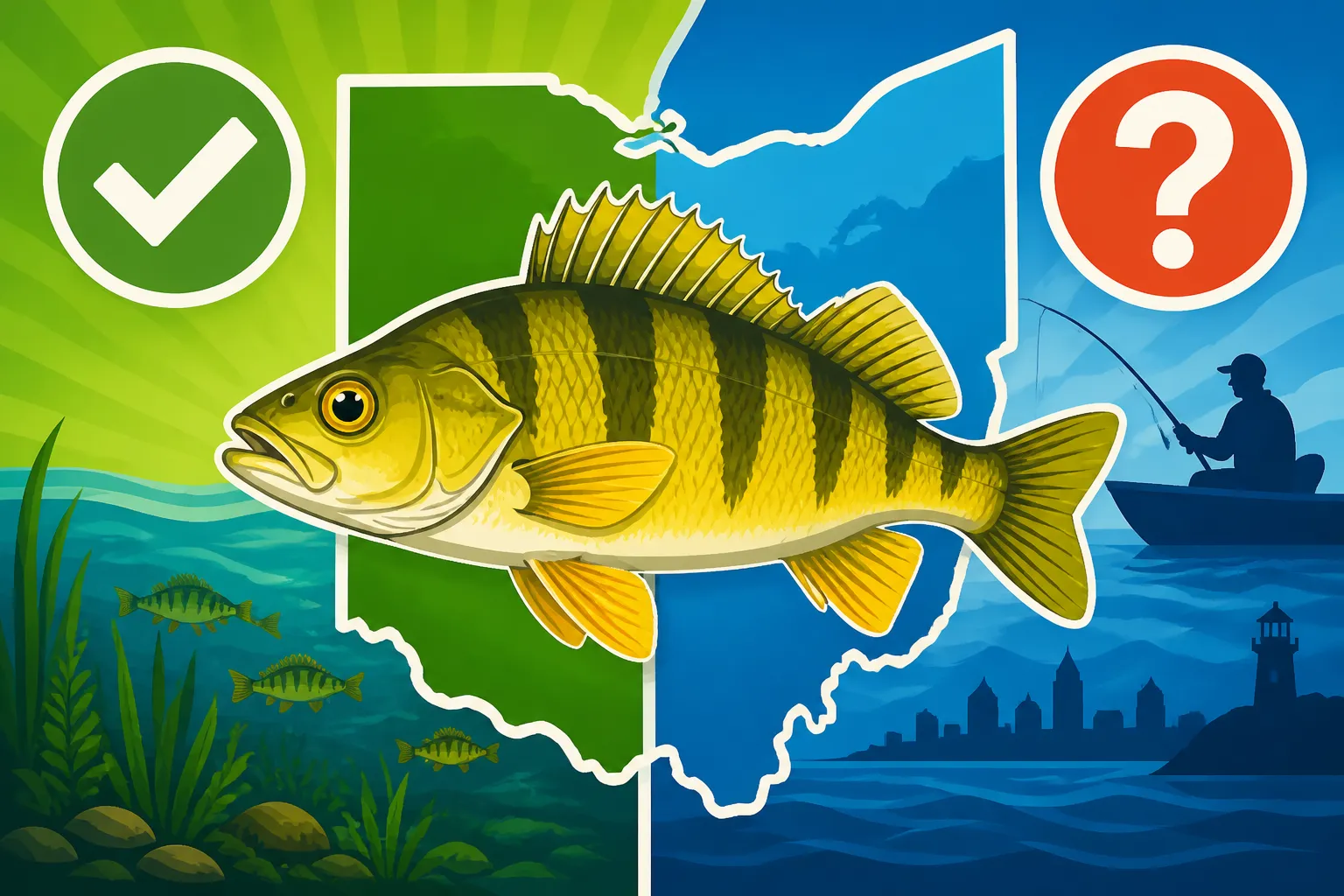
As Ohio anglers, we often wonder about the fish we pursue, especially when it comes to beloved species like the yellow perch. With so many changes in our lakes and rivers over the years, it's natural to question whether the fish we love to catch have always been here or if they're a more recent addition. This guide will dive deep into the fascinating history of yellow perch in Lake Erie, confirming their native status and exploring why this little fish is so vital to our state's angling heritage and ecological health.
The Historical Roots of Yellow Perch in Lake Erie
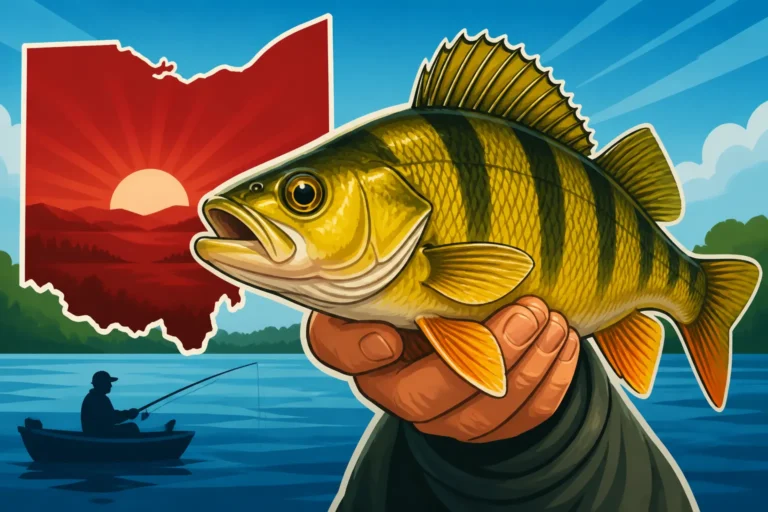
When you think about fishing in Lake Erie, it’s almost impossible not to picture a cooler full of those delicious yellow perch. They’re a staple, a tradition, and for many, the very reason they head out onto the lake. But have they always called Lake Erie home? The answer, unequivocally, is yes. Yellow perch are indeed a native species to Lake Erie and the Great Lakes basin. Their presence predates European settlement, stretching back thousands of years. This deep history is crucial to understanding their role in the ecosystem and why they're such an integral part of Ohio's fishing identity.
Ancient Presence and Indigenous Knowledge
The story of yellow perch in Lake Erie isn't just a few centuries old; it's ancient. Archaeological findings from indigenous settlements around the Great Lakes frequently include the remains of yellow perch, indicating their long-standing presence and importance as a food source for Native American communities. These communities understood the rhythms of the lake and its fish long before any formal scientific studies. Their traditional knowledge systems recognized the consistent abundance and migratory patterns of yellow perch, relying on them for sustenance and trade. This historical context alone paints a clear picture: yellow perch were here, thriving, and deeply integrated into the natural and cultural landscape for millennia. They weren't just in the lake; they were a foundational part of its life.
Early European Settlers and Their Observations
When European settlers began to explore and eventually colonize the Great Lakes region, they quickly encountered the yellow perch. Their journals, early scientific observations, and the nascent commercial fishing records all consistently document the presence and abundance of yellow perch. These early accounts describe vast schools of perch, indicating a robust, native population that was ready to be harvested. In fact, yellow perch rapidly became one of the most commercially important fish species in Lake Erie, a testament to their established and productive natural populations. This historical continuity, from ancient times through early European settlement, offers compelling evidence against any notion of them being an introduced species. They were simply there, a natural bounty of the lake.
Why Their Native Status is Sometimes Questioned
Despite their clear native status, some anglers or newcomers to the region might occasionally wonder if yellow perch were introduced. This often stems from a few factors. Firstly, aggressive stocking programs for other species, like certain trout or salmon in other Great Lakes, can sometimes blur the lines between native and introduced. Secondly, the sheer popularity and commercial importance of yellow perch might lead some to believe they were "managed into" existence or significantly boosted by human intervention from elsewhere. Finally, the dramatic environmental changes and the rise of invasive species in Lake Erie have often led to fluctuations in perch populations, sometimes requiring management interventions that, to the casual observer, might look like an introduction rather than a conservation effort for an existing native species. However, these are management strategies for a native fish, not the introduction of a foreign one.
Understanding Native Species vs. Introduced Species in Ohio Waters
Distinguishing between a native species and an introduced (or invasive) species is more than just an academic exercise; it's fundamental to understanding the health of an ecosystem and how we manage our fisheries. When we talk about "native," we're referring to a species that occurs naturally in a particular region, having evolved there or arrived through natural processes without human intervention. Introduced species, on the other hand, are those brought to a new area by human activities, either intentionally or accidentally. Lake Erie, like many large freshwater systems, has both.
Defining "Native" in an Aquatic Ecosystem
For yellow perch, their native status in Lake Erie means they are an integral part of the lake's original biodiversity. They have evolved alongside other native species, forming complex food web relationships and ecological niches over thousands of years. This long co-evolution means they play a specific, often irreplaceable, role in maintaining the balance of the ecosystem. A native species fits into the puzzle perfectly, contributing to the overall health and resilience of the environment. Think of it like a finely tuned machine where every part has a job; the yellow perch is one of those original, essential parts. Their natural range includes much of the eastern and central United States and Canada, with Lake Erie falling squarely within that historical territory.
The Impact of Invasive Species on Perch Populations
While yellow perch are native, their populations have certainly faced challenges from non-native, often invasive, species. The introduction of species like zebra and quagga mussels drastically altered the clarity of Lake Erie's water and the availability of plankton, a key food source for young perch. Later, the arrival of the round goby, another invasive species, created direct competition for food and habitat, and even preyed on perch eggs and fry. These invaders can seriously stress native populations, sometimes leading to declines that require active management to protect the native species. It’s a constant battle, and understanding the native status of yellow perch helps us prioritize their conservation. For more on what other species pose a threat, check out Ohio Invasive Fish Species to Know.
Stocking Programs: Supplementation vs. Introduction
It's true that Ohio sometimes undertakes stocking programs for yellow perch, but this is a critical distinction from introducing a species. When yellow perch are stocked in Lake Erie or other Ohio waters, it's generally to supplement existing native populations that might be struggling due to environmental factors, poor spawning years, or habitat degradation. It's not about putting a foreign species into the water; it's about giving a boost to a native population that needs a little help to thrive. These fish are typically sourced from within the same genetic stock, ensuring that the native integrity of the population is maintained. The goal is to strengthen the natural fishery, ensuring that future generations can continue to enjoy fishing for this beloved native species. These efforts are a testament to the value placed on maintaining a healthy, fishable population.
The Enduring Importance of Lake Erie's Native Yellow Perch
The yellow perch isn't just another fish in Lake Erie; it's a cornerstone. Its native status means it has been shaping and responding to the Lake Erie ecosystem for millennia. This deep-rooted history translates into immense ecological, economic, and recreational value for Ohio and the entire Great Lakes region. Protecting and understanding this species is paramount for the health of the lake and the communities that rely on it.
Ecological Role and Food Web Dynamics
From an ecological perspective, yellow perch are incredibly important. They occupy a critical middle ground in the Lake Erie food web. As juveniles, they primarily feed on zooplankton and insect larvae, helping to control these populations. As they grow, their diet shifts to include small fish and invertebrates, making them both a predator and a significant food source for larger native predators like walleye, smallmouth bass, and even various fish-eating birds and mammals. Without a healthy, native yellow perch population, the entire food web dynamic of Lake Erie would be severely disrupted. Their consistent presence helps transfer energy from lower trophic levels up to the larger, more sought-after game fish, ensuring a balanced and resilient ecosystem. This intricate web is a delicate thing, and the perch plays a starring role.
Economic and Recreational Value to Ohio
Beyond their ecological significance, yellow perch are an undeniable economic engine and recreational treasure for Ohio. Commercial fishing operations have historically relied heavily on perch, though modern management focuses more on recreational opportunities. Anglers from all over the Midwest, and even further afield, flock to Lake Erie specifically for the chance to fill a cooler with these tasty panfish. This influx of anglers supports bait shops, marinas, charter services, restaurants, and hotels in towns like Port Clinton, Sandusky, and Marblehead. The demand for perch fishing gear, from specialized rigs to the perfect perch bait, drives sales at local tackle shops and online retailers like Amazon. The sheer joy of catching a mess of perch with family and friends creates lasting memories and sustains a vibrant outdoor culture. Understanding Lake Erie Yellow Perch Daily Limit in the West Zone is important for any angler looking to participate in this cherished tradition.
Conservation Efforts and Management
Recognizing the immense value of native yellow perch, the Ohio Department of Natural Resources (ODNR) and other agencies invest significant resources into their conservation and management. This includes careful monitoring of populations, habitat restoration projects, and adaptive fishing regulations designed to ensure sustainable harvests while protecting the long-term health of the species. These efforts are often a balancing act, considering environmental factors, angler demand, and the impact of invasive species. For example, specific length and bag limits are put in place not to restrict fun, but to ensure that enough perch survive to spawn and replenish the population, guaranteeing that yellow perch remain a native, thriving component of Lake Erie for generations to come. Anglers play a vital role in this by adhering to these regulations and reporting any unusual observations. If you want to dive deeper into the rules, our guide on Ohio Fishing Regulations Every Angler Should Know is a great resource.
Yellow Perch Life Cycle and Angling Opportunities
Understanding the life cycle and habits of yellow perch can significantly enhance your fishing success and appreciation for this native species. Their resilience and adaptability allow them to thrive across diverse habitats within Lake Erie, offering fantastic fishing opportunities year-round, from open water to ice fishing.
Spawning Behavior and Early Life
Yellow perch typically spawn in early spring, usually when water temperatures reach the 45-50°F (7-10°C) range, often in shallow weedy areas or among submerged brush. The females lay long, accordion-like strings of eggs that can be several feet long, draping them over vegetation or debris. These egg masses are a marvel of nature, designed to absorb water and swell, protecting the developing embryos. After hatching, the tiny perch fry drift into the open water of the lake, feeding on zooplankton. Survival rates during this early stage are crucial for the overall health of the perch population in subsequent years. A strong hatch means more fish for us to catch in the future! For an even deeper dive into this fascinating process, you might enjoy reading about Yellow Perch Spawning Behavior in Ohio.
Habitat Preferences and Seasonal Movements
Yellow perch are remarkably adaptable, but they do have preferences. During the warmer months, they tend to inhabit areas with some structure, whether it's submerged weeds, rock piles, or artificial reefs. They often seek out slightly cooler, deeper waters during the peak of summer, moving back to shallower feeding grounds during dawn and dusk. In the fall, they'll school up in preparation for winter, and this is often when some of the best fishing occurs. During winter, especially in the Western Basin of Lake Erie, they can be found schooling under the ice, providing prime targets for ice anglers. Their schooling behavior is one of their defining characteristics, making it possible to catch a "limit" once you find them. Knowing their patterns is half the battle when it comes to consistently finding perch.
How Anglers Can Support Native Perch Populations
As anglers, we have a responsibility to contribute to the health of our fisheries. For yellow perch, this means more than just following the rules; it's about being a conscious participant in the ecosystem.
Following Regulations and Best Practices
Always make sure you're up-to-date on current fishing regulations, including bag limits and any special restrictions for Lake Erie. This information is readily available from the ODNR and helps ensure that enough fish are left to reproduce and grow. Practicing proper catch-and-release techniques for any fish you don't intend to keep is also vital, especially for smaller perch that might be key to future generations. Use appropriate tackle that minimizes harm, and handle fish gently. Don't waste your catch; utilize all the delicious meat these fish provide.
Choosing the Right Gear for Perch
When targeting yellow perch, having the right gear makes a huge difference. A light to medium-light action rod with a sensitive tip is perfect for detecting their often subtle bites. Pair it with a small spinning reel spooled with 4-6 pound test monofilament or fluorocarbon line. Essential terminal tackle includes small hooks (sizes 6-10), split shot weights, and small bobbers. Many anglers prefer a simple two-hook "perch spreader" rig, which allows for presenting two baits at different depths. For baits, live minnows are king, but pieces of nightcrawler, wax worms, and small soft plastic jigs can also be incredibly effective. You can find a vast array of these specialized perch rigs, rods, and baits on Amazon, making it easy to stock up before your next trip. Having a good fish finder can also be invaluable for locating those elusive schools of perch, and many models can be browsed on Amazon to find the perfect fit for your budget and boat.
Understanding Perch Behavior for Better Catches
Yellow perch are schooling fish, so when you find one, you've likely found more. They prefer to feed near the bottom, often in areas with subtle changes in depth or structure. Pay attention to how the current or wind is affecting your boat or bait presentation. Often, a slow drift can be more effective than anchoring, allowing you to cover more ground and locate active schools. In clear water, they might be spooked by heavy boat traffic, so consider quieter approaches or fishing during less crowded times. Their diet varies seasonally, so matching your bait to what they're naturally feeding on can give you an edge. Sometimes, a simple piece of a nightcrawler on a small hook is all it takes, but other times, a brightly colored jig tipped with a minnow is the ticket. Experimentation is key!
Comparison of Native vs. Introduced Species Characteristics
| Feature | Native Species (e.g., Yellow Perch) | Introduced Species (e.g., Round Goby) |
|---|---|---|
| Origin | Naturally evolved or arrived in the region without human help. | Brought to a new area by human activity (intentional or accidental). |
| Ecological Role | Integrated into the food web, often with specific, balanced roles. | Can disrupt existing food webs, outcompete natives, or introduce disease. |
| Historical Presence | Documented presence in the region for centuries or millennia. | Recent presence, tied to human travel or trade routes. |
| Management Goals | Conservation, habitat protection, sustainable harvest. | Control, eradication (if possible), mitigation of harmful impacts. |
| Impact on Ecosystem | Generally contributes to ecosystem stability and biodiversity. | Can lead to native species decline, habitat alteration, economic loss. |
Supporting Ohio's Native Fisheries for Future Generations
The question of whether yellow perch are native to Lake Erie is an important one, and the answer is a resounding yes. They are not just fish in the lake; they are a vital, ancient thread in the fabric of Lake Erie's ecosystem and Ohio's angling tradition. From their deep historical roots intertwined with indigenous cultures to their current role as a prime recreational target and ecological lynchpin, yellow perch are truly a native treasure.
Understanding their native status helps us appreciate their resilience in the face of environmental changes and invasive species, and it underscores the importance of ongoing conservation and management efforts. As anglers, we have a crucial part to play in this. By respecting regulations, practicing responsible fishing, and supporting organizations dedicated to habitat preservation, we ensure that the delicious and ecologically valuable yellow perch will continue to thrive in Lake Erie for generations to come. So, the next time you reel in a plump yellow perch, take a moment to appreciate that you’re holding a true native of Ohio, a fish that has called these waters home for a very long time.
Disclaimer
This article is for general informational purposes only and does not constitute professional advice. Laws, prices and regulations vary by location and change over time. Consult a qualified professional for guidance on your specific situation.