What a Bowfin Is
Have you ever been fishing in a quiet Ohio backwater, feeling that familiar tug on your line, expecting a bass or a catfish, only to reel in something completely unexpected – a fish with a serpentine body, sharp teeth, and a curious spot on its tail? That surprise, sometimes mixed with a little confusion or even a slight shiver, is often your first introduction to the bowfin, a truly ancient and fascinating fish that calls many of Ohio's murky waters home. This guide will dive deep into what a bowfin is, helping you understand its unique characteristics, its role in our aquatic ecosystems, and how to identify and even target this tenacious fighter.
Understanding the Bowfin: A Living Fossil's Legacy in Ohio
The bowfin is one of those creatures that just looks prehistoric, and for good reason – it's often called a "living fossil." While many anglers might not recognize it immediately, or might even mistake it for another species, the bowfin has a long and storied history in North American waters, including right here in Ohio. It's a testament to its resilience and unique adaptations that it has survived relatively unchanged for millions of years.
What Exactly is a Bowfin?
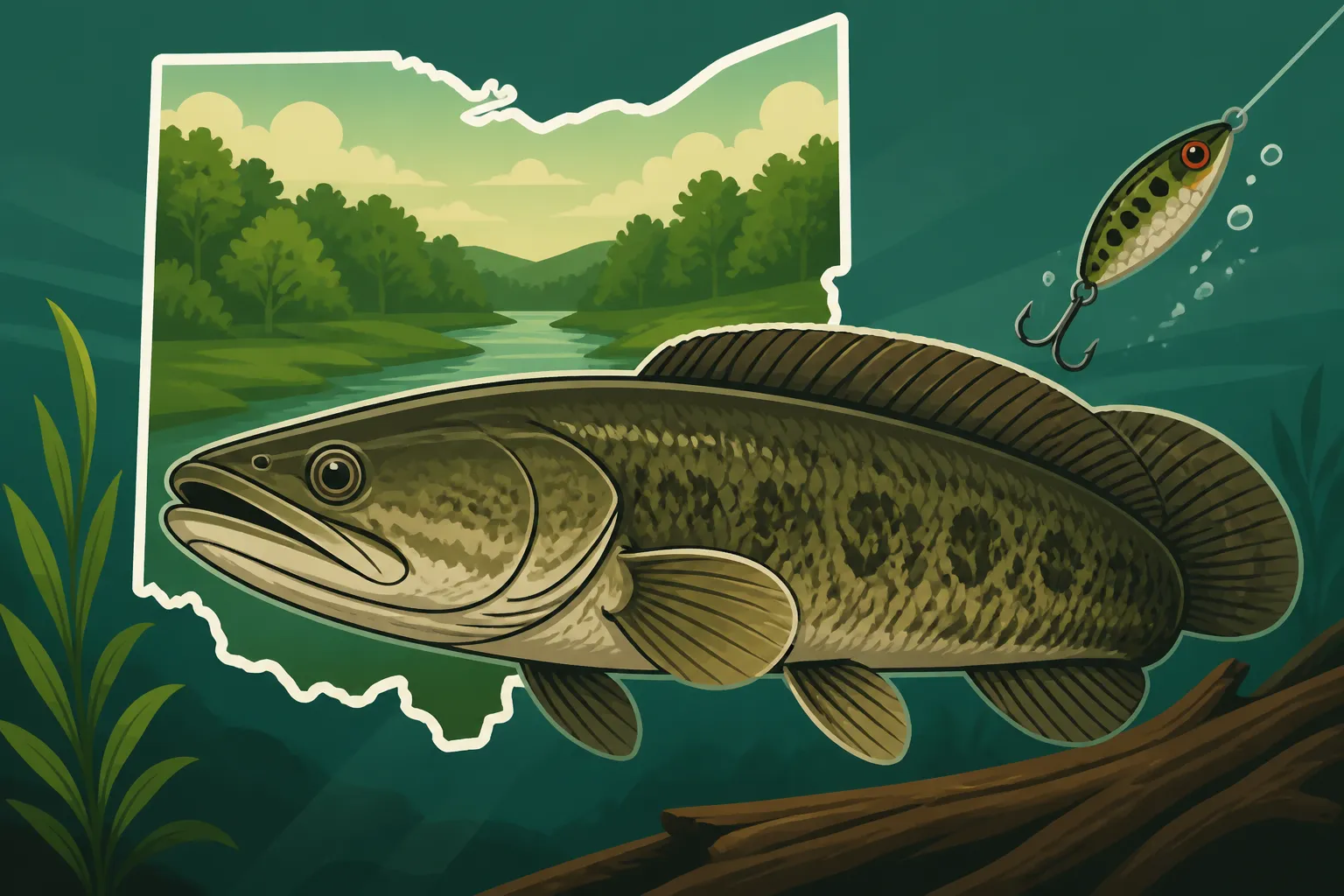
At its core, the bowfin (scientific name Amia calva) is the last surviving species of a very ancient order of fish, the Amiiformes. Think about that for a moment: while countless other fish species have evolved and gone extinct over epochs, the bowfin has been doing its thing, largely unchanged, for an incredible amount of time. In Ohio, you might hear it called a "dogfish" because of its fierce-looking teeth and aggressive demeanor, or sometimes a "mudfish" due to its preference for silty, vegetated habitats. Unlike many other fish, it possesses a unique combination of primitive and advanced characteristics, making it a true biological marvel. Its robust body and powerful tail are built for explosive bursts of speed in ambush predation, yet it also has a lung-like swim bladder, a feature more commonly associated with terrestrial animals than fish.
Key Identifying Features of an Ohio Bowfin
Spotting a bowfin in Ohio's waters, especially when it's mixed with other species like pike or even catfish, can be tricky if you don't know what to look for. The most striking feature is its incredibly long, undulating dorsal fin, which runs almost half the length of its back, giving it a distinctive "bow-like" appearance when it swims. This is a dead giveaway. Another key identifier is the gular plate – a single, large, bony plate located on the underside of its jaw, between the two halves of its lower jaw. No other freshwater fish in Ohio has this specific feature. For males, particularly during spawning season, you'll notice a prominent black spot, often with a yellow or orange halo, on the upper base of the caudal (tail) fin. This "ocellus" spot is less distinct or absent in females and juveniles. They also have sharp, conical teeth in a large, powerful mouth, capable of crushing prey.
Here's a quick reference for identifying a bowfin versus some other fish it might be confused with:
| Feature | Bowfin | Northern Pike | Chain Pickerel | Longnose Gar |
|---|---|---|---|---|
| Dorsal Fin | Very long, single, continuous | Short, single, far back on body | Short, single, far back on body | Short, single, far back on body |
| Body Shape | Robust, cylindrical | Elongated, slender | Elongated, slender | Very elongated, slender |
| Snout | Broad, somewhat rounded | Long, duckbill-like | Long, duckbill-like | Very long, slender, needle-like |
| Teeth | Sharp, conical, numerous | Canine-like, very sharp | Canine-like, very sharp | Needle-like, extremely sharp |
| Caudal Spot | Prominent black spot (male only) | Absent | Absent | Absent |
| Gular Plate | Present (single bony plate) | Absent | Absent | Absent |
| Scales | Large, cycloid | Small, cycloid | Small, cycloid | Diamond-shaped, ganoid (armored) |
| Breathing | Can breathe air (vascularized bladder) | Primarily gill respiration | Primarily gill respiration | Can breathe air (vascularized bladder) |
| Native to Ohio? | Yes | Yes | Yes | Yes |
Bowfin Habitat Preferences in Ohio
If you're looking to find a bowfin in Ohio, you won't typically find them in fast-moving rivers or deep, clear lakes. These fish are true connoisseurs of the slower, murkier side of our waterways. They absolutely thrive in shallow, heavily vegetated areas, backwater sloughs, oxbow lakes, and the sluggish sections of rivers with soft, muddy bottoms. Think about those quiet, lily-pad choked coves at your favorite lake, or the weed-filled ditches and canals that connect to larger river systems – that's prime bowfin real estate. They love hiding amongst submerged logs, dense aquatic plants, and standing timber, using these structures as ambush points for unsuspecting prey. Locations like the quiet backwaters of the Ohio River system, some of the marshy areas around Lake Erie tributaries, or smaller, warmer inland lakes with plenty of cover can be excellent spots. They are incredibly tolerant of low-oxygen conditions, thanks to their unique respiratory system, which means they can survive in places where many other fish struggle.
Bowfin Behavior and Ecological Role in Ohio Waters
The bowfin isn't just a unique-looking fish; its behavior and biological adaptations play a fascinating and important role in the ecosystems it inhabits across Ohio. From its predatory nature to its remarkable ability to breathe air, this "living fossil" is a master of survival in challenging environments.
Diet and Feeding Habits of Bowfin
Make no mistake, the bowfin is an opportunistic and formidable predator. These fish are not picky eaters, and they're built for the hunt. Their diet primarily consists of other fish, often smaller panfish, minnows, and even larger forage fish like shad. But their menu isn't limited to just finned creatures; they'll readily consume frogs, salamanders, crayfish, and even large aquatic insects. They are ambush predators, often lying in wait amidst dense vegetation or submerged structure. When an unsuspecting meal swims by, they launch themselves with incredible speed and power, using their large mouths and sharp teeth to quickly dispatch their prey. This makes them a crucial part of the food web, helping to keep populations of other fish and aquatic creatures in check within their preferred habitats. Their presence often indicates a healthy, albeit sometimes murky, ecosystem.
Unique Respiratory System and Survival Tactics
One of the most remarkable features of the bowfin, and a key to its longevity as a species, is its unique respiratory system. Unlike most fish that rely solely on gills to extract oxygen from water, the bowfin possesses a highly vascularized (rich in blood vessels) swim bladder that functions much like a primitive lung. This adaptation allows them to gulp air directly from the surface, especially when the water they inhabit becomes warm and oxygen-depleted. Imagine a scorching Ohio summer day when the shallow, weedy backwaters can become almost anoxic; while many fish would perish, the bowfin simply surfaces for a breath of fresh air. This incredible ability means they can survive in conditions that would be lethal to bass, walleye, or trout, allowing them to dominate certain niches and persist through environmental extremes. It’s this very trait that makes them so robust and ensures their continued presence in Ohio's slower waterways.
Spawning and Reproduction in Ohio
Bowfin typically begin their spawning activities in Ohio during the spring, usually when water temperatures reach the 60-degree Fahrenheit range. They seek out shallow, vegetated areas, often in marshy backwaters or flooded timber, where the male will clear a circular nest among the roots of aquatic plants or submerged logs. The female then deposits her eggs in this nest, which the male fertilizes. But the male's job isn't done there! One of the most endearing and fascinating aspects of bowfin behavior is the male's fierce parental care. He will diligently guard the nest, fanning the eggs with his fins to ensure proper oxygenation and fiercely defending them against any perceived threats, sometimes even against other, larger fish. After the eggs hatch, the male continues to protect the fry, leading them in a dense, dark cloud for several weeks. This dedication to their offspring significantly increases the survival rate of young bowfin and contributes to their successful populations in suitable Ohio habitats. Understanding these behaviors offers insight into the resilience of this ancient species.
Fishing for Bowfin in Ohio: The Underrated Fight
While the walleye, bass, and steelhead often get all the glory in Ohio fishing circles, the bowfin offers a unique challenge and a powerful fight that can surprise even seasoned anglers. Often caught accidentally, many who hook into one quickly learn to appreciate its tenacity.
Why Anglers Target Bowfin (or Accidentally Catch Them)
Let's be honest: for many Ohio anglers, a bowfin is an accidental catch while targeting bass, pike, or even catfish in weedy areas. You feel a heavy hit, a powerful run, and then you reel in a fish that looks… different. That initial surprise can sometimes lead to confusion, but for those in the know, the bowfin is a worthy adversary. They are incredibly strong and put up a fantastic, bulldog-like fight, often making powerful runs and even jumping. For anglers seeking a truly hard-fighting fish that isn't afraid to hit a variety of baits and lures, targeting bowfin can be a thrilling experience. They're often found in places where other fish are abundant, so you might stumble upon one while exploring Best Ohio Lakes for Bass Fishing or Ohio River Fishing Guide hotspots. Plus, the sheer uniqueness of catching a "living fossil" adds an element of intrigue to the experience.
Best Techniques and Baits for Ohio Bowfin
Because bowfin are opportunistic predators, they can be caught on a wide range of baits and lures. Live bait is often incredibly effective, especially large shiners, minnows, or even sturdy nightcrawlers. Simply suspend a lively baitfish under a bobber near heavy cover, or let it drift naturally along a weed line. Cut bait, particularly chunks of shad or other oily fish, can also entice them, especially if you're targeting them on the bottom in slightly deeper backwater holes. When it comes to artificial lures, anything that creates a commotion and flashes can be successful. Spinnerbaits, particularly those with a thumping blade, are excellent for covering water in their weedy haunts. Jigs tipped with soft plastics that mimic baitfish or crayfish can also draw strikes. Many anglers find great success using creature baits or even frogs fished along the surface in dense lily pads. You can find a fantastic selection of these lures and baits on Amazon, ensuring you're well-equipped for any fishing scenario. For those looking to upgrade their arsenal, checking out Best Lures for Ohio Fishing can provide additional inspiration.
Handling and Releasing Bowfin Safely
Once you've hooked into a bowfin, the fight isn't over until it's safely in your net or on the bank. They are incredibly feisty fish and their sharp teeth mean you need to exercise caution. When handling a bowfin, it's a good idea to use a sturdy pair of pliers or a hook remover to extract the hook, especially if it's deeply set. Their bodies are quite slimy and powerful, so a good grip is essential. Some anglers prefer to use a fish gripper to control their head and avoid those sharp teeth. If you intend to release the fish – and most anglers do, given their limited culinary appeal – try to minimize its time out of the water. Support its body horizontally, and gently release it back into the water, allowing it to swim away on its own power. Because of their unique respiratory system, bowfin are incredibly hardy and have a high survival rate after release, making them an excellent catch-and-release species. Equipping yourself with a reliable set of long-nose pliers and perhaps a de-hooking tool from Amazon can make this process much safer for both you and the fish.
Bowfin in Ohio's Ecosystem: Misconceptions and Value
Despite their ancient lineage and unique biology, bowfin are often misunderstood creatures in Ohio's waters. Addressing these misconceptions is key to appreciating their true value within our diverse aquatic environments.
Are Bowfin an Invasive Species in Ohio?
One of the most common misconceptions about bowfin is that they are an invasive species. This couldn't be further from the truth! Bowfin are, in fact, native to Ohio and have been a part of our aquatic ecosystems for a very, very long time. It's easy to see why some might think they're invasive; their fierce appearance, sharp teeth, and ability to thrive in tough conditions can make them seem out of place. However, unlike true invasive species such as Asian carp or round gobies (which you can learn more about in Ohio Invasive Fish Species to Know), bowfin have a natural and balanced role in our waters. They are not introduced, nor do they disrupt the native ecosystem; rather, they are an integral part of it, predating on other fish and smaller aquatic animals and contributing to the overall biodiversity. Understanding their native status is important for dispelling myths and ensuring they are treated with the respect they deserve as an indigenous species.
Culinary Value and Catch & Release Ethic
When it comes to eating, the bowfin generally gets a bad rap, and for many anglers, it's considered poor table fare. The flesh is often described as mushy, especially if not handled correctly immediately after catching. It can also have a distinct "muddy" flavor, particularly from fish caught in stagnant, silty waters. For these reasons, the vast majority of anglers in Ohio practice catch and release when it comes to bowfin. However, a small contingent of enthusiasts claim that if the fish is bled immediately, skinned, and the red lateral line meat removed, the white flesh can be firm and flaky, especially when smoked or prepared as patties. Regardless of your personal culinary preferences, the primary value of the bowfin to Ohio anglers lies in its fighting spirit and its ecological significance, making a strong case for releasing these unique fish to fight another day. It's a testament to their strength that they often survive aggressive fights and handling, ready to be caught again!
Protecting Ohio's Unique "Living Fossils"
As native predators, bowfin play an important ecological role in Ohio's freshwater systems. They help regulate populations of various baitfish and smaller panfish, contributing to the balance of their habitat. Their ability to thrive in challenging, low-oxygen environments also means they can persist where other, more sensitive species might struggle. Protecting these "living fossils" involves preserving their preferred habitats: the shallow, vegetated backwaters, marshes, and slow-moving rivers that are so vital to their survival. Maintaining water quality, preventing habitat degradation, and ensuring responsible fishing practices are all crucial steps. While there aren't specific bag limits or size restrictions on bowfin in Ohio as there are for many other game fish, exercising good stewardship by practicing catch and release helps ensure that these fascinating, ancient fish continue to thrive in our state for generations to come. Learning about species like the bowfin enriches our understanding of Ohio's diverse aquatic life, from the smallest panfish to the largest Ohio Muskie Fishing Guide targets.
Disclaimer
This article is for general informational purposes only and does not constitute professional advice. Laws, prices and regulations vary by location and change over time. Consult a qualified professional for guidance on your specific situation.