What Steelhead Trout Eat in Lake Erie Tributaries
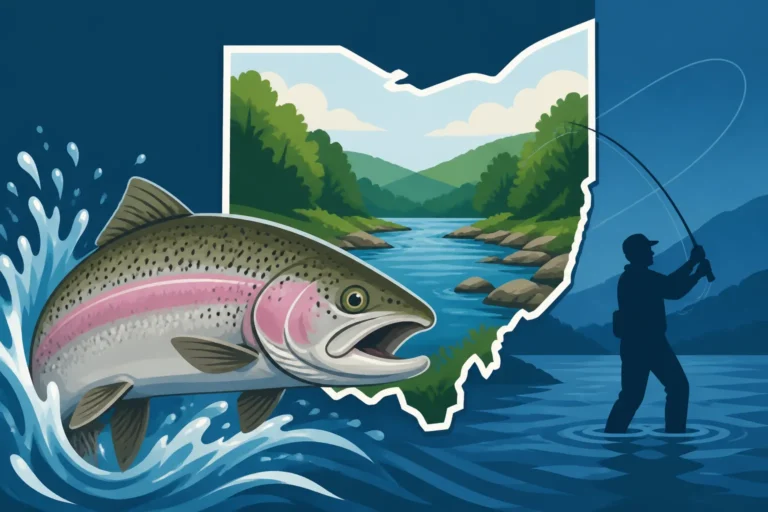
If you've ever spent a chilly morning on an Ohio Lake Erie tributary, casting diligently without a bite, you know the frustration of wondering: what exactly are these steelhead looking for? It’s not just about getting your line in the water; it’s about understanding their world, their habits, and most importantly, what they're hungry for. This guide is here to unravel the mystery of the steelhead trout's diet in our beloved rivers, helping you connect with more fish by understanding their menu.
Understanding the Steelhead's Dynamic Diet
Steelhead trout, magnificent fish that they are, aren't picky eaters in the sense that they'll pass up an easy meal. However, their diet is incredibly dynamic and changes quite a bit depending on where they are in their life cycle and, crucially, whether they're in the vastness of Lake Erie or navigating the comparatively confined waters of its tributaries. When they enter the rivers, their feeding habits shift dramatically, and understanding this transformation is key to angling success.
A Migratory Lifestyle, A Shifting Menu
Think about it: a steelhead spends most of its life growing big and strong in Lake Erie, where it has access to a wide array of food sources, from open-water baitfish to bottom-dwelling critters. When they answer the call of instinct and migrate into the tributaries, typically in the fall through spring, their environment changes completely. The fast-flowing, shallower rivers present a different pantry of options, and their primary focus shifts from pure caloric intake for growth to preparing for or recovering from spawning. They become more opportunistic, often targeting high-protein, easy-to-digest meals that don't require too much energy to chase down in the current. It's a fascinating shift, and it directly impacts what baits and lures we should be presenting.
Key Food Categories in the Tributaries
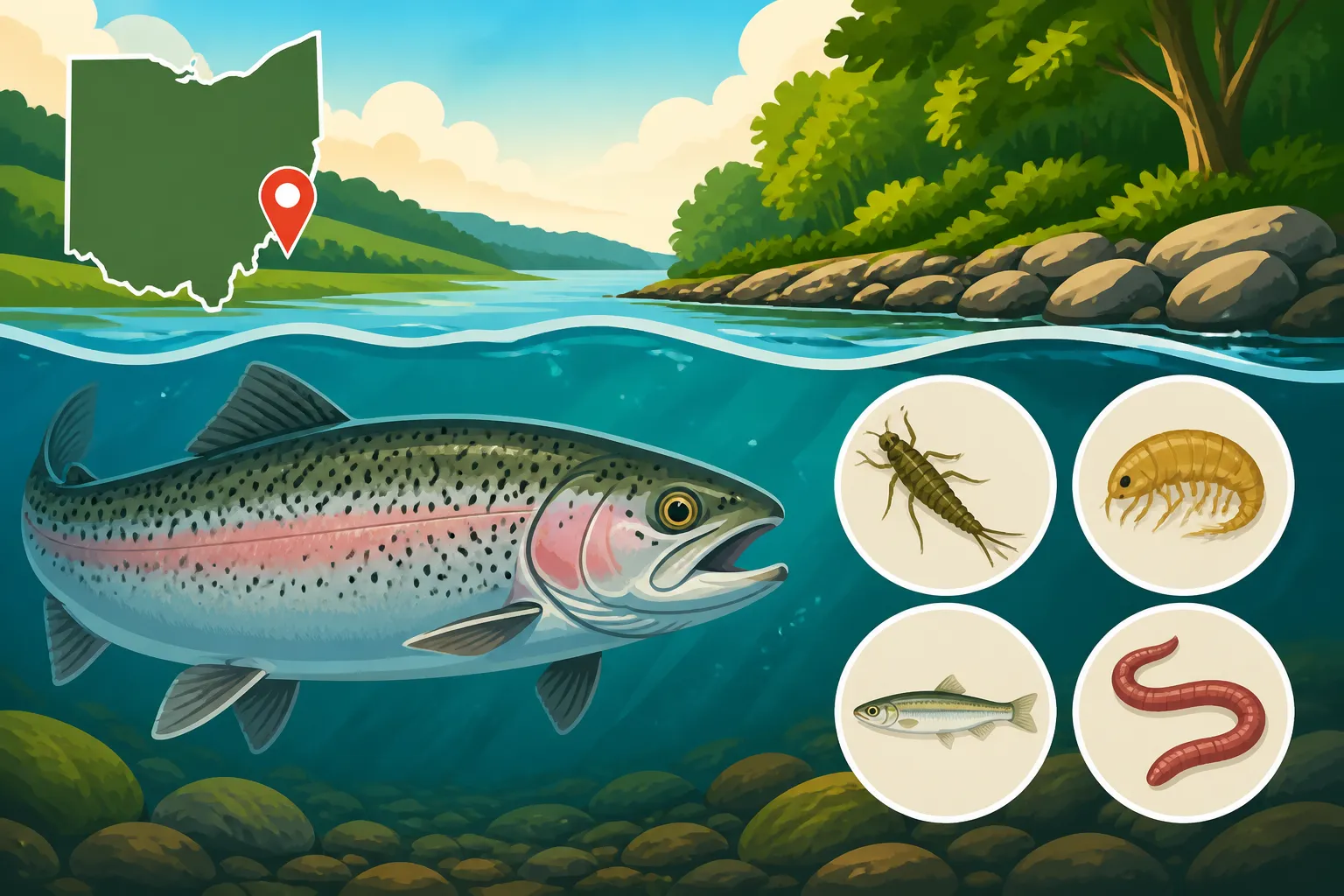
While their overall goal might be spawning, steelhead still need energy, and they will absolutely feed in the rivers. Their diet in the tributaries can be broadly broken down into a few critical categories. Firstly, aquatic insects and their larvae are a staple, often overlooked but incredibly important. Secondly, the eggs of other salmonids – including their own species – are a superfood, packed with nutrients and irresistible. Lastly, small baitfish and other invertebrates found in the river system provide a quick, accessible meal. Understanding these categories is the first step in unlocking their feeding patterns in the rivers of Steelhead Alley: Where It Is and What It Means.
Primary Food Sources in Ohio's Steelhead Alley Tributaries
When steelhead enter Ohio's tributaries, they transition from a pelagic (open water) feeding strategy to one more focused on what the river itself provides. This often means a more concentrated diet, heavily influenced by seasonal availability and the specific conditions of the river. Knowing these primary food sources is like having a cheat sheet to their dining preferences, which can make all the difference on a tough fishing day.
Aquatic Insects and Larvae
Despite their large size, steelhead in rivers are very much keyed into aquatic insects. These are the unsung heroes of many a steelhead's diet, especially when other food sources might be scarce. We're talking about the larval and nymph stages of insects like mayflies, caddisflies, and stoneflies. These tiny creatures live under rocks, in submerged vegetation, and along the riverbed, constantly drifting in the current. Steelhead will often hold in specific spots, waiting for these morsels to come to them.
During certain times of the year, particularly late winter and early spring, these nymphs become particularly active, and steelhead will readily consume them. This is where fly fishing really shines, with anglers meticulously choosing patterns that mimic these underwater insects. Even if you're not a fly angler, understanding this preference means you might consider small, subtle presentations when the fish are being finicky. Many artificial baits and jigs on the market are designed specifically to imitate these aquatic insects, and a quick search on Amazon will show you just how many options there are for replicating stonefly or caddisfly nymphs.
Salmon and Trout Eggs
Without a doubt, one of the most significant and sought-after food sources for steelhead in the tributaries is eggs. This isn't just during their own spawn; it actually starts with the earlier migrations of Chinook and Coho salmon. When these salmon drop their eggs in the fall, those protein-rich spheres become an immediate feast for steelhead. Then, as steelhead begin their own spawning rituals, their own eggs, or the eggs of other spawning trout and salmon, become a prime target.
Steelhead can become incredibly fixated on eggs, especially when they are abundant. This is because eggs are incredibly calorie-dense and require minimal energy to consume – simply open mouth, collect, and digest. For an angler, this translates directly into the effectiveness of egg imitations, whether they are small beads, yarn eggs, or cured salmon egg sacs. Many experienced anglers focus almost exclusively on egg patterns during the peak of the fall and spring runs, and for good reason. It’s a natural, easy meal for the fish, and they instinctively know it.
Small Baitfish and Fry
While eggs and insects often dominate the diet discussion in the rivers, don't underestimate the importance of small baitfish and the fry of various species. As steelhead move through deeper pools, slower runs, or into areas with more cover, they'll happily gobble up smaller fish. Common culprits on their menu include sculpins, darters, various shiner species, and even young-of-the-year trout or other resident fish. An interesting addition to this diet in Lake Erie tributaries is the round goby, an invasive species that has become a readily available food source for many predatory fish, including steelhead. Mentioning Ohio Invasive Fish Species to Know can provide more context on these species.
Presenting baits that mimic these small fish can be incredibly effective, especially in lower, clearer water conditions when steelhead might be more wary of static presentations. Small crankbaits, spoons, or even live minnows (where permitted) can entice a strike from a steelhead looking for a more substantial meal. The flash and vibration of a small spinner or spoon can often trigger a reaction strike, even from fish that aren't actively foraging, simply because it looks like an easy, fleeing meal.
Terrestrial Insects and Other Invertebrates
Finally, let's not forget the often-overlooked terrestrial insects and other invertebrates that find their way into the river. Think about a heavy rainstorm washing earthworms into the current, or a strong gust of wind blowing a grasshopper or beetle off a bankside bush. These are unexpected bonuses for a steelhead, and they won't pass up such an easy meal. While not a consistent part of their diet, these occasional offerings can be incredibly important, especially after rain events.
Anglers tapping into this aspect of their diet might use natural baits like worms or specialized fly patterns that imitate terrestrial insects. This is particularly relevant in the warmer parts of the steelhead season, such as early fall or late spring, when more insects are active near the water's edge. It highlights the opportunistic nature of steelhead; they are constantly scanning for anything edible drifting past their holding lies.
Seasonal Dietary Shifts and Angler Implications
The beauty and challenge of steelhead fishing in Ohio's tributaries lie in the dynamic nature of their diet. What they eat can change dramatically not just based on what's available in the water, but also what time of year it is. Their metabolism, their instinctual drives, and the general bounty (or scarcity) of the river system all play a role. Understanding these seasonal shifts is paramount to consistently catching these magnificent fish.
Fall and Early Winter: The Egg Bonanza
As the leaves begin to turn and the first cold snaps arrive, Ohio's tributaries start to see the arrival of salmon – typically Chinook and Coho. These earlier runs bring with them an incredible bounty: salmon eggs. For the first wave of steelhead moving into the rivers, these eggs are an absolute goldmine. They are packed with protein and fat, perfect for fish preparing for the arduous journey of spawning or simply recovering from their Lake Erie exploits.
Anglers targeting steelhead in the fall and early winter will find tremendous success with egg imitations. This means using brightly colored beads, soft plastic egg sacs, or even natural cured salmon eggs. The key is to match the size and color of the eggs that are actively being dropped. This "egg bite" can last well into early winter, transitioning into steelhead feeding on their own eggs as more of their kind arrive. It's a prime time to use heavier tippets and ensure your presentation is getting into the strike zone where steelhead are actively feeding on this easy meal. If you're looking to stock up on a variety of egg patterns or bead kits, Amazon is a great place to browse the vast selection available, ensuring you're ready for the fall frenzy.
Mid-Winter: Scarcity and Subtlety
When the bitter cold of deep winter truly sets in, the river environment changes significantly. Water temperatures plummet, fish metabolism slows down, and the abundance of easy food sources like fresh eggs diminishes. This is when steelhead become much more lethargic and less willing to expend energy chasing food. Their feeding becomes more subtle, and they often hold in slower, deeper pools, conserving energy.
During this period, aquatic insects, particularly nymphs, become incredibly important. While not as calorie-dense as eggs, they are a consistent, albeit small, food source. Anglers need to slow down their presentations, use smaller, more natural-looking patterns, and often lighter fishing line to ensure a stealthy approach. This is the time for delicate nymphing techniques, letting your bait drift naturally right into their face. Understanding Ohio Steelhead Fishing Techniques for winter conditions can significantly improve your chances during this challenging yet rewarding season. The bites will often be light, almost imperceptible, requiring keen focus and sensitive gear.
Spring: Re-energizing and Post-Spawn
As winter loosens its grip and spring brings warmer temperatures and increased flows, steelhead activity surges. This is the peak of the steelhead spawning runs, and the rivers are often teeming with fish. Post-spawn steelhead, in particular, are looking to re-energize before their return trip to Lake Erie. Their metabolism is high, and they are aggressively seeking out food to recover lost weight and energy.
Eggs are still a dominant food source, both from their own spawning activity and any remaining salmon eggs. However, as water temperatures rise, aquatic insect hatches become more pronounced, and steelhead will readily consume emerging nymphs and even adult insects on the surface. Small baitfish also become more active, and steelhead will key into these as well. This is a diverse feeding period where a wide array of baits and lures can be effective, from egg patterns and various Best Fly Patterns for Ohio Steelhead to small jigs tipped with maggots or waxworms, and even small spoons or crankbaits designed to imitate baitfish. Fish are often more aggressive, making for some exciting battles on the river.
Practical Tips for "Matching the Hatch" (or the Meal)
Knowing what steelhead can eat is one thing; knowing what they are eating right now, in the specific conditions you're facing, is the key to consistent success. This is often referred to as "matching the hatch" in fly fishing circles, but the principle applies to all forms of steelhead angling. It requires observation, adaptability, and a willingness to experiment.
Observing the Environment
Before you even make your first cast, take a moment to observe the river around you. Look for signs of life. Are there any insect hatches occurring? Are bugs flying around? Are there any small fish darting about near the banks? Pay attention to the water clarity and flow. If the water is clear and low, steelhead will likely be more wary and focused on natural, subtle presentations like nymphs or small egg patterns. If the water is high and slightly stained, they might be more inclined to strike at larger, brighter presentations that offer a strong profile.
Also, watch for other anglers. What are they using? Are they having success? While you don't want to copy blindly, it can offer clues. Ultimately, the more you observe and connect what you see with how you fish, the more intuitive "matching the meal" will become. This proactive approach sets the stage for a productive day on the water, whether you're fishing the Rocky River or the Vermilion River. How to Read Steelhead Holding Water is another excellent skill to develop to put these observations into practice.
Bait and Lure Selection
Once you've made your observations, it's time to choose your weapons. This is where your tackle box truly comes alive.
- Nymphs: For imitating aquatic insects, soft plastic or natural nymphs in sizes #10 to #16 are often effective. Colors like olive, black, brown, and natural mottled patterns work well. Drift them naturally along the bottom with a subtle bounce.
- Egg Patterns: Beads (6mm-10mm), yarn eggs, and egg sacs are indispensable during the runs. Focus on natural colors like peach, roe, or orange, but don't shy away from brighter chartreuse or pink if the water is stained. The exact size and color can vary based on the specific eggs in the water.
- Small Spoons and Spinners: These excel at imitating baitfish. Silver, gold, copper, and chartreuse patterns in sizes 1/8 to 1/4 ounce are solid choices. Cast them slightly upstream and retrieve them with a steady pace, allowing them to flutter and flash. Best Lures for Ohio Fishing delves into more options.
- Live Bait: Where legal and practical, live bait can be incredibly effective. Maggots, waxworms, and especially a well-presented live or cured emerald shiner minnow can often entice strikes when artificials fail. Ensure you're following all local regulations regarding live bait use.
- Jigs: Small marabou jigs or hair jigs, often tipped with a grub or a few maggots, can be fantastic imitators of both insects and small baitfish. White, black, olive, and pink are popular colors.
Remember, presentation is often as important as the lure itself. Your bait needs to drift naturally, mimicking how a real food item would move in the current. This often means using minimal weight and allowing for a drag-free drift. Investing in a good selection of these baits and lures is wise, and many anglers find that purchasing them in bulk from retailers like Amazon allows for a wider variety to experiment with throughout the season.
Understanding Water Conditions
Finally, never underestimate the power of water conditions to dictate a steelhead's diet and feeding behavior.
- Water Clarity: In gin-clear water, steelhead are incredibly wary. They'll be more sensitive to line visibility, so using lighter fluorocarbon leaders and smaller, more natural baits is crucial. Conversely, in stained or muddy water, they rely more on scent and vibration, so brighter colors, larger profiles, and even baits with added attractants can shine.
- Water Flow: High, fast water will push fish into slower seams, eddies, and behind obstacles. They'll be looking for food that is also being pushed into these calmer zones. You'll need more weight to get your bait down, and presentations that can withstand the current without "washing out." In low, slow water, fish might spread out more, and you'll need to cover more ground, focusing on subtle approaches.
- Temperature: As mentioned earlier, colder water means slower metabolism and less aggressive feeding. Warmer water generally means more active fish and a willingness to chase. Always keep a thermometer handy to gauge the water temperature, as it provides invaluable clues about fish behavior.
By integrating these practical tips with your understanding of the steelhead's diet, you'll not only become a more effective angler but also develop a deeper appreciation for the intricate ecosystem of Ohio's remarkable steelhead fisheries. So grab your gear, check the regulations, and get out there – the steelhead are waiting.
Disclaimer
This article is for general informational purposes only and does not constitute professional advice. Laws, prices and regulations vary by location and change over time. Consult a qualified professional for guidance on your specific situation.