How Long Steelhead Live in Lake Erie Tributaries
It's a question many of us anglers ponder when we hook into one of those magnificent chrome rockets: just how long do these incredible steelhead actually live, especially after making that arduous journey up Ohio's Lake Erie tributaries? It's not just about a number; it's about understanding the challenges they face, the remarkable resilience they possess, and how our actions on the water can impact their precious time in these cold, clear waters. This guide dives deep into the lifespan of Ohio's steelhead, exploring their unique life cycle and the many factors that contribute to or detract from their longevity.
The Steelhead's Incredible Journey from Lake Erie to Tributaries
When we talk about steelhead in Ohio, we're not just talking about any trout. These are special fish, embodying an extraordinary journey that defines much of their life and, ultimately, their lifespan. They are often called "chrome," and for good reason – their silvery bodies reflect their time in the vast, open waters of Lake Erie before they transform and head upstream.
The Anadromous Lifestyle: A Tale of Two Waters
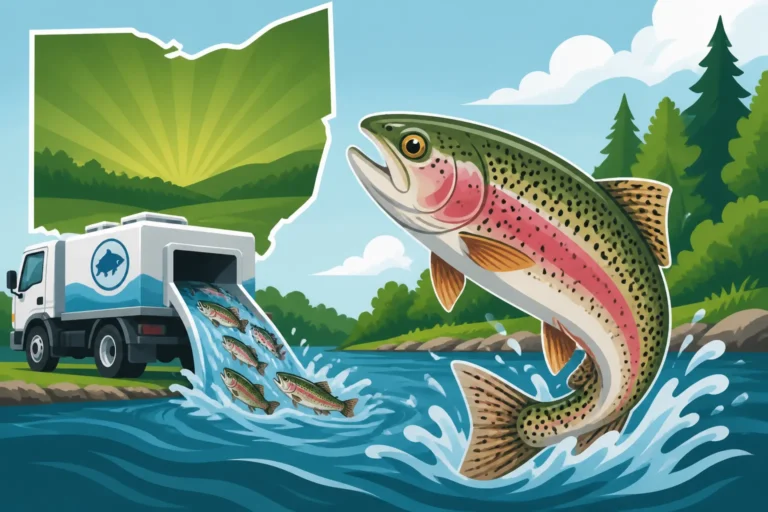
Steelhead are anadromous, which is a fancy way of saying they spend most of their adult lives growing large in the "ocean" (in this case, Lake Erie) and then migrate into freshwater rivers and streams to spawn. For us Ohio anglers, this means our steelhead start as tiny fry in a tributary, eventually make their way to the immense food buffet of Lake Erie, and then, driven by instinct, return to those very same rivers to reproduce. It's an incredible cycle, one filled with danger and immense energy expenditure.
Imagine swimming against strong currents, jumping over obstacles, and navigating changing water conditions, all while avoiding predators both natural and human. This upstream migration is a Herculean effort. Every ounce of energy expended, every scrape against a rock, every evasion of a predator, adds to the wear and tear on their bodies. Unlike salmon, which typically die after a single spawning event, steelhead have the remarkable ability to survive and return to the lake, only to make the journey again. This resilience is what makes their potential lifespan so intriguing. You can learn more about this fascinating process in Steelhead Trout Life Cycle in Lake Erie Tributaries.
Life in the Big Lake: Growing to Maturity
The majority of a steelhead's life, and certainly their period of most significant growth, is spent in the vastness of Lake Erie. Here, they have access to an incredible abundance of food—smelt, emerald shiners, round gobies, and a myriad of other forage fish and invertebrates. This rich diet allows them to grow quickly, transforming from slender river dwellers into robust, powerful fish with impressive size and strength. The sheer volume of food and relatively stable environment of the lake provides them with optimal conditions to put on weight and build the reserves needed for their challenging spawning runs.
It's during this phase that they build the energy reserves that will sustain them through their migrations and spawning rituals. The longer a steelhead can feed and grow in Lake Erie, the larger and more robust it becomes, which in turn can potentially contribute to its ability to survive multiple spawning cycles. Genetics also play a subtle role here; some fish are simply predisposed to faster growth or greater hardiness.
Factors Influencing Steelhead Longevity in Ohio's Tributaries
While steelhead can survive multiple spawning runs, the reality for many is that the journey itself is fraught with peril, and various factors in the tributaries can significantly impact their longevity. It's not just about age; it's about the quality of life they experience and the gauntlet they run each time they enter our rivers.
Spawning Cycles and Energy Depletion
The act of spawning is perhaps the most physically demanding event in a steelhead's life. While they don't necessarily perish after a single spawning event like some salmon species, each return to the river takes a tremendous toll. They stop feeding aggressively once they enter the rivers, relying almost entirely on the fat reserves built up in Lake Erie. This energy depletion leaves them vulnerable.
Consider a large hen steelhead, perhaps pushing 10 pounds, digging a redd (a nest) in the gravel, laying thousands of eggs, and then guarding them. This requires immense physical exertion. Male steelhead are constantly battling for dominance and spawning rights, further burning through their precious energy stores. Many fish will show visible signs of wear and tear, including frayed fins, open wounds, and a generally emaciated appearance after weeks or months in the river system. A fish that successfully spawns might be severely weakened, making it more susceptible to disease, predation, or simply unable to recover adequately before its next journey. You might be interested in Steelhead Trout Diet and Feeding Habits to understand what fuels these fish.
Environmental Conditions and Predator Pressures
Ohio's steelhead tributaries are dynamic environments, but they can also be harsh. Fluctuations in water temperature, especially during unseasonably warm spells in winter or early spring, can stress fish. Low water levels make them more vulnerable to predators and limit their access to cooler, oxygen-rich pockets. Conversely, extreme high flows can wash them downstream or make migration even more taxing. Pollution, even subtle changes in water quality, can impact their health and immune systems. A steelhead spending months in a marginal environment is less likely to survive long-term.
Predation is also a constant threat. In the rivers, eagles, ospreys, otters, and even larger game fish can prey on weakened steelhead. The sheer concentration of fish in smaller river systems during the run makes them easier targets. Human anglers, while generally aiming for responsible catch and release, are also a form of pressure. Every interaction, even a well-handled one, carries a degree of stress.
Angling Pressure and Catch-and-Release Practices
Anglers play a significant role in the survival rates of steelhead. Ohio's steelhead alley rivers, such as the Rocky River, Grand River, and Vermilion River, see intense fishing pressure during the runs. The thrill of catching a magnificent steelhead is undeniable, but how we handle them post-catch can be the difference between life and death for that fish. A long fight on light tackle, excessive time out of the water for photos, or improper handling can lead to post-release mortality.
When a steelhead fights, it builds up lactic acid in its muscles, similar to a human athlete. If not properly revived, this can lead to delayed mortality hours or even days later. Tools like rubberized or knotless landing nets (you can find excellent options on Amazon) and proper de-hooking tools are crucial. Learning Best Way to Handle and Release an Ohio Muskie offers some transferable principles for handling large fish gently. Our collective commitment to ethical catch-and-release is vital for ensuring these fish get to live long enough to spawn multiple times.
Typical Lifespan and Repeat Spawners in Ohio Steelhead
So, after all these journeys and challenges, what's the typical lifespan of an Ohio steelhead? It's not a simple number, as individual fish vary, but we can talk about averages and the remarkable individuals who defy them.
What the Data Tells Us About Age and Survival
Generally, most Lake Erie steelhead that survive to spawn in Ohio's tributaries will make their first spawning run around 3-4 years of age. They will have spent 1-2 years in the river as juveniles and then another 2-3 years growing in Lake Erie. The average lifespan for a steelhead that makes it back to the tributaries for spawning is often in the range of 3 to 7 years. It's rarer, but not unheard of, for them to live up to 8 or even 9 years. Biologists often determine age by examining structures like otoliths (ear bones) or scales, which show growth rings similar to trees.
It's important to understand that each subsequent spawning run decreases the odds of survival. While a good percentage of fish will survive their first spawning run and return to the lake, fewer will make it back for a second, and fewer still for a third or fourth. The cumulative stress, energy depletion, and increased vulnerability take their toll.
Here's a simplified look at how age might impact a steelhead's spawning frequency:
| Age (Years) | Typical Stage | Spawning Runs (Approx.) | Survival Probability (Relative) |
|---|---|---|---|
| 1-2 | Juvenile (River) | 0 | High (before lake entry) |
| 3-4 | Adult (Lake/River) | 1 (First Run) | Moderate |
| 5-6 | Adult (Lake/River) | 2-3 (Repeat Spawner) | Low-Moderate |
| 7+ | Adult (Lake/River) | 4+ (Elderly Spawner) | Very Low |
Note: These are general probabilities and can vary significantly based on individual fish health, environmental conditions, and angling pressure.
The Phenomenon of Repeat Spawners
The true marvel of steelhead is their ability to be repeat spawners. These are the fish that defy the odds, returning to the tributaries year after year to reproduce. While they represent a smaller percentage of the overall run, these "veteran" steelhead are often the largest, wisest, and most impressive fish you'll encounter. They've learned to navigate the dangers of the lake and the rivers, making them incredibly challenging and rewarding to catch.
A steelhead might return to spawn 2, 3, or even 4 times in its life. Each time, they gain experience, potentially becoming more elusive to anglers and more adept at surviving the harsh conditions. These repeat spawners contribute significantly to the genetic diversity and strength of the steelhead population, carrying the genes for longevity and resilience. Catching one of these seasoned warriors is a testament to both their incredible journey and your angling skill. For tips on targeting them, check out Ohio Steelhead Fishing Techniques.
Maximizing the Chances for Steelhead Survival
As anglers, we have a profound responsibility to contribute to the longevity and health of the steelhead population. Our actions, particularly when practicing catch and release, directly impact how long these fish can live and how many times they get to spawn.
Best Practices for Catch and Release
Proper catch and release is paramount to extending the life of a steelhead. It's not just about letting the fish go; it's about minimizing harm and maximizing its chances of recovery.
- Fight Quickly: Use appropriate tackle (rods, reels, and line recommended in Best Ohio Fishing Gear and Tackle Guide) to bring the fish in as quickly as possible without over-stressing it or breaking your line. A prolonged fight can exhaust the fish beyond recovery.
- Keep it Wet: The golden rule. Steelhead need water to breathe. Keep the fish in the net and in the water as much as possible, especially if you plan to take a quick photo.
- Wet Hands: If you must handle the fish, always wet your hands first. Dry hands can remove the protective slime coat, leaving the fish vulnerable to infection.
- Gentle Handling: Support the fish horizontally, never vertically by the jaw or tail. Avoid squeezing its body.
- Remove Hook Gently: Use needle-nose pliers or a de-hooking tool (many excellent ones are available on Amazon) to quickly remove the hook. Barbless hooks make this much easier and cause less damage. If the hook is deeply swallowed, cut the line as close to the hook as possible; the hook will often rust out.
- Revive Properly: Hold the fish gently in the current, facing upstream, allowing water to flow over its gills. Support it until it regains its strength and can swim away under its own power. Don't simply toss it back; ensure it's vigorous before release.
By following these steps, you significantly increase the chances that the steelhead you just caught will live to fight another day, perhaps even returning for another spawning run.
Conservation Efforts and Their Impact
Ohio's steelhead fishery is largely sustained by ongoing stocking programs, primarily with Manistee strain steelhead. These programs aim to bolster natural reproduction, providing consistent angling opportunities. You can find more details on this in Steelhead Strain Ohio Stocks in Its Rivers. However, conservation goes beyond stocking. Protecting and restoring habitat in the tributaries is critical. Clean water, healthy riparian zones, and unobstructed passages for migration all contribute to a healthier, more resilient steelhead population. When rivers are clean and habitat is good, fish are less stressed, healthier, and ultimately have a better chance at a longer life.
Anglers can play a role by supporting conservation organizations, participating in river clean-ups, and advocating for responsible land and water management. Our love for these incredible fish should extend to protecting the environments they call home. Every effort, no matter how small, helps ensure that future generations of steelhead can continue their remarkable journeys and live out their full, impressive lifespans in Ohio's waters.
Disclaimer
This article is for general informational purposes only and does not constitute professional advice. Laws, prices and regulations vary by location and change over time. Consult a qualified professional for guidance on your specific situation.