Steelhead Trout Life Cycle in Lake Erie Tributaries
For many Ohio anglers, the thrill of chasing steelhead in our Lake Erie tributaries is more than just a hobby; it's a deep connection to nature, a test of skill, and a pursuit of one of the most remarkable freshwater fish. But have you ever stopped to think about the incredible journey these powerful fish undertake? Their life cycle, from tiny egg buried in gravel to a chrome bullet leaping waterfalls, is a saga of survival and migration that truly captures the wild spirit of Ohio's fishing scene. This guide will take you through the fascinating life cycle of steelhead trout in Lake Erie tributaries, shedding light on every stage of their incredible existence and the vital role our rivers play in their survival.
The Journey Begins: Steelhead Spawning and Reproduction
The story of a Lake Erie steelhead begins not in the vast open waters of the lake, but in the intimate, often frigid, gravel beds of our tributary streams. These fish are anadromous, meaning they spend most of their adult lives in saltwater (or in the case of Lake Erie, a large freshwater lake) but return to freshwater rivers to spawn. It's a truly miraculous migration that draws anglers to rivers like the Rocky River, Grand River, and Vermilion River every fall and spring.
The Spawning Run and Redd Construction
As water temperatures begin to drop in the fall and rise in the spring, a biological clock within the steelhead triggers an ancient instinct: the call to return to the rivers where they were born. This is what we anglers refer to as "the run." While some fish will enter the rivers in the fall and hold over winter, the primary spawning period typically occurs in the early spring, from late March through May, depending on water conditions. Once in the rivers, mature female steelhead, often accompanied by one or more males, seek out suitable spawning grounds. These locations are usually shallow, riffle areas with a consistent flow of oxygen-rich water and clean, loose gravel.
The female, using her tail, begins an arduous process called "redd construction." She doesn't just drop her eggs anywhere; she meticulously excavates a shallow, oval-shaped depression in the streambed, fanning away silt and smaller debris to expose clean gravel. This redd, or nest, is a critical nursery for the next generation. It's a testament to the sheer determination of these fish that they put so much energy into creating the perfect environment for their offspring. Observing this natural process from a respectful distance is a profound experience, reminding us of the delicate balance of the ecosystem.
Fertilization and Egg Development
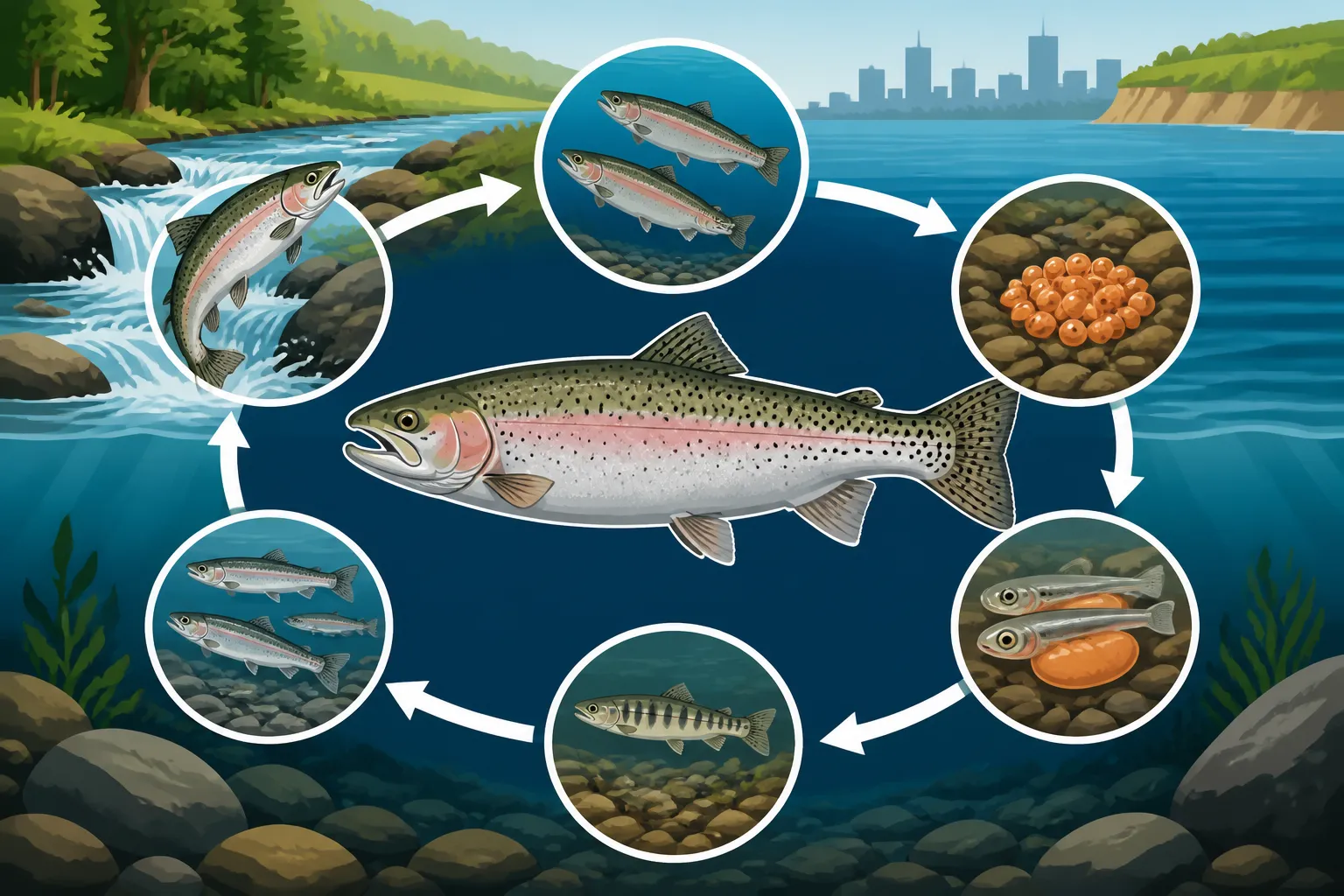
Once the redd is prepared, the female deposits her eggs, often called "roe," into the depression. Immediately, one or more male steelhead, who have been vying for the opportunity, move alongside her and release their milt, a fluid containing sperm, directly over the eggs. This external fertilization process is incredibly efficient, ensuring a high rate of success. After fertilization, the female quickly moves upstream of the eggs, again using her tail to fan gravel downstream, covering the eggs and protecting them from predators and the harsh currents. She might repeat this process several times, creating multiple egg pockets within a single redd.
These fertilized eggs, initially clear and jelly-like, soon "eye up," developing visible eyes within their protective shell. This is a sign of healthy development. The eggs incubate within the gravel for several weeks or even months, depending on water temperature. Colder water means a longer incubation period. During this time, they are vulnerable to fluctuations in water quality, siltation from runoff, and predation from other fish or insects. The gravel covering provides crucial insulation and protection, but it's a tough world for a steelhead egg. If you're passionate about learning more about the factors influencing successful spawning, there are many excellent fisheries biology texts available, often found on platforms like Amazon.
From Egg to Smolt: Early Life in the Tributaries
The life of a steelhead within the tributary streams is a complex dance of growth, survival, and transformation. Each stage, from the tiny alevin to the migrating smolt, is critical for the fish's ultimate success in Lake Erie. Our Ohio tributaries are truly the nurseries for these magnificent fish, providing the foundational habitat they need to thrive.
Alevin and Fry Emergence
Once the eggs have fully developed and hatched within the gravel, tiny fish emerge, known as "alevins." These minuscule creatures are still equipped with a yolk sac attached to their undersides, which provides a vital food source during their initial days. They remain hidden within the safety of the gravel, slowly absorbing this yolk sac and growing. It's a vulnerable period, as they are largely immobile and dependent on their hidden environment for survival.
After exhausting their yolk sac, the alevins transform into "fry." At this stage, they are ready to emerge from the gravel and begin actively feeding on their own. This emergence usually happens in late spring or early summer. They are still incredibly small, often only an inch or so long, and must immediately contend with the challenges of finding food and avoiding predators in the swift currents of the river. They primarily feed on small aquatic insects and invertebrates, rapidly growing as they adapt to their new independent existence. It's a stark contrast to their sedentary egg and alevin stages, marking a significant leap in their development.
The Parr Stage and Smoltification
As the fry grow, they develop distinctive vertical markings along their sides, often referred to as "parr marks." At this stage, they are called "parr." These markings provide camouflage against the mottled riverbed, helping them blend in with their surroundings and evade hungry birds, larger fish, and other predators. The parr will spend typically one to two years, sometimes even longer depending on local conditions and food availability, living in the tributary stream. They establish small territories, feeding aggressively to build up their strength and size. They become accustomed to the river's flow, its natural cover, and the intricate ecosystem it supports. This freshwater residency is a defining characteristic of steelhead, distinguishing them from their purely lake-dwelling rainbow trout cousins.
The transition from parr to smolt is one of the most remarkable transformations in the steelhead's life cycle, a process known as "smoltification." As they approach maturity and the urge to migrate to Lake Erie takes hold, their bodies undergo incredible physiological changes. Their parr marks fade, and their scales develop a more silvery, chrome coloration, perfectly camouflaging them for life in the open water. Their gills and kidneys also adapt to handle the different osmotic pressures of the lake environment, allowing them to tolerate a wider range of salinities (though Lake Erie is freshwater, the process is similar to adapting to saltwater). This smolt run, usually occurring in the spring, sees these young fish, now around 6-8 inches long, begin their downstream journey to Lake Erie. This migration is a perilous one, but the promise of abundant food and rapid growth in the lake drives them forward. Understanding the different stages of their growth can certainly aid in Ohio Steelhead Fishing Techniques when targeting these fish at various points in their life.
The Lake Erie Life: Growth and Maturation
After their incredible transformation and perilous journey downstream, the young steelhead, now smolts, enter the vast expanse of Lake Erie. This marks a new, rapid growth phase where they take full advantage of the lake's rich food sources, transforming into the powerful, acrobatic fish anglers dream of catching.
Feeding Habits and Rapid Growth
Once in Lake Erie, the steelhead find themselves in an environment brimming with food. Unlike the limited forage of the tributary streams, the lake offers a buffet of prey. Their diet primarily consists of baitfish, such as emerald shiners, gizzard shad, and especially the abundant round gobies, an invasive species that, ironically, has become a significant food source for many Lake Erie predators, including steelhead. They are also opportunistic feeders, consuming aquatic insects, crustaceans, and even smaller fish. This rich and varied diet, coupled with the ample space of the lake, allows steelhead to grow at an astonishing rate.
It's during this phase that they gain the incredible strength and size that make them such a prized sport fish. A smolt entering the lake at 6-8 inches can grow to well over 20 inches in just a couple of years, and even larger in subsequent years. Their silvery, streamlined bodies are perfectly adapted for cruising the open waters, allowing them to chase down prey with impressive speed and agility. This period of rapid growth is vital, as it builds the energy reserves they will need for their arduous spawning migrations back into the rivers.
Maturation and Sexual Development
As steelhead feed and grow in Lake Erie, they also undergo sexual maturation. Typically, steelhead will spend anywhere from one to four years, or sometimes even more, in the lake before reaching sexual maturity and making their first return migration to spawn. The exact timing depends on individual growth rates, genetics, and environmental conditions. During this time, their reproductive organs develop, preparing them for the crucial act of perpetuating their species.
Males generally mature faster than females, often returning to the rivers to spawn a year or two earlier. A two-year-old male might be a "half-pounder" or a smaller adult, while a female might need an extra year or two to develop her eggs fully and reach the size necessary to produce a robust clutch. The energy expenditure for females during egg production is immense, which is why they often spend more time building up their reserves in the lake. Understanding these growth and maturation patterns helps anglers appreciate the value of catch and release, especially for the larger, more prolific females, ensuring future generations of these amazing fish. Many anglers find detailed charts and guides on fish growth on various angling forums and specialized books, some of which are readily available through online retailers. If you are looking for specific growth rates you can also find a lot of information in articles such as Walleye Size and Age Growth Rates on Lake Erie.
The Call of the River: Adult Spawning Migrations
After years of growing fat and strong in the expansive waters of Lake Erie, the mature steelhead feel the irresistible pull of their natal streams once again. This is the stage most anglers associate with steelhead fishing – the iconic runs that fill our rivers with chrome beauties and eager fishermen.
Fall and Spring Run Timing
Steelhead migrations into the Lake Erie tributaries are a biannual spectacle, with fish entering the rivers in both the fall and the spring. The "fall run" typically begins in late September and continues through November, often peaking after significant rain events or when water temperatures cool. These fall-run fish are often referred to as "staging" fish; while they enter the rivers, they generally don't spawn until the following spring. They'll find deep pools, log jams, and other cover where they can hold over the winter, conserving energy until conditions are right for reproduction. Anglers targeting these fish in the fall often find them aggressive, as they're still carrying good reserves from their time in the lake and will readily strike at a variety of lures and baits. Many of these rivers are popular for anglers looking for Fishing Rocky River for Steelhead or Fishing Vermilion River for Steelhead.
The "spring run" is the main event for spawning, typically commencing in March and lasting into May, with peaks usually occurring from mid-March to mid-April. This run is driven by warming water temperatures and increased flows from snowmelt and spring rains. These fish are intensely focused on reproduction, seeking out suitable gravel beds to create their redds. While the fall run offers aggressive bites, the spring run often requires a more delicate approach, as the fish are concentrated on spawning rather than feeding. However, they will still strike at egg patterns, nymphs, or small jigs, often out of aggression or instinct. Knowing When Ohio Steelhead Runs Start and understanding the different behaviors between fall and spring fish is key to successful angling.
Repeat Spawning and Post-Spawn Survival
One of the remarkable aspects of steelhead is their ability to be "iteroparous," meaning they can spawn multiple times throughout their lives. Unlike many salmon species that die after their first spawning run, a significant percentage of steelhead, particularly the females, survive the rigors of spawning and return to Lake Erie. These "post-spawn" fish, often called "drop-backs" or "kelts," are typically skinny and worn out, having expended immense energy during reproduction. They slowly drift back downriver, looking for any available food source to regain their strength before returning to the lake.
The survival rate of post-spawn steelhead varies significantly based on factors like water conditions, disease, and the physical toll of spawning. However, those that do survive can return to spawn in subsequent years, sometimes up to four or five times. These repeat spawners are often the largest and most experienced fish, contributing significantly to the genetic diversity and overall health of the steelhead population. Their ability to return and contribute to future generations underscores the importance of proper handling and catch-and-release practices, especially for these larger, more valuable individuals. Fishermen seeking information on specific rivers or techniques might find helpful resources, including mapping tools and gear reviews, on reputable outdoors sites, with many products being available on Amazon.
Life's Challenges: Threats and Conservation Efforts
The incredible journey of the Lake Erie steelhead is fraught with challenges, from natural predators to human-induced environmental pressures. Protecting these magnificent fish and ensuring their future in Ohio's waters requires ongoing vigilance and dedicated conservation efforts.
Environmental Stressors and Habitat Degradation
Steelhead, like all fish, are incredibly sensitive to their environment. Our Lake Erie tributaries, while vital to their life cycle, are also susceptible to various environmental stressors. Siltation, caused by runoff from agricultural lands, urban development, and erosion, can smother steelhead eggs in the redds, reducing hatching success. Pollution from industrial discharge, stormwater runoff, and even residential sources introduces toxins and degrades water quality, directly impacting the health and survival of all life stages, from alevins to adult fish. Changes in water temperature due to climate change or localized thermal pollution can also disrupt spawning cues and egg development.
Habitat degradation, such as the removal of riparian vegetation, which provides shade and stabilizes stream banks, can lead to increased water temperatures and erosion. Barriers like impassable dams, even small ones, can block upstream migration, preventing steelhead from reaching critical spawning grounds. While some of these dams have been removed or modified with fish ladders to allow passage, many challenges remain. Maintaining the health of our rivers is paramount to supporting a robust steelhead population, and knowing the specific challenges to these delicate ecosystems is essential for anyone interested in Ohio Fishing Regulations Every Angler Should Know.
Stocking Programs and Management
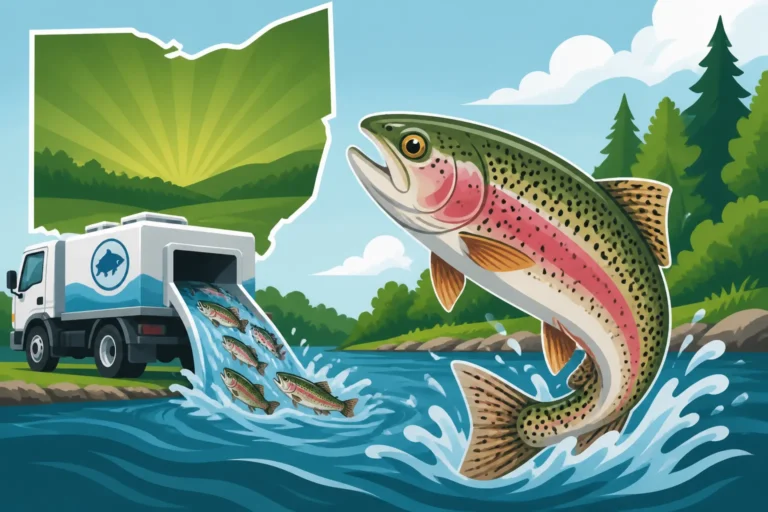
Given the significant challenges to natural reproduction in many of Ohio's Lake Erie tributaries, stocking programs play a crucial role in maintaining and enhancing the steelhead fishery. The Ohio Department of Natural Resources (ODNR) actively manages these programs, raising steelhead in hatcheries and releasing them into the tributaries as smolts. These stocked fish contribute significantly to the numbers that anglers encounter during the fall and spring runs. The strains of steelhead stocked are carefully selected to thrive in the Lake Erie environment and exhibit the desired anadromous behavior. You can often find details on where specific strains of fish are stocked and how many in articles like Steelhead Strain Ohio Stocks in Its Rivers or How Many Steelhead Ohio Stocks Each Year.
In addition to stocking, management efforts include enforcing fishing regulations, such as bag and size limits, to ensure sustainable harvest and protect spawning populations. Monitoring fish populations, conducting research on steelhead biology, and working to improve habitat are ongoing efforts aimed at striking a balance between angler opportunities and conservation. Anglers themselves play a vital role by adhering to regulations, practicing responsible catch and release, and advocating for healthy aquatic environments. The future of Ohio's steelhead fishery depends on a collaborative effort between state agencies, conservation groups, and the passionate angling community.
Table: Steelhead Life Cycle Stages and Key Characteristics
| Life Stage | Location | Appearance | Key Activities | Duration | Vulnerabilities |
|---|---|---|---|---|---|
| Egg | River Redd (Gravel) | Small, round, often amber-colored | Incubation, embryonic development | Weeks to months (temp-dependent) | Siltation, predation, temperature fluctuations, low oxygen |
| Alevin | Within Gravel | Tiny, with large yolk sac | Yolk sac absorption, hidden within gravel | ~2-4 weeks | Predation if exposed, low oxygen |
| Fry | River Tributaries | Small, slender, emerging from gravel | Active feeding on insects, rapid growth | Weeks to months | Predation (birds, fish), habitat loss, pollution |
| Parr | River Tributaries | Distinct vertical parr marks, growing | Establishing territories, feeding, freshwater residency, camouflage | 1-3 years | Predation, habitat loss, pollution, low food availability |
| Smolt | River Tributaries | Silvery, chrome coloration, fading parr | Physiological adaptation to lake, downstream migration | Weeks | Predation, migration barriers, pollution |
| Adult (Lake) | Lake Erie | Large, powerful, chrome-colored | Rapid growth, feeding on baitfish, maturation | 1-4+ years before first spawn | Disease, predation, fishing pressure, habitat degradation (lake) |
| Adult (River) | River Tributaries | Spawning colors (darker, sometimes red) | Upstream migration, redd construction, spawning, repeat spawning | Weeks to months (during spawning run) | Energy depletion, stress, predation, fishing pressure, pollution |
Disclaimer
This article is for general informational purposes only and does not constitute professional advice. Laws, prices and regulations vary by location and change over time. Consult a qualified professional for guidance on your specific situation.