How Big Largemouth Bass Get in Ohio
Every angler who wets a line in Ohio waters dreams of that monster largemouth bass, the one that makes your heart pound and your rod bend double. It's a common question, and one that sparks endless conversations around campfires and on boat decks: just how big do largemouth bass get here in the Buckeye State? This comprehensive guide is dedicated to exploring the true potential of Ohio's largemouth, from the average catches to the elusive giants, and what factors contribute to their impressive size.
Understanding Ohio's Largemouth Bass Growth Potential
When you're out on the water, whether it's a sprawling reservoir or a quiet farm pond, the allure of a truly massive largemouth bass is always present. But what’s realistic, and what’s the stuff of legends? Ohio's waters, while not always as famous as some southern bass factories, absolutely hold some incredible fish, and understanding their growth potential is key to appreciating every catch.
The "Average" Ohio Largemouth
Let's be real: most of the largemouth bass you'll encounter in Ohio aren't going to break any state records. A "good" day for many anglers might involve catching several bass in the 1 to 3-pound range. These are the fish that keep us coming back, providing consistent action and a fun fight. They're respectable, healthy fish that are a blast to catch on various baits, from plastic worms to spinnerbaits.
However, once you start getting into the 4 to 6-pound class, you're talking about a genuinely solid Ohio largemouth. These are the fish that make you pause, snap a quick photo, and perhaps even consider a replica mount. They're chunky, powerful, and truly representative of a healthy fishery. While still not "trophy" class for many dedicated bass anglers, they are certainly memorable catches that highlight the quality of bass fishing available across the state.
Then there's that magical 7 to 8-pound mark. In Ohio, a largemouth bass of this size is a legitimate lunker. Catching a bass in this range is a significant achievement and often represents a personal best for many anglers who have spent years chasing green fish. These are the rare, dominant fish in their ecosystem, having survived multiple seasons and grown to an impressive size thanks to a combination of age, genetics, and abundant food.
Factors Influencing Size
The size a largemouth bass reaches isn't just a matter of luck; it's a complex interplay of environmental factors, genetics, and even angler behavior. Think of it like a carefully balanced equation where each element contributes to the final outcome.
One of the primary drivers is the length of the growing season. Ohio's temperate climate means bass have a defined period of warm water when their metabolism is high, and they feed aggressively. In contrast to states further south with longer, warmer growing seasons, Ohio bass have a shorter window to pack on the pounds. This is why a 10-pound bass here is such a rarity compared to, say, Florida or Texas.
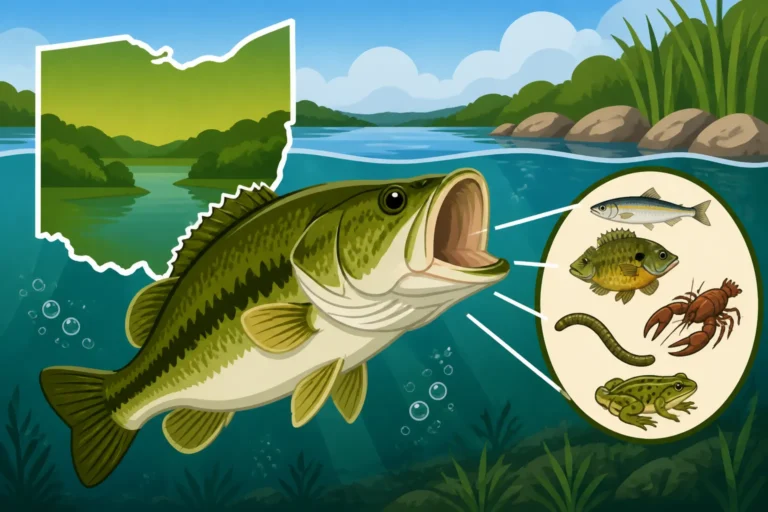
Another huge factor is the abundance and quality of forage. Bass are apex predators, and they need a consistent, high-calorie diet to grow large. Lakes and ponds rich in shad, bluegill, crappie, and crayfish provide the nutritional building blocks for these fish to reach impressive sizes. If a lake has a sparse food base, even bass with excellent genetics won't grow to their full potential because they simply can't find enough to eat. Understanding What Largemouth Bass Eat in Ohio Lakes can give you an edge in targeting these larger fish.
Water quality and habitat also play a critical role. Clean, oxygen-rich water without extreme fluctuations in temperature or pH creates a stable environment where bass can thrive. Diverse habitats, offering a mix of shallow cover for ambush and deeper, cooler water for refuge, are essential for big bass survival. A lake with plenty of submerged vegetation, standing timber, and rock piles offers both protection from predators and prime hunting grounds, allowing bass to conserve energy and grow.
Finally, fishing pressure and catch-and-release practices are incredibly significant. In heavily fished waters, bass may be caught and released multiple times, which can cause stress and potentially impact growth, especially if not handled properly. However, responsible catch-and-release, particularly for larger broodstock, allows these genetics to remain in the fishery, contributing to the possibility of future giants. Many Ohio anglers are dedicated to these practices, ensuring that those big fish are there for someone else, or themselves, another day.
The Ohio State Record
Now for the truly awe-inspiring numbers! The Ohio state record largemouth bass stands as a testament to the incredible potential of our waters. This magnificent fish, caught decades ago, weighed an astounding 13.13 pounds. Just imagine holding a bass of that caliber! It's a fish that exemplifies what can happen when all the stars align – perfect conditions, abundant food, ideal habitat, and a lucky angler.
While breaking the state record is a once-in-a-lifetime (or more likely, never-in-a-lifetime) achievement, it serves as a powerful reminder that giants do exist in Ohio. This record-holder wasn't caught in some exotic location; it was caught right here, proving that those stories you hear about massive bass aren't just fish tales. It also highlights how truly exceptional a fish needs to be to reach such monumental proportions, underscoring the average sizes we discussed earlier. You can learn more about this remarkable fish and others in Ohio State Record Largemouth Bass.
Key Factors for Growing Giant Bass in Ohio
So, what makes a fishery consistently produce larger-than-average largemouth bass? It’s rarely a single silver bullet; rather, it's a combination of ideal conditions that allow bass to not just survive, but truly thrive and reach their maximum genetic potential. If you're looking to target bigger bass, understanding these underlying factors will point you in the right direction.
Rich Forage Bases
Let's talk about food, glorious food! For a largemouth bass to reach trophy size, it needs a continuous, high-protein diet. Think of it like a bodybuilder needing ample calories and protein to bulk up; bass are no different. They are opportunistic feeders, and a diverse and abundant forage base is absolutely non-negotiable for growing giants.
Primary forage species in Ohio include various minnow species, shiners, and especially gizzard shad. Shad are particularly important because they are highly caloric and reproduce prolifically, providing a seemingly endless buffet for hungry bass. When a lake has a thriving shad population, bass don't have to expend excessive energy hunting, allowing them to conserve calories and convert them into growth.
Beyond baitfish, crustaceans like crayfish are crucial. These bottom-dwellers are packed with protein and are a favorite meal for larger bass, especially in rocky or hard-bottom areas. Bluegill and other panfish also contribute significantly to the bass's diet, especially younger or smaller panfish that are easier for bass to ambush. A healthy population of Ohio Bluegill and Sunfish Identification often indicates a strong bass fishery. When bass have access to such a smorgasbord, they can grow rapidly, adding girth and length consistently throughout the warmer months.
Ideal Habitat Structures
Imagine you’re a stealthy predator. You need places to hide, ambush your prey, and retreat to safety. That's exactly what ideal habitat structures provide for largemouth bass. These aren't just random spots; they are critical components of a bass's ecosystem, allowing them to efficiently feed and avoid stress. You'll find that Largemouth Bass Habitat Preferences are quite specific.
Dense submerged vegetation, often referred to as "weed beds," is perhaps the most iconic largemouth habitat. These underwater jungles provide excellent cover for bass to lurk, waiting for unsuspecting baitfish or panfish to swim by. They also oxygenate the water and offer shade during hot summer days. Think lily pads, milfoil, hydrilla, and coontail – any dense aquatic plant growth creates a haven.
Beyond weeds, various forms of woody cover are magnets for big bass. Submerged timber, fallen trees, brush piles, and stumps provide vertical structure, shade, and ambush points. Bass will often position themselves next to or within these structures, making them prime targets for anglers using jigs, Texas-rigged plastics, or spinnerbaits. Docks and boat lifts also act as artificial woody cover, casting shade and providing overhead protection that larger bass love to utilize.
Rocky areas, riprap, and humps offer different types of cover. These areas tend to hold crayfish, another prime food source, and provide solid structure for bass to relate to. Points and creek channel bends, especially those that drop into deeper water, are natural migration routes and ambush points that often hold larger, more experienced bass. The more diverse and extensive these habitat options are, the better the chances of consistently producing big fish.
Water Quality and Climate
The very water they swim in and the weather above it are fundamental to bass growth. Consistent, clean water quality is paramount. This means water that's not overly turbid, has stable pH levels, and is well-oxygenated. Lakes experiencing frequent algal blooms or significant runoff can stress fish, making them less likely to grow to impressive sizes.
Ohio's climate plays a direct role in how fast and how large a bass can grow. Largemouth bass are cold-blooded, so their metabolism is directly tied to water temperature. They thrive in warmer water, typically above 60 degrees Fahrenheit, which means their prime feeding and growth periods are concentrated in the spring, summer, and early fall. Longer periods of warm water mean more time for active feeding and growth.
Conversely, long, harsh winters can slow down growth. While bass still feed in cold water, their metabolism drops significantly, and they often expend more energy simply surviving. A milder winter might mean fish retain more of their gains from the previous year, contributing to better overall growth. Understanding the seasonal patterns and how they affect fish activity is key to successful fishing throughout the year, as detailed in the Ohio Fishing Season Calendar.
Furthermore, the general health of the aquatic ecosystem, including minimal pollution and a balanced predator-prey relationship, contributes to a thriving bass population. Lakes that are well-managed and monitored for water quality tend to support healthier fish that can reach their full potential.
Where to Find Trophy Largemouth in Ohio
Now for the exciting part: where do you actually go to tangle with these larger Ohio largemouth? While big bass can pop up almost anywhere, certain types of waters and specific locations have a reputation for consistently kicking out impressive fish. It's about knowing where to focus your efforts.
Prime Public Lakes and Reservoirs
Ohio is blessed with a fantastic network of public lakes and reservoirs, many of which are known for their excellent bass fishing. While some might require a bit more effort to locate the bigger fish, the potential is certainly there.
Take Mogadore Reservoir in Portage County, for example. This lake has long been a favorite among serious bass anglers, consistently producing good numbers of quality largemouth, with true trophies in the mix. Its diverse underwater structure, including standing timber and deep-water humps, combined with a healthy forage base, makes it a prime candidate for big fish. Another hotspot is Piedmont Lake in Belmont, Guernsey, and Harrison counties. Known for its muskie population, Piedmont also harbors some truly massive largemouth that grow fat on the abundant baitfish. Don't be surprised if your bass lure gets picked up by a toothy critter there!
Then there's Alum Creek Lake near Columbus. This large reservoir offers a mix of deep water, submerged cover, and diverse shoreline features. While it can be heavily fished, its sheer size and habitat complexity mean big bass always have a place to hide and grow. Anglers often find success targeting structure and weed lines, especially away from the most popular boating areas. The Best Ohio Lakes for Bass Fishing provides even more fantastic options to explore.
These lakes often require a bit more patience and strategic fishing. Targeting main lake points, creek channel swings, and deep weed lines are often productive patterns for finding those larger, more solitary bass that don’t hang out with the smaller schools. Using larger baits, like big swimbaits, deep-diving crankbaits, or substantial jigs, can often help weed out smaller fish and entice a lunker.
Hidden Gems: The Power of Private Ponds and Smaller Lakes
While the big reservoirs get a lot of attention, one of Ohio’s best-kept secrets for truly giant largemouth bass lies in its countless private ponds and smaller, often overlooked public lakes. These smaller bodies of water often have less fishing pressure, allowing fish to grow old and large undisturbed.
Private ponds, especially those that are well-managed and have a healthy ecosystem, can be absolute goldmines. Often, these ponds are stocked with baitfish and managed for optimal bass growth, and the limited access means the fish aren't constantly being harassed. If you ever get an invitation to fish a private pond, jump on it! You might be surprised by the size of the fish lurking there. Remember, Fishing a Private Pond in Ohio still comes with rules and etiquette.
Smaller public lakes and state park lakes, while potentially receiving more pressure than private ponds, can also hold some incredible fish. These lakes might not have the sprawling acreage of a massive reservoir, but their more contained environments can sometimes lead to incredibly dense populations of forage and ideal habitat, fostering impressive growth. These can be fantastic places to explore, particularly during the shoulder seasons when crowds are thinner. The key is to seek out those hidden pockets of cover and structure that might be overlooked by others.
Seasonal Movements and Patterns for Big Bass
Big bass, like all fish, are creatures of habit, but their habits shift with the seasons. Understanding these movements is crucial for consistently putting yourself in a position to catch them.
In spring, as water temperatures rise, big bass move shallower to spawn. This is a prime time to target them, as they become more aggressive and focused on reproduction. Look for them in protected coves, on shallow flats, and around woody cover where they build nests. Spinnerbaits, jigs, and slow-moving crankbaits are often effective.
Summer brings warmer water, and bigger bass often retreat to deeper, cooler water or seek out dense shade and heavy cover. They might relate to deep weed lines, submerged humps, creek channels, or the shade of docks and overhanging trees. Night fishing can also be incredibly productive for lunkers during the hot summer months, as they move into shallower feeding grounds under the cover of darkness. Topwater lures and Texas-rigged plastics are great choices.
As fall approaches and water temperatures begin to drop, big bass enter a "feeding frenzy" phase, actively gorging themselves to prepare for winter. They often follow baitfish into shallower bays and creek arms. This is a fantastic time to cover water with fast-moving baits like crankbaits, jerkbaits, and swimbaits, as bass are aggressively chasing down prey.
Finally, in winter, bass slow down considerably. They often relate to deep structure, such as creek channels, humps, and points, where water temperatures are more stable. While they feed less frequently, big bass can still be caught by slowing down your presentation considerably, using jigs or blade baits fished meticulously on the bottom. Understanding the nuanced Ohio Fishing Season Dates and Effective Periods will further refine your approach.
The Thrill of Catching a Lunker (and What to Do with It)
The moment you feel that unmistakable thud on your line, followed by the heavy throb and powerful runs of a truly big largemouth bass, is what every angler lives for. It's an adrenaline rush unlike any other. But once you've successfully brought that lunker to the boat or shore, the next steps are crucial – especially if you want that fish to live to fight another day and perhaps grow even bigger.
Proper Handling for Release
Catching a truly massive largemouth bass is an accomplishment, and if your goal is to help grow Ohio's trophy fishery, releasing that fish properly is paramount. These big bass are often the prime breeders in the lake, carrying the genetics for future generations of lunkers.
First and foremost, minimize the time the fish is out of the water. Every second counts. Have your camera ready, and if you're weighing or measuring, do it quickly and efficiently. When handling the fish, always support its entire body weight. Never hold a large bass purely by its jaw in a horizontal position, as this can severely damage its jaw and internal organs. Instead, cradle the fish with one hand supporting its belly, while the other gently grips the lower jaw. This helps distribute the weight evenly and prevents injury.
Remove hooks carefully, using needle-nose pliers or a hook remover. If a hook is deeply embedded and cannot be removed without causing further harm, it's often better to cut the line as close to the hook as possible; hooks will rust out over time. Before releasing, gently hold the fish in the water, facing into any current, allowing water to flow over its gills. Watch for signs of recovery, such as strong tail kicks, before letting it go. It's a truly rewarding feeling to watch a big fish swim away strongly, knowing you've contributed to its future. Using the right Best Ohio Fishing Gear and Tackle Guide can make handling easier.
Documenting Your Catch
While the memory of a giant bass is unforgettable, having a good photograph or accurate measurements can make the story even better. It’s a way to share your triumph and inspire others.
When taking photos, remember the "grip and grin" shot is a classic, but always prioritize the fish's safety. Get your camera ready before you even net the fish. A quick, well-composed shot is better than a lengthy photo session. If you want a truly impressive shot, consider getting down low, holding the fish horizontally towards the camera, which can make it appear even larger while still supporting its weight.
For measurements, a quick length and girth measurement can be incredibly valuable, especially if you plan on getting a replica mount (which allows you to release the fish while still having a lasting trophy). Many anglers carry a foldable measuring board, which makes accurate measurement simple and fast. A digital scale can give you an exact weight, but be sure it’s zeroed out before use and that the fish is supported as mentioned above during weighing. Products available on Amazon like robust fish scales or measuring tapes can be a great asset for accurately documenting your catches. Some anglers even use specific bump boards to get exact length measurements before release.
The "Next Time" Mindset
Catching a true Ohio lunker is a monumental moment, but it's also about fostering a "next time" mindset. This means embracing conservation, continuing to refine your techniques, and always striving to learn more.
Releasing big bass contributes directly to the potential for others to catch them, and for the fish to grow even larger and reproduce. It's a cycle of sustainable angling that benefits everyone. This mentality also pushes you to become a better angler. What worked? What didn't? How can you improve your approach for the next outing? You might delve into Best Ohio Bass Fishing Techniques or look for more information on specific baits like those in Best Lures for Ohio Fishing.
The pursuit of giant largemouth in Ohio is a journey, not just a destination. Each cast, each retrieved lure, each subtle bite is part of the ongoing adventure. The fact that Ohio produces 13-pound bass, and many other impressive lunkers, is a testament to the quality of our fisheries and the dedication of our angling community. So go out there, embrace the challenge, fish responsibly, and who knows? Maybe the next time, you'll be the one telling the tale of an Ohio giant!
Disclaimer
This article is for general informational purposes only and does not constitute professional advice. Laws, prices and regulations vary by location and change over time. Consult a qualified professional for guidance on your specific situation.