What Largemouth Bass Eat in Ohio Lakes
One of the biggest frustrations for any angler, especially those targeting Ohio's feisty largemouth bass, is trying to figure out what they're actually willing to bite. It feels like you're constantly playing a guessing game, throwing every lure in your tackle box without a nibble. This guide will take you deep into the largemouth bass's diet in Ohio lakes, helping you understand their menu so you can make more informed decisions on the water and dramatically improve your catch rate.
Understanding the Largemouth Bass Diet in Ohio
Largemouth bass are opportunistic predators, known for their aggressive strikes and willingness to eat almost anything that moves and fits into their cavernous mouths. They are apex predators in many of Ohio's aquatic environments, and their diet directly reflects the available forage in a given lake or reservoir. Understanding this isn't just academic; it's the foundation of effective bass fishing. If you know what they're supposed to be eating, you can present baits that mimic those natural food sources, making your offerings irresistible.
The "Eat Anything" Mentality
It’s true, largemouth bass have a reputation for being quite the gourmands, and not particularly picky ones. From the moment they hatch, they begin their predatory journey, starting with tiny zooplankton and insects, quickly graduating to larger prey. Their diet evolves with their size, meaning a 10-inch bass isn't eating the same things as a 20-inch lunker. This adaptability is part of what makes them such a fun and challenging species to pursue. They're constantly evaluating their surroundings for an easy meal, whether it's a frantic baitfish, a unsuspecting frog, or even a clumsy mouse that falls into the water.
Why Knowing Their Diet is Crucial for Anglers
Think of it this way: if you're trying to catch a fish, you want to offer it something it recognizes and considers food. Without an understanding of their natural diet, you're essentially just hoping for a reaction strike. But when you mimic their actual prey, you're tapping into their instinctual feeding patterns. This knowledge informs everything from the color and size of your lure to the retrieve speed and the type of cover you target. It's the difference between blindly casting and strategically presenting your bait. For a more comprehensive look at these fascinating fish, check out our Ohio Largemouth Bass Fishing Guide.
Key Food Sources for Ohio Largemouth Bass
Ohio's diverse aquatic ecosystems offer a smorgasbord for largemouth bass, ranging from tiny invertebrates to substantial vertebrates. Their primary food sources can be broadly categorized, each playing a vital role in their growth and survival.
Baitfish and Forage Fish
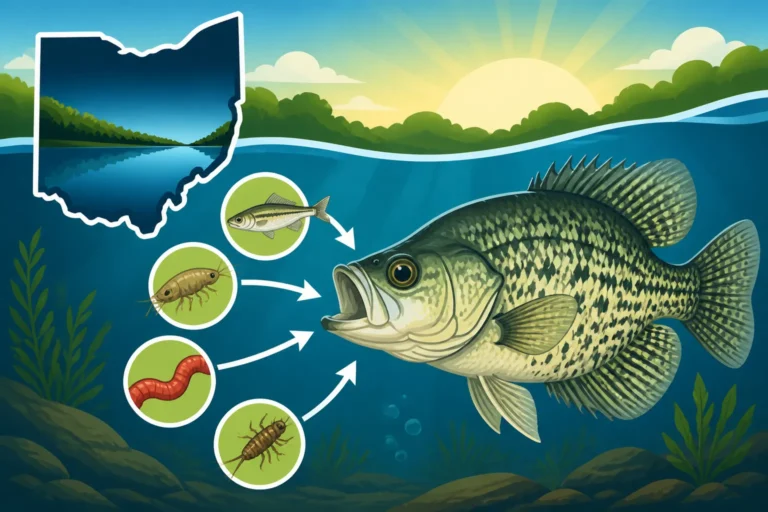
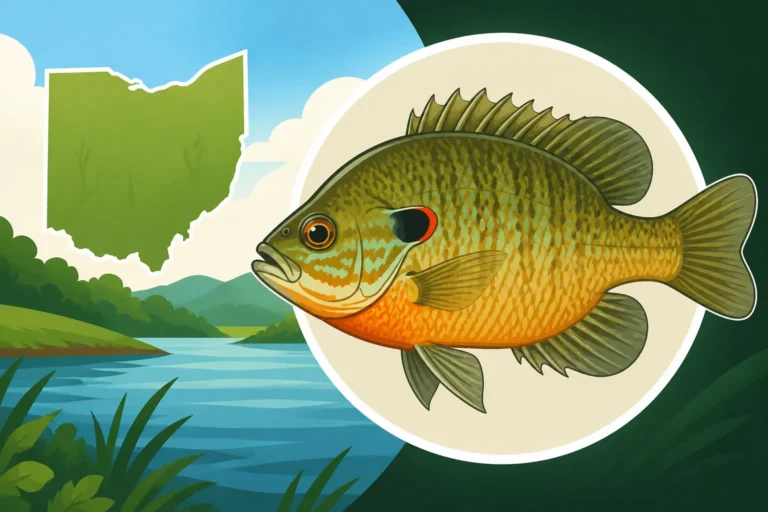
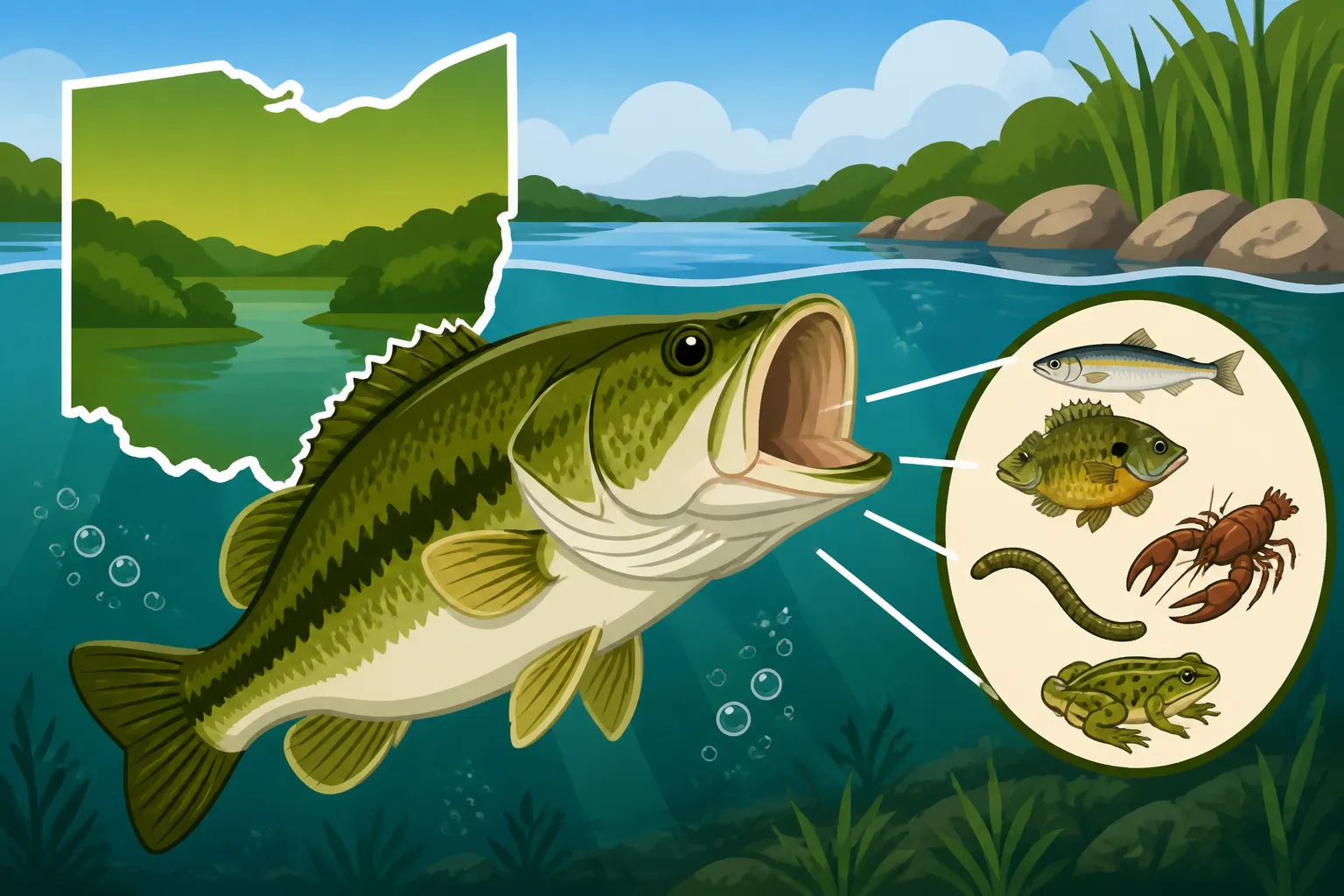
Without a doubt, other fish make up a huge portion of a largemouth bass's diet, especially as they grow larger. These include common species like shad, shiners, small bluegill, sunfish, and even juvenile crappie. In many Ohio lakes, schools of gizzard shad or emerald shiners provide a crucial high-protein food source that allows bass to grow to impressive sizes. A bass will often ambush these schools, darting in to grab a vulnerable individual. Mimicking these baitfish with crankbaits, swimbaits, or soft plastics is often incredibly effective.
Crayfish and Other Crustaceans
Crayfish are absolute staples in the diet of largemouth bass across Ohio. These freshwater crustaceans are abundant in rocky areas, under logs, and in weed beds, offering an easy, protein-packed meal for bass that lurk in these same habitats. Bass don't just eat them when they're actively scuttling; they'll also root them out from under cover. This explains why soft plastic creature baits, jigs with skirts, and lipless crankbaits in colors like brown, green pumpkin, or rust are so consistently productive. Many anglers swear by a slow, bottom-bouncing retrieve to imitate a fleeing or defensive crayfish, and you can often find a wide selection of these realistic lures on Amazon.
Aquatic Insects and Larvae
While more prominent in the diet of smaller, juvenile bass, adult largemouths will still opportunistically feed on larger aquatic insects and their larvae, especially during hatches. Dragonflies, damselflies, and various beetle larvae can be part of their menu. This is particularly true in shallower, vegetated areas where these insects thrive. Topwater lures that imitate large insects can be deadly during specific times of the year, especially around dawn and dusk. Understanding Largemouth Bass Habitat Preferences will often lead you to areas where these insects are abundant.
Amphibians, Reptiles, and Small Mammals
This is where the "opportunistic" part of their nature really shines through. Frogs, especially spring peepers, green frogs, and leopard frogs, are prime targets when they're active around the shoreline. Soft plastic frogs, hollow-bodied frogs, and popping baits can draw explosive topwater strikes when bass are keying in on these amphibians. Similarly, smaller snakes that venture into the water, or even a field mouse or baby bird that falls from an overhanging branch, become fair game. While not a daily meal, these unusual protein sources can trigger an aggressive feeding response, making a loud, erratic topwater presentation highly effective.
Seasonal Shifts in Largemouth Bass Diet
Just like our own appetites change with the seasons, so does the menu for Ohio's largemouth bass. Their metabolism, available prey, and preferred habitat all shift throughout the year, dictating what they're most likely to consume. Adapting your strategy to these seasonal changes is paramount for consistent success. You can find a useful overview of these shifts in the Ohio Fishing Season Calendar.
Spring: Post-Spawn Hunger and Emerging Forage
As water temperatures rise in early spring, largemouth bass emerge from their winter sluggishness. Initially, their focus might be on spawning, but once that's complete, they enter a period of intense feeding to recover lost energy. This is often when they’re very aggressive. Early season forage includes smaller baitfish that are also becoming active, as well as crayfish emerging from their winter hideouts. Later in spring, as fry from various species hatch, bass will gorge on these tiny, easy meals. Spinnerbaits, jigs, and lipped crankbaits are often very productive during this time, mimicking both baitfish and crayfish. Think about targeting shallow, warmer water, as discussed in Best Spring Fishing Techniques in Ohio.
Summer: Deep Water and Nocturnal Feeding
When Ohio's summer heat sets in, many lakes experience significant warming. This often pushes larger largemouth bass to deeper, cooler waters or into dense cover where they can find shade and ambush points. While they'll still feed throughout the day, their activity might peak during lower light conditions – dawn, dusk, and even at night. Their diet remains broad, but they might key in on larger baitfish that are also seeking deeper water, or on frogs and other creatures active around shorelines in the evenings. Topwater action can be phenomenal in low light, while deep-diving crankbaits, Carolina rigs, and Texas rigs are excellent for probing submerged structures and heavy cover during the day. Consider exploring Best Summer Fishing Techniques in Ohio for more detailed approaches.
Fall: The Pre-Winter Feast
As autumn arrives and water temperatures begin to drop, largemouth bass enter a major feeding period known as the "fall turnover" or "fall bite." They know winter is coming, and they need to pack on fat reserves. This often means they become incredibly active, chasing down schools of baitfish, which are themselves grouping up before winter. Shad, shiners, and other forage fish are on the move, and bass will follow. This is a fantastic time for fast-moving lures like crankbaits, spinnerbaits, and swimbaits that can cover a lot of water and imitate fleeing baitfish. Jigs and creature baits also remain effective as bass continue to prey on crayfish. They'll actively chase down prey, making them easier to locate and entice.
Winter: Slow and Opportunistic
Winter fishing for largemouth bass in Ohio can be challenging due to their significantly reduced metabolism. They become much less active, often holding tight to deep cover, structure, or thermal refuges. Their feeding becomes less frequent and more opportunistic. They’re less likely to chase and more likely to inhale a slow-moving, easy meal. Small jigs, slow-fished spoons, and subtle soft plastics presented directly to their holding areas are often the most effective. Their diet during winter will consist of whatever slow-moving prey they can find – dormant crayfish, sluggish baitfish, or even benthic invertebrates. Patience is key, as bites will be subtle and infrequent.
Leveraging Diet Knowledge for Successful Ohio Bass Fishing
Understanding what largemouth bass eat is only half the battle; the real trick is translating that knowledge into successful fishing strategies. It's about becoming a detective on the water, observing clues, and then presenting the perfect imitation.
Mimicking Natural Prey with Lure Selection
This is where the rubber meets the road. If bass in your chosen Ohio lake are primarily feeding on shad, then a silver or white swimbait, lipless crankbait, or spinnerbait that imitates a shad is a smart choice. If you're fishing a rocky bottom lake known for its crayfish population, then a dark-colored jig and creature bait, or a crankbait that digs into the bottom, will likely be more effective.
| Prey Type | Common Lure Choices | Key Characteristics to Match | Presentation Tips |
|---|---|---|---|
| Baitfish (Shad, Shiners) | Swimbaits, Crankbaits (lipless/diving), Spinnerbaits, Jerkbaits | Silver, white, natural patterns; slender profile | Erratic retrieve, stop-and-go, mimic fleeing fish |
| Crayfish | Jigs (with trailers), Creature baits, Wacky worms | Brown, green pumpkin, black/blue; bulky profile | Bottom-hopping, slow drag, mimic defensive posture |
| Frogs | Hollow-bodied frogs, Soft plastic frogs, Popping baits | Green, brown, natural frog patterns | Walk-the-dog, pop-and-stop, mimic struggling frog |
| Large Insects | Poppers, Buzzbaits, Terrestrial imitations | Dark colors, buggy profiles | Rippling, splashing, mimic struggling insect |
| Small Sunfish/Bluegill | Bluegill-patterned crankbaits, Swim jigs, Bladed jigs | Green, yellow, orange patterns; deeper body | Steady retrieve, stop/go, mimic swimming sunfish |
The key is to observe the environment. Are there baitfish flickering on the surface? Are frogs jumping along the banks? Does your lake have a reputation for massive crayfish? These observations, combined with seasonal knowledge, will guide your choices. Many anglers spend hours browsing sites like Amazon for the perfect lure to match the local forage.
Presentation and Retrieval Techniques
It's not just what you throw, but how you throw it. A lure is only as good as its presentation. If you're trying to imitate a fleeing baitfish, a fast, erratic retrieve makes sense. If you're mimicking a crayfish scuttling along the bottom, a slow, methodical drag-and-hop is more appropriate. For topwater frogs, a walk-the-dog or sudden pop can trigger explosive strikes from bass hiding in lily pads.
Consider the behavior of the prey you're trying to imitate. Does a wounded shad dart erratically? Does a frog pause before jumping? Does a crayfish try to escape quickly when threatened? Replicating these behaviors makes your lure seem alive and vulnerable, turning a curious look into an aggressive strike. This tactical approach is part of Best Ohio Bass Fishing Techniques.
Adjusting to Environmental Clues
The water itself often holds clues about what bass are feeding on. Are there schools of baitfish visible on your fish finder? Are birds diving into the water, indicating baitfish are being pushed to the surface? Have you seen crayfish in the shallows? Pay attention to any visual cues. Furthermore, consider water clarity and temperature. In clear water, natural colors and more subtle presentations might be best. In stained or muddy water, brighter colors and more vibration or sound can help bass locate your bait.
For example, if you know How to Fish a Texas Rig in Heavy Cover effectively, you can perfectly present a creature bait that mimics a crayfish to bass tucked deep within submerged brush. Or if you're out at dawn and seeing a lot of insect activity, throwing one of the Best Topwater Lures for Ohio Largemouth Bass might be the ticket. It’s all about putting the puzzle pieces together on any given day.
Disclaimer
This article is for general informational purposes only and does not constitute professional advice. Laws, prices and regulations vary by location and change over time. Consult a qualified professional for guidance on your specific situation.