How Long Crappie Live
It's incredibly common for anglers, especially those new to crappie fishing, to wonder just how long these speckled beauties actually stick around in our Ohio lakes and rivers. You spend time learning their habits, finding their haunts, and then you pull in a beautiful slab, and a little part of you might wonder how many seasons that fish has seen. Understanding the typical lifespan of crappie in Ohio, and what factors influence it, can truly enhance your fishing experience and even help you contribute to healthier fisheries. This guide will dive deep into the fascinating lives of crappie, from their earliest days to becoming those trophy-sized catches we all dream about.
Understanding the Crappie Lifespan: What to Expect
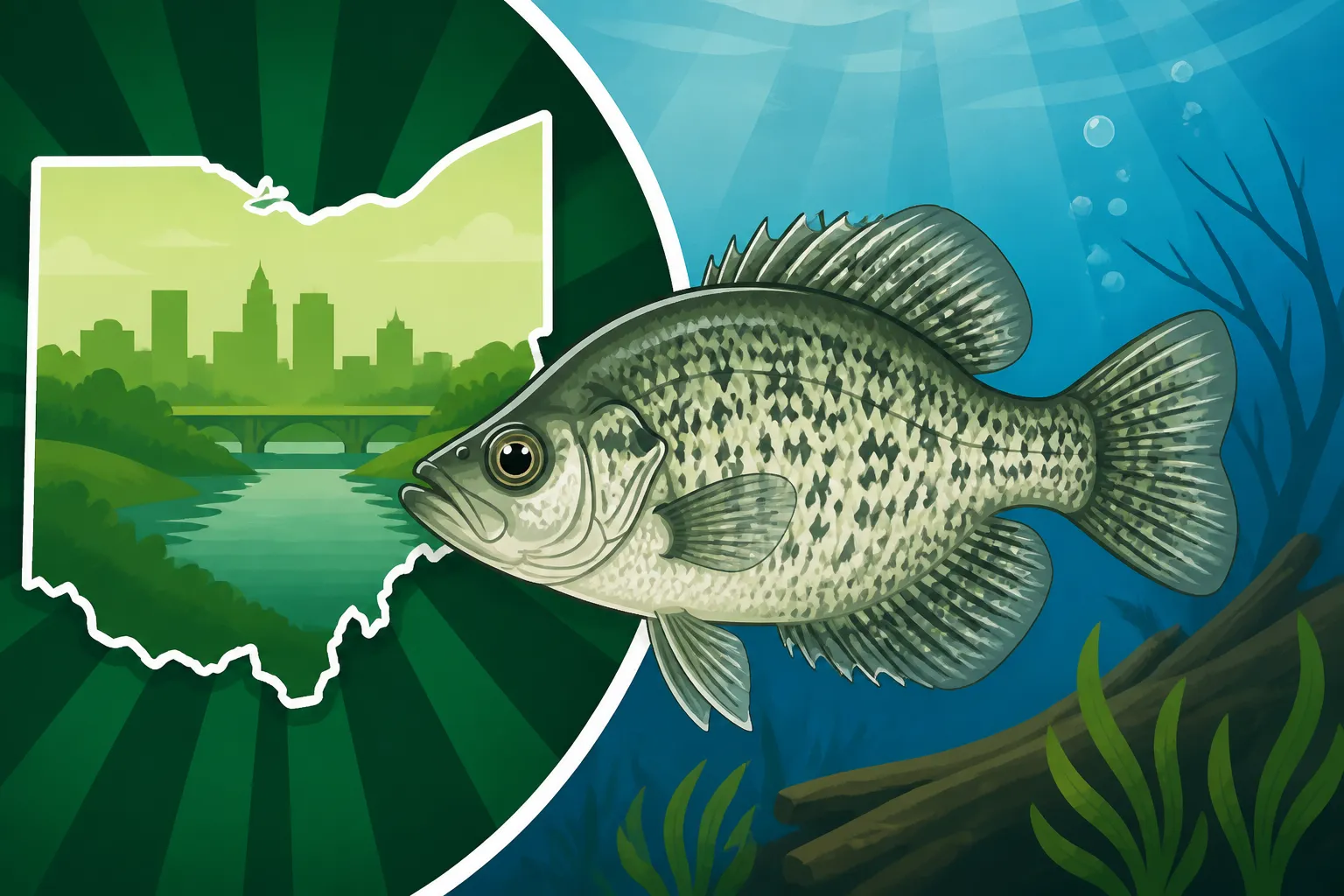
When we talk about crappie lifespan, it's not a one-size-fits-all answer, and that can be a bit frustrating for those of us who just want a simple number. Many factors play into how long a crappie, whether it's a black crappie or a white crappie, will survive and thrive in Ohio's diverse waterways. Generally speaking, crappie are not extremely long-lived fish compared to some other species, but they certainly can provide several years of excellent fishing if conditions are right.
You might be surprised to learn that an average crappie in Ohio might only live for around 3 to 5 years. However, under optimal conditions, it's not unheard of for them to reach 7, 8, or even occasionally 9 or 10 years old. These older, larger fish are the "slabs" that get all the attention, and they've certainly earned their stripes by avoiding predators, surviving harsh winters, and outsmarting countless anglers. The quest for these older, bigger crappie is a driving force for many of us, and knowing their potential longevity makes each catch even more special.
Average Lifespan in Ohio Waters
In the typical Ohio reservoir or inland lake, a crappie often reaches maturity and contributes to the population for a few years before succumbing to natural causes or angler harvest. For example, in a fertile lake like Indian Lake or Buckeye Lake, where there's an abundance of food and good habitat, crappie might grow faster and have a slightly better chance of living a bit longer, perhaps consistently reaching 4 to 6 years of age. These are the lakes where you might encounter those truly impressive 14-inch fish. On the other hand, in a heavily fished pond or a lake with less ideal conditions, their average age might lean more towards the lower end of that spectrum, say 2 to 4 years.
Consider the sheer number of crappie that hatch each year. The vast majority won't make it past their first year due to predation from larger fish, birds, and even other crappie. Those that survive become the backbone of the fishery, providing fantastic angling opportunities. The population dynamics are constantly in flux, and understanding that the average lifespan is a spectrum, rather than a fixed point, helps us appreciate the resilience of these fish. When you pull a beautiful crappie out of the water, take a moment to consider its journey and how long it's likely been swimming in those waters. For more on the different types, check out Ohio White Crappie vs Black Crappie.
Factors That Influence How Long Crappie Live
So, what exactly dictates whether a crappie becomes a seasoned veteran or an early casualty? It boils down to a complex interplay of environmental conditions, food availability, predation, and human activity. These factors can vary wildly from one lake to another, and even within different sections of the same body of water.
Environmental Conditions and Habitat:
Water quality is paramount. Crappie need clean, well-oxygenated water to thrive. Lakes and reservoirs with good water quality, stable temperatures, and abundant cover (like submerged timber, weed beds, or brush piles) generally support healthier, longer-lived crappie populations. Conversely, bodies of water suffering from pollution, excessive algae blooms, or severe winter kills will see crappie struggling to survive, leading to shorter lifespans. Think about a pristine, natural lake versus a shallow, murky farm pond; the crappie in the former are generally going to have a better chance at a long life.
Food Availability:
Crappie are voracious eaters, primarily feeding on zooplankton and small insects when young, then graduating to minnows, small shad, and other baitfish as they grow larger. An abundant and diverse food supply is crucial for rapid growth and overall health, which in turn contributes to a longer life. If a lake has a booming population of shad, for instance, crappie will grow quickly and have more energy reserves to withstand environmental stresses. A good fish finder, perhaps one you found on Amazon, can often help you locate these baitfish schools, which is a great indicator of where the crappie will be. Knowing What Crappie Eat in Ohio Lakes can really help you target them effectively.
Predation:
Crappie are a food source for many larger fish, including bass, walleye, pike, and even larger crappie. Birds like ospreys and kingfishers also take their toll, especially on smaller fish. The more predators in a system, the higher the mortality rate for crappie, naturally shortening their average lifespan. Lakes with a balanced ecosystem, where predator and prey populations are in harmony, tend to have more stable crappie populations with a good mix of age classes.
Angler Harvest:
This is perhaps the most direct human impact on crappie lifespan. While fishing is a fantastic recreational activity and a great way to put food on the table, heavy fishing pressure and over-harvest can significantly reduce the number of older, larger crappie in a system. When too many crappie are removed, especially the bigger, breeding-age fish, it can impact the genetic quality and overall health of the population in the long run. That's why understanding and respecting Crappie and Panfish Daily Limits is so important.
Here's a quick overview of these influencing factors:
| Factor | Impact on Crappie Lifespan |
|---|---|
| Water Quality | Good oxygen, low pollution = Longer life; Poor quality = Shorter life |
| Habitat & Cover | Abundant structure (weeds, timber) = Protection, food = Longer life; Sparse cover = Vulnerability = Shorter life |
| Food Availability | Ample baitfish/insects = Faster growth, better health = Longer life; Scarce food = Stunted growth, poor health = Shorter life |
| Predation | High predator density = Higher mortality = Shorter life; Balanced ecosystem = Longer life for survivors |
| Angler Harvest | High harvest rate, especially of large fish = Reduced older population = Shorter average life; Conservative harvest = More older fish = Longer average life |
| Disease/Parasites | High incidence = Shorter life; Low incidence = Longer life |
| Environmental Stress | Extreme temperature swings, drought, severe winter = Shorter life; Stable conditions = Longer life |
The Journey from Fry to Feisty Slab: Crappie Growth and Age
It's truly amazing to witness the transformation of a crappie from a tiny, almost invisible fry to a substantial "slab" that bends your rod. This journey isn't just about getting bigger; it's about navigating a gauntlet of challenges and developing the survival instincts that allow a few lucky individuals to reach impressive sizes and ages. Their growth rate is directly tied to their environment, and it’s a key indicator of the health of a crappie fishery.
When you catch a crappie, you might instinctively try to guess its age by its size, and while that's a decent general rule, it's not always accurate. Two crappie of the exact same age, living in different lakes or even different parts of the same lake, can be vastly different in size. This variability is one of the charming, albeit sometimes perplexing, aspects of fishing.
Growth Rates and Size at Different Ages
Crappie growth is heavily influenced by water temperature, food availability, and population density. In prime conditions – warm water, abundant baitfish, and not too many competing crappie – they can grow surprisingly fast. A crappie might reach 6-8 inches in its first year, especially in nutrient-rich impoundments. By year two, they could be pushing 9-11 inches, and by year three, they might hit that desirable 12-inch mark, becoming prime targets for anglers.
However, if a lake is overpopulated with crappie, or if the food supply is limited, growth can be severely stunted. You might find a lake full of 6-8 inch crappie that are actually 3 or 4 years old, which is a clear sign of an imbalance in the fishery. These are often referred to as "stunted" populations, where there are too many mouths to feed, and none of the fish reach their full growth potential. This is a common issue that fishery managers try to address through various management techniques.
Here’s a rough idea of how crappie might grow in a well-managed, productive Ohio lake:
- Year 1: 6-8 inches (often sexually mature)
- Year 2: 9-11 inches
- Year 3: 11-13 inches (often considered "slab" size)
- Year 4: 13-14 inches
- Year 5+: 14+ inches (trophy size)
Remember, these are just averages. A 10-inch crappie could be a fast-growing 2-year-old or a slower-growing 4-year-old. It's the unique story of each individual fish, shaped by its environment. For consistent catches, understanding Crappie Schooling Behavior can be more helpful than just age.
Identifying Older Crappie by Size and Appearance
While size is the most obvious indicator, it's not the only one. Older crappie often develop certain physical characteristics that can hint at their advanced age, even if they aren't absolute giants. Of course, the sheer mass and length are usually the first giveaways. A crappie pushing 14-16 inches truly stands out from the rest of the school.
Look for a thicker body profile. Younger, faster-growing crappie tend to be a bit more slender. As they age and pack on the years, they often become deeper-bodied and more robust, sometimes referred to as "dinner plates" for their impressive girth. Their fins might also show a bit more wear and tear from years of navigating structure and fending off predators. You might notice slightly ragged edges or a more pronounced curve to their dorsal and anal fins.
Another subtle cue can be the color intensity and pattern. While crappie colors vary widely based on water clarity and diet, some older fish, especially black crappie, can develop very distinct, almost mottled patterns, with pronounced dark spots against a lighter background. White crappie might show more pronounced vertical barring. These aren't scientific age markers, but experienced anglers often develop an eye for these subtle signs of maturity and age. Using the right gear, like some reliable jigs you found on Amazon, can help you catch these impressive specimens. If you're looking for specifics on when to find the biggest ones, check out Best Time of Year for Ohio Crappie Fishing.
Angler's Role and Conservation: Protecting Crappie Longevity
As anglers, we have a significant role to play in the health and longevity of crappie populations. Every decision we make on the water, from how we handle a fish to whether we keep it, can impact the fishery. It's not just about what the regulations say; it's about adopting an ethical approach that ensures future generations of anglers can enjoy the same great fishing experiences we do. We all want to keep catching those fantastic crappie, and sustainable practices are key to making that happen.
The frustrations of seeing smaller crappie dominate a fishery, or feeling like the "slabs" are disappearing, can often be addressed by better understanding and applying conservation principles. It's a collective effort, and even small changes in our individual habits can have a ripple effect on the overall health of crappie in Ohio.
Catch and Release Practices for Longer Lives
Catch and release has become a cornerstone of responsible angling, especially when targeting larger, older fish that are vital for breeding. When you decide to release a crappie, your handling technique is critical to its survival. Sloppy handling can negate the good intention, leading to delayed mortality even if the fish swims away initially.
Here are some best practices for catch and release that promote longevity:
- Minimize Fight Time: Bring the fish in quickly. A prolonged fight can exhaust the crappie, making it less likely to recover.
- Wet Hands: Always wet your hands before touching a fish. Dry hands can remove the crappie's protective slime coat, leaving it vulnerable to infection.
- Support the Fish: If possible, support the crappie horizontally, especially larger ones, to avoid damaging its internal organs or jaw. Don't hold it vertically by the lip if it's a heavy fish.
- Use Barbless Hooks (or Crimp Barbs): Barbless hooks make removal much easier and faster, reducing trauma. If you use barbed hooks, consider gently crimping the barb with pliers.
- Quick Hook Removal: Use a pair of needle-nose pliers or a hook remover tool to extract the hook swiftly. If the hook is deeply swallowed, it's often best to cut the line as close to the hook as possible. Trying to dig it out can cause fatal internal damage.
- Avoid Excessive Air Exposure: Crappie, like all fish, need water to breathe. Keep them in the water as much as possible, only lifting them out briefly for a photo if desired.
- Revive Gently: If a crappie seems lethargic, hold it gently in the water, facing into a mild current, and allow water to flow over its gills until it regains strength and swims off on its own.
These practices, especially when combined with using appropriate tackle, such as specific crappie jigs you can find on Amazon, can drastically improve a crappie's chances of survival post-release.
Managing Crappie Populations for Sustainable Fishing
Fishery managers work tirelessly to balance fishing opportunities with the long-term health of crappie populations. This often involves implementing regulations like daily bag limits, size limits, and even seasonal closures. For example, some lakes might have a 9-inch minimum length limit for crappie, or a reduced daily bag limit, to protect younger fish and ensure a healthy number of breeding adults. Understanding these rules, such as Is There a Minimum Size Limit for Crappie in Ohio?, is your first step.
Beyond regulations, anglers can contribute to better management:
- Selective Harvest: Instead of just keeping every legal-sized fish, consider practicing selective harvest. This means keeping some of the smaller, but legal, crappie for the dinner table, while releasing the larger, older "breeder" fish. This helps to reduce competition among smaller crappie, potentially leading to faster growth rates for the remaining fish and promoting overall population health.
- Report Concerns: If you notice unusual fish kills, signs of pollution, or consistent catching of only stunted crappie, report it to the Ohio Department of Natural Resources (ODNR). Your observations are valuable to fishery biologists.
- Support Conservation Efforts: Many local fishing clubs and state agencies conduct habitat improvement projects, such as sinking brush piles for crappie cover. Volunteering your time or supporting these initiatives financially can directly benefit crappie longevity.
By being mindful of our impact and actively participating in conservation, we can help ensure that crappie in Ohio continue to thrive for many years to come, providing endless enjoyment for anglers of all skill levels. Remember, these fish have a life story, and we can help make it a long and healthy one.
Maximizing Crappie Health and Longevity in Your Local Waters
It's natural to want the crappie in your favorite fishing spots to be abundant, healthy, and grow to impressive sizes. While many factors are out of an individual angler's control, there are still ways we can contribute to creating an environment where crappie can live longer, more productive lives. Whether you manage a private pond or just care deeply about your local public lake, understanding the mechanisms that boost crappie health is empowering.
Thinking proactively about how to support crappie through habitat and careful management isn't just for fishery biologists; it's something every dedicated angler can embrace. It transforms fishing from just a recreational activity into a form of stewardship, ensuring those exciting battles with a big slab crappie continue year after year.
Habitat Improvement and Water Quality
A healthy crappie starts with a healthy home. Just like we need good living conditions, crappie rely on specific environmental factors to survive, grow, and reproduce. Improving or maintaining these conditions directly supports their longevity.
Creating and Maintaining Structure: Crappie absolutely love structure. Submerged trees, brush piles, rock formations, and even old tires or pallets provide crucial cover for protection from predators and ambush points for feeding. They also offer shade and a place to gather. If your local lake or pond seems a bit barren, consider working with local authorities or fishing clubs to introduce artificial or natural structures. For example, sinking old Christmas trees (after checking local regulations, of course!) can create fantastic crappie condos. These structures not only give crappie a place to hide but also provide surfaces for algae and insects to grow, which in turn attract baitfish, creating a complete ecosystem. Many crappie anglers build their own brush piles and mark them on their fishing apps, making them fantastic hotspots.
Water Quality Management: This is perhaps the most critical component. Crappie are sensitive to low oxygen levels, high turbidity, and pollution.
- Preventing Runoff: Be mindful of what goes into the water. Chemicals from lawns (fertilizers, pesticides) and agricultural runoff can lead to excessive algae growth, which depletes oxygen when it decomposes. Encourage riparian buffers (vegetation along the shoreline) to filter pollutants.
- Aeration: In smaller, shallower ponds, aeration systems can dramatically improve oxygen levels, especially during hot summer months or under thick winter ice, preventing fish kills that would otherwise decimate crappie populations.
- Sediment Control: Erosion from shorelines can lead to silting, which smothers spawning beds and reduces water clarity. Efforts to stabilize shorelines can have a big impact.
By focusing on these elements, we create a more stable and life-sustaining environment for crappie, allowing them to better resist disease and stress, thereby increasing their chances of living a longer, healthier life. You might find guides on building habitat structures or water quality testing kits on Amazon, helping you take a more active role.
Smart Stocking and Harvest Strategies
When it comes to actively managing a crappie population, strategic stocking and thoughtful harvest play crucial roles in promoting longevity and overall fishery health. It's about finding that sweet spot where crappie grow well and there are enough fish for everyone to enjoy.
Responsible Stocking: For private ponds or lakes undergoing rehabilitation, stocking can be a tool to establish or enhance a crappie population. However, it needs to be done wisely.
- Species Choice: Consider whether black crappie or white crappie are better suited to your specific waterbody. Black crappie generally prefer clearer water and more vegetation, while white crappie tolerate murkier conditions.
- Balance: Don't just stock crappie. A balanced ecosystem needs a healthy prey base (like minnows or shad) and suitable predators (like bass) to keep crappie numbers in check and prevent overpopulation and stunting. Introducing too many crappie without adequate food or predation can lead to a population of small, unhealthy fish with very short lifespans due to intense competition.
- Source: Always obtain fish from reputable hatcheries to avoid introducing diseases or undesirable genetics into your water.
Harvest Strategies for Healthier Fish: This is where selective harvest truly shines, moving beyond just following the law to actively shaping the fishery.
- Thinning the Herd: In lakes with stunted crappie, removing a higher number of smaller, legal-sized fish can actually benefit the remaining crappie by reducing competition for food. This allows the survivors to grow faster and larger, ultimately living longer. This is often counterintuitive for anglers who want to only keep the "big ones." However, sometimes, taking out more of the 8-10 inch fish will allow the 10-12 inch fish to thrive even more.
- Protecting Breeders: Conversely, in fisheries where trophy crappie are the goal, protecting the largest, oldest fish is essential, as they are often the most prolific spawners and contribute valuable genetics to the population. This could mean a "slot limit," where only fish within a certain size range can be kept, protecting both the very small and the very large.
- Monitoring Growth: Pay attention to the average size and condition of the crappie you catch. If most of your catches are small and skinny, it might indicate an overpopulation issue where more aggressive harvest of smaller fish could be beneficial. If you're consistently catching healthy, robust crappie, your current harvest practices are probably doing well.
By understanding the delicate balance of a crappie ecosystem and applying these smart management strategies, whether in your own pond or as an advocate for public waters, we can all contribute to fostering longer-lived, healthier, and more enjoyable crappie fishing experiences across Ohio.
Disclaimer
This article is for general informational purposes only and does not constitute professional advice. Laws, prices and regulations vary by location and change over time. Consult a qualified professional for guidance on your specific situation.