Crappie Schooling Behavior
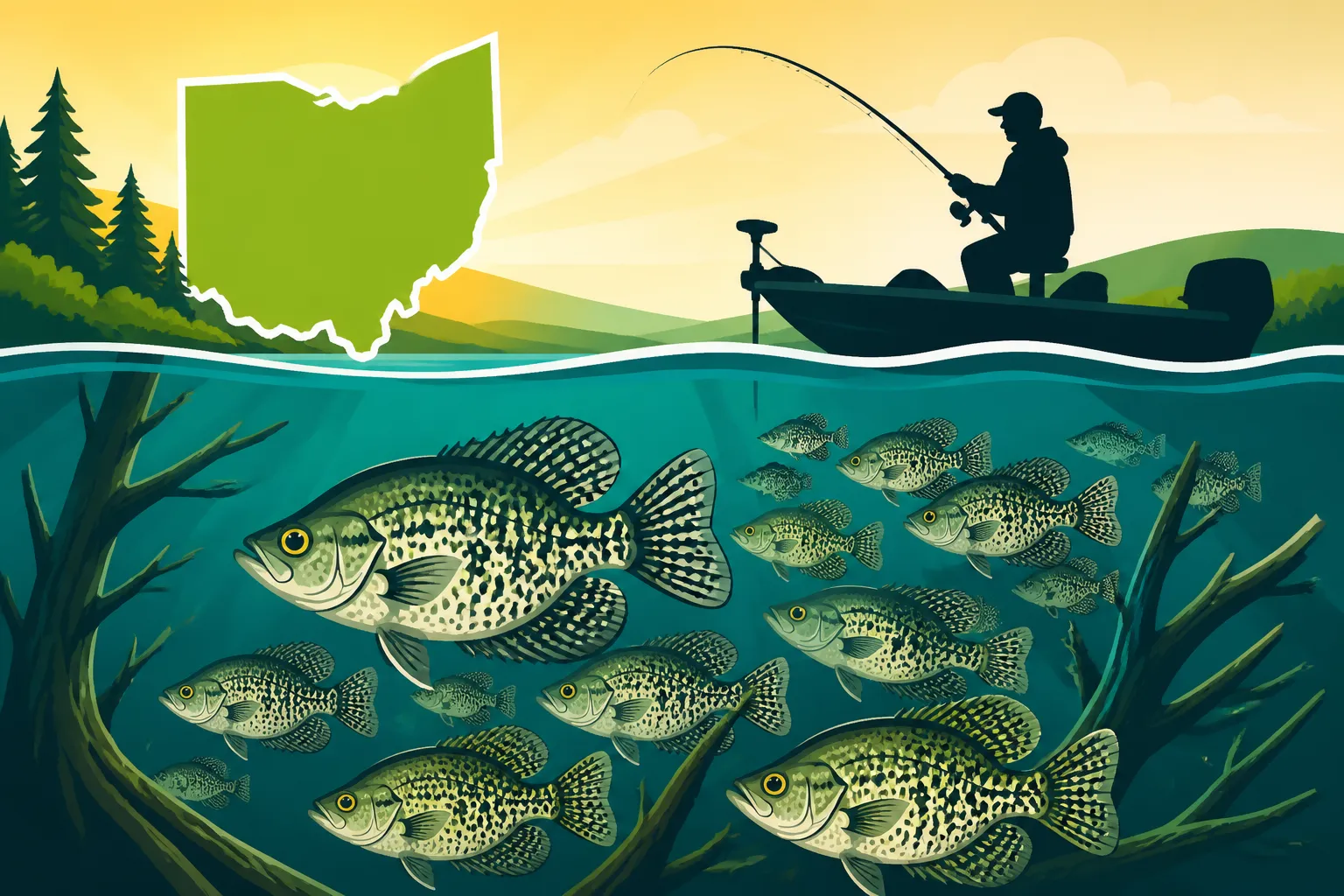
There's nothing quite like the thrill of finding a massive school of crappie, but sometimes, those elusive slabs seem to vanish into thin air. Many anglers feel the frustration of a hit-or-miss crappie day, struggling to pinpoint where these fish have gone. This guide is dedicated to unraveling the fascinating world of crappie schooling behavior in Ohio, helping you understand why they group up, where to find them throughout the year, and the most effective tactics to bring those papermouths to your net.
The Social Life of Crappie: Why They School
Crappie are inherently social fish, much more so than many other species you'll encounter in Ohio's lakes and reservoirs. This isn't just a random act; their schooling behavior is deeply rooted in survival and efficiency. Understanding these fundamental reasons can provide invaluable clues when you're out on the water, trying to decipher their movements. It's about thinking like a crappie, even if just for a moment!
The Survival Advantage: Safety in Numbers
Imagine being a small fish in a big lake, with hungry predators like bass, pike, and even larger catfish constantly on the prowl. It's a dangerous world out there! For crappie, gathering in a school offers a significant advantage: safety in numbers. This phenomenon, often called the "dilution effect," means that the probability of any single crappie being eaten by a predator decreases as the school size increases.
Beyond just dilution, a large school can also confuse predators. When a school scatters, it creates a chaotic scene with many targets, making it harder for a predator to focus on and successfully capture an individual fish. This collective defense mechanism allows crappie to live longer, grow larger, and ultimately contribute more to the population, which is great news for us anglers, too!
Feeding Efficiency: Group Hunting Dynamics
While crappie aren't strictly pack hunters in the way some predators are, their schooling behavior certainly aids in foraging and feeding efficiency. When a large group of crappie moves through an area, they can more effectively locate and corner schools of baitfish, such as shad or minnows, which are a primary food source. More eyes mean a greater chance of spotting a meal. What Crappie Eat in Ohio Lakes often includes a heavy diet of smaller forage fish.
Once baitfish are located, the sheer presence of a large crappie school can disorient their prey, making them easier targets. This collective effort, even if passive, means that each crappie within the school has a better chance of finding enough food to thrive. It’s a classic case of teamwork making the dream work, especially when it comes to filling their bellies.
Reproductive Strategies: Spawning Aggregations
When spring arrives in Ohio, crappie gather en masse for one of the most important events of their lives: spawning. During this time, schooling behavior takes on a critical reproductive role, forming what are known as spawning aggregations. These large groups move into shallower waters, seeking out suitable areas for nesting.
By gathering together, crappie increase the likelihood of finding mates and ensure that their eggs are fertilized. While individual male crappie will fan out to build and guard nests, the initial move into the spawning grounds is a coordinated, schooling effort. Understanding Crappie Spawning Behavior is key to intercepting these fish when they are most concentrated and accessible.
Seasonal Shifts in Crappie Schooling Behavior in Ohio Waters
Crappie are masters of adaptation, and their schooling behavior shifts dramatically with the seasons in Ohio. What works in spring won't necessarily work in winter, and vice-versa. Being dialed into these seasonal patterns is like having a secret roadmap to crappie success, whether you're targeting them on Lake Erie, Hoover Reservoir, or any other great crappie spot in the state. For a general overview, check out our Ohio Crappie Fishing Guide.
Spring Aggregations: Pre-Spawn and Spawning Schools
Ah, spring in Ohio! This is often the most anticipated time for crappie anglers, and for good reason. As water temperatures begin to rise into the 45-55 degree Fahrenheit range, crappie start to move from their deeper wintering holes towards shallower, warmer waters. This is the pre-spawn phase, and they'll form large, active schools as they follow baitfish migrating closer to shore.
Once temperatures reach the mid-50s to low-60s, the full-blown spawn begins. Crappie will disperse somewhat from those huge pre-spawn schools, with males fanning out to guard individual nests, but they are still highly concentrated in specific areas. Look for them around shallow brush piles, submerged timber, weed lines, and even old dock pilings. It’s not uncommon to find several crappie off one piece of cover, especially when they Do Crappie Move Shallow in Spring in Ohio?. They are focused on reproduction but will still strike if a bait presents itself as an easy meal or a threat to their nest.
Summer Spreading and Deep Water Schools
As Ohio's waters heat up during summer, crappie schooling behavior undergoes another transformation. The intense shallow-water activity of spring fades, and crappie typically move deeper to find more comfortable temperatures and higher oxygen levels. They'll often suspend over deeper structure or along pronounced thermoclines.
During this period, schools might be less tightly packed than in spring, spreading out a bit more but still generally associating with structure. You might find them suspended at 15-25 feet over a 40-foot basin, or tucked into the shaded depths of standing timber. Finding these deep, suspended schools can be a challenge, but once you do, the fishing can be phenomenal. They're still feeding actively, often on open-water baitfish, so being able to pinpoint these groups with electronics is crucial.
Fall Feast: Active Schools Before Winter
Fall is another fantastic time for crappie fishing in Ohio, as cooler temperatures trigger a major feeding spree. Crappie, sensing the approaching winter, will school up tightly and become incredibly active, aggressively feeding on baitfish to build up fat reserves. This often means they’ll move back towards shallower, warmer areas during the day, following baitfish that are also staging before the deep chill.
Look for fall crappie schools around submerged creek channels, points, humps, and brush piles in 10-20 feet of water. They might move up to shallower flats on sunny days, only to retreat to deeper breaks as light conditions change. This is a time when they are actively chasing bait, so covering water and presenting moving baits can be highly effective. The energy of these fall schools is palpable, leading to some of the fastest action of the year.
Winter Huddles: Deep Water Suspended Schools
When winter finally blankets Ohio with cold, crappie revert to a more lethargic, tightly schooled behavior. They seek out the deepest, most stable water available, often suspending in dense balls near main lake channels, deep points, or significant submerged structure like bridge abutments. Their metabolism slows down considerably, and they become less active feeders.
During ice fishing season, these deep winter huddles are precisely what anglers are targeting. A tight school of crappie under the ice can lead to incredible action once you locate them. They might be suspended anywhere from 10 to 30 feet down in much deeper water, often holding very close to structure. The key is to present your bait slowly and subtly, as they’re not usually willing to chase much in the frigid water.
| Season | Typical Location | Schooling Behavior | Key Feeding Behavior |
|---|---|---|---|
| Spring | Shallow brush, submerged timber, weed lines, docks (5-15 ft) | Large pre-spawn schools, then disperse for individual nesting | Actively feeding on baitfish before and after spawn, territorial during spawn |
| Summer | Deeper structure, suspended over channels, thermoclines (15-30+ ft) | More spread out but still associated with cover/structure | Actively feeding on suspended baitfish, seeking cooler water |
| Fall | Transition areas, creek channels, points, humps (10-25 ft) | Tightly schooled, aggressive feeding frenzies | Relentlessly chasing baitfish to fatten up for winter |
| Winter | Deep holes, main lake channels, bridge abutments, suspended (10-40+ ft) | Very tight, lethargic huddles close to bottom or suspended | Slow, opportunistic feeding; minimal chase radius |
Deciphering the Depths: Locating Crappie Schools
Finding crappie schools can feel like solving a mystery, but with the right tools and a keen eye, you can crack the code. It’s not just about randomly casting; it’s about understanding what crappie are looking for and how to interpret the signals they give off. Equipping yourself with a good fish finder and knowing how to read it is paramount.
Reading Your Electronics: Sonar and Side Imaging
A good quality fish finder becomes your best friend when searching for crappie schools, especially in deeper water. Many excellent options are available on Amazon that can significantly improve your success rate. Modern sonar units with down imaging and side imaging capabilities are invaluable. Look for distinct "clouds" or "balls" of fish on your traditional 2D sonar display – these are often crappie schools, sometimes appearing like "Christmas trees" when stacked tightly.
Side imaging is particularly useful for scanning wide swaths of water to locate submerged brush piles, standing timber, or other structure where crappie might be holding. Once you spot a promising piece of cover or a school, you can then switch to down imaging or traditional sonar to get a clearer picture of the fish's depth and density. Mark waypoints when you find active schools, as crappie often return to the same areas year after year.
Structural Signposts: Finding Their Hangouts
Crappie are almost always associated with some form of structure or cover. Understanding what kind of structure they prefer and when can dramatically narrow your search. In Ohio, common crappie hangouts include submerged timber, brush piles (both natural and man-made), bridge pilings, rock piles, creek channel ledges, and deep weed lines. The Best Ohio Lakes for Crappie often have an abundance of these features.
During spring, focus on shallower cover like flooded willows, old dock posts, and shallow brush. As summer progresses, shift your attention to deeper brush piles, standing timber in old riverbeds, and humps that rise out of deep water. In fall, they might transition between shallower points and deeper channel swings. Winter crappie will hug the deepest, thickest cover they can find. If you find one piece of productive cover, chances are there are similar spots nearby holding more schools.
Environmental Cues: Weather and Water
Crappie, like most fish, are highly influenced by environmental factors. Keeping an eye on weather patterns and water conditions can give you a significant edge in locating schools. For instance, stable weather patterns generally mean more consistent crappie behavior, while sudden cold fronts can push them deeper and make them less active. This is especially true if you are looking for Best Time of Year for Ohio Crappie Fishing.
Water temperature is arguably the most critical factor, dictating their seasonal movements and schooling depths. Wind direction and intensity can also play a role, pushing baitfish (and subsequently crappie) to certain banks or structures. Clear water might make them shy, sending them to deeper or darker cover, while stained water can make them more active at shallower depths. Paying attention to these subtle cues and how they impact fish behavior is part of becoming a truly skilled angler.
Angling Strategies for Schooling Crappie Success
Once you've located a crappie school, the real fun begins! But simply casting a line won't always cut it. You need to employ specific techniques designed to capitalize on their schooling behavior and entice them to bite. Being versatile and willing to adjust your presentation is crucial.
Vertical Presentations: Jigs and Live Bait
When crappie are tightly schooled, especially in deeper water or suspended over structure, vertical presentations are often your most effective strategy. This involves getting your bait directly into or just above the school. Small jigs, particularly those with a slow fall rate, are incredibly effective. You can tip them with a small plastic grub or a live minnow. Experiment with different colors, as sometimes one color, like the Best Jig Color for Ohio Crappie, will outperform all others on a given day.
Another killer vertical technique is using a live minnow under a slip bobber. This allows you to precisely set your depth and keep the minnow in the strike zone for extended periods. When you're fishing a tight school, a minnow's natural movements can often trigger bites when artificials won't. If you're wondering How to Rig a Live Minnow for Crappie, a simple hook through the lips or dorsal fin is usually best, allowing it to swim naturally. Drop your bait right to the depth you're seeing the fish on your electronics, then lift and drop it gently to entice a strike.
Horizontal Tactics: Trolling and Casting
While vertical presentations excel on stationary or tightly packed schools, horizontal tactics shine when crappie are more spread out or actively chasing baitfish. Slow trolling, often called "spider rigging" (using multiple long rods extended from the boat), is a fantastic way to cover water and present multiple baits at different depths and speeds. This allows you to quickly find the sweet spot within a more dispersed school.
Casting small crankbaits, spinnerbaits, or swimbaits can also be very effective, especially when crappie are feeding aggressively in shallower or mid-depth waters during spring and fall. Fan casting around submerged points, weed edges, or brush piles can help you locate those active feeders. Always remember that crappie have soft mouths, so a gentle hook set is generally best to avoid tearing out the hook.
Adjusting to the School's Mood: Experimentation
Crappie schools are not always in the same mood. Some days they're aggressive, hitting anything that moves. Other days, they're finicky, barely nipping at your bait. This is where experimentation comes in. Don't be afraid to change jig sizes, colors, and types of soft plastics. A tackle box stocked with a variety of options, easily ordered from Amazon, will serve you well. Sometimes a tiny 1/32 ounce jig is the ticket, other times a slightly heavier 1/16 ounce or even 1/8 ounce jig will draw more attention.
Vary your retrieve speed and jigging action. A slow, subtle twitch might be what they want in cold water, while an aggressive snap and fall could trigger a reaction strike when they're feeding hot. If one bait isn't working, switch it up. Try a different presentation method. Keep an eye on your rod tip for the slightest tick or slack in the line – crappie bites can be incredibly subtle, often feeling like just a little extra weight or a spongy sensation.
Common Pitfalls and How to Avoid Them
Even with the best understanding of crappie schooling behavior, it's easy to fall into common traps that can hinder your success. Avoiding these mistakes can significantly increase your catch rates and make your time on the water more enjoyable.
Fishing Too Fast or Too Shallow/Deep
One of the most frequent mistakes anglers make is fishing too quickly or not precisely at the depth where the crappie are holding. Crappie are often suspended in a very specific depth band, and if your bait is a foot above or below them, they might not bother to move for it. Take your time to locate the school on your electronics, and then present your bait at that exact depth.
Similarly, avoid the temptation to constantly move your boat or cast erratically when you've found an active school. Crappie spook easily, especially in shallower, clearer water. Anchor up, or use a spot-lock trolling motor, and fish the area thoroughly. If the bites slow down, gently move to the next section of the school or the next piece of similar structure.
Ignoring Subtle Bites and Missing Opportunities
Crappie are notoriously light biters, particularly when the water is cold or they are less active. Their strike can feel like anything from a slight tap, a spongy resistance, to simply the line going slack. Many anglers accustomed to aggressive bass strikes miss these subtle indications entirely. Using a sensitive rod and light line, like a high-quality braided line available on Amazon, can help you detect these faint bites.
Always pay close attention to your line. Any twitch, jump, or unnatural movement should be met with a gentle sweep set. Often, the crappie has already inhaled the bait and is just sitting there. If you wait for a pronounced "thump," you might miss a dozen fish. Keep your eyes peeled and your senses sharp.
Overlooking Regulations: Staying Legal
Ohio has specific regulations for crappie, including daily bag limits and sometimes size limits, depending on the body of water. It's crucial to be aware of these rules before you hit the water, especially when you encounter an active school. It's easy to get caught up in the excitement of a hot bite and inadvertently exceed limits. Always double-check the current Crappie and Panfish Daily Limits for your specific fishing location.
The goal is to enjoy the sport responsibly and help conserve Ohio's excellent crappie fisheries for future generations. Knowing your limits, measuring fish carefully, and releasing undersized fish gently ensures that we all get to experience the thrill of finding those schooling slabs.
Disclaimer
This article is for general informational purposes only and does not constitute professional advice. Laws, prices and regulations vary by location and change over time. Consult a qualified professional for guidance on your specific situation.