Are Walleye Native to Lake Erie?
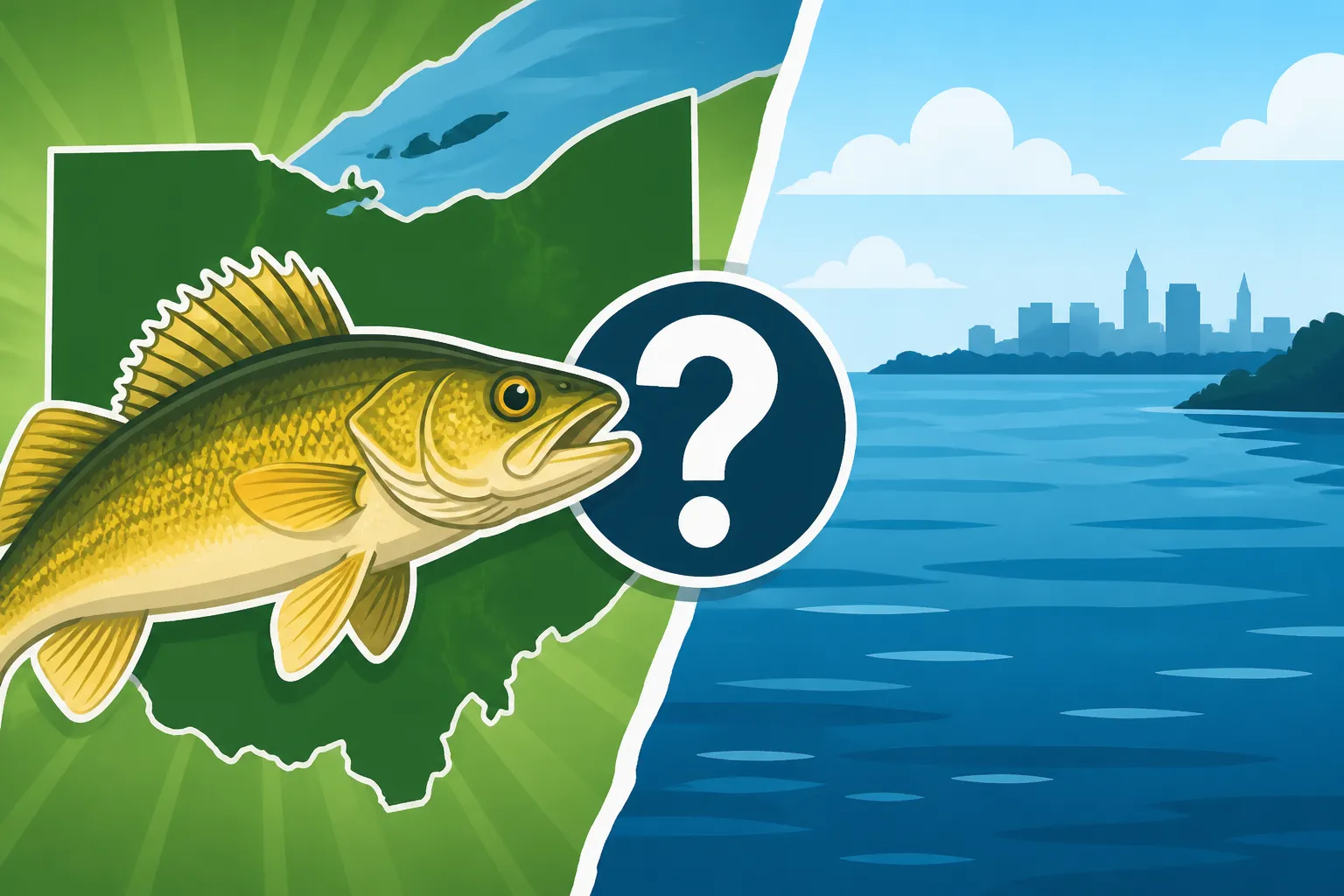
It's a question many anglers new to our beautiful Lake Erie fishery often ponder: are walleye truly native to these waters? There's a persistent whisper that perhaps they were introduced, but the truth tells a different, much older story. This guide is here to set the record straight, dive into the fascinating history of walleye in Lake Erie, and explore why this iconic fish is a cornerstone of Ohio's fishing heritage.
The Undeniable Native Status of Lake Erie Walleye
Let's clear the air right from the start: yes, walleye are absolutely native to Lake Erie and have been for thousands of years. They aren't an introduced species, like some others that have found their way into our Great Lakes. Walleye are as much a part of Lake Erie's original aquatic tapestry as the bedrock beneath it. This large, freshwater fish, identifiable by its pearly eye (which helps it see in low light, giving it an edge over prey), has adapted perfectly to the unique conditions of Lake Erie, especially its western basin which offers vast, shallow, and nutrient-rich spawning grounds.
The misconception about their native status often stems from the dramatic fluctuations in walleye populations that Lake Erie has experienced over the decades. There were periods when their numbers plummeted due to overfishing, pollution, and habitat degradation. When a species seems to disappear and then makes a remarkable comeback, it's easy for people to assume that the fish must have been restocked from elsewhere entirely, making them feel like a non-native addition. However, what we’ve seen in Lake Erie is a testament to the resilience of a native species and the success of dedicated conservation efforts.
Think about it like this: your family might have lived in Ohio for generations, but if they moved away for a while and then returned, they're still native Ohioans. Walleye never truly left; their populations just struggled immensely, and then, with help, rebounded. Their genetic makeup and historical presence confirm their rightful place in these waters.
Why the Walleye Population Rollercoaster Created Confusion
The history of Lake Erie's walleye population is truly a saga of boom, bust, and recovery, which undeniably fueled the "are they native?" question. In the early to mid-20th century, Lake Erie was a powerhouse of commercial fishing, and walleye were a prized catch. unregulated harvesting, combined with rampant industrial and agricultural pollution that choked the lake's waters, led to a catastrophic decline in walleye numbers by the 1960s. Many feared the species was on the brink of collapse in Lake Erie, and some even believed they were gone for good.
During this bleak period, it was genuinely hard to find a walleye. Anglers who remembered the glory days might have resigned themselves to believing that perhaps these fish were just a transient presence or even that "true" native walleye had died out. When stricter environmental regulations took hold and effective fisheries management practices were implemented in the 1970s, the walleye population began its incredible resurgence. The cleanup of the lake and careful regulation of fishing pressure, along with some supplemental stocking in certain periods to kickstart recovery, allowed the native walleye population to rebound spectacularly.
It's natural for people to connect a "new" abundance with a "new" introduction, especially when the memory of scarcity is so strong. But the foundation for that abundance was always here – the robust, adaptable, native walleye that had simply been pushed to its limits. Today, Lake Erie is often hailed as the "Walleye Capital of the World," a title earned by the sheer numbers and size of these fish. This comeback story is a huge point of pride for Ohio anglers and conservationists alike, and it's built on the strength of a truly native species. For more details on this incredible fish, check out our Ohio Walleye Fishing Guide.
The Ecological Role and Importance of Native Walleye
Walleye aren't just a beloved sport fish; they play a crucial ecological role in Lake Erie. As a top predator in the food chain, they help maintain the balance of other fish species, particularly controlling populations of forage fish like gizzard shad and emerald shiners. Without a healthy walleye population, these forage species could overpopulate, leading to imbalances that affect water quality and the health of other aquatic life. Their presence signifies a healthy, functioning ecosystem.
Beyond their ecological importance, walleye hold immense cultural and economic value for Ohio. Fishing for walleye is a deep-rooted tradition, bringing families and friends together on the water. The economic impact is staggering, supporting countless bait shops, marinas, charter services, tackle manufacturers, and tourism industries along the Lake Erie coastline, especially in towns like Port Clinton and Sandusky. If you're planning a trip, learning about Ohio's Lake Erie Walleye Grounds can help you find prime locations.
Consider the ripple effect: a healthy walleye population means busy marinas, charter captains seeing full boats, and bait and tackle shops bustling with anglers looking for the right lures and gear. You can find a huge variety of specialized walleye gear, from deep-diving crankbaits to jigs, on online retailers like Amazon, ensuring you're ready for any condition. This native fish is not just a part of the lake; it's a part of Ohio's identity and livelihood.
Conservation and Management: Protecting Our Native Walleye
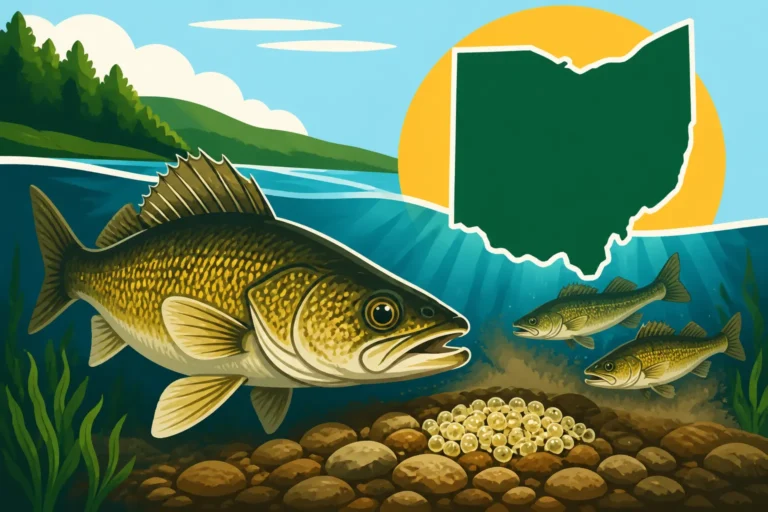
The thriving walleye fishery we enjoy today is no accident. It's the direct result of decades of dedicated conservation efforts and science-based management by state and provincial agencies surrounding Lake Erie. Understanding the walleye's life cycle, particularly their Walleye Spawning Behavior in Ohio, has been critical. Walleye typically spawn in shallow, rocky areas, often in tributary rivers like the Maumee or Sandusky, or on offshore reefs in the western basin of Lake Erie. This usually happens when the Water Temperature That Triggers Walleye Spawning reaches a certain point in the spring.
Management strategies include:
- Catch Limits and Size Restrictions: Strict Lake Erie Walleye Bag Limits and size regulations are implemented annually to ensure enough fish survive to spawn and maintain healthy population levels. These limits are constantly monitored and adjusted based on scientific surveys of the fish population.
- Habitat Protection and Restoration: Efforts are continuously made to protect and restore critical spawning and nursery habitats in the lake and its tributaries. This involves reducing pollution, managing shoreline development, and sometimes even creating artificial reefs.
- Pollution Control: The massive improvements in Lake Erie's water quality since the 1970s are arguably the single most important factor in the walleye's recovery. Continued vigilance against industrial and agricultural runoff is paramount.
- Research and Monitoring: Fisheries biologists are always studying walleye populations, tracking their movements, growth rates, and health to make informed management decisions. They use advanced techniques, including tagging programs and sonar surveys, to get the most accurate picture possible.
These efforts are a testament to our commitment to preserving native species and ensuring that future generations can experience the thrill of catching a Lake Erie walleye. Anglers also play a vital role by understanding and adhering to Ohio Fishing Regulations Every Angler Should Know and practicing ethical fishing techniques.
Common Lake Erie Fish Species and Their Origins
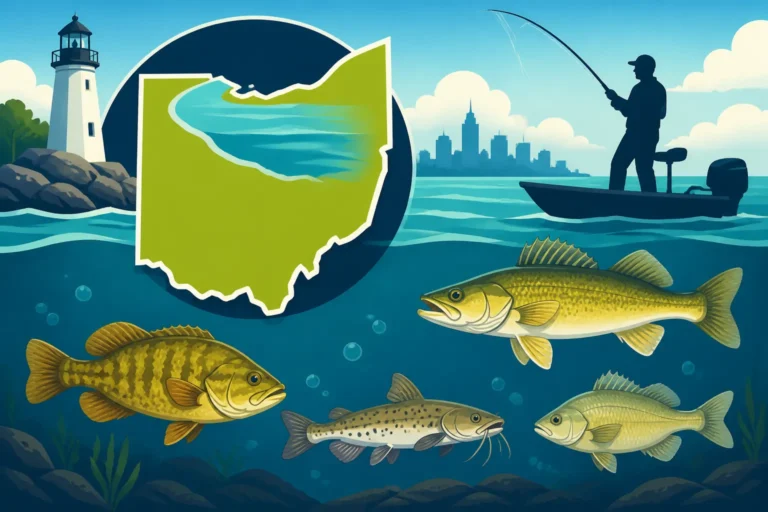
To further clarify the native status of walleye compared to other fish in Lake Erie, here's a quick look at some common species and whether they are considered native or introduced. This helps illustrate that not all fish you catch in Lake Erie have always called it home.
| Fish Species | Native to Lake Erie | Notes |
|---|---|---|
| Walleye | Yes | Critically important native predator. |
| Yellow Perch | Yes | Another iconic native species, often found with walleye. |
| Smallmouth Bass | Yes | Highly sought-after native game fish. |
| Channel Catfish | Yes | Native bottom-dweller, especially in warmer waters. |
| Lake Trout | Yes (Historically) | Native but extirpated due to overfishing; now primarily stocked. |
| Steelhead Trout | No (Introduced) | Stocked rainbow trout from the Pacific, thriving in tributaries. |
| Brown Trout | No (Introduced) | European species, stocked in some areas. |
| Common Carp | No (Introduced) | European species, introduced in the 19th century. |
| Round Goby | No (Invasive) | Invaded via ship ballast water, major impact on ecosystem. |
| White Perch | No (Introduced) | Native to Atlantic Coast, established in Lake Erie. |
As you can see, walleye stand firm as a true native of Lake Erie. Their story is one of perseverance and successful conservation, making them even more special to Ohio anglers. Knowing this, the next time you feel that distinctive tap on your line while jigging on Ohio's Western Basin of Lake Erie or trolling further out, you can appreciate that you're connecting with a piece of Ohio's natural heritage. Whether you're a seasoned pro or just starting out and looking for tips on Best Lures for Ohio Fishing, a good resource for learning is invaluable. Many educational books and guides detailing the native fish of Ohio can be found through Amazon, helping you deepen your appreciation for our local ecosystems.
Disclaimer
This article is for general informational purposes only and does not constitute professional advice. Laws, prices and regulations vary by location and change over time. Consult a qualified professional for guidance on your specific situation.