Do Ohio Lakes Have Bowfin?
Ever been out fishing on an Ohio lake or slow-moving river and hooked into something that just doesn't look right? You fought it hard, brought it to the boat, and then paused, scratching your head, wondering if you'd just caught something exotic or even, dare I say, a little prehistoric. Many anglers in Ohio have had that exact experience when they encounter a bowfin, a truly unique and often misunderstood native fish. This guide is here to shed light on whether these fascinating "living fossils" actually inhabit Ohio's waters, where you might find them, how to identify them, and even how to intentionally target these powerful fighters.
Yes, Bowfin Definitely Swim in Ohio's Waters!
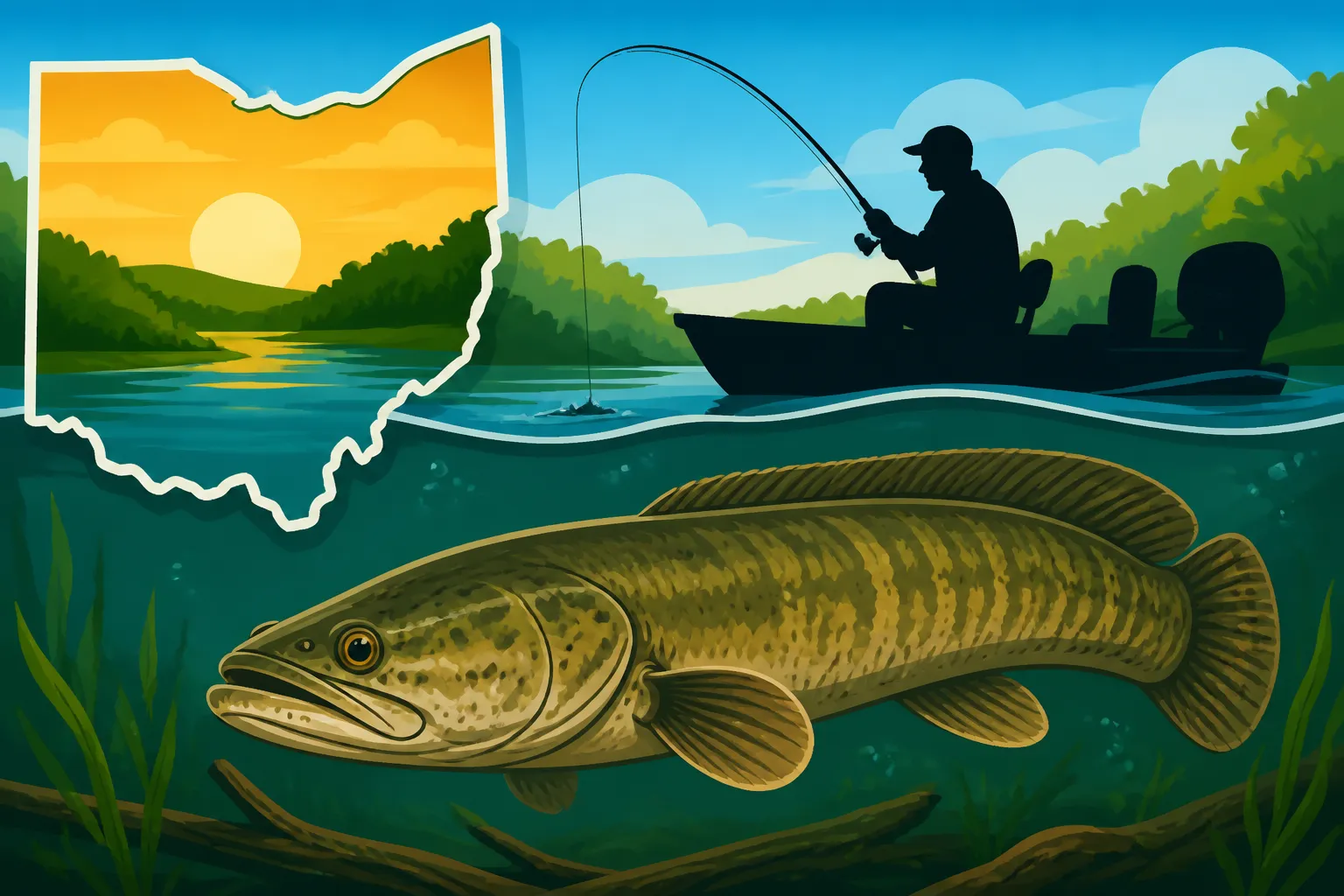
Let's clear the air right away: yes, absolutely, Ohio lakes and slow rivers are home to bowfin! These remarkable fish, often colloquially known as dogfish, mudfish, or even grinnel, are indeed a native species in our state. It's a common misconception that they are some kind of invasive species due to their unusual appearance and fighting prowess. However, bowfin have been part of Ohio's aquatic ecosystems for a very, very long time, long before many of the more "glamorous" sport fish took center stage.
They're survivors, true apex predators in their chosen environments, and an incredible testament to evolution, having changed very little over millions of years. When you catch one, you're literally holding a piece of natural history in your hands. Their presence adds a unique dynamic to Ohio's diverse fisheries, proving that our waters hold more than just walleye, bass, and crappie. Don't be surprised or alarmed if you reel one in; instead, take a moment to appreciate this unique Ohio resident.
The Misconception of the "Invasive" Bowfin
It’s easy to see why some folks might mistake a bowfin for something invasive, especially with all the legitimate concerns about species like Asian carp or round gobies. Bowfin have a long, cylindrical body, a distinctively patterned dorsal fin that runs almost the entire length of their back, and a mouth full of sharp teeth. They also possess a hard, bony head and an incredibly strong bite, which can be intimidating. Plus, they're incredibly resilient, able to survive in low-oxygen environments that would kill most other fish, thanks to a primitive lung-like organ that allows them to gulp air.
This hardiness and unusual look often lead to false assumptions. But rest assured, unlike true invasives that disrupt ecosystems, bowfin are an integral part of our native fish community. They play a role in the food web, both as predators and, when young, as prey for larger fish and birds. Understanding their native status is the first step in appreciating these incredible creatures. For more on distinguishing between beneficial and harmful species, you might find Ohio Invasive Fish Species to Know helpful.
Historical Presence and Range in Ohio
Bowfin aren't just recent arrivals; they've been swimming in Ohio's waters for millennia. Their primary range in Ohio historically encompasses the slow-moving rivers, backwaters, and wetlands connected to the Ohio River and Lake Erie drainages. Think of the calmer, vegetated areas that offer plenty of cover and slightly warmer water. They thrive where other fish might struggle, making them valuable indicators of certain types of aquatic health.
Their populations might fluctuate based on habitat availability and environmental conditions, but they persist, holding their own against more heavily fished species. This long-standing presence underscores their rightful place in Ohio's aquatic tapestry. So, the next time you hear someone mistakenly call a bowfin invasive, you can confidently correct them and share a little bit about their fascinating history.
Where to Find Ohio's Bowfin: Preferred Habitats and Hotspots
If you're keen on finding bowfin in Ohio, you need to think like a bowfin. These fish are creatures of cover and calm, often preferring environments that many anglers overlook for more popular species. They are masters of ambush, lurking in dense vegetation or submerged timber, waiting for an unsuspecting meal to swim by. This means you won't typically find them in the middle of a vast, open lake, or in swift, clear river currents.
Their ability to breathe air also means they can tolerate water with lower oxygen levels and higher temperatures, expanding their habitable zones to places many other fish can't survive. This makes them a fascinating target for anglers looking for a different kind of challenge, or simply those who enjoy exploring the lesser-fished corners of our waterways.
Lakes and Reservoirs with Abundant Vegetation
When it comes to lakes and larger reservoirs, look for bowfin in the shallow, weed-choked bays, coves, and backwater areas. Think lily pads, dense submerged grasses, and areas with lots of emergent vegetation. These spots provide both cover for ambush and a rich food source of baitfish, frogs, and invertebrates. Lakes with extensive shallow flats that warm up quickly in the spring and summer are prime territory.
Consider bodies of water like Lake Erie's western basin marshes, or the shallow, vegetated sections of larger inland lakes like Buckeye Lake or Indian Lake. Even smaller private ponds or wildlife area ponds with heavy weed growth can hold significant bowfin populations. They love those murky, almost stagnant-looking areas that many bass anglers might ignore. Don't be afraid to cast into the thick stuff; that's exactly where bowfin hide. For bass fishing in similar areas, our Ohio Largemouth Bass Fishing Guide has some crossover tips.
Slow-Moving Rivers, Backwaters, and Oxbows
Rivers are also excellent places to find bowfin, but again, focus on specific types of riverine habitat. They prefer the sluggish sections, oxbow lakes, and quiet backwaters off the main channel. Areas with minimal current, soft bottoms, and plenty of aquatic vegetation or fallen timber are ideal. The Ohio River, for instance, has numerous backwater sloughs and tributaries that offer perfect bowfin habitat. The Muskingum River also has sections that fit this description.
These areas provide shelter from strong currents and a steady supply of prey. You might find them tucked deep under overhanging branches or submerged logs, patiently waiting. The key is to look for those often-neglected pockets of water that aren't constantly disturbed by boat traffic or fast flows. If you're exploring for channel catfish, you might even stumble upon a bowfin in these same areas, as discussed in Ohio Channel Catfish Fishing Guide.
Identifying a Bowfin: Unmistakable Features and Common Mix-Ups
One of the most exciting things about catching a bowfin is its unique appearance. Once you know what to look for, they are relatively easy to distinguish from other Ohio fish species. However, they are sometimes confused with a few other long, toothy fish, especially northern pike or even the infamous snakehead, which is indeed an invasive concern in some other states, though not widely established in Ohio. Knowing the key identification marks will not only help you appreciate your catch but also avoid misidentification.
Bowfin have a distinct "ancient" look, a direct nod to their lineage. They're powerful fish, and their fight often matches their intimidating appearance, making them a thrilling catch for those who target them.
Key Identification Features of an Ohio Bowfin
Let's break down the definitive characteristics that scream "Bowfin!":
- Dorsal Fin: This is perhaps the most obvious clue. A bowfin has a very long dorsal fin that runs nearly two-thirds of the length of its back. It's often undulating, creating a wave-like motion when the fish swims slowly. No other native Ohio fish has a dorsal fin quite like this.
- Anal Fin: While less prominent than the dorsal, the anal fin is relatively short and located towards the tail.
- Head: They have a stout, bony head with a powerful, somewhat duck-like snout. Their mouth is large and filled with sharp teeth.
- Eyespot (Ocellus): This is a crucial identifier, especially for males. Most bowfin, particularly the males, have a distinct black spot, often with an orange or yellow halo, at the base of their caudal (tail) fin. This spot is more pronounced in males, especially during spawning season, but often visible on both sexes and younger fish.
- Gular Plate: Look for a large, bony plate located on the underside of their lower jaw, between the two halves of the jaw. This is a primitive feature unique to bowfin among Ohio's freshwater fish.
- Body Shape & Coloration: They have a robust, cylindrical body that is generally olive green to brownish on the back, fading to a lighter, sometimes yellowish or cream color on the belly. Dark, worm-like patterns or mottling are often present along the sides. Their scales are smooth to the touch.
Differentiating Bowfin from Similar Species
Because of their elongated bodies and toothy mouths, bowfin can be confused with a few other fish. Here's how to tell them apart:
- Northern Pike: Pike also have long bodies and sharp teeth, but their dorsal fin is short and set far back, near the tail, opposite the anal fin. They lack the long, continuous dorsal fin and the tail spot of a bowfin. Pike also have distinct, lighter bean-shaped spots or markings on a darker body, whereas bowfin have darker mottling on a lighter background.
- Gar (e.g., Longnose Gar): Gar are even more elongated and have extremely long, slender snouts filled with needle-sharp teeth. Their bodies are covered in hard, diamond-shaped, non-overlapping ganoid scales, which feel very rough, almost like chainmail. Their dorsal and anal fins are also set far back on their body, similar to pike. Bowfin have softer, cycloid scales and a shorter, broader snout. If you're curious, What a Longnose Gar Is provides more detail on this other ancient fish.
- Snakehead: While not widespread in Ohio, the highly invasive Northern Snakehead is a look-alike that causes concern. Snakeheads have a long dorsal fin, similar to a bowfin, but it's not quite as long, and their anal fin is also quite long. The biggest difference is their head: snakeheads have a flattened, almost reptilian head, with eyes set forward and above their mouth, and a distinctive pattern resembling snakeskin on their body. They lack the gular plate and the tail spot characteristic of a bowfin. If you think you've caught a snakehead, do NOT release it and report it to the Ohio Department of Natural Resources (ODNR).
Here's a quick comparison table to help:
| Feature | Bowfin | Northern Pike | Longnose Gar | Northern Snakehead (Invasive) |
|---|---|---|---|---|
| Dorsal Fin | Very long, almost full length of back | Short, far back, near tail | Short, far back, near tail | Long, but shorter than bowfin's |
| Tail Spot | Present (black spot with halo) | Absent | Absent | Absent |
| Gular Plate | Present on lower jaw | Absent | Absent | Absent |
| Snout Shape | Robust, somewhat duck-like | Long, flattened, duck-bill shaped | Extremely long, narrow, needle-like | Broad, flattened, reptilian |
| Scales | Smooth to touch | Smooth to touch | Hard, rough, diamond-shaped (ganoid) | Smooth to touch |
| Body Pattern | Dark mottling on lighter background | Light spots on dark background | Light brown/olive with dark spots | Snake-like pattern on head/body |
Fishing for Bowfin in Ohio: Techniques, Tackle, and Tips
Fishing for bowfin isn't typically on the top of most Ohio anglers' lists, but for those who enjoy a strong fight and a unique challenge, they are an absolute blast! These fish are incredibly aggressive predators and will readily strike a variety of baits and lures. What they lack in culinary appeal (most anglers consider them poor eating due to their soft, jelly-like flesh), they more than make up for in sheer power and determination on the end of a line.
If you're looking to target something different or just want to be prepared for that unexpected fight, here's how to approach bowfin fishing in Ohio. They're strong, durable, and provide a fight that often surprises anglers used to catching other species.
Best Baits and Lures for Bowfin
Bowfin aren't picky eaters, which is great news for anglers. Their aggressive nature means they'll hit just about anything that looks like a meal.
- Live Bait: This is often the most effective. Live minnows, shiners, small bluegill, or even small frogs are irresistible to a hungry bowfin. Rig them under a bobber in heavy cover or on the bottom with a simple Carolina rig. These fish are opportunistic ambush predators, and a struggling live baitfish is a siren song.
- Cut Bait: Chunks of oily fish like shad or skipjack, or even pieces of hot dog or chicken liver, can be effective, especially fished on the bottom in stagnant or slow-moving areas. This technique can also attract catfish, so be prepared for mixed species.
- Artificial Lures: Don't underestimate lures! Bowfin respond well to anything that creates a commotion and looks like an injured baitfish.
- Spinnerbaits: Chartreuse, white, or firetiger spinnerbaits worked slowly through weeds are excellent. The flash and vibration can trigger aggressive strikes.
- Jigs: Soft plastic grubs or creature baits on a jig head, tipped with a piece of worm or even unscented plastic, can be deadly when bounced along the bottom or slowly retrieved through cover.
- Topwater Lures: Frogs, buzzbaits, or prop baits can be incredibly exciting in heavy vegetation. A bowfin exploding on a topwater lure is an unforgettable experience.
- Crankbaits: Shallow-diving crankbaits in baitfish patterns can be effective along weed edges.
The key is often to get your bait or lure right into the dense cover where they live. They won't chase far, but they'll attack with ferocity once something enters their strike zone. You can find a vast selection of these baits and lures available on Amazon, ensuring you have the right tools for the job.
Rods, Reels, and Line for Landing a Bowfin
Given their powerful fight, you'll want to use gear that can handle the abuse. Light tackle might be fun for a moment, but a large bowfin can quickly break off weak line or bend hooks.
- Rod: A medium-heavy to heavy power spinning or baitcasting rod, about 6.5 to 7.5 feet long, is a good choice. You need a rod with enough backbone to pull a fish out of thick weeds and absorb their strong headshakes.
- Reel: A durable spinning reel in the 3000-4000 series or a sturdy baitcasting reel with a reliable drag system is ideal. You'll need smooth drag to prevent break-offs during their powerful runs.
- Line: Don't skimp on line! Braided line in the 30-50 lb test range is excellent for its strength, abrasion resistance, and lack of stretch, which helps with hook sets through tough mouths. If you prefer monofilament, go with 15-20 lb test, but be aware of its stretch in heavy cover. A fluorocarbon leader can be used for invisibility, but often isn't necessary given the bowfin's aggressive nature. Consider picking up a spool of quality braided line on Amazon before your next outing.
- Hooks: Use strong, sharp hooks. Wide gap or extra-strong treble hooks on your lures are a must. Bowfin have bony mouths, and a weak hook will straighten out or fail to penetrate.
Handling and Releasing Bowfin Safely
Bowfin are incredibly resilient fish, but proper handling ensures their survival and your safety. Their mouth is full of sharp teeth, and they can deliver a nasty bite. They also have a tendency to thrash wildly when landed.
- Landing Net: A sturdy landing net with rubberized mesh is invaluable. It protects the fish's slime coat and helps control a thrashing bowfin.
- Lip Grips: Fish lip grips are highly recommended. They allow you to control the fish safely without putting your hands near its mouth. This is especially useful for photography and hook removal.
- Dehooker/Pliers: Long-nosed pliers or a dehooking tool are essential for safely removing hooks. Their powerful jaws can make it difficult to get your fingers near the hook.
- Release: Once you've enjoyed your catch, release it quickly and gently. Support its body horizontally and allow it to swim away on its own power. Don't be surprised if it swims off like nothing happened; they're tough!
Remember, bowfin are tough and fascinating native Ohio fish. Treat them with respect, handle them carefully, and appreciate the unique fighting experience they offer. You don't need a separate license to fish for them beyond your standard Ohio Fishing License Guide for Residents and Nonresidents.
Disclaimer
This article is for general informational purposes only and does not constitute professional advice. Laws, prices and regulations vary by location and change over time. Consult a qualified professional for guidance on your specific situation.