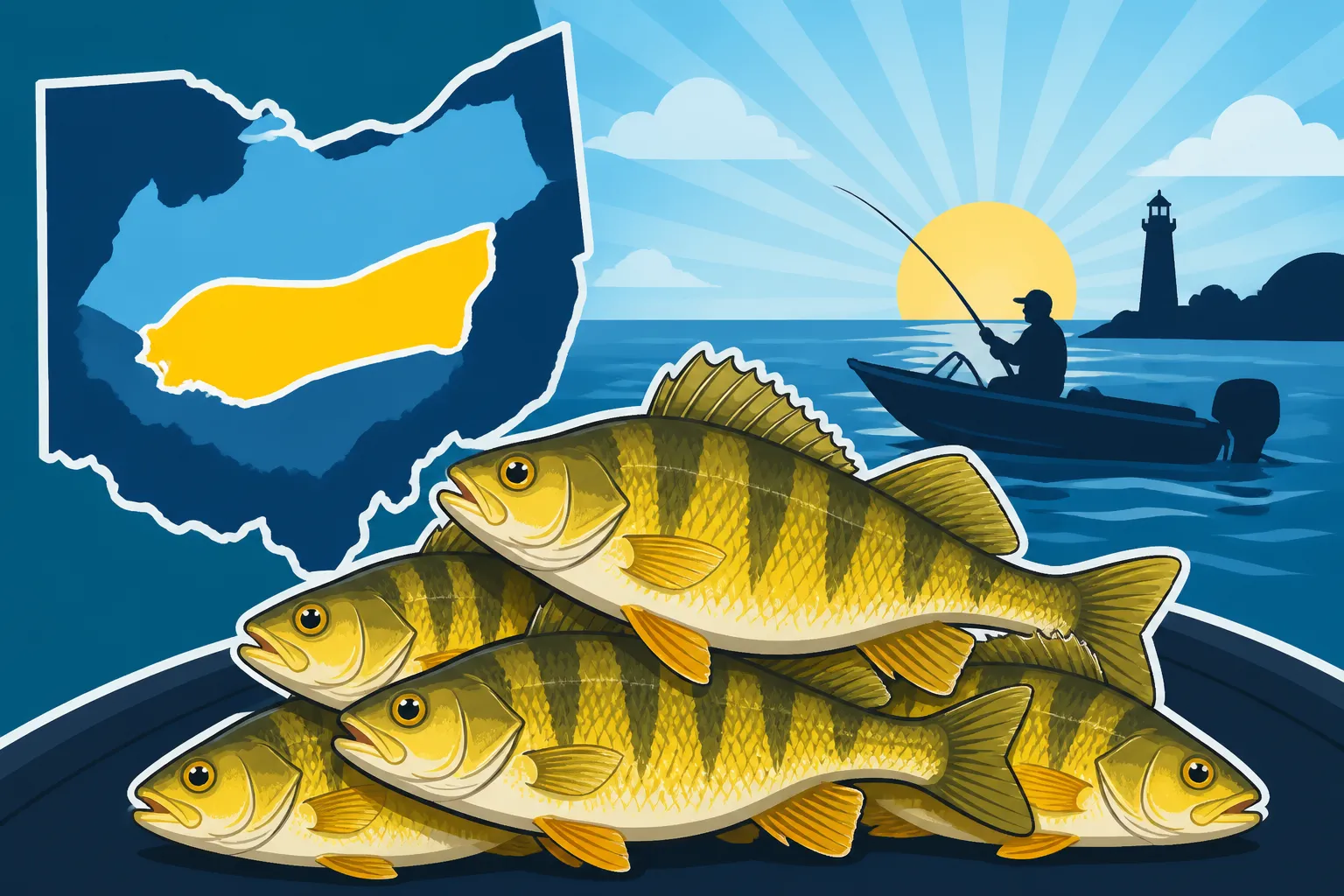
Lake Erie Yellow Perch Daily Limit in the Central Zone
Navigating the ever-changing landscape of fishing regulations can feel like a riddle sometimes, especially when you're out on the vast waters of Lake Erie. One of the most common head-scratchers for anglers is the specific daily catch limits for popular species like yellow perch, which can vary significantly depending on where you're casting your line. This guide is here to untangle that confusion, specifically focusing on the daily yellow perch limit within Lake Erie's Ohio Central Zone, ensuring you're compliant and confident on your next fishing adventure.
Pinpointing Lake Erie's Central Zone in Ohio
Before we can even talk about limits, it’s absolutely crucial to know where you are on Lake Erie. The lake is so massive, stretching across multiple states and even into Canada, and for management purposes, the Ohio Department of Natural Resources (ODNR) has divided its waters into distinct zones. These zones aren't just arbitrary lines on a map; they're designed to help manage fish populations effectively based on habitat, spawning patterns, and fishing pressure.
The Geographic Boundaries of the Central Zone
The Central Zone of Lake Erie in Ohio is a significant stretch of water, forming the middle segment of the Ohio portion of the lake. It’s nestled comfortably between the Western and Eastern Zones, each with its own unique characteristics and, consequently, its own set of rules. For anglers, knowing these boundaries isn't just a suggestion; it's a necessity. Imagine the frustration of having a fantastic day on the water, only to realize you were in the wrong zone and inadvertently violated a regulation!
To be precise, the Central Zone begins at a line extending due north from the Lorain Lighthouse, out into the lake. It then stretches eastward all the way to a line that runs due north from the Huron River mouth in Erie County. This area encompasses popular fishing cities like Cleveland, Ashtabula, and Fairport Harbor, offering diverse fishing opportunities. If you're launching your boat from a ramp in Cleveland, for instance, or planning to fish near Ashtabula, you're squarely in the Central Zone. It’s always a good idea to cross-reference your location with a reliable chart or a GPS unit to confirm your position, especially if you're navigating close to the zone lines. Understanding these specific delineations is key to staying within the law, as highlighted in the comprehensive guide on Where the Lake Erie Yellow Perch Central Zone Starts and Ends.
Why Zones Matter for Yellow Perch
You might wonder why such specific zoning is necessary. Well, Lake Erie is an incredibly dynamic ecosystem, and factors like water depth, forage availability, and even the type of lakebed can vary greatly from one end to the other. Yellow perch populations, while robust, are not uniformly distributed or impacted across the entire lake. The ODNR uses these zones to apply targeted management strategies, ensuring the sustainability of the fishery.
For example, spawning grounds or critical nursery habitats for yellow perch might be more prevalent in one zone than another, leading to different protective measures or harvest strategies. By dividing the lake into zones, the ODNR can react more nimbly to localized changes in fish populations or environmental conditions. This proactive approach helps prevent overfishing in particularly vulnerable areas while allowing for more generous limits where populations are thriving. These localized rules are part of the broader Lake Erie Fishing Regulations in Ohio that every angler should be familiar with.
The Lake Erie Central Zone Yellow Perch Daily Limit
Alright, let's get down to brass tacks: what's the magic number for yellow perch in the Central Zone? This is often the question on every angler's mind when they head out with their perch rigs and minnows.
The Current Daily Bag Limit
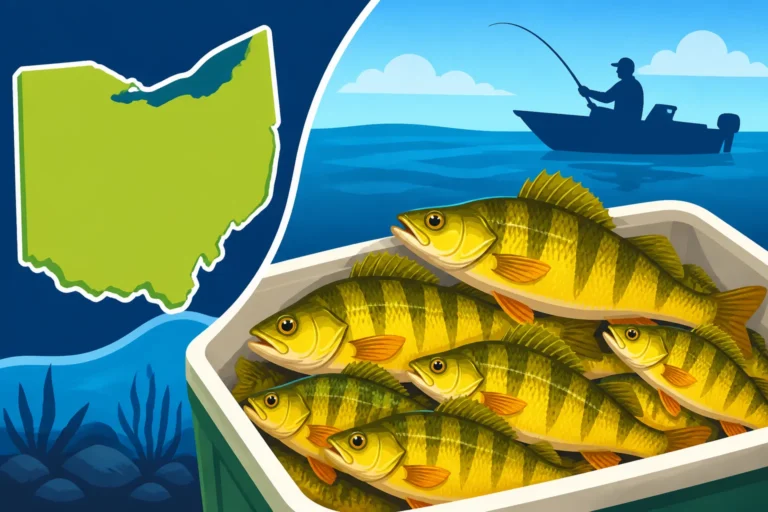
For anglers targeting yellow perch in the Ohio waters of Lake Erie's Central Zone, the daily bag limit is currently set at 30 fish per person. This means that in any given day, an individual angler cannot possess more than 30 yellow perch caught from this specific zone. This limit is a critical component of the ODNR's efforts to maintain a healthy and sustainable yellow perch population in Lake Erie.
It's important to understand that "daily limit" refers to the number of fish you can harvest and possess in one calendar day. If you go out in the morning, catch your limit, come home, and then decide to go out again in the afternoon on the same day, you cannot catch more fish if you already have 30 perch in your possession from that day's fishing. The goal is to ensure that the total harvest remains within sustainable levels for the perch population.
This 30-fish limit has been carefully determined by fisheries biologists, taking into account population assessments, reproductive rates, and overall health of the yellow perch stock within the Central Zone. These limits can, and sometimes do, change based on annual stock assessments, so always double-check the most current regulations before heading out. A quick look at the ODNR website or the latest fishing digest is always a smart move. For a broader overview of state regulations, check out the Ohio Fishing Regulations Every Angler Should Know.
Comparing Limits Across Lake Erie Zones
What makes the Central Zone's 30-fish limit particularly important to remember is that it’s not uniform across the entire Ohio portion of Lake Erie. For instance, the daily limit for yellow perch in the Western Zone might be different, sometimes higher, due to the incredibly productive shallow waters and historical perch abundance there. Conversely, the Eastern Zone could also have a different limit, potentially lower, if biologists determine the perch population needs more protection in that area.
This variation is precisely why understanding Lake Erie Yellow Perch Zone Limits is so vital. If you started your day in the Western Zone and caught a certain number of perch, then decided to move east into the Central Zone, you need to be aware of how the change in zones impacts your total allowable catch. It's not uncommon for anglers to inadvertently cross zone boundaries, and failing to adjust your harvest accordingly could lead to a violation. For those curious about the specifics of neighboring zones, you can find detailed information on the Lake Erie Yellow Perch Daily Limit in the West Zone and the Lake Erie Yellow Perch Daily Limit in the East Zone. The fact that there are different limits across the zones speaks to the detailed management strategies in place, and an article explaining Why Lake Erie Yellow Perch Has Three Different Bag Limits can provide deeper insight into these decisions.
Ensuring Compliance and a Responsible Harvest
Knowing the limit is one thing, but consistently adhering to it, especially when the perch are biting fast and furious, requires a bit of planning and mindfulness. Responsible angling is about more than just catching fish; it's about preserving the resource for future generations.
Practical Tips for Counting Your Catch
When you're out on the water, especially during a hot bite, it's easy to lose track of how many fish you've put in the cooler. But keeping an accurate count is paramount to avoiding an accidental violation. A simple tally system can go a long way.
One effective method is to use a small counter, like a handheld clicker often used by golf caddies or door personnel, which you can find readily on Amazon. Each time you place a keeper perch in your livewell or cooler, give it a click. This provides an immediate, tangible count. Another approach is to use a rubber band on your wrist, moving one from one wrist to the other for every five or ten fish, or simply marking a tally on a small whiteboard attached to your boat console.
It’s also wise to educate everyone on your boat about the current daily limit. If you have multiple anglers, each person is responsible for their own limit. You can't pool your limits to take more fish than individually allowed. For example, if there are three people on your boat in the Central Zone, the collective limit would be 90 perch (30 fish x 3 anglers). However, if one person stops fishing after catching 15, they cannot give their remaining 15 fish allowance to another angler on the boat. Each person must catch their own. This attention to detail is part of being a successful and ethical angler, as detailed in any good Ohio Yellow Perch Fishing Guide.
The Importance of Current Regulations
Fishing regulations are not set in stone forever. While the 30-fish limit for yellow perch in the Central Zone has been consistent for a period, factors like environmental changes, successful spawning years, or even disease outbreaks can necessitate adjustments. The ODNR continuously monitors fish populations and adjusts regulations to ensure long-term sustainability.
Therefore, before every fishing trip, especially if it's been a while since your last outing or if you're fishing a new area, make it a habit to check the most current Ohio Fishing Regulations. The ODNR website is an excellent resource, providing digital versions of the fishing digest. Many tackle shops also carry printed copies. Failing to know the current regulations is not an excuse for a violation. It’s better to spend five minutes checking online than to face a hefty fine or lose your catch. This diligent approach is also important when considering Ohio Statewide Bag and Size Limits for other species.
Recommended Gear for Central Zone Perch Fishing
While the regulations are about what you can keep, successful perch fishing also hinges on having the right gear. The Central Zone offers diverse depths and structures, meaning versatile tackle can be a real advantage. Light to medium-light action rods, typically 6 to 7 feet long, paired with spinning reels spooled with 6-8 pound monofilament or fluorocarbon line are usually perfect. A good quality, sensitive rod helps you feel those subtle perch bites, especially when they're light.
When it comes to terminal tackle, a classic perch rig, often called a "crappie rig" or "perch spreader," is incredibly effective. These usually consist of two snelled hooks (size 4-8) spaced a foot or so apart, with a bell sinker at the bottom. You can find a wide variety of pre-tied rigs, hooks, and sinkers on Amazon or at local bait shops like Fin Feather Fur Outfitters. Live bait like emerald shiners or fathead minnows are often king for perch, but small plastics, jigging spoons, or even pieces of nightcrawler can also entice bites. For more specifics on what works well, exploring resources on Best Rig for Yellow Perch on Lake Erie can be immensely helpful.
Another piece of gear that can be invaluable for pinpointing your location, especially near those crucial zone lines, is a good GPS-enabled fish finder or marine chartplotter. Brands like Garmin or Lowrance offer excellent units that not only help you locate schools of perch but also clearly display your position relative to navigation markers and, importantly, zone boundaries. These devices can save you a lot of headache and ensure you're always fishing legally. Even a basic handheld GPS unit, easily available on Amazon, can be a lifesaver for confirming your location.
Understanding Potential Violations and Consequences
No one wants to break the law, especially when they're just trying to enjoy a peaceful day of fishing. However, mistakes happen, and it's essential to understand the potential repercussions of exceeding the yellow perch daily limit in Lake Erie's Central Zone. Wildlife officers are out there to protect the resource, and they take violations seriously.
The Role of Ohio Wildlife Officers
Ohio Wildlife Officers, part of the Ohio Department of Natural Resources, Division of Wildlife, are highly trained law enforcement professionals. Their primary mission is to enforce fishing, hunting, and boating regulations to conserve Ohio's natural resources and ensure public safety. They patrol Lake Erie extensively, both by boat and from shore, and are adept at spotting potential violations.
When an officer approaches your boat, they are typically looking to ensure you have valid licenses, are adhering to bag and size limits, and are operating your vessel safely. They often conduct routine checks, so always be prepared to show your Ohio Fishing License Guide for Residents and Nonresidents and present your catch for inspection. Being respectful and cooperative with a wildlife officer goes a long way. They are there to do their job, and understanding that helps ensure a smooth interaction.
Penalties for Exceeding Limits
The consequences of exceeding the daily bag limit for yellow perch in the Central Zone can range from a warning to significant fines and even potential loss of fishing privileges. Ohio's penalties for fishing violations are generally determined by the severity of the offense and whether it's a repeat occurrence.
For a first offense of exceeding the bag limit, you could face a monetary fine, typically in the hundreds of dollars, plus court costs. The exact amount can vary depending on the jurisdiction and the number of fish over the limit. Additionally, the illegally harvested fish will almost certainly be confiscated. Repeated offenses can lead to much stiffer penalties, including higher fines, suspension of your fishing license for a period, or even permanent revocation. These penalties are designed to be a deterrent, reinforcing the importance of respecting catch limits. You can find more specific information on these penalties, including for other species, by looking into Wildlife Officer Violation Fines in Ohio. It's a sobering reminder that a few extra fish in the cooler aren't worth the trouble and expense.
Final Thoughts on Central Zone Perch Fishing
Fishing for yellow perch in Lake Erie's Central Zone is a fantastic experience, offering bountiful catches and memorable days on the water. However, it comes with the responsibility of understanding and adhering to the regulations put in place to protect this valuable resource. Knowing the 30-fish daily limit for yellow perch in this specific zone is a cornerstone of responsible angling.
By familiarizing yourself with the zone boundaries, diligently counting your catch, and regularly checking for updated regulations, you contribute to the sustainability of Lake Erie's fishery. It’s about more than just avoiding a fine; it’s about being a good steward of the environment and ensuring that future generations can enjoy the same incredible perch fishing opportunities that we do today. So, grab your tackle, check the weather, and head out with confidence, knowing you're well-informed and ready for a successful and legal day of perch fishing in the heart of Lake Erie's Ohio waters.
Disclaimer
Please note that fishing regulations are subject to change. While this guide aims to provide accurate and up-to-date information, it is always the angler's responsibility to consult the latest official Ohio fishing regulations published by the Ohio Department of Natural Resources (ODNR) before heading out on the water. This content is for informational purposes only and should not be considered legal advice.