Rocky River Steelhead Fishing Access Points
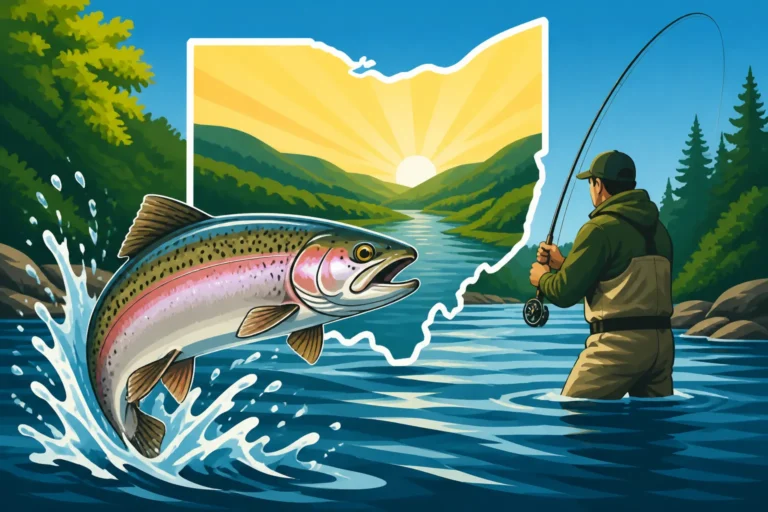
Few things are as exhilarating for an Ohio angler as the tug of a fresh Lake Erie steelhead, but actually finding those elusive fish often feels like a secret handshake only the seasoned pros know. It’s incredibly frustrating to drive all the way to a prime steelhead river, only to spend more time wandering around looking for public access than actually fishing. The Rocky River, a true jewel in the Cleveland Metroparks system, is legendary for its steelhead runs, and this guide is here to cut through the confusion, pinpointing the best, most accessible spots so you can focus on the fight.
Unpacking the Allure of the Rocky River Steelhead Fishery
The Rocky River isn't just any river; it's a vibrant, living artery of the Lake Erie ecosystem, and that connection is precisely what makes it such a phenomenal steelhead fishery. Every year, these magnificent trout migrate from the vastness of Lake Erie into the relatively shallow, current-rich waters of rivers like the Rocky, creating an incredible angling opportunity right here in Northeast Ohio.
Why the Rocky River is a Steelhead Magnet
Think of the Rocky River as a natural highway for steelhead, stretching from the sandy shores of Lake Erie deep into Cuyahoga County. What makes it so special for these migratory rainbow trout? Well, it's a combination of factors. The river boasts incredibly diverse habitat, from deep, slow-moving pools where steelhead can rest, to oxygenated riffles and gravel runs perfect for spawning. The varying water depths and structures provide ample cover from predators and strong currents, making it an ideal environment for steelhead to hold before and during their spawning rituals.
Furthermore, the surrounding Cleveland Metroparks have done an incredible job preserving much of the river's natural state, offering a relatively wild feel despite its proximity to a major metropolitan area. This dedication to conservation ensures clean water and healthy ecosystems, which are paramount for supporting robust fish populations. You'll find a mix of rocky bottoms, shale ledges, fallen timber, and undercut banks – all prime real estate for a steelhead. It's a challenging river, no doubt, with its fluctuating flows and often stained water, but that challenge is what draws so many dedicated anglers year after year. For more on why these rivers are so special, check out our guide on the Best Ohio Rivers for Steelhead.
Prime Seasonality for Rocky River Steelhead Runs
Understanding when to hit the river is just as crucial as knowing where. Steelhead are migratory, meaning they move in and out of the river system based on water temperature, flow, and their biological clock. Generally, the Rocky River sees three distinct steelhead runs:
- Fall Run (Late September – December): This is often the first wave of fish entering the river, triggered by cooler water temperatures and increased rainfall. These fish are typically aggressive and hungry, looking to fatten up before the colder winter months. Many anglers find the fall bite to be incredibly exciting, as fish are still fresh from the lake and willing to chase a variety of presentations.
- Winter Hold (December – March): Once water temperatures drop and ice forms, steelhead tend to settle into deeper pools and slower runs. Fishing can be tougher during this period, requiring more subtle techniques and slower presentations, but the rewards can be massive for those willing to brave the cold. Finding clear, stable water between thaws is key.
- Spring Run (March – May): This is arguably the most anticipated run, as it's directly tied to their spawning cycle. As water temperatures rise and daylight hours lengthen, steelhead become very active, moving into shallower gravel areas to spawn. Post-spawn fish, often called "drop-backs," are also encountered as they make their way back to Lake Erie, providing another surge of angling action.
Of course, these are general guidelines. Factors like heavy rains, drought, and sudden cold snaps can drastically affect when fish move and where they hold. To truly dial in your timing, you’ll want to keep an eye on river conditions and check out detailed information on When Ohio Steelhead Runs Start and specifically When the Rocky River Steelhead Run Peaks.
Navigating Public Access Points on the Rocky River
Okay, now for the good stuff! The Rocky River runs through the extensive Cleveland Metroparks system, which means there are numerous public access points. However, some are definitely better than others for steelhead, offering a combination of parking, easy river access, and productive water.
The Lower Rocky River: Gateway to Lake Erie Steelhead
The lower sections of the Rocky River, particularly those closest to Lake Erie, are often the first to see fresh steelhead entering the system. These spots can be incredibly productive, especially during the early fall and late spring runs.
Emerald Necklace Marina and Rocky River Reservation
This is arguably one of the easiest and most popular access points, especially if you're looking for early season fish or those staging before heading back to the lake. The Emerald Necklace Marina itself offers ample parking, and from there, you can follow paths upstream or downstream along the river. Directly adjacent is the Rocky River Reservation, which provides extensive trails along both banks.
- Access Features: Large parking lots, paved trails, easy bank access, and boat launch facilities (though not for steelhead fishing, it provides good infrastructure). You can reach productive water quickly, often within a short walk from your vehicle.
- Fishing Opportunities: This area is excellent for intercepting fresh-run steelhead pushing in from Lake Erie. The confluence with the lake means fish are often actively migrating. You’ll find deeper pools, current breaks, and gravelly stretches in this section. It can get crowded, especially on weekends during peak season, so arriving early is often a good strategy. It's a great spot for both drift fishing and casting spoons or spinners.
Detroit Road Bridge and Lindbergh Landing
Just a bit upstream from the marina, the area around the Detroit Road Bridge and Lindbergh Landing is another classic and heavily fished spot. This bridge spans a significant bend in the river, creating diverse water conditions that steelhead love.
- Access Features: Parking can be found near the bridge or within the Metroparks system. Lindbergh Landing, a popular launch for smaller craft, offers additional parking and direct river access. You'll often see anglers wading upstream or downstream from these points.
- Fishing Opportunities: The deep pool directly below the Detroit Road Bridge is a notorious holding spot for steelhead, particularly when water levels are low or stable. Further upstream and downstream, you'll find a mix of riffles, runs, and current seams that provide excellent ambush points. This area is very popular with fly anglers and those using float-fishing techniques. It’s also one of those spots where local knowledge really pays off – consider booking a guide through a platform like FishingBooker if you want to quickly learn the nuances of these highly productive, but often busy, waters.
Middle River Hotspots: Finding the Holdovers
As steelhead move further upstream, they tend to settle into various "holds" – deeper pools, slower runs, or areas with abundant cover. The middle sections of the Rocky River offer fantastic opportunities for targeting these fish.
Bradford Reservation and Mastick Woods Golf Course
Venturing a bit further upstream, the Bradford Reservation offers a more secluded feel compared to the lower river. It's a sprawling area with plenty of hiking trails that parallel the river, giving anglers the chance to explore and find less pressured water. Nearby, the Mastick Woods Golf Course also has portions of the river running through it, with Metropark access points adjacent to the course.
- Access Features: Ample parking at various trailheads within the reservation. Expect a bit more walking here to reach prime spots, which can be a good thing if you're looking for solitude. The trails are well-maintained, making it relatively easy to navigate with fishing gear.
- Fishing Opportunities: The Bradford and Mastick sections are excellent for finding fish that have been in the river for a while. You'll encounter a good mix of deeper holes, current seams, and areas with fallen trees that provide excellent cover. This area is often favored by fly anglers due to the varied water types and the opportunity for longer drifts. It's a great place to hone your Fly Fishing Techniques for Ohio Steelhead.
Big Met Golf Course and Valley Parkway
Continuing upstream, the stretch of river around Big Met Golf Course and along Valley Parkway is another key access zone. Valley Parkway runs parallel to the river for long stretches, providing numerous pull-offs and designated parking areas within the Metroparks.
- Access Features: Abundant parking along Valley Parkway, with various paths and staircases leading down to the river. This makes it relatively easy to hop from one spot to another, covering a lot of water without excessive hiking.
- Fishing Opportunities: This section of the river is characterized by numerous bends, rocky structures, and a good mix of riffles and pools. It can hold a significant number of steelhead, especially during high water events that encourage fish to push further upstream. Many anglers new to the region often turn to resources like FishingBooker to compare guides, read reviews, and book a trip with confidence, ensuring they get the most out of their limited time on the water, especially in these more complex stretches.
Upper Reaches for Solitude and Spawners
While the lower and middle river sections see the most attention, the upper reaches of the Rocky River can offer excellent opportunities, particularly for those seeking a bit more solitude or targeting actively spawning fish in the spring. These areas often have smaller water, but don't underestimate their potential.
Cedar Point Road and Wallace Lake Area
Further south, near the area of Cedar Point Road and the popular Wallace Lake (which is a different fishery altogether but provides nearby access), you'll find the Rocky River taking on a slightly different character. The river here is generally narrower and shallower, but it can be incredibly productive after significant rainfalls when steelhead venture even further upstream.
- Access Features: Parking is available near Cedar Point Road and within the Wallace Lake area. Access to the river here can involve a bit more bushwhacking or walking through wooded areas, so be prepared for a slightly more rugged experience.
- Fishing Opportunities: This is prime water for smaller, more intimate fishing. You’ll find tight bends, smaller pockets, and gravelly runs that are ideal for spawning steelhead in the spring. It’s also a good place to find active fish after a fresh push of water. The reduced pressure compared to the lower river can lead to some fantastic, peaceful angling.
Strongsville Mill Stream Run and South Beyond
Even further south into Strongsville, the Rocky River continues to flow through protected Metropark land. Spots like the Mill Stream Run Reservation offer very upstream access points.
- Access Features: Parking lots are available within the Mill Stream Run Reservation, with trails leading to the river. This is generally the furthest upstream you'd typically target steelhead in the main stem of the Rocky River.
- Fishing Opportunities: The river here is often quite small, but during strong runs, or when the main river is high and dirty, these smaller, clearer tributaries and upper sections can hold surprising numbers of fish. This is often where the earliest spawning activity occurs in the spring. It's perfect for light tackle and stealthy approaches.
To help visualize, here’s a quick overview of some key access points:
| Access Point | General Location | Primary Features | Best For | Typical Crowding | Notes |
|---|---|---|---|---|---|
| Emerald Necklace Marina | Near Lake Erie | Ample parking, paved paths, easy bank access | Early runs, Lake Erie staging, convenien | High | Excellent for fresh-run fish. |
| Detroit Road Bridge / Lindbergh Landing | Lower River, slightly upstream | Deep pool, varied currents, established trails | Holdover fish, diverse techniques | High | Classic spot, can be very productive. |
| Bradford Reservation | Middle River | Extensive trails, wooded areas, varied habitat | Solitude, fly fishing, exploring | Moderate | Requires more walking, rewards with less pressure. |
| Big Met Golf Course | Middle River, along Valley Pkwy | Roadside parking, various river access points | Covering water, targeting active fish | Moderate | Good for moving around and trying different spots. |
| Cedar Point Road / Wallace Lake | Upper River, southern reaches | Narrower water, more secluded, gravelly runs | Spring spawners, solitude, clear water | Low | More rugged access, rewarding for patient anglers. |
Practical Tips for Rocky River Steelhead Anglers
Now that you know where to go, let's talk about how to maximize your chances and make your trip enjoyable and safe.
Checking River Conditions and Flows
This cannot be stressed enough: river conditions dictate success. Steelhead fishing on the Rocky River is highly dependent on water levels and clarity. Too high and muddy, and fish won't bite; too low and clear, and they become spooky and hard to catch.
- Online Gauges: The Ohio Department of Natural Resources (ODNR) and USGS provide real-time stream gauge data for the Rocky River. Learn to interpret these graphs. Look for stable or slowly dropping flows after a rain event, and a slight tint to the water (steelhead green) rather than chocolate milk.
- Optimal Flow: Generally, a flow between 150-400 cubic feet per second (cfs) at the Berea gauge is considered good. Anything above 800 cfs is often too high and muddy, while below 100 cfs can make fish extremely wary. For a deeper dive into understanding these conditions, read our guide on the Best Water Flow for Steelhead Fishing on the Rocky River.
- Water Clarity: After heavy rains, it can take 2-3 days for the river to drop and clear enough to be fishable. Always check conditions before you head out, as a wasted trip is a frustrating trip!
Essential Gear and Techniques for Steelhead
Steelhead are powerful fish, and they require specialized gear and techniques to consistently catch them. Don't show up with your panfish rod expecting success!
- Rods & Reels: A medium-light to medium power spinning rod (8'6" to 10'6" in length) paired with a quality spinning reel (size 2500-3000) is standard. Longer rods help with line control and casting light presentations. For fly anglers, a 7-9 weight rod (10-11 feet) is ideal. Check out our comprehensive guide on Best Ohio Fishing Gear and Tackle Guide.
- Line: Use 6-10 lb test monofilament or fluorocarbon main line, often with a fluorocarbon leader of 4-8 lb test. For fly fishing, a weight-forward line with a long leader is common.
- Waders: You absolutely need chest waders for steelhead fishing on the Rocky River. Much of the best water requires wading to access. Choose breathable, comfortable waders, and invest in a good wading belt for safety. For more on this, consider reading Do You Need Waders for Ohio Steelhead Fishing?.
- Baits & Lures:
- Egg Imitations: Salmon eggs, egg sacs, and beads are deadly, mimicking the natural food source during spawning.
- Jigs: Small jigs (1/32 oz to 1/8 oz) tipped with maggots, wax worms, or soft plastics are highly effective, fished under a float.
- Spoons & Spinners: Small spoons (e.g., Little Cleos, Koho spoons) and inline spinners (e.g., Mepps, Rooster Tails) can trigger aggressive strikes.
- Flies: Nymphs (Stoneflies, Caddis, Mayflies), egg patterns, and streamer patterns are all effective for fly anglers.
- Techniques: Float fishing (using a bobber to drift bait or a jig downstream) is incredibly popular and effective. Drift fishing with bottom-bouncing rigs, casting and retrieving spoons or spinners, and various fly fishing techniques like nymphing or swinging streamers are also common. You can learn more about specific approaches in our article on Casting Techniques for Steelhead.
Respecting the Resource and Fellow Anglers
Steelhead fishing on the Rocky River is a cherished tradition, and maintaining a positive experience for everyone requires respect and good etiquette.
- Fishing Licenses: Always carry a valid Ohio fishing license. The regulations are in place to protect the fishery and ensure its health for future generations. Don't get caught without one! You can find all the details you need in our Ohio Fishing License Guide for Residents and Nonresidents.
- Regulations: Be familiar with Ohio's fishing regulations, especially specific rules for steelhead rivers, such as bag limits and tackle restrictions. Our Ohio Fishing Regulations Every Angler Should Know guide is a great resource.
- Catch and Release: Many steelhead anglers practice catch and release, especially for larger breeding females, to help sustain the population. If you do keep fish, know the limits and handle them carefully.
- Give Space: Steelhead fishing can be crowded. Be mindful of other anglers and give them plenty of space. Don't crowd someone's fishing spot or walk directly in front of them in the river. A little courtesy goes a long way.
- Leave No Trace: Pack out everything you pack in, and leave the riverbank cleaner than you found it.
Planning Your Trip and Finding Support
Whether you're a seasoned steelhead veteran or planning your first trip, a little preparation can make a big difference.
Local Resources and Professional Guides
Sometimes, the best access isn't just a physical location, but access to knowledge and experience.
- Tackle Shops: Local tackle shops are absolute goldmines of information. Stores like Erie Outfitters in Sheffield Lake or Chagrin River Outfitters in Chagrin Falls aren't just places to buy gear; their staff are often local experts who can provide up-to-the-minute reports on river conditions, hot baits, and productive stretches of water. They live and breathe this stuff!
- Fishing Guides: If you're new to steelhead fishing or the Rocky River specifically, hiring a professional guide can fast-track your learning curve and significantly increase your chances of success. A good guide knows the river like the back of their hand, understands the nuances of fish behavior, and can teach you effective techniques on the water. Platforms like FishingBooker make it incredibly easy to find experienced Ohio Steelhead Fishing Guide Services who know the Rocky River intimately. They can help you navigate the ever-changing conditions and put you on fish. Before you finalize your trip, especially if you're coming from out of town, checking for available guides on sites like FishingBooker can provide insights into local expertise and availability during peak seasons.
Staying Prepared for the Elements
Ohio steelhead season spans some of the wildest weather conditions. Being prepared is paramount for comfort and safety.
- Layered Clothing: Dress in layers! You might start your day in freezing temperatures and end up shedding layers as the sun comes out. Wicking base layers, fleece, and a waterproof/windproof outer shell are essential.
- Warmth: Always bring warm gloves, a hat, and extra socks. Hypothermia is a real risk when standing in cold water for hours. Hand warmers can be a lifesaver.
- Food and Water: Pack plenty of snacks and water, especially if you plan to hike into more remote areas. Staying hydrated and fueled is crucial.
- Safety Gear: A small first-aid kit, a headlamp (if fishing near dawn or dusk), and even a wading staff for stability in slippery currents are wise additions to your gear list. Tell someone where you're going and when you expect to be back, especially if you're fishing alone.
The Rocky River offers an exceptional steelhead fishing experience, but it demands respect, preparation, and a willingness to adapt. By utilizing these access points and practical tips, you’re well on your way to experiencing the thrilling fight of an Ohio steelhead. Tight lines!
Disclaimer
The information provided in this guide is for general informational purposes only and is not intended as legal or professional advice. Fishing regulations and conditions can change rapidly. Always consult the official Ohio Department of Natural Resources (ODNR) website or their current fishing regulations booklet for the most accurate and up-to-date information before engaging in any fishing activities. Adherence to all local, state, and federal laws is the responsibility of the angler.